

Vintage Wood Tool
These vintage wood tool selections bring practical 19th-century utility and folk art craftsmanship straight into modern homes.
Vintage Wood Tool
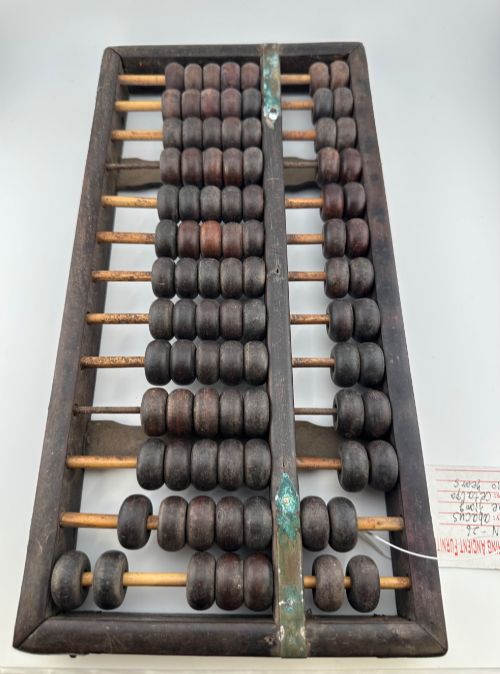
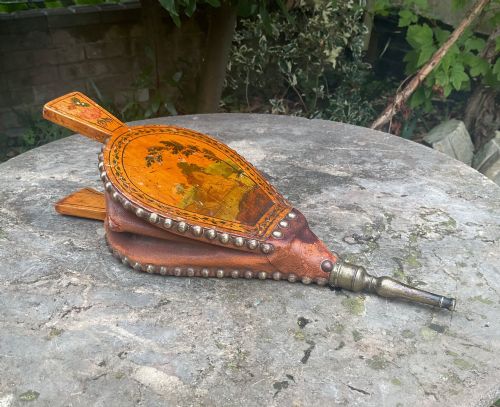
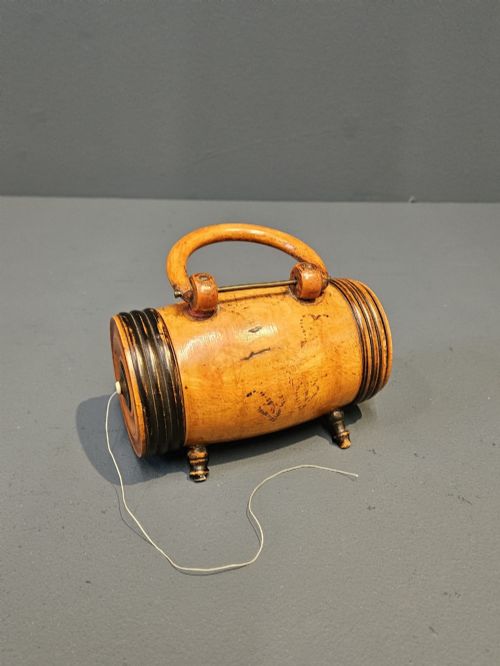
The assortment on this page relies heavily on utilitarian artefacts shaped by regional trades, including knitting sheaths, bellows, mallets, and joiner toolboxes. Many pieces reflect British, Scandinavian, and French country traditions where everyday items received careful hand-shaping.
How they were made
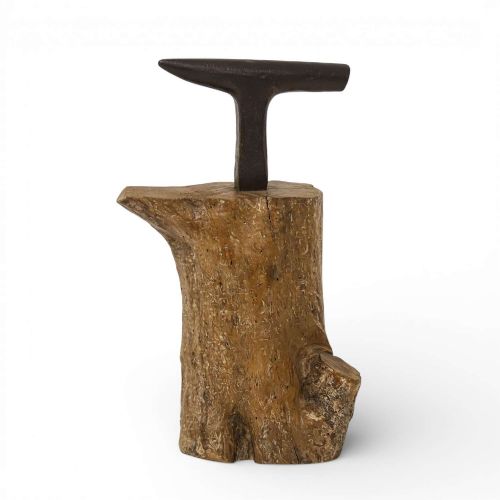
Makers utilised dense native hardwoods such as fruitwood, beech, mahogany, and satin birch to withstand the physical demands of daily carpentry, textile work, and rural labour. Iron, brass, and steel components were frequently integrated into planes, anvils, and toolboxes to reinforce points of high friction or impact.
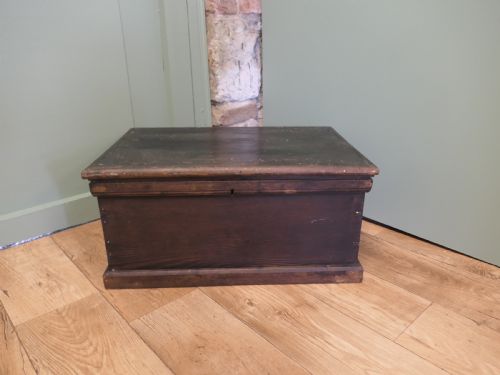
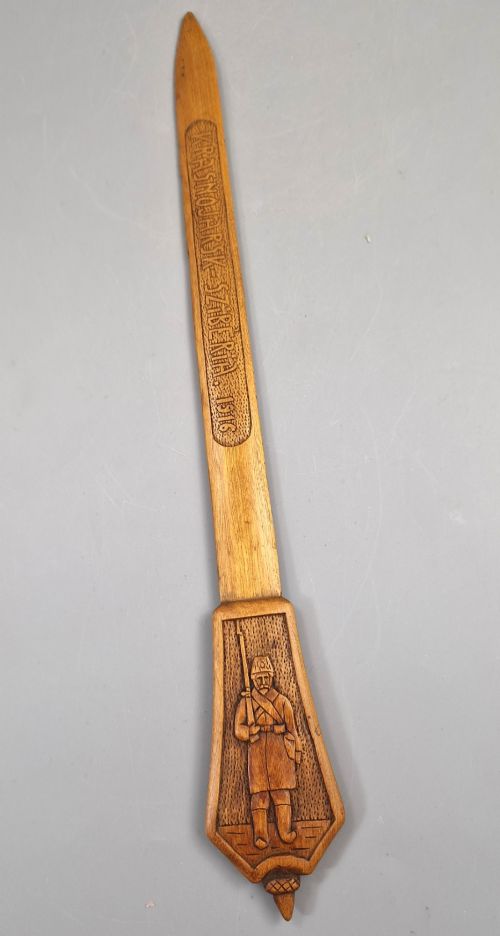
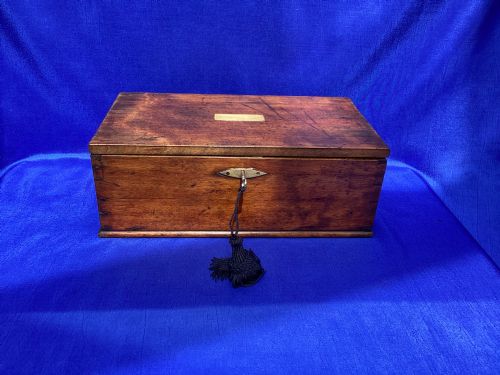
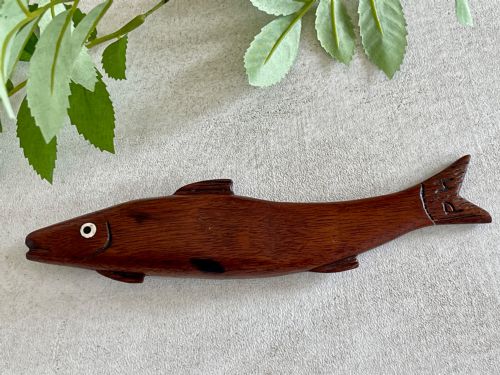
Surface decoration often involved hand-carved folk art motifs, geometric inlay work, or simple ebonising rather than heavy factory finishing. Joinery techniques varied from pegged joints in pine boxes to precisely dovetailed hardwood chests built for transport.
Vintage Wood Tool Retail Price Guide 2026
Typical asking prices for vintage wood tool among the pieces listed under this phrase on Sellingantiques today, from the lower quarter to the upper quarter. They describe what is for sale here now, not the wider market.
A seven-foot Scandinavian dough board proves that past bakers kneaded bread on a truly heroic scale.
What varies in quality
The grade of a vintage wood tool depends on the integrity of its timber and the retention of its original working surfaces through decades of use. Examples retaining a crisp, unpolished patination from active service outrank heavily sanded or stripped pieces that have lost their historical texture.
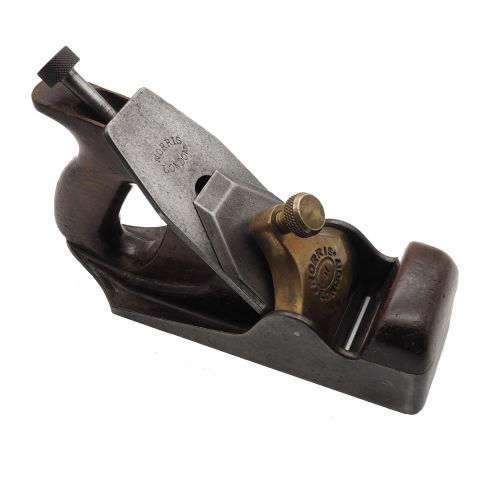
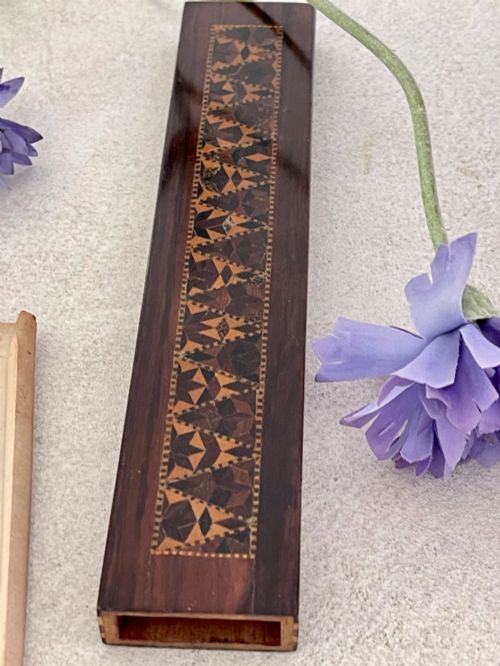
Execution of decorative detail also dictates distinction, separating straightforward utilitarian hardware from pieces bearing deliberate folk art carvings, intricate Tunbridge Ware inlay, or signed maker plates like Norris London.
Norris London·Holtzapffel and Co·Gnome Et Le Rhone Engine Company
The Vintage Wood Tool Glossary
- Treen
- Small wooden domestic objects made by turning or carving, ranging from spoons to knitting sheaths.
- Knitting sheath
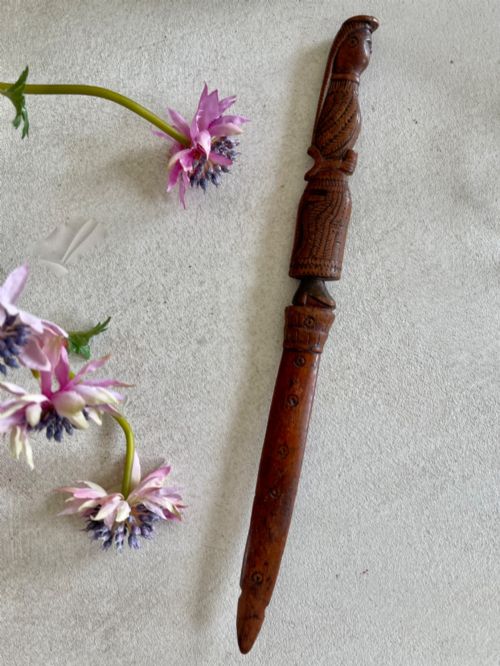
- A small carved wooden pocket or holder tucked into a belt to support a knitting needle during hand-production.
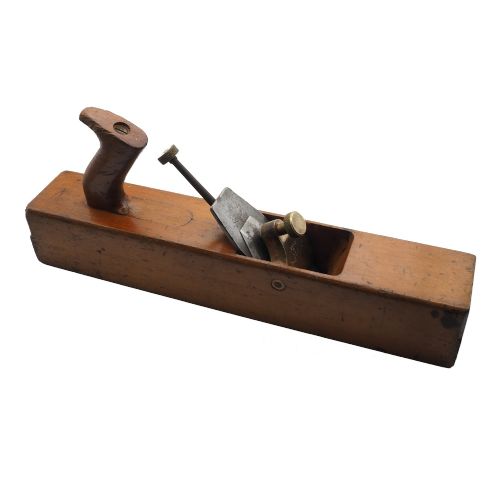
- Panel plane
- A specialised woodworking hand plane utilised for smoothing large panels and boards.
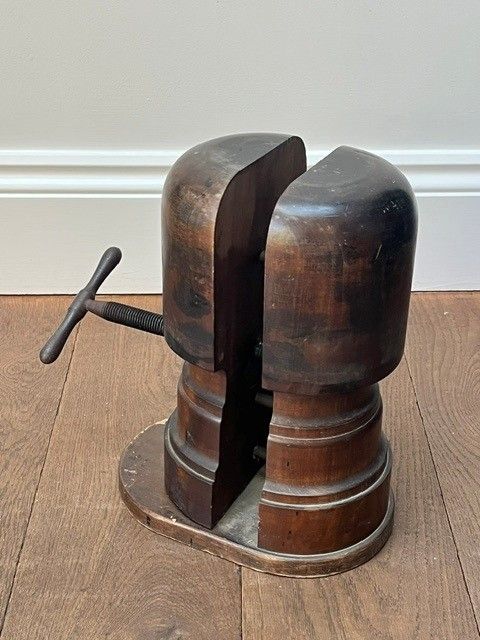
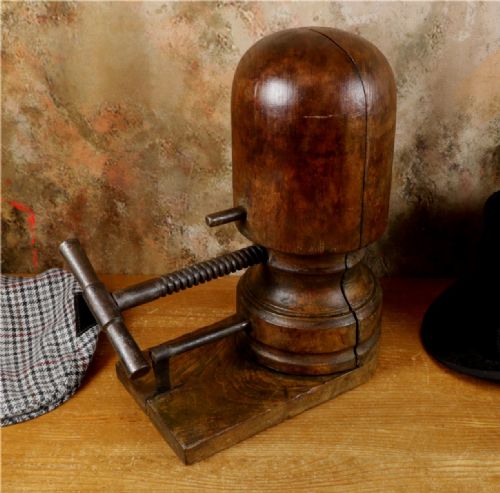
- Milliner hat stretcher
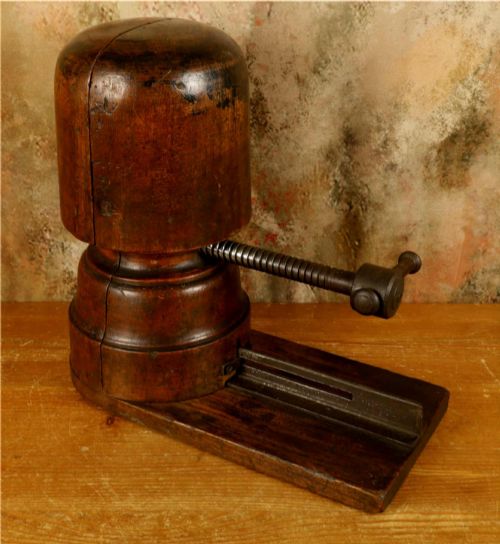
- A hinged wooden block expanded by a screw mechanism to size and shape hats.
- Distaff
- A staff holding wool or flax for spinning by hand onto a spindle or bobbin.
Vintage Wood Tool: Frequently Asked Questions
What is a vintage wood tool used for today?
Most buyers repurpose these functional implements as sculptural decorative objects in studies, kitchens, and workshops. Their tactile surfaces and honest patination suit rustic and industrial interiors alike.
Items like dough boards, boxes, and planes serve equally well as display focal points or functional containers for modern homes.
How do I care for old wooden tools?
Keep wooden pieces away from direct heat sources and sudden humidity shifts to prevent the timber from splitting or warping. Natural beeswax or microcrystalline wax applied sparingly helps nourish dry historical surfaces.
Avoid washing historic wood items with water or harsh detergents, relying instead on a soft, dry cloth for dusting.
How can I tell the age of a wooden tool?
Dating relies on observing construction marks, fastener types, and timber choice characteristic of specific periods like the Georgian or Victorian eras. Hand-forged iron components and traditional tool-cut marks often indicate 19th-century manufacture or earlier.
Maker stamps, proprietary metal plates, and regional carving styles also provide reliable clues to a piece's origin decade.