
Vintage Wood Dining Credenza
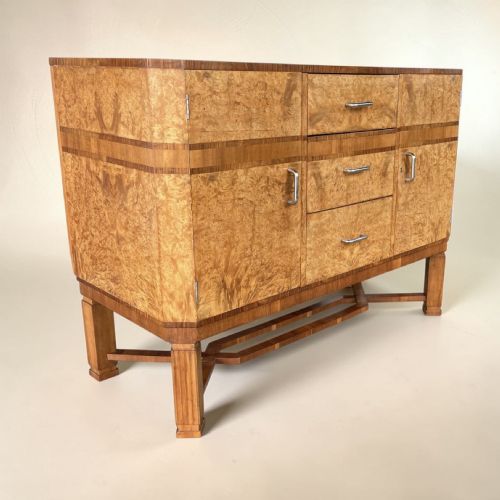
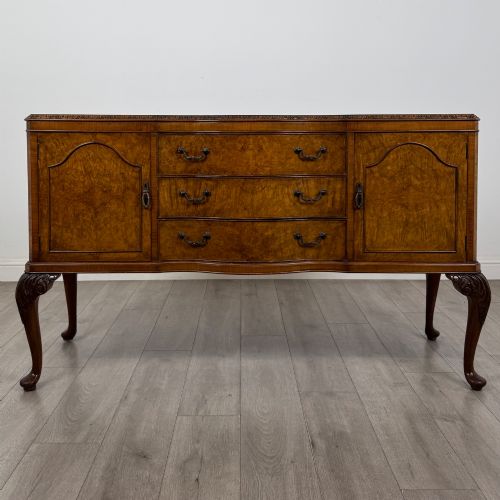
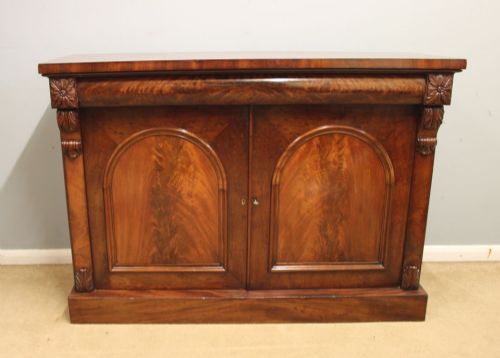
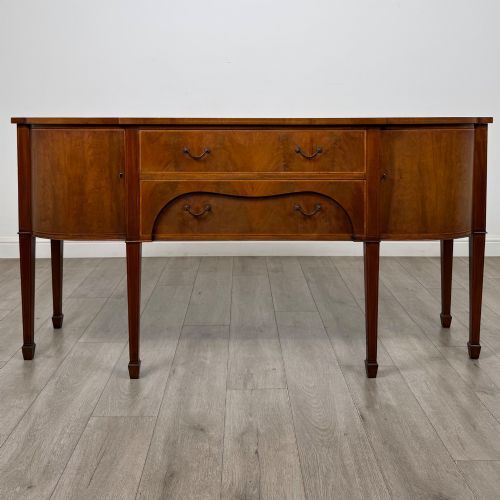
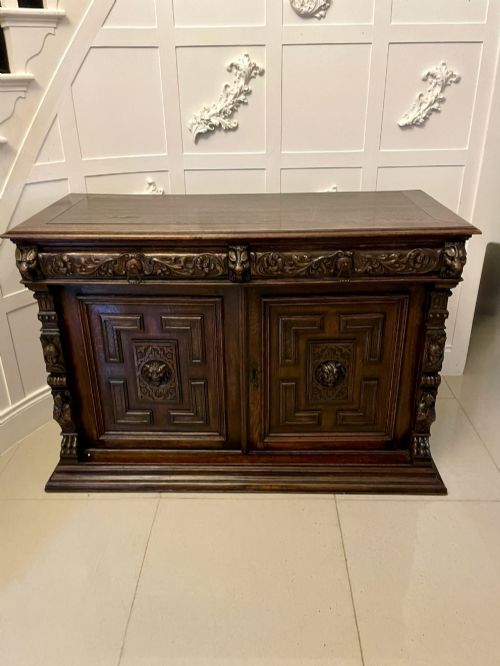
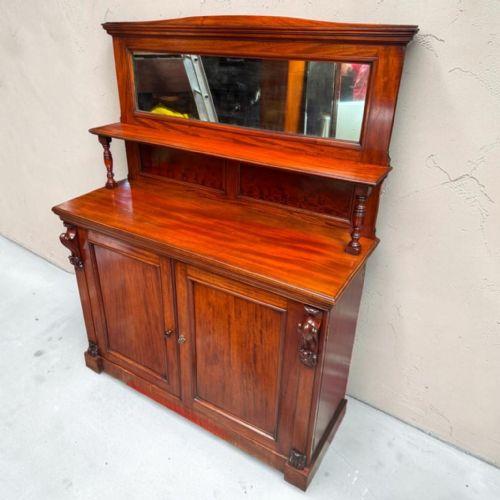
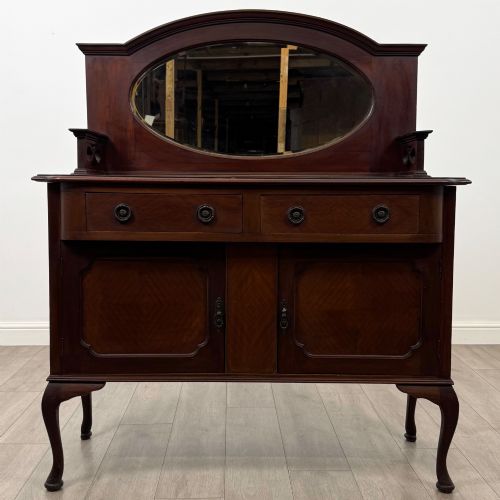
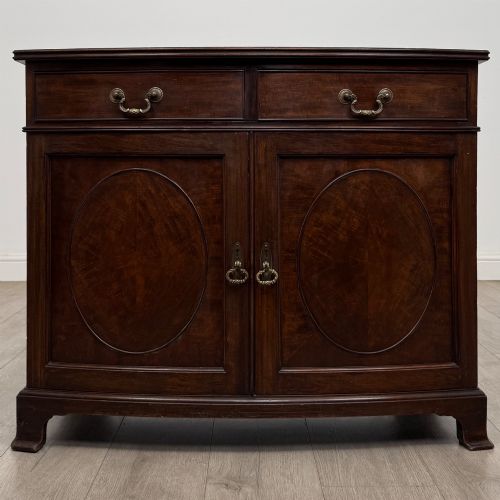
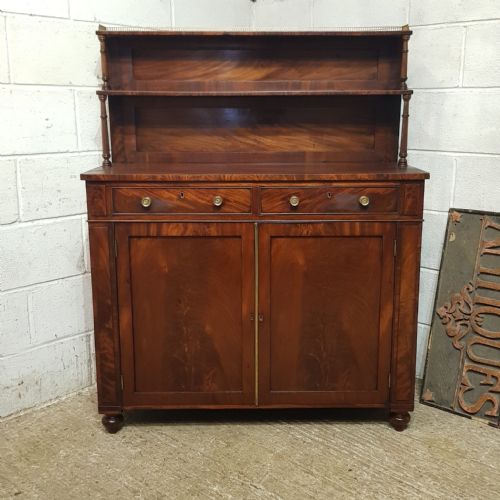
These vintage wood dining credenza selections bring heavy timber presence and ample storage to a room, drawing on Georgian, Victorian, and Edwardian cabinetmaking traditions.
Vintage Wood Dining Credenza
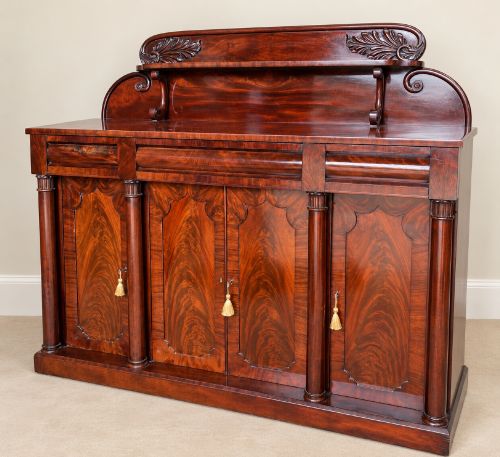
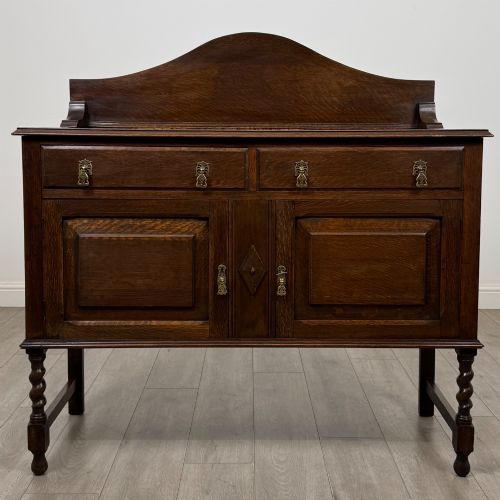
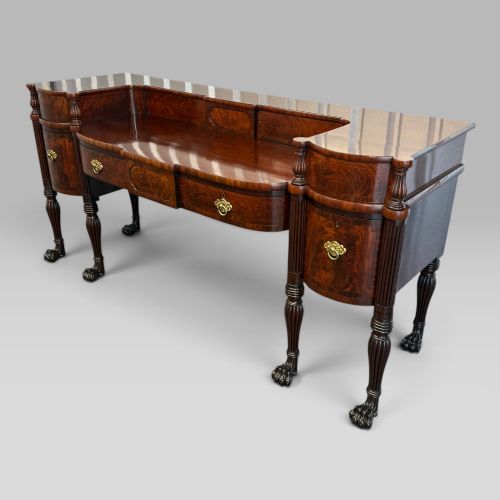
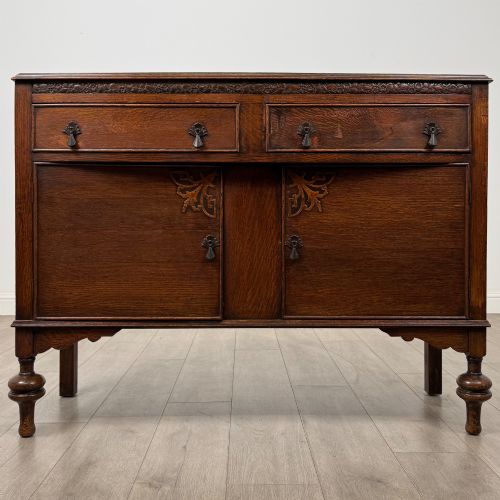
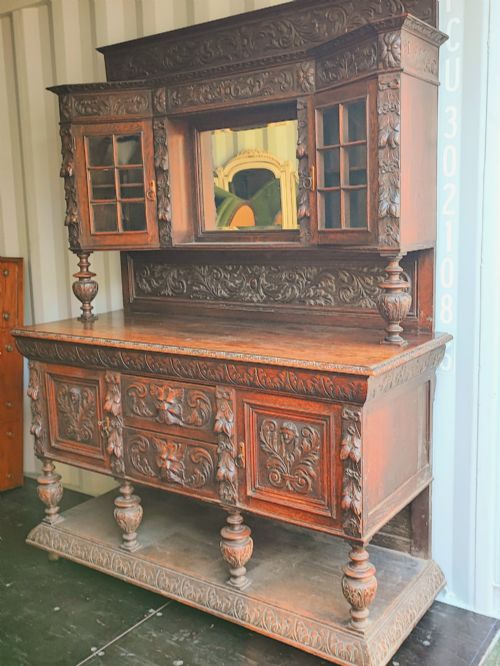
A vintage wood dining credenza appears across these listings primarily under terms such as sideboard, buffet, and server, spanning periods from the eighteenth century through the nineteen-thirties. Buyers encounter formal Georgian and Regency mahogany pieces alongside heavily carved Victorian and Edwardian oak examples.
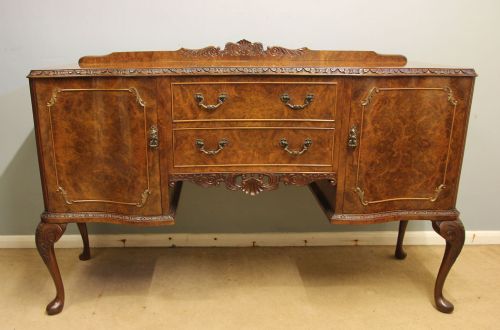
The physical form adapts to dining spaces through enclosed cupboards, drawers, and serving surfaces. Common configurations include bow fronts, serpentine shapes, and mirror backs designed to hold dining room service items.
Origins range across British revival styles and continental workshops, incorporating George III designs, Sheraton influences, and Arts and Crafts movement ideals. Oak and mahogany dominate the structural timber choices seen across the inventory.
Materials and construction methods
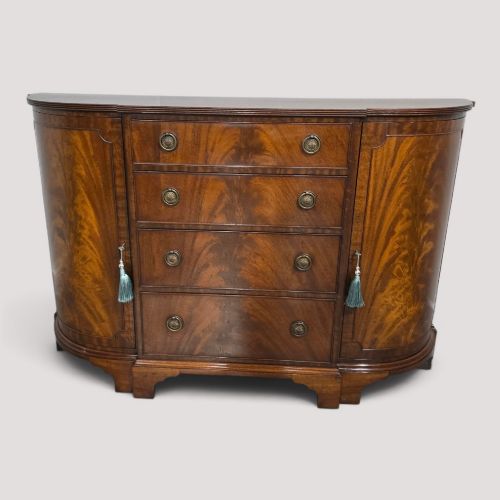
Cabinetmakers constructed these pieces using solid hardwoods like mahogany and oak, frequently applying flame mahogany veneer, burr walnut, and satinwood inlay to primary surfaces. Brass hardware and glass elements appear as functional and decorative details on doors and drawers.
Joinery techniques involve hand-carved ornamentation, barley twist turnings, marquetry inlay, and shaped serpentine or bow front construction. Surfaces receive polish to highlight the natural grain figures of pollard oak, figured mahogany, and satinwood.
Materials recur in solid oak and mahogany alongside flame mahogany veneer, burr walnut, and satinwood inlay.
Distinguishing quality in timber and execution
Quality separates through the selection of timber figures, such as highly figured flame mahogany veneer or burr walnut, versus plain planking. The depth and crispness of hand-carving on oak and mahogany structures further divide standard production from exceptional examples.
Construction nuance shows in the precision of satinwood inlay, the integration of brass fittings, and the structural complexity of serpentine or bow front curves. Superior pieces maintain harmonious proportions and intact period hardware without modern replacement.
The Vintage Wood Dining Credenza Glossary
- Serpentine front
- A furniture front curving outward in the centre and inward at the sides. This shape demands precise woodworking skill to execute cleanly.
- Bow front
- A convex, outwardly curved front found on many sideboards and cabinets. It softens the linear appearance of dining room storage pieces.
- Chiffonier
- A compact sideboard or low cabinet equipped with shelves or a mirror back. It developed during the nineteenth century for dining and drawing rooms.
- Marquetry
- Decorative inlay work using various coloured woods to form geometric or pictorial patterns. Craftsmen apply it to highlight premium drawer and cabinet doors.
- Flame mahogany
- Timber sliced from the fork of a mahogany tree to produce a distinct flickering flame grain pattern. Cabinetmakers reserve this veneer for prominent surfaces.
Vintage Wood Dining Credenza: Frequently Asked Questions
How do I style a vintage sideboard?
Pair the timber surface with neutral walls to let the wood grain and inlay work stand out in the dining space. Use the top surface to display ceramic serving pieces or lamps while utilising interior cupboards for tableware storage.
Keep surrounding furniture complementary in period or timber tone to maintain visual balance. Allow adequate clearance around bow and serpentine fronts so the piece functions properly in the room.
What is the difference between a sideboard and a credenza?
Sideboards traditionally feature deep storage cabinets and drawers raised on legs or feet, designed specifically for dining room service. Credenzas share a low profile but often trace their origins to continental serving formats.
In practical terms on this page, both terms describe heavy timber storage units used in dining spaces. The choice depends on whether you prefer an upright mirror back or a low serving top.
How do I identify a Georgian sideboard?
Georgian and Regency pieces typically showcase straight or bow fronts in solid mahogany with delicate satinwood inlay. Look for tapered legs and restrained brass hardware rather than heavy Victorian carving.
Proportions remain classical, often following proportions inspired by designers such as George Hepplewhite. The timber shows rich dark patination accumulated over centuries of use.
Are these pieces suitable for modern dining rooms?
The substantial timber presence and deep storage compartments make these pieces practical for modern dining and living spaces. They provide enclosed space for linens and glassware while offering a solid surface for serving food.
Mixing antique oak and mahogany with contemporary seating creates a layered interior. The variety of sizes ensures options fit both compact apartments and large dining halls.