
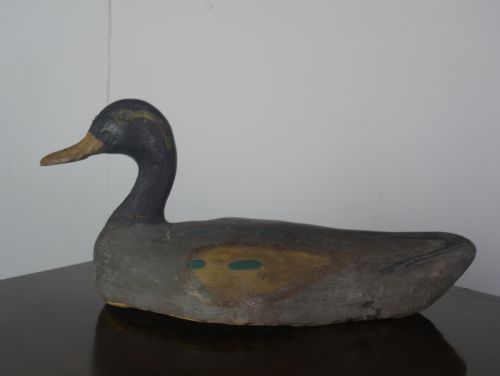


Vintage Wood Bird Sculpture
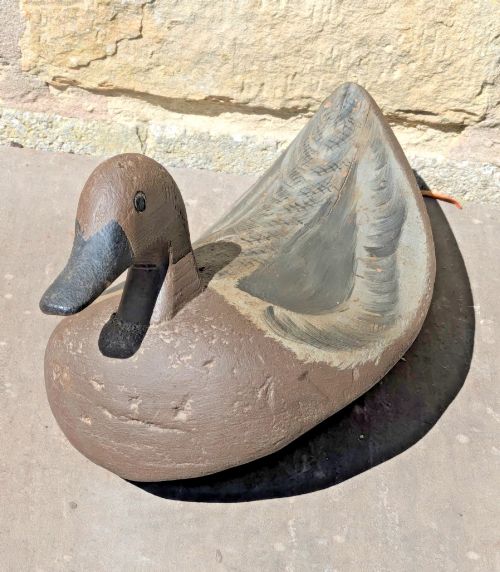
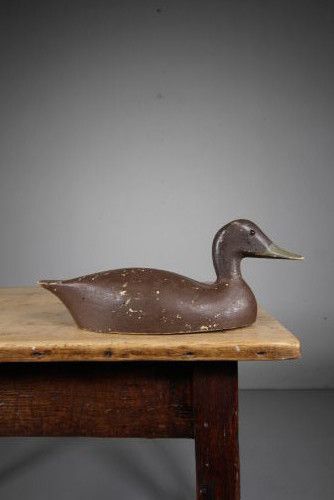
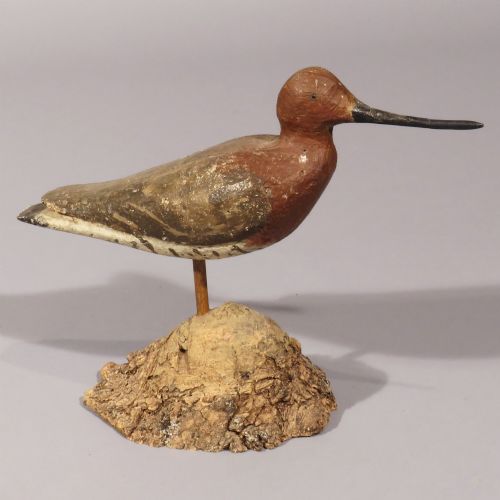
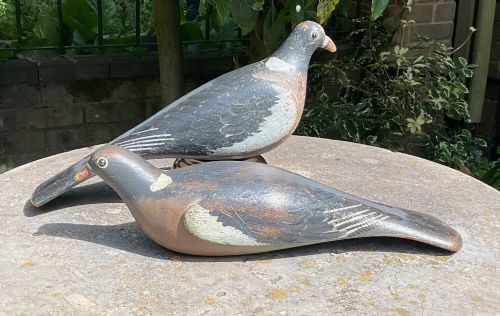
These vintage wood bird sculpture pieces bring hand-carved character to a room, ranging from working decoys to decorative folk art figures.
Vintage Wood Bird Sculpture
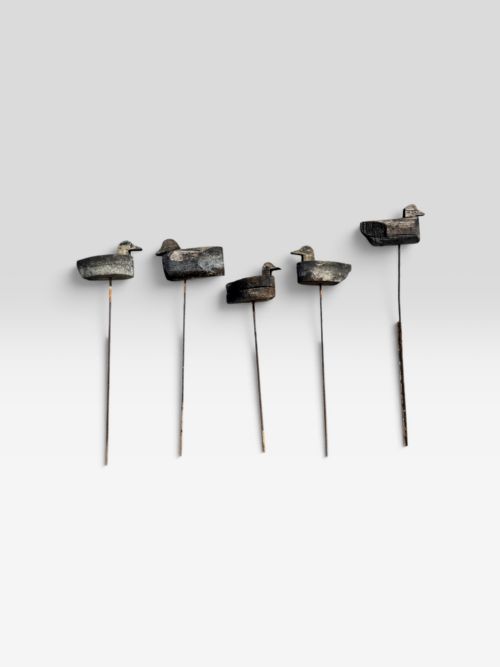
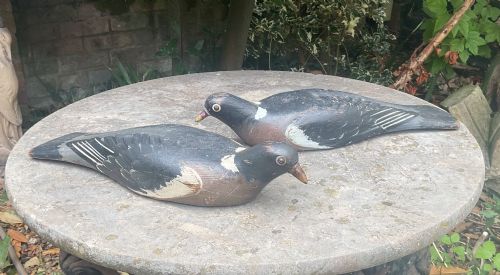
When you search for a vintage wood bird sculpture, you encounter a distinct variety of carved avian forms shaped from timber, pine, and hardwood. These pieces span from the nineteenth century into the twentieth century, taking the shape of working decoys, folk art figures, and decorative sculptures.
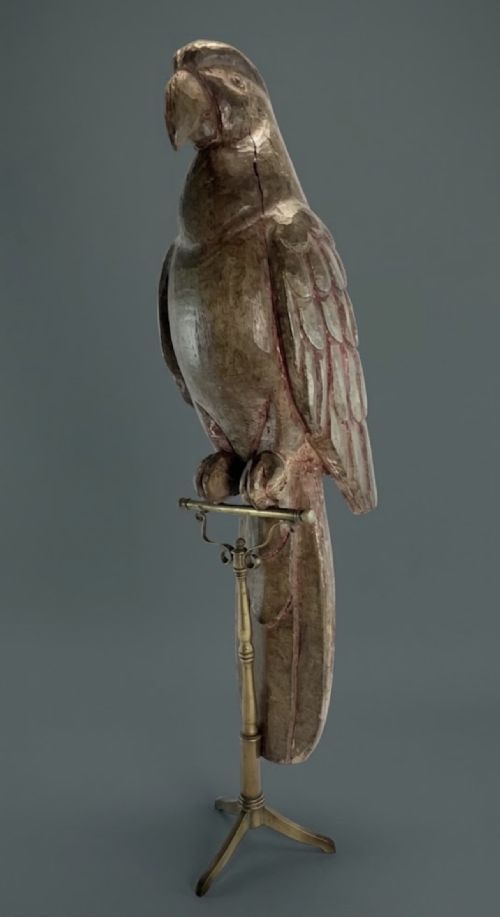
Many of these sculptures combine carved timber with hand-painted surfaces, glass eyes, or brass stands. They serve primarily as decorative objects for display on shelves, sideboards, and mantelpieces.
How they were made
Makers shaped these sculptures from local timbers, pine, and dense hardwoods using hand tools to carve the bodies and heads. Some pieces incorporate turned elements or distinct joinery to attach wings and tails.
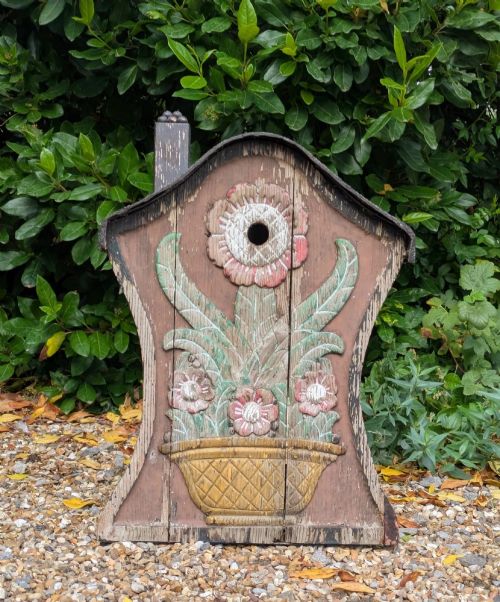
Surfaces often received layers of paint to mimic plumage, sometimes paired with delicate penwork details. Selected examples integrate brass supports or glass elements to complete the composition.
Materials recorded across the inventory include carved pine, hardwood, timber, paint, glass, and brass stands.
What varies in quality
The strength of the carving distinguishes simpler items from more ambitious works. Look at how convincingly the sculptor captured the posture, wing tension, and alertness of the bird.
Original painted surfaces retain greater visual impact when patinated by age rather than stripped or heavily restored. The harmony between the carving style and any mounting hardware, such as a brass stand, influences the overall presence of the piece.
The Vintage Wood Bird Sculpture Glossary
- Decoy
- A carved or moulded figure placed by hunters to attract wild birds. Many older working decoys now survive purely as decorative folk art.
- Folk art
- Objects created by self-taught or traditional craftsmen outside the formal academic traditions. These pieces prioritise functional utility and expressive charm over strict anatomical accuracy.
- Hardwood
- Timber from broad-leaved deciduous trees such as oak or mahogany, offering a dense medium for fine carving. It allows carvers to achieve sharper details than softer conifers.
- Penwork
- Decorative line work applied to wood surfaces using ink or burnt marks to define feathers and texture. It appears on selected English and continental carvings.
- Black Forest
- A regional style of wood carving associated with the German mountain region during the nineteenth century. These works often depict animals and figures with deep relief and naturalistic detail.
Vintage Wood Bird Sculpture: Frequently Asked Questions
How do I clean a carved wooden bird?
Dust the surface gently with a soft, dry brush to protect any original paint or delicate penwork. Avoid using water, soap, or chemical polishes that can damage aged timber.
Keep the sculpture away from direct sunlight and damp environments to prevent the wood from cracking or fading over time.
Are these bird sculptures antique?
The pieces span various periods, including Victorian, Edwardian, and early twentieth-century eras. Each listing notes the specific era or approximate date associated with the item.
Age is determined by the style of the carving, the tools used, and the natural ageing of the wood and paint.
Where were these sculptures made?
The selection includes pieces from English, Swedish, French, and Chinese makers. Regional traditions heavily influence the choice of timber and the painting style.
English and American traditions lean towards working decoys, while continental and Asian pieces often emphasise decorative carving styles.
Can I display these birds outdoors?
These sculptures are intended for indoor display as decorative objects. Exposure to rain, frost, and sun will degrade the painted surfaces and cause the timber to warp.
Place them on stable indoor surfaces where humidity remains relatively constant.