


Vintage Winter Paintings
Vintage winter paintings capture cold-season scenes across landscapes and villages, offering atmospheric depictions of snow, ice and quiet countryside.
Vintage Winter Paintings
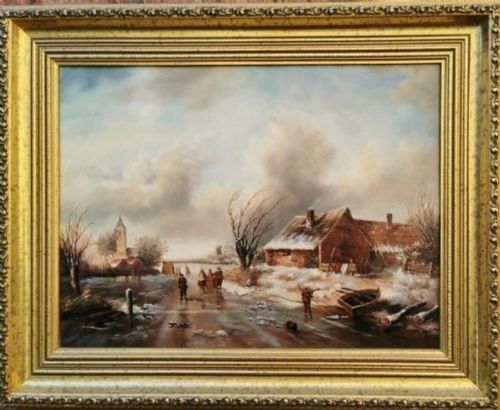
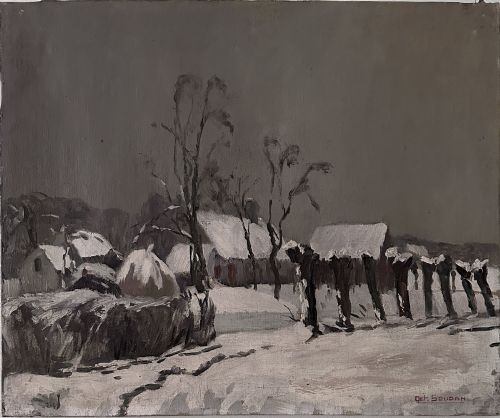
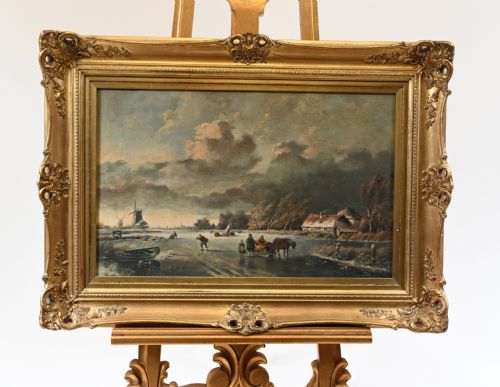
Vintage winter paintings encompass works portraying snow-covered landscapes, frozen waterways and rural winter scenes created across various periods from the nineteenth century into the mid-twentieth century. When searching for vintage winter paintings, buyers encounter diverse regional interpretations, ranging from British pastoral views to Dutch-inspired frozen landscape traditions.
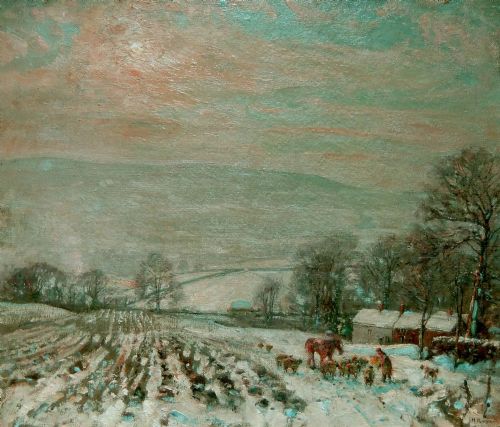
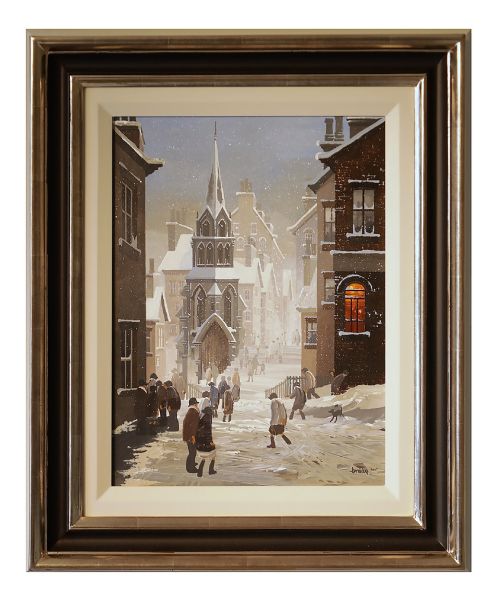
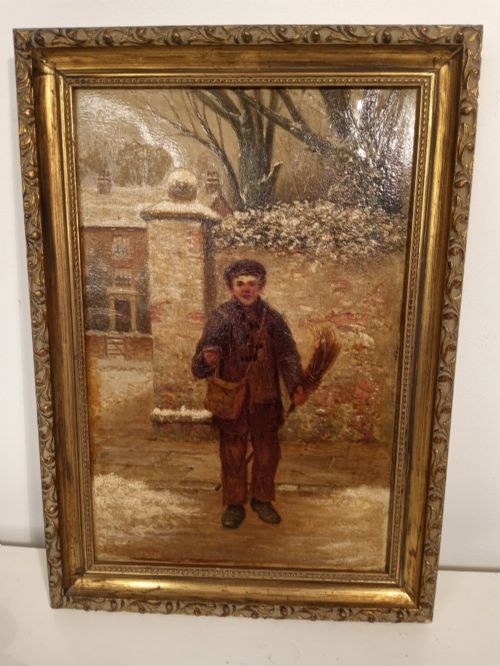
The selections span different scales and subjects, including village streets, pastoral fields with livestock, and coastal or river views rendered during colder months. These artworks reflect changing artistic approaches across decades, incorporating styles such as British Impressionism, Dutch Golden Age influences and Edwardian pastoralism.
Most pieces date from the early twentieth century through the nineteen-fifties, featuring both signed works by known artists and unsigned atmospheric studies. Common compositions depict figures skating on frozen lakes, snowy woodland tracks, and farmhouses under winter skies.
Materials and Technique
Artists relied primarily on oil paint applied to canvas, wood panels or board to build rich textures of snow and grey winter light. Canvas and wood provide sturdy supports for oil mediums, allowing artists to layer pigments and capture the dense, opaque quality of falling snow or frozen ground.
Watercolour on paper represents another frequent medium, utilised for transparent washes that render misty winter atmospheres, frost, and pale seasonal skies. Gilding often frames these works, enhancing the visual contrast of dark winter palettes with metallic borders.
Periods represented span from the nineteenth century through the nineteen-sixties and beyond.
Evaluating Quality
Quality rests in the artist's handling of light and shadow, particularly the subtle rendering of cold atmospheric tones rather than simple replication of a snowy scene. Superior works display confident brushwork or delicate washes that convey the specific chill and quiet of a winter day.
The distinction between standard decorative pieces and finer works lies in compositional depth, proportion, and the preservation of the original surface. Well-executed pieces capture mood and texture convincingly, using tone and pigment to establish a genuine sense of place and season.
Herbert Royle·Brian Shields Braaq·Thomas Hicks·Ernest Uden·William Tatton Winter·Pieter Cornelis Steenhouwer·Fred Lawson
The Vintage Winter Paintings Glossary
- British Impressionism
- A painting style focusing on light, loose brushwork, and everyday subjects developed by British artists influenced by French movements. It often appears in landscapes depicting shifting seasonal weather.
- Dutch Golden Age Style
- An artistic tradition characterised by realistic depictions of landscape, light, and domestic life, frequently referenced in winter scenes featuring frozen canals and skaters. This style emphasises careful perspective and atmospheric skies.
- Watercolour
- A paint consisting of pigment suspended in a water-based solution, applied to paper to create translucent layers. It is frequently chosen for delicate atmospheric winter views.
- Oil on Canvas
- A traditional medium involving pigmented oil applied to stretched woven fabric, valued for its durability and capacity to hold thick impasto textures. It allows artists to rework compositions and build deep colour tonalities.
Vintage Winter Paintings: Frequently Asked Questions
What subjects appear in winter paintings?
These artworks typically show snowy rural landscapes, frozen lakes with skaters, village streets, and agricultural scenes during colder months.
Artists frequently recorded pastoral English countryside views, Dutch waterways, and quiet woodland paths under snow.
How do I date a winter painting?
Dating relies on stylistic clues, framing methods, artist signatures, and materials such as canvas preparation or paper types.
Twentieth-century pieces often reflect modernist or impressionist tendencies, while nineteenth-century works display more traditional academic approaches.
Where were these winter scenes painted?
The works originate from various regions including Britain, the Netherlands, and North America, reflecting local topography.
British pieces often capture Yorkshire or southern landscapes, while Dutch-influenced works depict frozen canals and European villages.
How should I display a vintage painting?
Display paintings away from direct sunlight and excessive humidity to protect the canvas, paper, and pigments from fading.
Proper framing with suitable backing helps maintain the structural integrity of older oil and watercolour works.