


Vintage Wine Cistern
These vintage wine cistern pieces bring robust historical elegance to a room, offering both sculptural presence and functional depth.
Vintage Wine Cistern
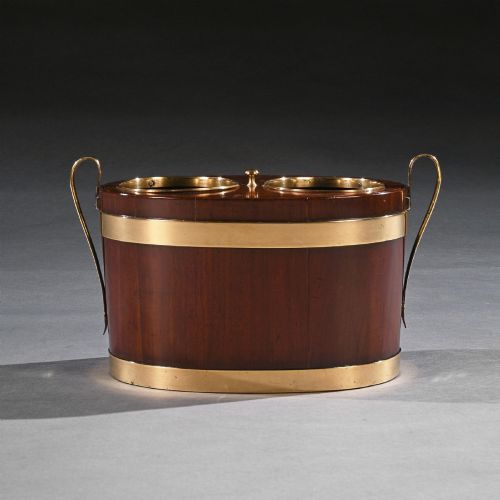
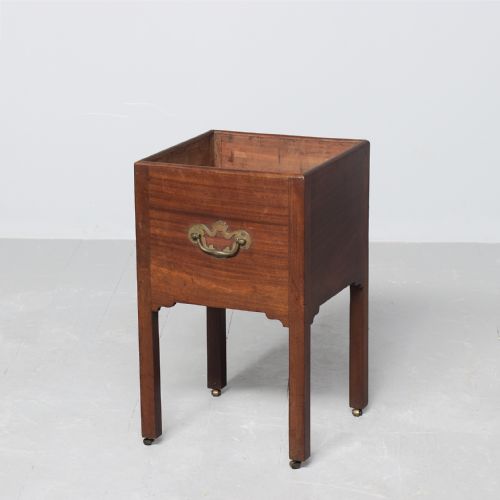
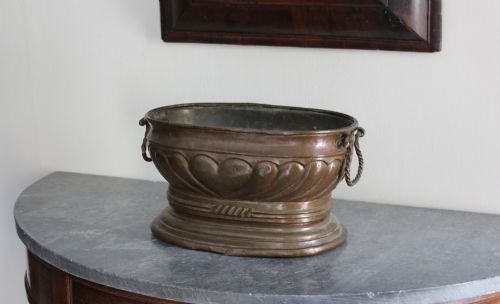
When you search for vintage wine cistern, you encounter substantial vessels designed to hold bottles and ice for dining service. The selection on this page centres on mahogany forms alongside copper, brass, and silver-plated vessels.
Most examples date from the eighteenth and nineteenth centuries, spanning Georgian, Regency, and Victorian periods. You will frequently meet oval and open configurations, often featuring distinct brass banding.
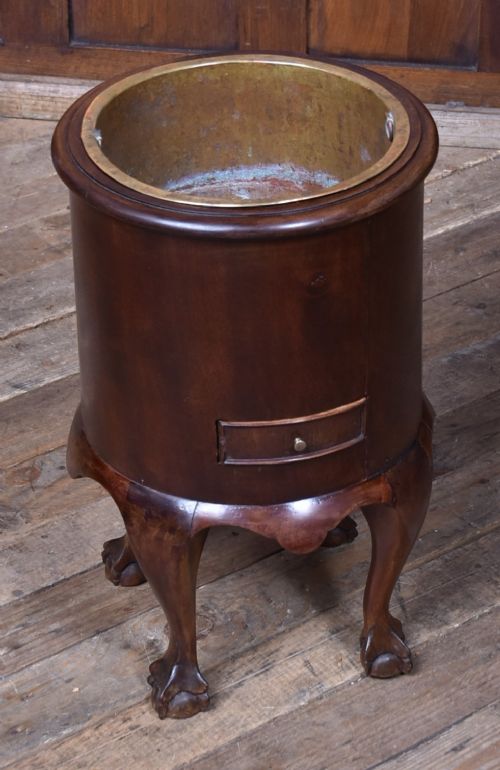
Beyond traditional dining use, several pieces double as jardinière stands or garden urns. These adaptable forms suit contemporary interiors as decorative planters just as readily as original serving functions.
How they were made
Cabinetmakers constructed the wooden vessels primarily from solid mahogany and walnut, employing tight joinery to withstand moisture. Metal components such as copper and brass were beaten, forged, and secured with structural bands.
Surface finishes relied on traditional polishing techniques that highlighted the natural grain of the timber. Silver plating and tin linings added protective layers and polished brilliance to the metal interiors.
Several mahogany wine vessels moonlighted as flower pots before dinner service even finished.
What varies in quality
The standard of timber selection largely dictates the visual merit of wooden pieces, with rich grain patterns commanding attention. Original metalwork integrity, including heavy brass bands and secure joints, separates finer workshop production from standard utility items.
Proportion and decorative restraint distinguish sophisticated period design from simpler later interpretations. The presence of integrated stands or specialist linings also alters the overall substance of individual examples.
Lipscombe And Co
The Vintage Wine Cistern Glossary
- Wine Cooler
- A vessel designed to chill bottles for the table. These items often take oval or urn shapes.
- Jardinière
- An ornamental stand or pot for holding plants. Several cisterns double in this secondary capacity.
- Brass Bound
- Construction reinforced with metal bands. This technique provides structural strength and decorative contrast.
- Old Sheffield Plated
- An early fused plating method using a silver sheet on a copper base. This technique creates a distinct layered appearance.
Vintage Wine Cistern: Frequently Asked Questions
What is a vintage wine cistern used for?
These vessels originally held ice and water to chill wine bottles during formal meals. Today, they serve equally well as decorative cachepots or plant stands.
Their generous internal capacity accommodates multiple bottles or large potted foliage with ease.
How do I identify a Georgian wine cistern?
Georgian examples frequently utilise solid mahogany with distinctive brass banding and characteristic oval proportions. Look for traditional joinery and period timber patination.
Stilder details often reflect eighteenth-century design canons associated with George III periods.
Can these cisterns be used outdoors?
Certain terracotta and metal variants suit sheltered garden settings, particularly those functioning as garden urns. Wooden pieces require indoor placement to protect timber integrity.
Environmental moisture levels dictate whether a specific material tolerates exterior display.
What is the difference between a cistern and a cellarette?
Cisterns typically function as open or semi-open vessels designed for direct ice cooling during dining. Cellarettes more often incorporate lockable compartments for secure bottle storage.
Both forms belong to the broader category of dining room refreshment furniture.