

Vintage White Pearls
These vintage white pearls range from delicate single strands to multi-row statement necklaces paired with precious metals and diamonds.
Vintage White Pearls
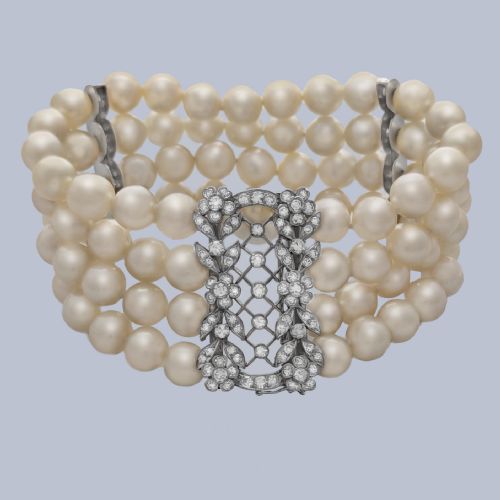
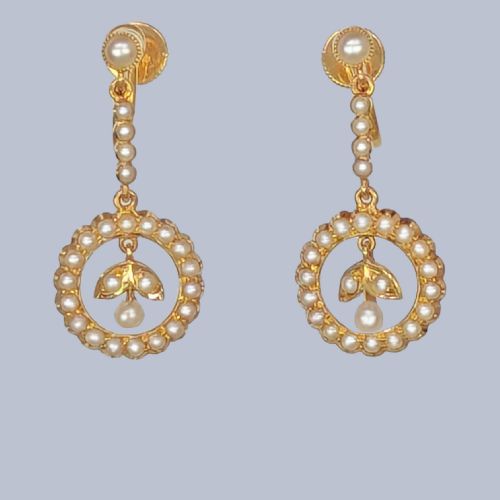
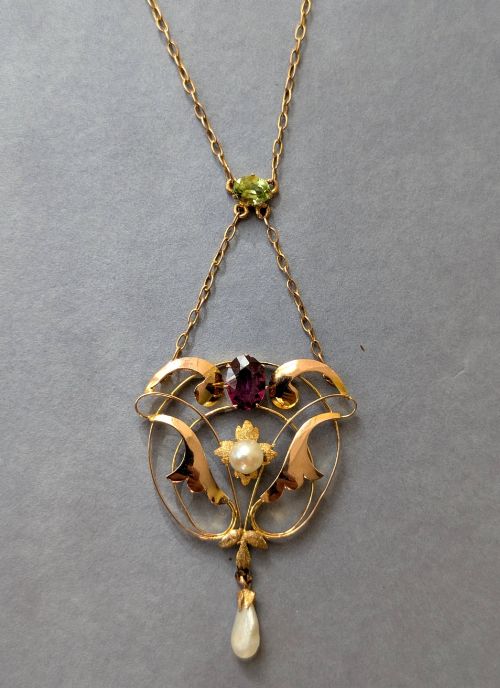
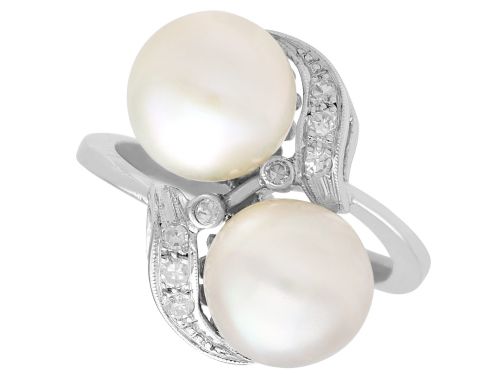
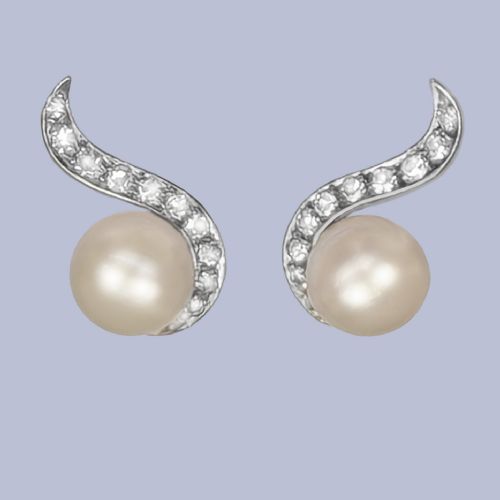
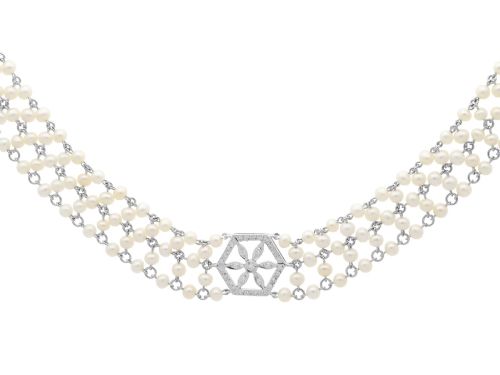
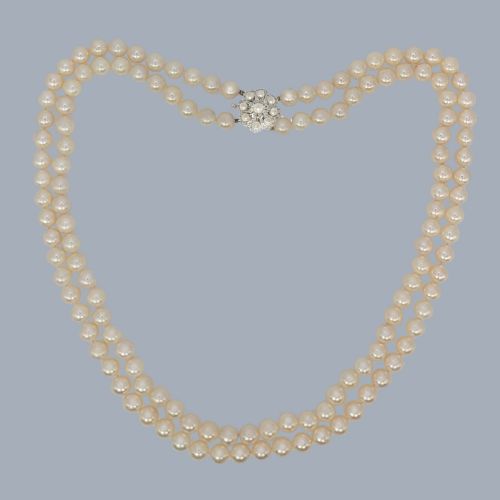
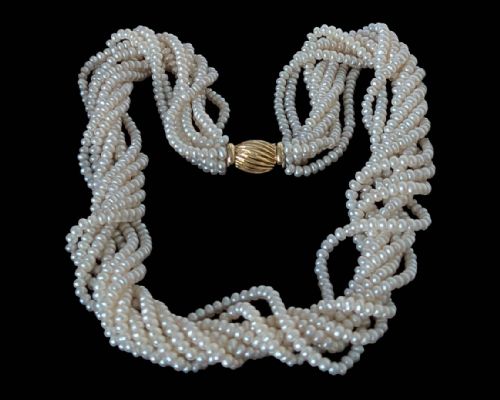
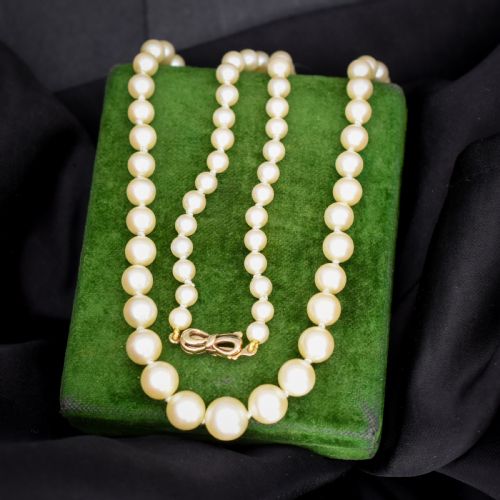
Vintage white pearls encompass an array of necklaces, bracelets, rings, and earrings spanning the Edwardian era through the mid-century period. Buyers seeking vintage white pearls will find multi-strand necklaces, chokers, and rope lengths alongside diamond-accented cocktail rings and stud earrings.
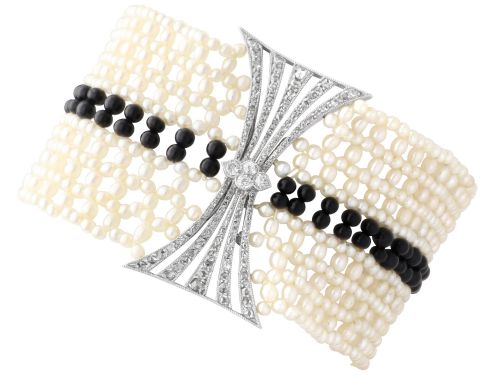
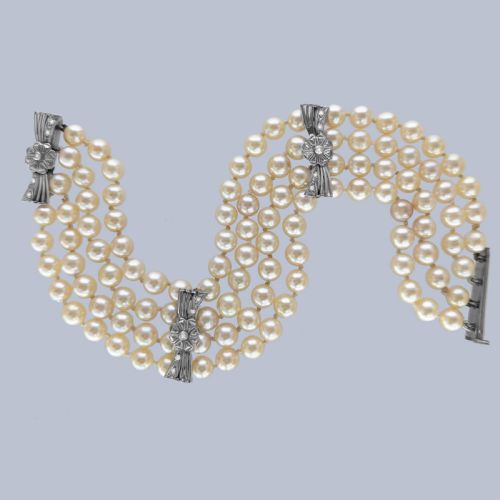
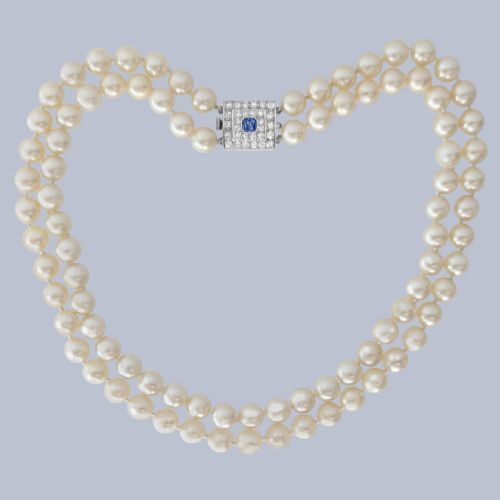
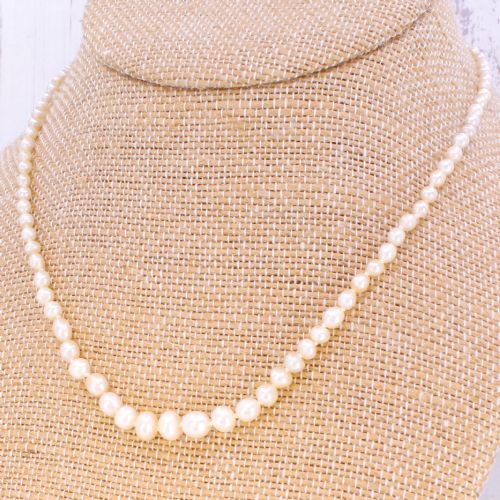
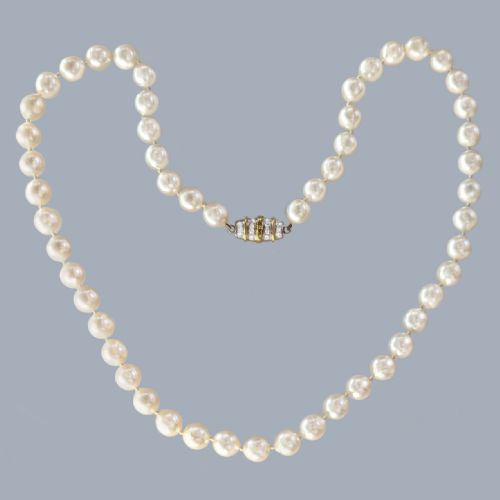
The pieces on this page heavily reflect the design aesthetics of the 1920s Art Deco movement and the 1950s, featuring cultured pearls, natural pearls, and freshwater seed pearls secured by clasps set with sapphires, jadeite, and diamonds.
How they were made
Craftsmen mounted pearls onto durable silk threads, frequently incorporating hand-knotting between individual beads to protect the string and prevent loss. Clasps were cast in platinum, 18ct white gold, 9ct gold, and silver, often utilising box or tongue mechanisms.
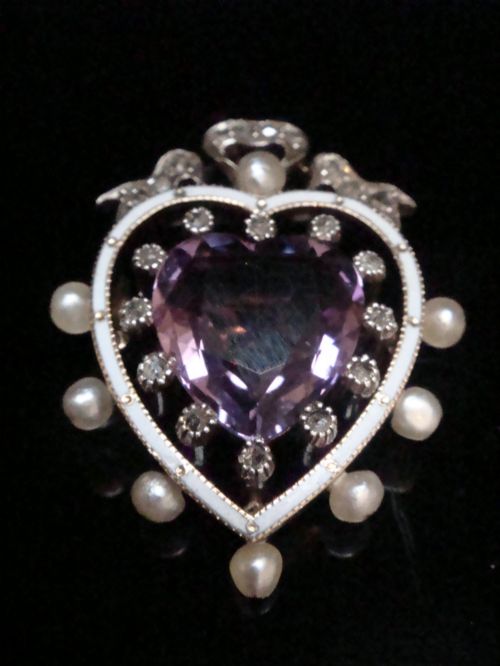
Goldsmiths and lapidaries integrated old-cut and rose-cut diamonds, calibré-cut sapphires, and guilloché enamel into floral, foliate, and geometric mountings that secured the main pearl strands or served as standalone ring settings.
Vintage White Pearls Retail Price Guide 2026
Typical asking prices for vintage white pearls among the pieces listed under this phrase on Sellingantiques today, from the lower quarter to the upper quarter. They describe what is for sale here now, not the wider market.
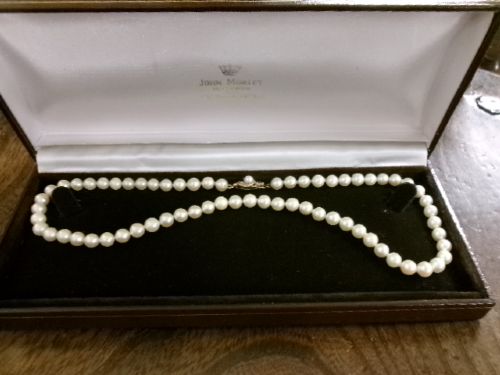
Several pearl necklaces arrive paired with original boxes, preserving decades of quiet anticipation inside their velvet folds.
What varies in quality
The overall standard is defined by the lustre, uniformity, and origin of the pearls, with natural saltwater specimens and certified cultured pearls holding distinct prominence over standard commercial grades. Metalwork execution also dictates value, where hand-finished platinum and high-carat white gold settings display superior structural refinement.
The Vintage White Pearls Glossary
- Cultured pearl
- Pearls formed through human intervention by inserting a nucleus into an oyster or mussel, allowing layers of nacre to accumulate over time. This method became widespread during the twentieth century.
- Nacre
- The iridescent organic-inorganic composite substance secreted by molluscs to form the inner layer of shells and the body of pearls. Its thickness largely determines a pearl's durability and deep lustre.
- Guilloché enamel
- A decorative technique where a precise geometric pattern is mechanically engraved into a metal surface beneath a translucent layer of coloured enamel. It appears frequently on Edwardian pieces.
- Old-cut diamond
- A diamond cut by hand before modern symmetrical standards were established in the twentieth century, typically characterised by a smaller table, higher crown, and open culet. These stones reflect candlelight warmly.
- Choker
- A close-fitting necklace designed to sit high on the neck, commonly measuring between fourteen and sixteen inches in length. This silhouette enjoyed notable popularity during the mid-century period.
Vintage White Pearls: Frequently Asked Questions
How do I care for vintage pearls?
Vintage pearls require gentle handling because organic nacre is sensitive to acids, cosmetics, and perfumes. Wipe them softly with a damp cloth after wearing and store them flat away from other jewellery to prevent scratching.
Silk threads stretch and weaken over decades, so valuable necklaces benefit from professional inspection and occasional restringing. Keeping them in breathable fabric pouches rather than sealed plastic preserves their natural moisture.
What is the difference between cultured and natural pearls?
Natural pearls form entirely by chance when an irritant enters a mollusc in the wild without human assistance. They appear rarely in antique inventories and command significant attention from collectors.
Cultured pearls share the identical chemical composition as natural pearls but begin their growth through deliberate human seeding. Most vintage pearl necklaces from the mid-century era utilise cultured pearls.
How can I date a pearl necklace?
Dating relies heavily on the design of the clasp, the mounting style, and the overall length of the strand. Art Deco pieces from the 1920s often display geometric platinum settings, while 1950s examples frequently feature white gold floral or foliate clasps.
Hallmarks stamped on gold or platinum mountings provide official assay office symbols and date letters that pinpoint the exact year of manufacture. Original boxes and gem certificates also help establish a secure timeline.
Can pearl rings be worn daily?
Pearl rings require mindful care during everyday wear because pearls possess a lower hardness rating than diamonds or sapphires. Knocking the ring against hard surfaces can scratch the delicate nacre or loosen the setting.
Choosing a cocktail ring featuring bezel or cluster protection helps shield the pearl from impact. Many owners reserve these pieces for special occasions to preserve their pristine surface.