
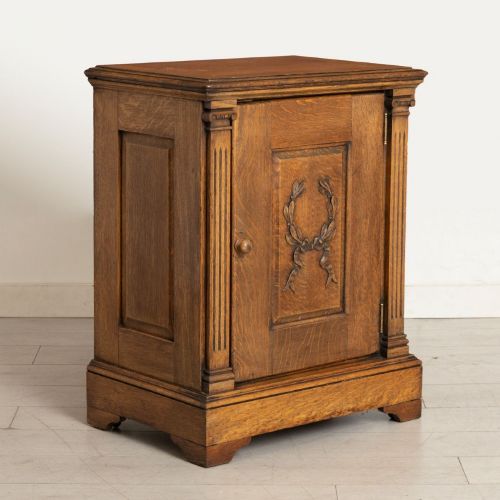


Vintage Washstand Cabinet
A vintage washstand cabinet brings period craft and daily utility to the bedroom, combining timber frames with marble tops and enclosed storage.
Vintage Washstand Cabinet
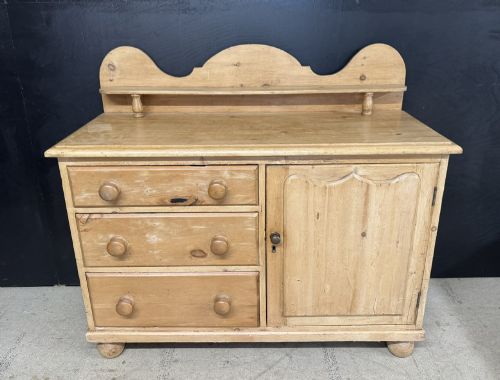
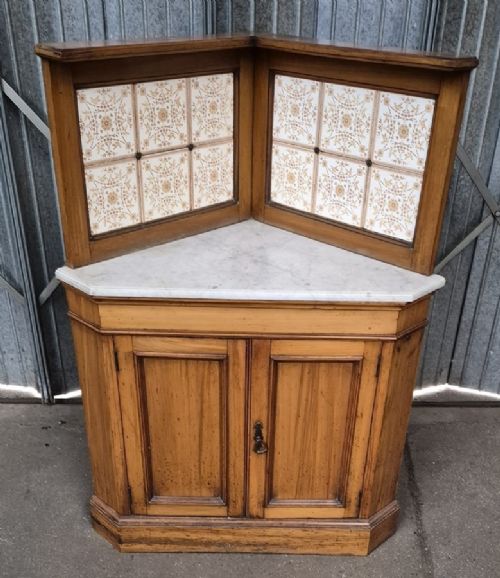
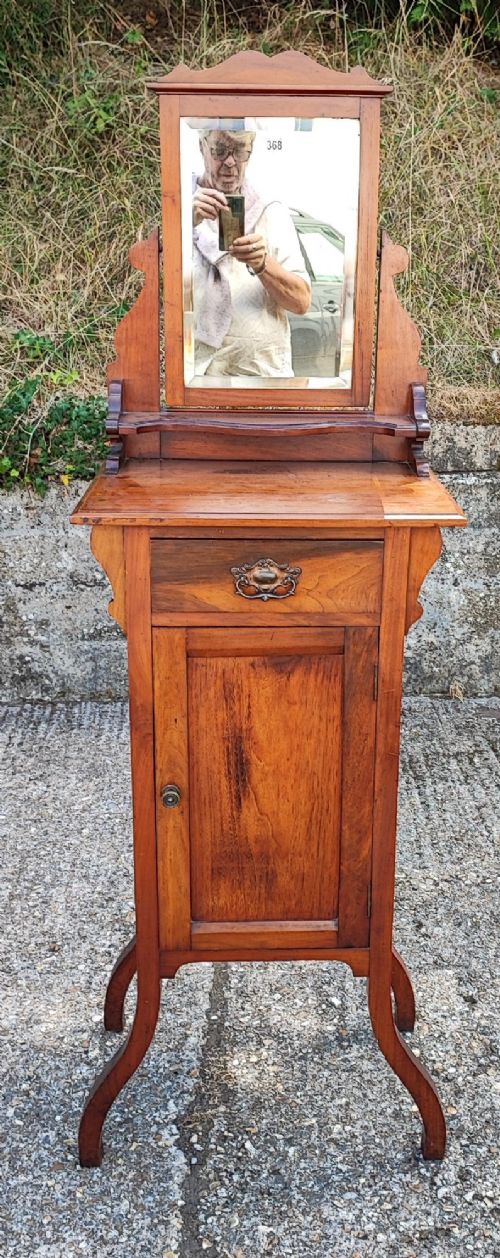
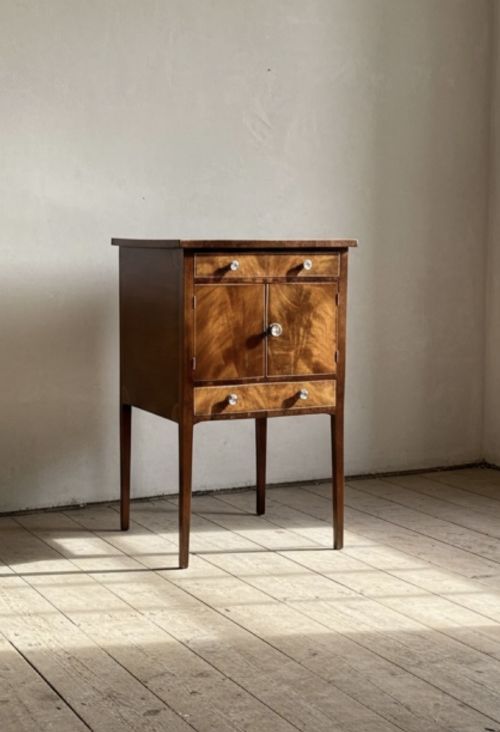
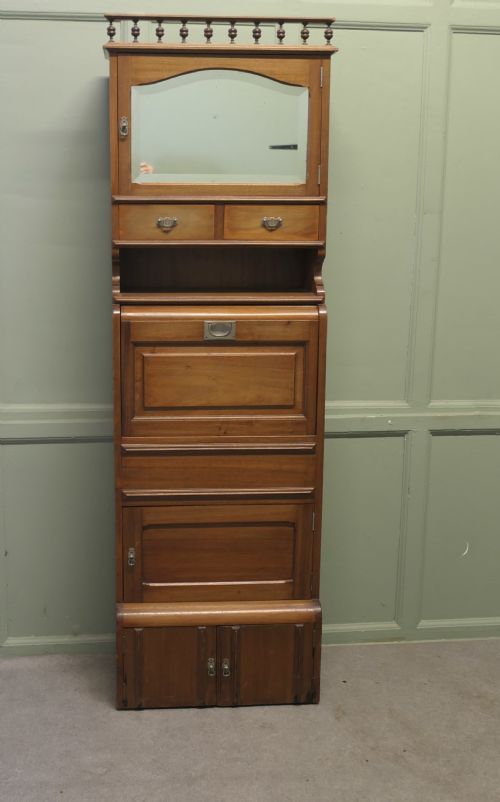
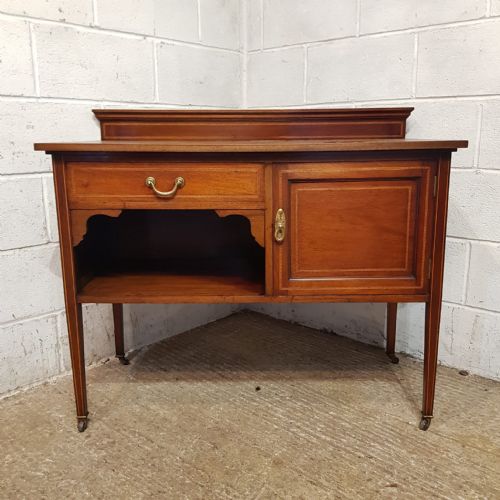
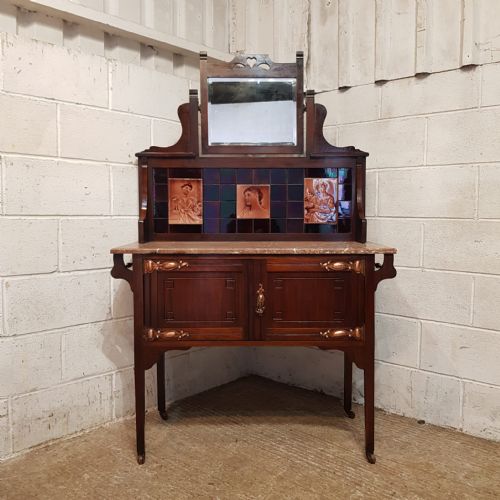
When you search for a vintage washstand cabinet, you encounter sturdy pieces designed for personal hygiene before plumbed bathrooms became standard in every home. These functional items range from compact campaign forms and corner units to large marble-topped bedroom fixtures featuring tiled backs and cupboard doors.
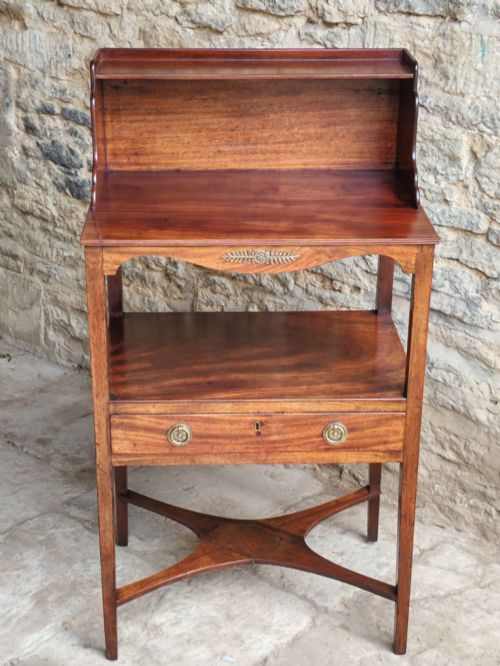
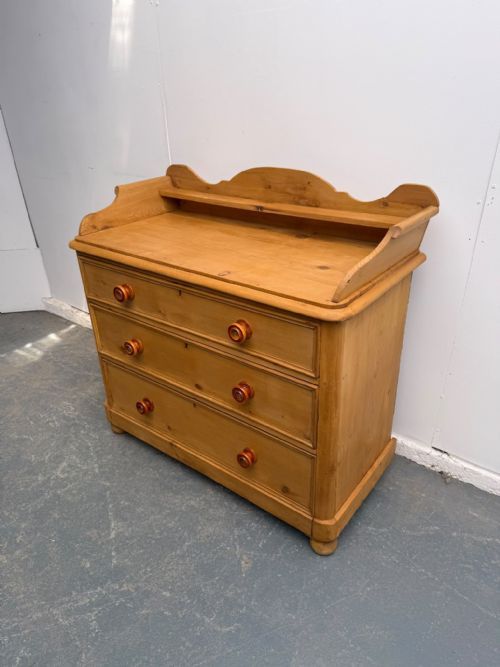
The versions most frequently met on this page date from the Victorian and Edwardian eras, alongside pieces originating in the Georgian period and around nineteen hundred. They appear in diverse regional guises, including French provincial designs, rustic pine constructions, and refined English mahogany iterations.
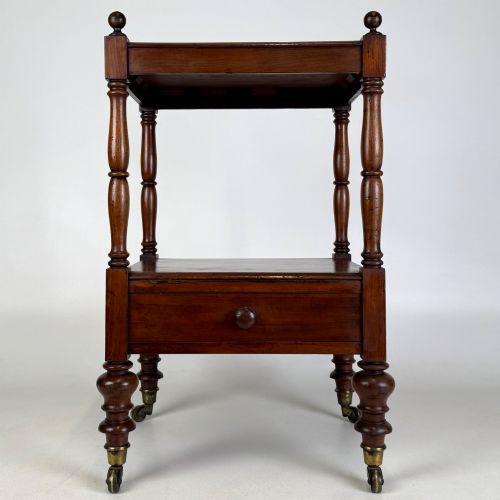
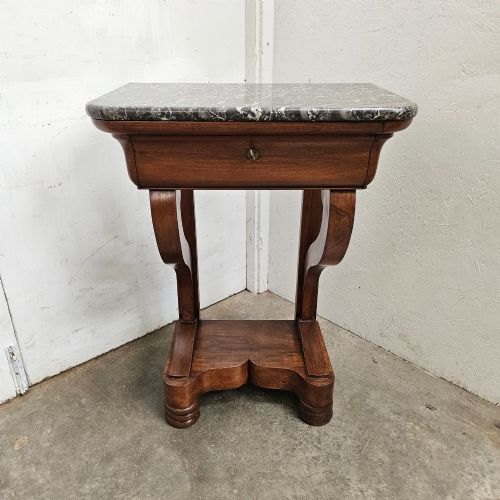
Beyond traditional washstands, the selection encompasses related bedside tables, shaving stands, and small cabinets that served similar domestic routines. Each object reflects the changing demands of bedroom furnishing across the nineteenth and early twentieth centuries.
How they were made
Cabinetmakers utilised dense hardwoods such as mahogany, walnut, and satinwood alongside softer timbers like pine and oak to construct the foundational frames. These woods were frequently polished, waxed, or inlaid to display rich grain patterns and decorative surface details.
Heavy slabs of marble or rouge marble were integrated into the upper surfaces to withstand water splashes and daily washing routines. Ceramic basins, glass components, and brass hardware completed the construction, adding functional utility and visual contrast to the timber.
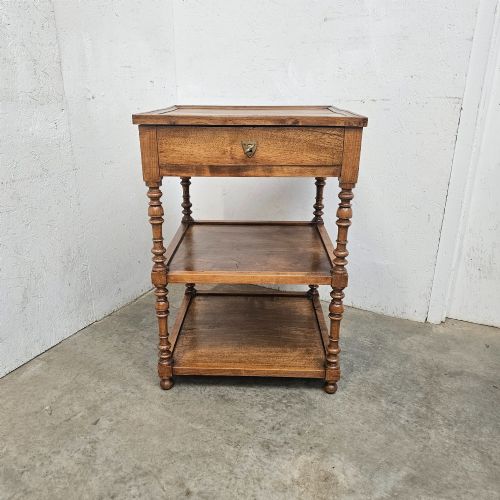
Object forms on this page range from traditional washstands and shaving stands to bedside tables, campaign chests, console tables, and etageres.
What varies in quality
The distinction between standard examples and superior pieces rests upon the selection of timber and the sophistication of the joinery. Fine furniture employs choice flame mahogany or meticulous satinwood inlay, whereas simpler utility items rely on plain pine or basic oak.
The integration of heavy materials like marble tops and turned legs demonstrates the maker's skill and ambition. Superior pieces exhibit balanced proportions, refined decorative carving, and intact original hardware that elevate the object beyond basic domestic utility.
Walker And Sons·James Shoolbred·Gillows
The Vintage Washstand Cabinet Glossary
- Campaign washstand
- A portable piece designed for travel or military use, typically featuring folding elements and compact dimensions for easy transport.
- Marble top
- A stone slab fitted to the upper surface of a washstand to provide a durable, water-resistant area for basins and ewers.
- Shaving stand
- A specialised cabinet or table equipped with mirrors and small compartments intended for a gentleman's morning grooming routine.
- Satinwood
- A lustrous, yellow-toned timber frequently used for delicate stringing, banding, and surface inlay on finer Edwardian and Victorian furniture.
- Etagere
- An open set of slender shelves designed for displaying small decorative objects, occasionally appearing alongside allied bedroom storage furniture.
Vintage Washstand Cabinet: Frequently Asked Questions
What is a vintage washstand cabinet used for today?
These cabinets serve readily as distinctive bathroom vanities, hallway storage units, or bedside tables in contemporary homes. Their enclosed cupboards and stone surfaces offer practical utility while introducing period character to modern interiors.
Buyers often repurpose the lower storage spaces for linens or toiletries. The upper surfaces accommodate decorative items, lamps, or washbasins depending on the configuration of the specific piece.
How do I identify a Victorian washstand?
Victorian examples frequently combine substantial mahogany or walnut timbers with heavy marble tops and tiled splashbacks. They often feature panelled cupboard doors and turned wooden legs that reflect mid to late nineteenth-century tastes.
Earlier pieces from this era may display simple geometric lines, while later iterations incorporate Arts and Crafts influences or rich inlay work. Examining the interior construction and secondary timbers helps confirm the nineteenth-century origin.
Were these cabinets designed for bedrooms?
Original placement was primarily in bedrooms, dressing rooms, or dedicated wash chambers before houses featured integrated plumbing. They held the washbasin, pitcher, and personal grooming articles required for morning routines.
Some specialised variants, such as shaving stands, were tailored specifically for gentlemen's use. Others, like corner washstands, were engineered to maximise space in smaller townhouses or chambers.
How do Georgian and Edwardian washstands differ?
Georgian washstands tend to be lighter, more architectural forms in mahogany, sometimes featuring clever folding tops designed for campaign use or discreet bedside placement. They emphasise clean classical proportions and understated elegance.
Edwardian pieces are often larger and more elaborate, frequently combining walnut frames with extensive marble surfaces, decorative tiles, and satinwood inlay. These later cabinets reflect a growing emphasis on bedroom suite uniformity and domestic comfort.