


Vintage Walnut Storage Box
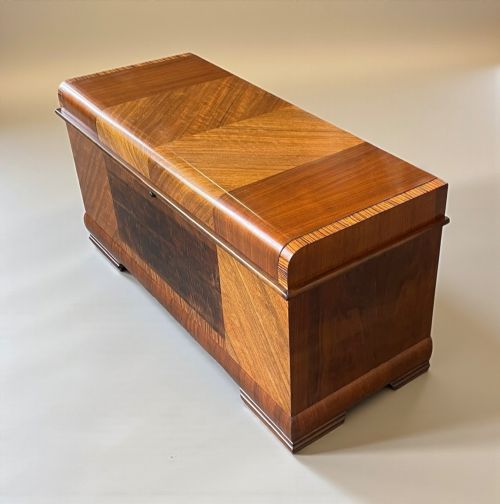
A vintage walnut storage box brings rich dark grain and enduring practicality into a room.
Vintage Walnut Storage Box
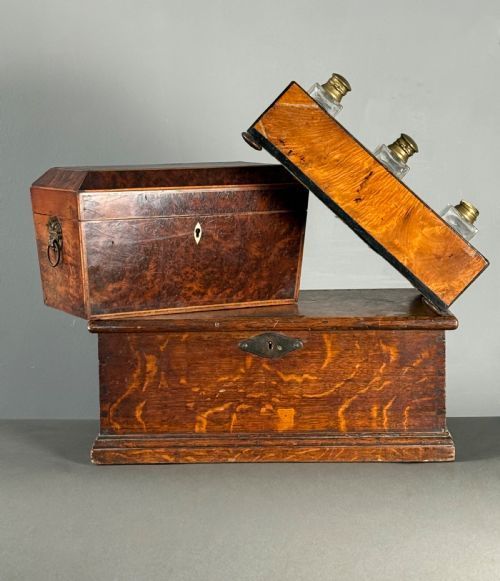
When you search for a vintage walnut storage box, you encounter a wide variety of domestic containers spanning multiple centuries. These range from compact tea caddies and cigar humidors to larger coffers, trunks, and music cabinets made from timber with distinctive figure.
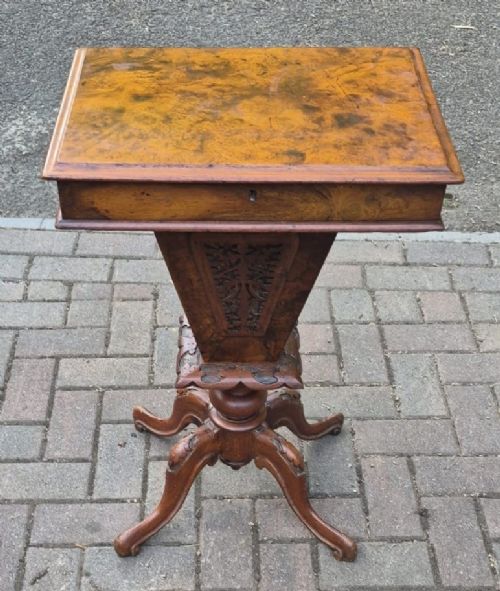
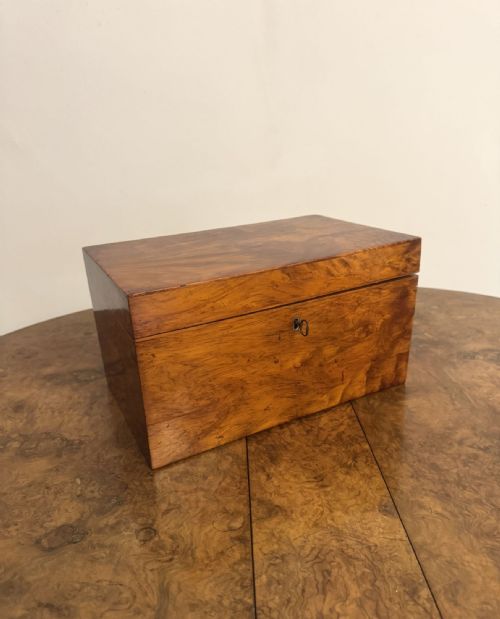
The pieces represented on this page stretch from the Georgian and Regency periods through the Victorian and Edwardian eras into the 1930s Art Deco movement. You are most likely to meet Victorian burr walnut examples designed for stationery, trinkets, or sewing.
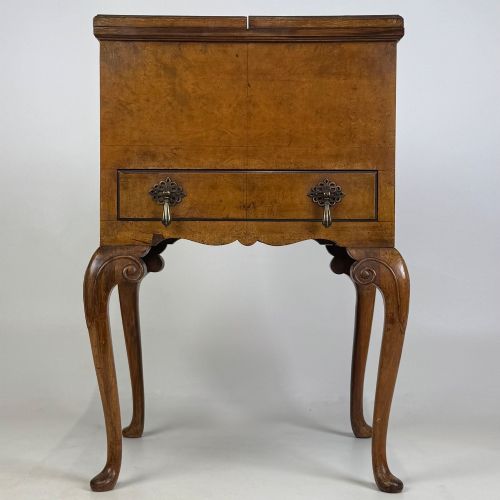
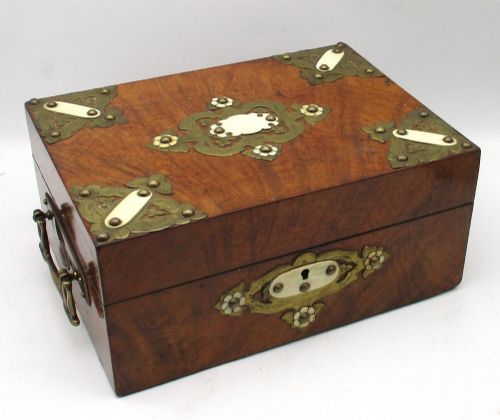
Form follows function closely across these objects, whether they take the shape of a table box with brass mounts, an inlaid games box, or a dough bin. Each iteration reflects the prevailing domestic habits of its period, prioritising secure containment and display.
Materials and construction methods
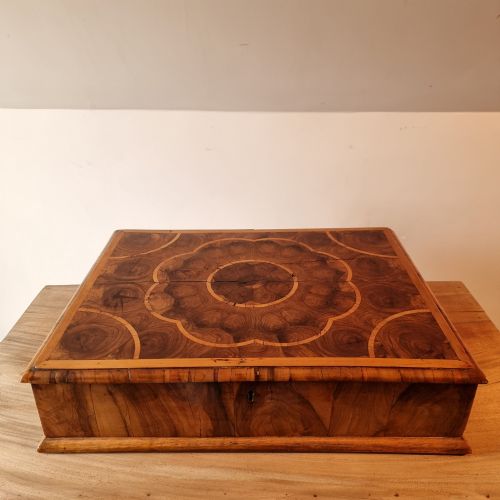
Cabinet makers utilised solid walnut and decorative burr walnut veneers applied to secondary woods to achieve rich patterned surfaces. Many pieces incorporate contrasting stringing, boxwood, bone, or mother of pearl details within parquetry and inlay work.
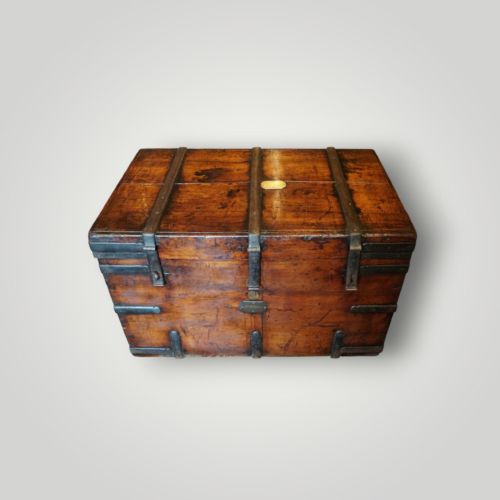
Hardware played a structural and decorative role, with brass handles, hinges, locks, and iron banding providing reinforcement and contrast to the dark timber. Interiors frequently featured fitted compartments, velvet or silk linings, and specialised storage for specific domestic items.
One unexpected box once carried the military papers of a Waterloo commissary general bound in heavy iron.
Distinctions in quality and execution
Quality reveals itself in the selection of the walnut timber and the skill of the veneer matching across the surfaces. Finer boxes display symmetrical burr patterns and precise inlay, whereas simpler iterations rely on plain grain without embellishment.
The integrity of the construction, the smooth operation of drawers and fall-fronts, and the survival of original brassware or working keys separate superior examples from more utilitarian containers. Original fitted interiors add considerably to the integrity of a piece.
Waring & Gillow
The Vintage Walnut Storage Box Glossary
- Burr walnut
- A prized veneer taken from the gnarled growth of a walnut tree, yielding swirling, knotty patterns. It was heavily favoured by Victorian cabinet makers for decorative surfaces.
- Tea caddy
- A small container originally built to store loose tea leaves securely under lock and key. Georgian and Regency examples often feature internal compartments.
- Coal purdonium
- A specialised household box or scuttle designed for storing domestic fuel by the fireside. They frequently incorporate brass handles and drop-front mechanisms.
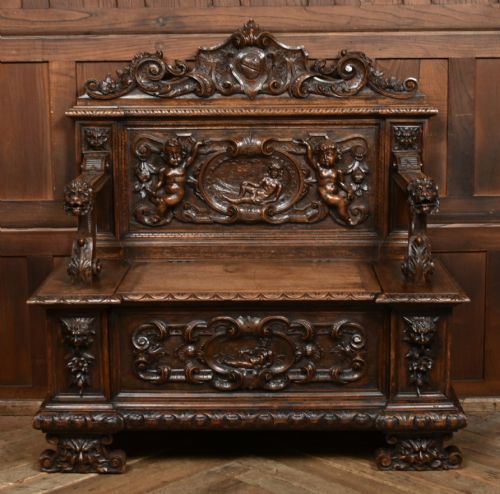
- Cassapanca
- A traditional Italian wooden bench featuring a deep storage chest beneath the seat. Examples are carved from walnut and combine seating with heavy storage capacity.
- Parquetry
- A geometric mosaic of wood pieces used for decorative veneer on boxes and games tables. Makers used contrasting timbers like boxwood to achieve crisp visual patterns.
Vintage Walnut Storage Box: Frequently Asked Questions
How do I date a walnut storage box?
Dating relies on observing construction methods, timber choices, and stylistic cues such as Regency parquetry or Art Deco geometric lines. Secondary woods and hardware also offer clear chronological clues.
Examining interior linings and lock mechanisms helps narrow down the decade of manufacture when exterior decoration spans multiple traditional periods.
Were these boxes always used for tea?
Tea caddies formed a specific category intended for expensive tea leaves, often featuring internal lidded canisters and lockable lids. Other boxes served entirely different domestic purposes.
Many containers were built as sewing tables, cigar humidors, music cabinets, or general trinket boxes rather than holding provisions for the tea table.
How should I care for vintage walnut timber?
Walnut benefits from stable room environments away from direct sunlight and extreme humidity changes to prevent timber movement and veneer lifting. Gentle dusting maintains the surface finish.
Periodic application of appropriate wax polish preserves the natural lustre of the wood without building up heavy chemical layers over the grain.
What is the difference between a coffer and a box?
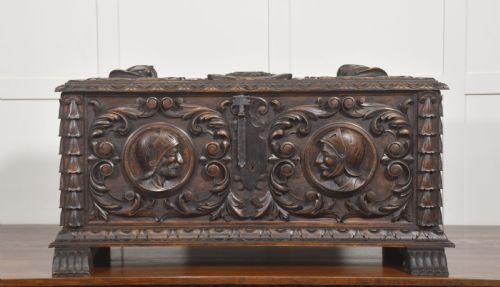
A coffer typically denotes a larger, heavy chest constructed for substantial storage, sometimes featuring iron bands or carved figural medallions. Boxes are generally smaller tabletop or portable items.
While both utilise walnut construction, coffers served as major furniture items in rooms, whereas smaller boxes sat on tables, desks, or dressing drawers.