


Vintage Walnut Frame
These vintage walnut frame pieces range from stately Victorian seating to striking Art Deco beds, bringing rich timber grain and classic craftsmanship to any room.
Vintage Walnut Frame
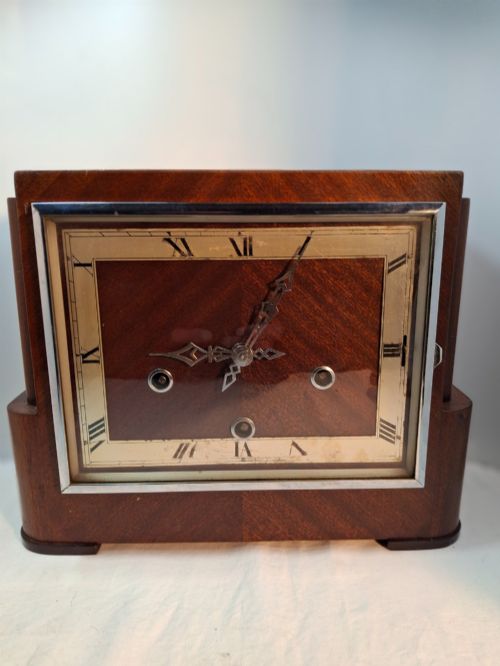
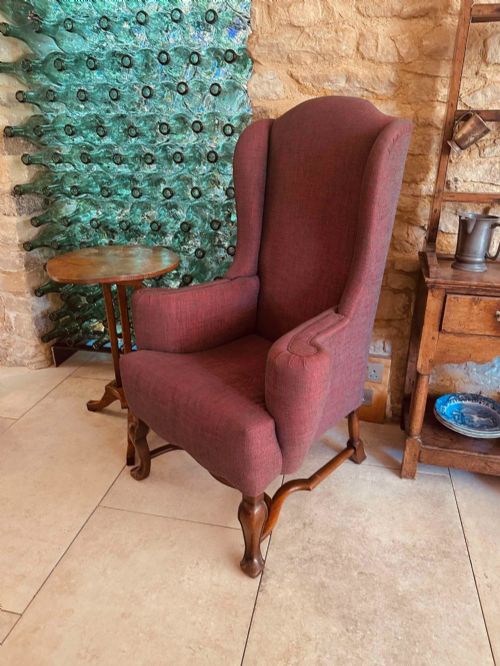
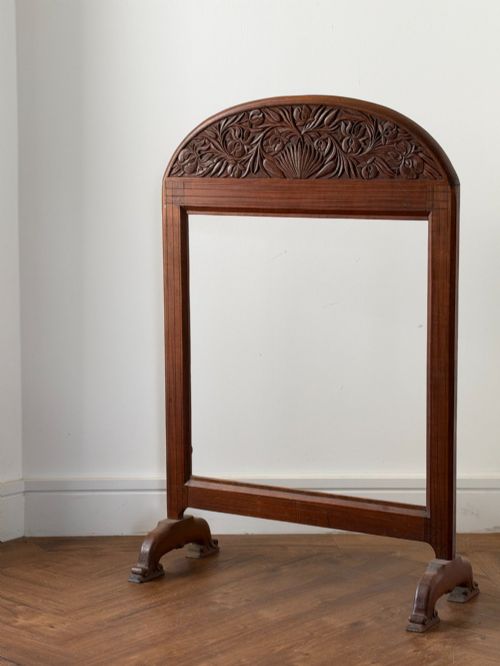
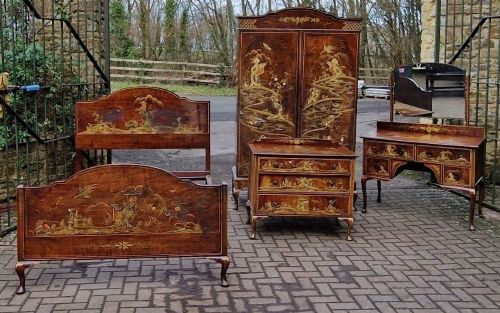
A vintage walnut frame search reveals a diverse collection of domestic furniture and mirrors built around exposed timber structures. These pieces span centuries of design, covering the eighteenth, nineteenth, and early twentieth periods.
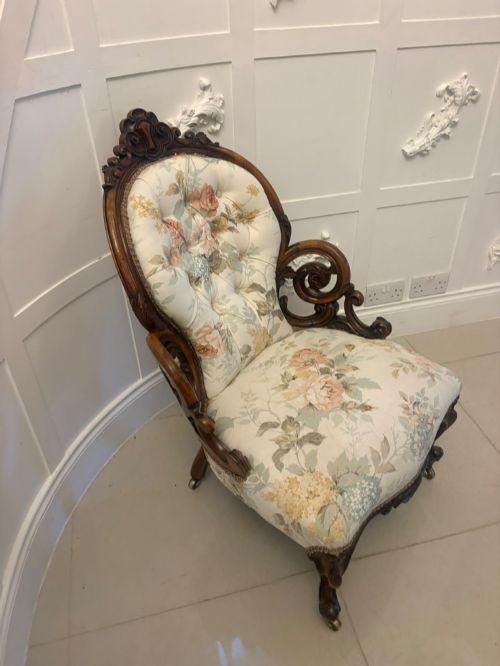
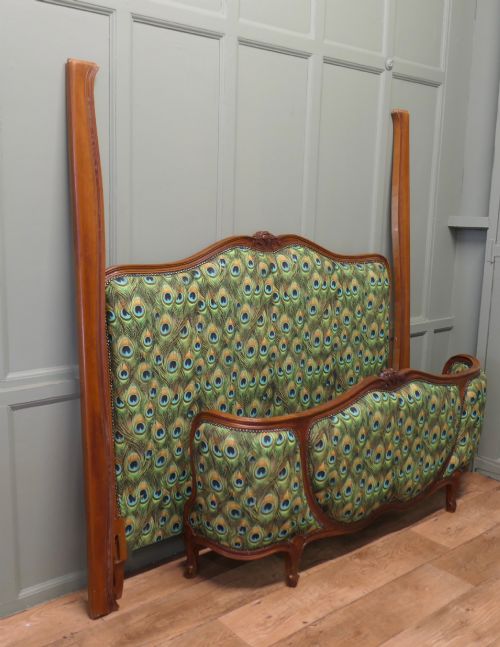
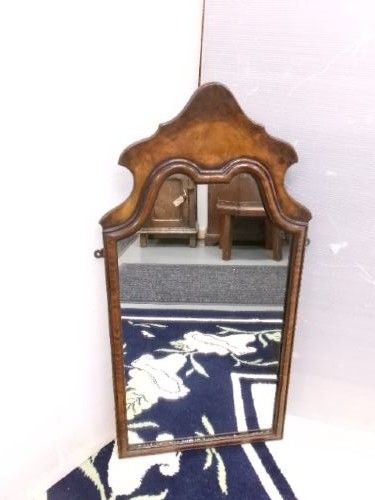
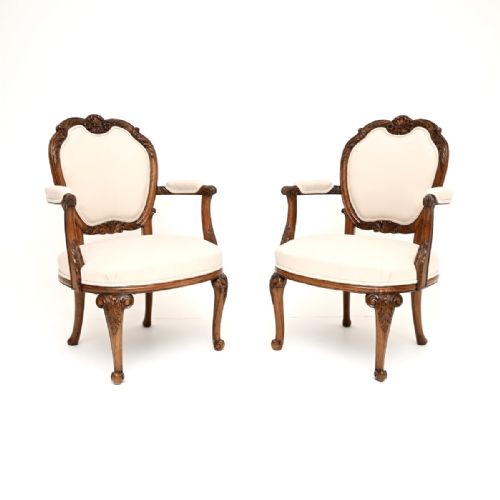
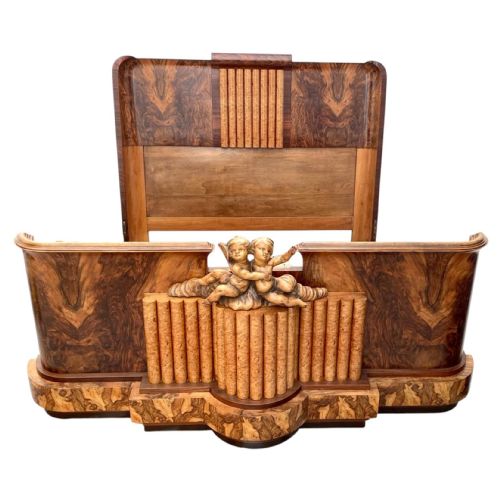
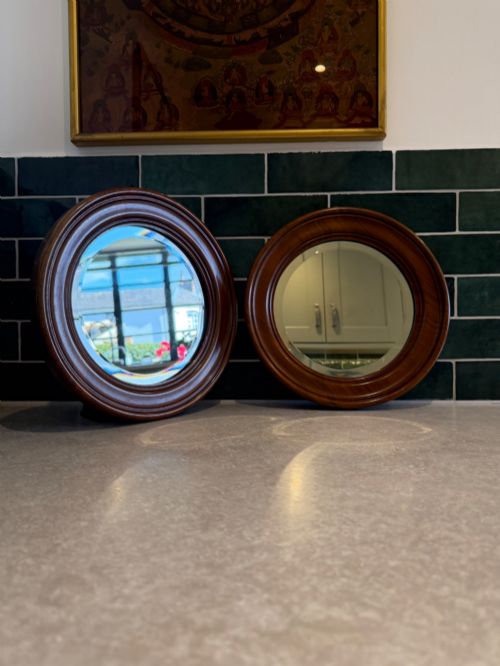
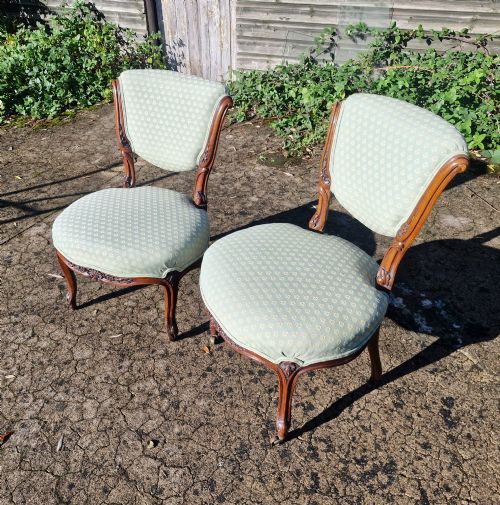
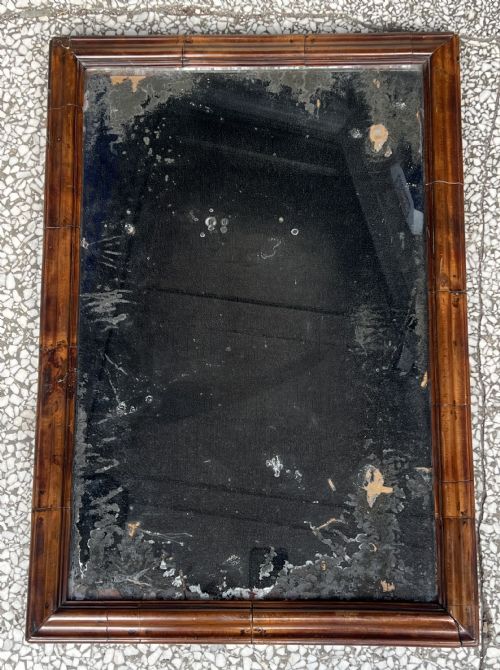
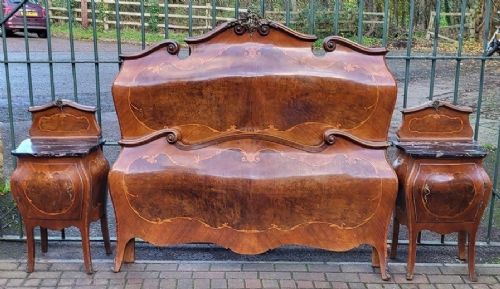
The most common forms meeting this description are substantial bed frames, bedroom suites, wall mirrors, and salon armchairs. Examples incorporate styles from Queen Anne revival and French Rococo to geometric Art Deco and Edwardian classicism.
Origins stretch across Britain, France, Italy, and India, reflecting varied regional tastes in cabinet making. Buyers encounter everything from carved wall-mounting bookcases to upholstered sofas and bergere easy chairs.
Materials and construction methods
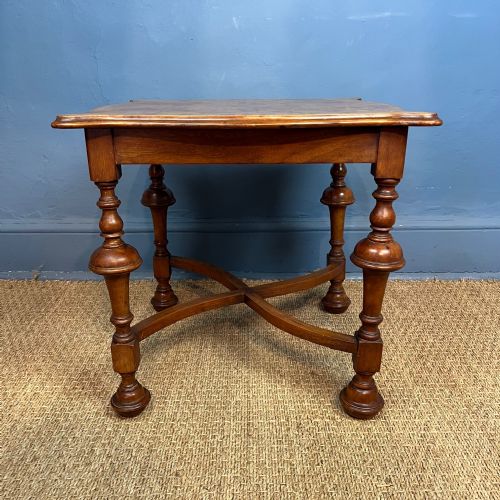
Makers utilised solid walnut and figured burr walnut veneers over secondary timbers to achieve rich, patterned surfaces. Glass appears frequently in mirrors and brass or iron accents support structural joints on larger items.
Carving, turning, and ebonising techniques shape the timber frames, particularly on chairs, mirrors, and bed headboards. Cabinet makers applied polished finishes to accentuate the natural grain variations of the wood.
Vintage Walnut Frame Retail Price Guide 2026
Typical asking prices for vintage walnut frame among the pieces listed under this phrase on Sellingantiques today, from the lower quarter to the upper quarter. They describe what is for sale here now, not the wider market.
The listings on this site combine solid timber and veneered walnut forms, spanning periods from the eighteenth century to nineteen-thirty.
Judging quality in walnut furniture
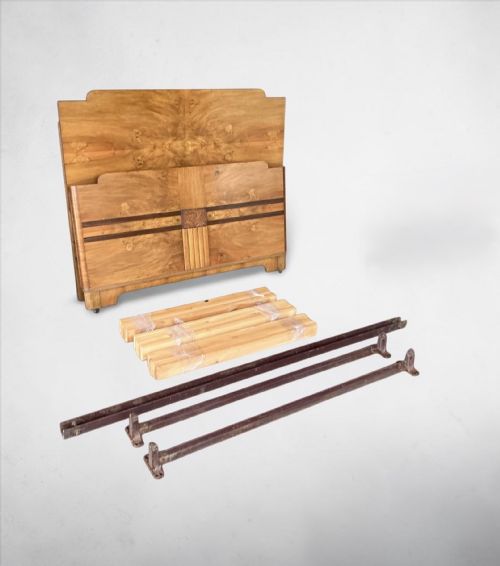
Quality depends heavily on the selection and matching of the walnut timber veneer across prominent surfaces. Superior examples display symmetrical grain patterns, particularly with burr walnut, while lesser pieces rely on plain or uniform timber.
The crispness of hand-carved details and the structural integrity of joints define the maker's skill. Finer pieces maintain robust joinery in load-bearing sections like bed frames and armchair legs without relying on excessive modern reinforcement.
Hille·Waring & Gillow England
The Vintage Walnut Frame Glossary
- Burr walnut
- A highly prized wood veneer taken from the warted growths on walnut trees, showing swirling, intricate grain patterns. It often covers the primary surfaces of high-status Edwardian and Art Deco beds and cabinets.
- Trumeau mirror
- A decorative wall mirror featuring an upper panel of artwork or carving integrated into the frame. These tall French pieces commonly date from the nineteenth century.
- Bergere
- An enclosed upholstered armchair with exposed wooden framing and woven cane panels on the sides and back. This style appears frequently in walnut frame seating from the nineteen-twenties.
- Cabriole leg
- A furniture leg that curves out and then narrows inward, terminating in a pad, claw, or scroll foot. This shape is characteristic of Queen Anne style and eighteenth-century inspired pieces.
- Ebonised
- Timber treated with a dark stain or chemical finish to imitate ebony. It provides stark contrast against natural walnut on mirrors and decorative frames.
Vintage Walnut Frame: Frequently Asked Questions
How do I date a walnut frame?
Dating relies on observing stylistic markers, construction joints, and timber preparation methods. Victorian and Edwardian examples show machine assistance alongside hand shaping, whereas eighteenth-century pieces display entirely hand-wrought joinery.
The choice of veneer and decorative motifs also shifts across eras, moving from ornate carved Rococo revival details to clean geometric Art Deco lines by nineteen-thirty.
Are walnut bed frames structurally sound?
Walnut is a dense, durable hardwood that provides a stable structural skeleton for large furniture pieces like super king and double beds. Proper joinery ensures these antique and vintage frames withstand daily domestic use.
Buyers should inspect the connection points where side rails meet headboards and footboards to ensure the timber remains firm and unaltered.
What is burr walnut?
Burr walnut is harvested from the gnarled growth on walnut trees, producing a dense cluster of swirling growth rings. Cabinet makers slice this timber into thin decorative veneers for prominent areas on beds and cabinets.
Its striking patterns make it a defining feature of luxury Edwardian and Art Deco bedroom suites.
How do I care for vintage walnut furniture?
Maintenance involves keeping timber away from direct sunlight and fluctuating heat sources to prevent the walnut veneer from drying or splitting. Regular dusting with a soft, dry cloth preserves the polished surface.
Applying occasional wax feeds the wood and maintains its natural lustre without sealing the grain.