


Vintage Wall Unit
These vintage wall units span centuries of practical storage, bringing warmth and character to any room.
Vintage Wall Unit
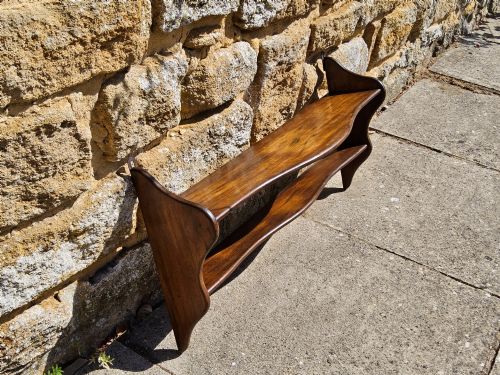
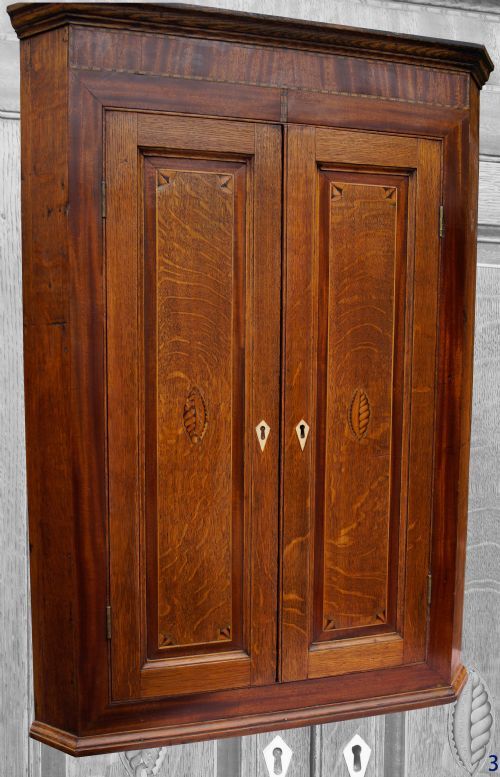
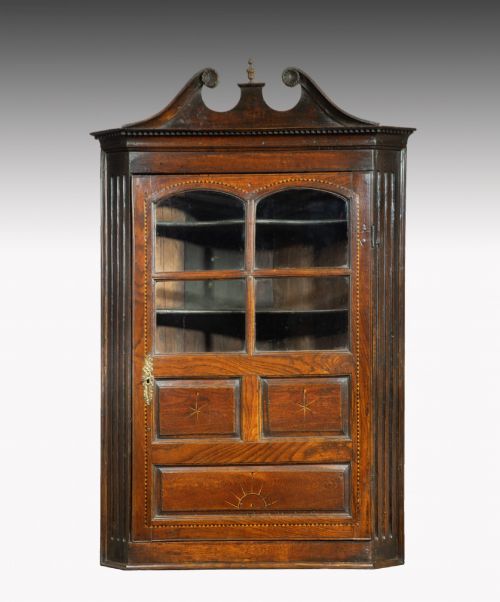
When you search for a vintage wall unit, you are looking at practical storage pieces designed to mount on walls or fit into corners, ranging from open display shelves to enclosed cupboards. The pieces gathered here span centuries of design, reflecting how different eras solved the perennial problem of wall storage.
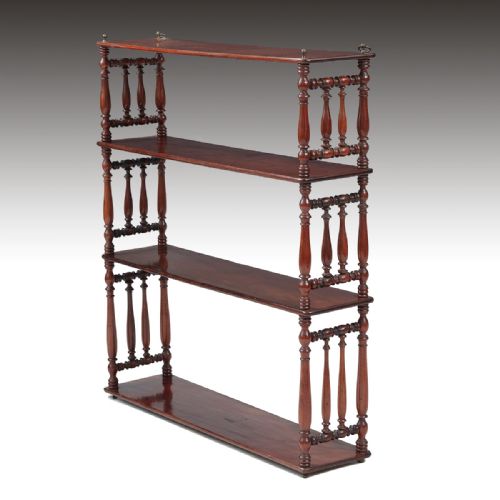
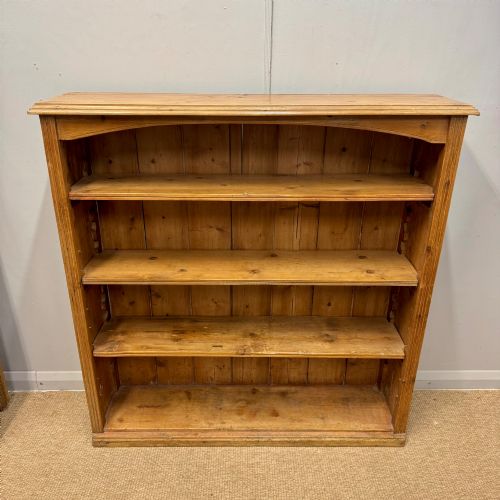
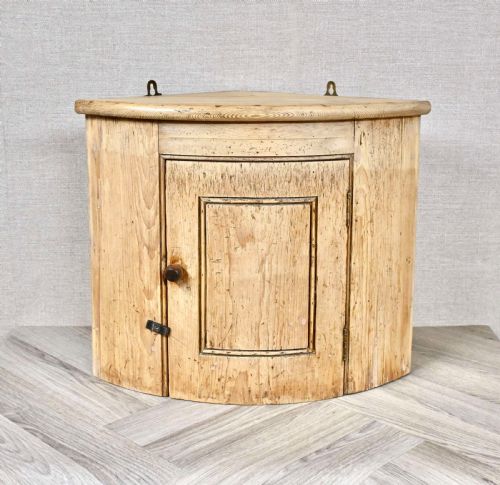
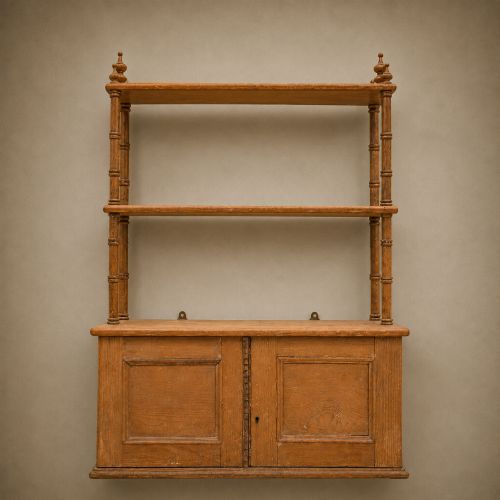
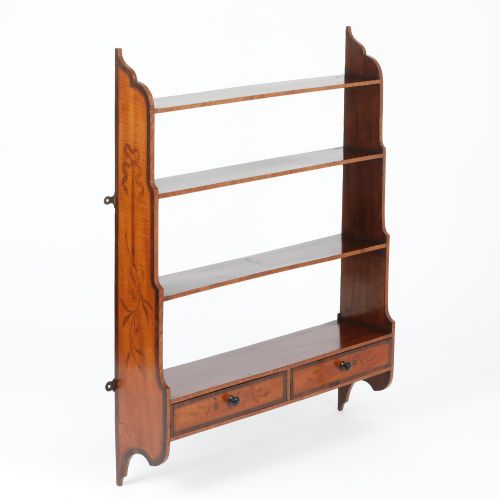
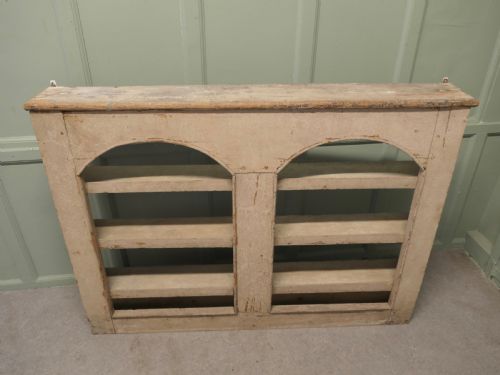
You are most likely to encounter pine and oak wall shelves, corner cupboards, and bookcases from the nineteenth and early twentieth centuries. These forms include rustic country kitchen racks, bow front cabinets, and refined hanging waterfall bookshelves.
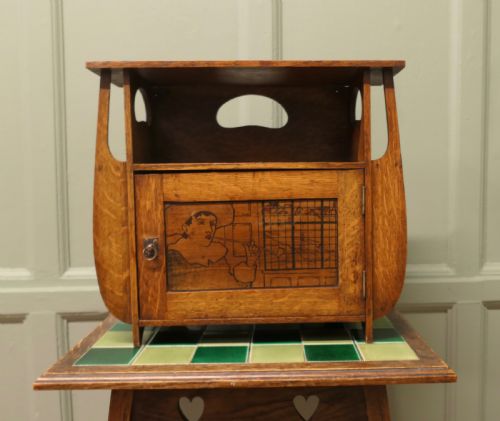
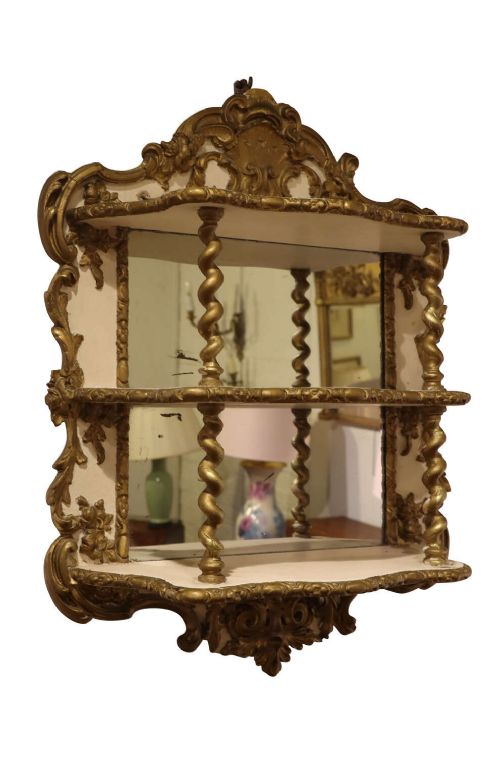
The selection ranges from simple provincial pine storage to elaborate French Rococo Revival étagères and Arts and Crafts oak shelves with magazine racks. Each piece demonstrates how earlier domestic spaces utilised vertical surfaces for display and utility.
Materials and construction
Timber selection dictates the character of these pieces, with solid pine, oak, and mahogany forming the primary structure across most examples. Cabinetmakers often employed walnut, satinwood, and limewood for finer displays, occasionally adding brass hardware and iron fittings for support.
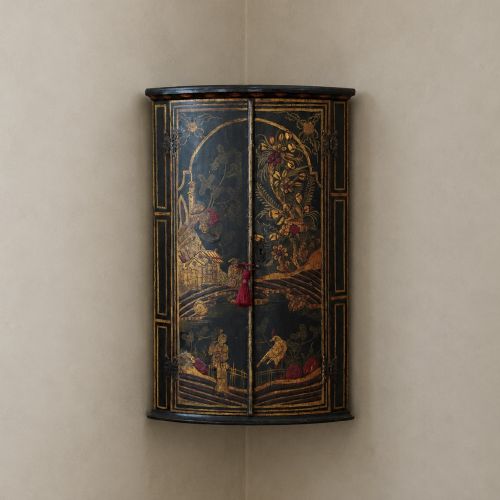
Surface finishes vary significantly from raw, waxed wood to painted and gilt surfaces, Japanned Chinoiserie, and decorative hand-painted applications. Construction methods rely on traditional joinery, sturdy wall-mounting brackets, and adjustable shelving mechanisms seen in period adjustable bookcases.
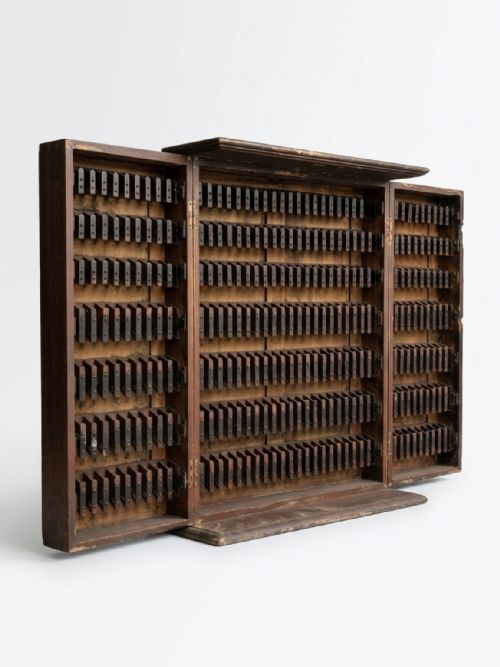
Specialised forms include railway ticket cupboards, pigeon holes, and cloakroom mirrors with integrated storage shelves.
Judging quality and proportion
Quality in a vintage wall unit reveals itself through the integrity of the timber, the crispness of any hand-carved details, and the balance of its proportions. Pieces with original painted surfaces, undisturbed patination, and robust structural joinery stand apart from lesser examples.
The sophistication of the hardware and the thought given to functional details - such as pigeon holes, adjustable shelving, or integrated magazine racks - separate standard utilitarian storage from finer cabinetmaking.
Heals
The Vintage Wall Unit Glossary
- Bow front
- A cabinet or cupboard featuring a convex, curved front facade that projects forward. This curved profile softens room corners and adds visual depth.
- Étagère
- A piece of furniture consisting of a set of open shelves for displaying small objects or ornaments. These decorative display structures became particularly popular during revival periods.
- Chinoiserie
- European artistic interpretations of Chinese and East Asian decorative motifs, frequently applied in lacquer or painted finishes. This style appears on specialised eighteenth and nineteenth-century cabinets.
- Pigeon holes
- A series of small, recessed compartments used for sorting papers, letters, or tickets. They provide practical, compartmentalised organisation within larger wall-mounted units.
- Waterfall bookshelves
- Shelves arranged in a graduated stepped tier where each lower shelf extends further forward than the one above. This design creates a cascading visual effect.
Vintage Wall Unit: Frequently Asked Questions
Where should I place a corner cupboard?
Corner cupboards and shelving units excel in awkward or underutilised room angles, turning dead space into functional storage. They work particularly well in dining rooms for displaying porcelain or in hallways.
Ensure the door swing has adequate clearance if you choose an enclosed cabinet rather than open corner shelves.
How do I date a pine wall shelf?
Dating pine furniture involves examining tool marks, nail types, joint construction, and the natural patination of the wood. Hand-sawn boards and wrought iron hardware typically point to earlier nineteenth or eighteenth-century origins.
Later pieces often feature machine-cut timber and standardised fixings that distinguish them from truly antique country furniture.
Can I use a kitchen rack in a bathroom?
Many wall-mounted racks and small cupboards adapt well to bathroom environments for storing toiletries and towels. Painted pine and treated hardwoods handle ambient moisture provided they avoid direct, constant water contact.
Check the existing finish to ensure it protects the underlying timber from high humidity.