






Vintage Wall Hanging Plates
These vintage wall hanging plates and associated display pieces bring traditional display to domestic walls through centuries of craftsmanship.
Vintage Wall Hanging Plates
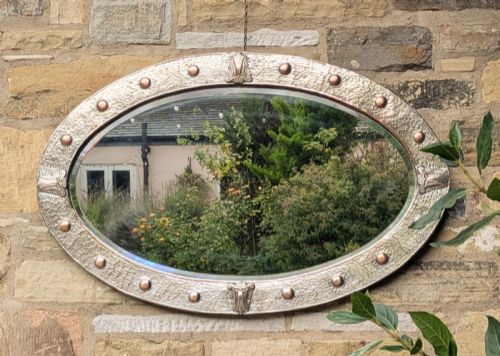
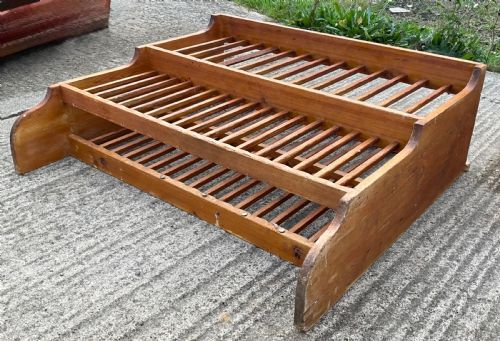
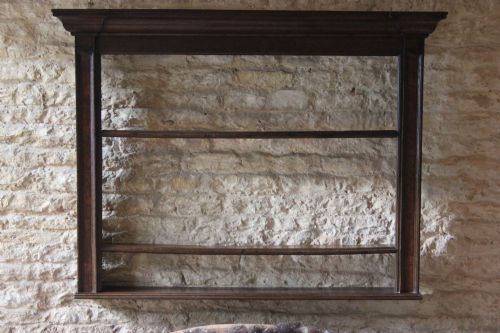
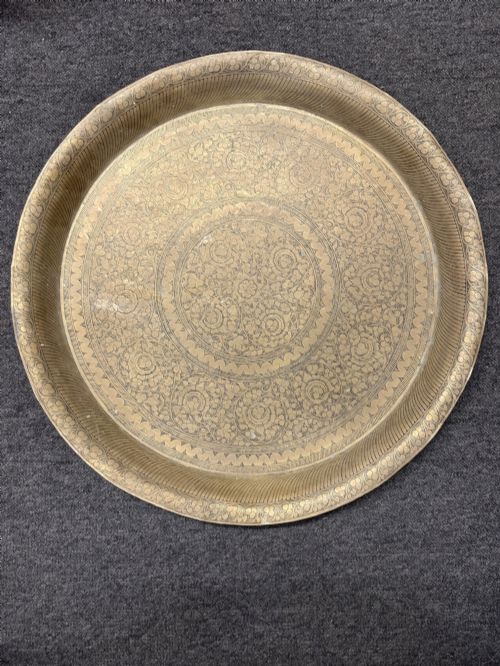
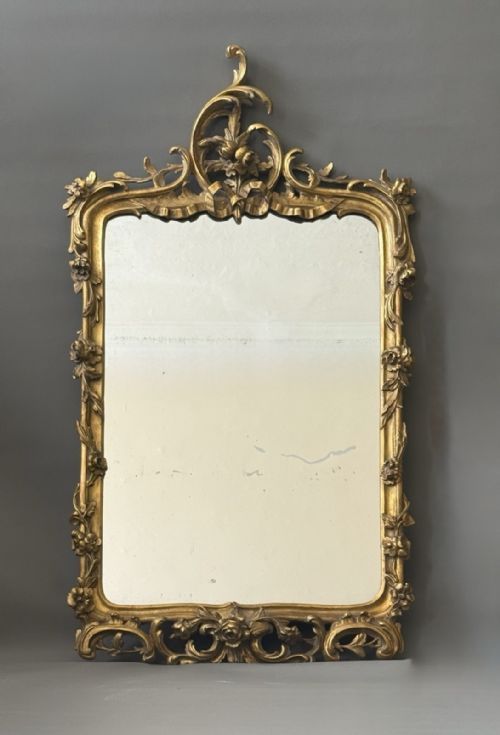
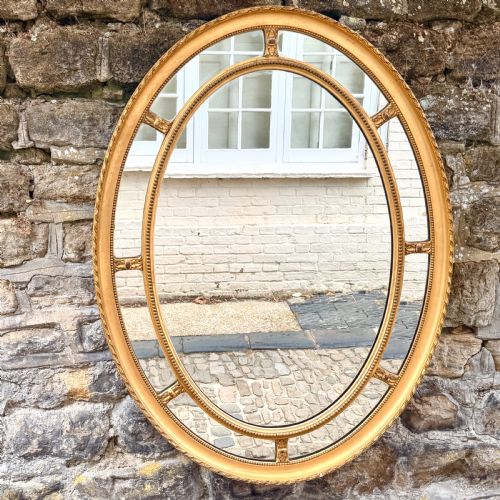
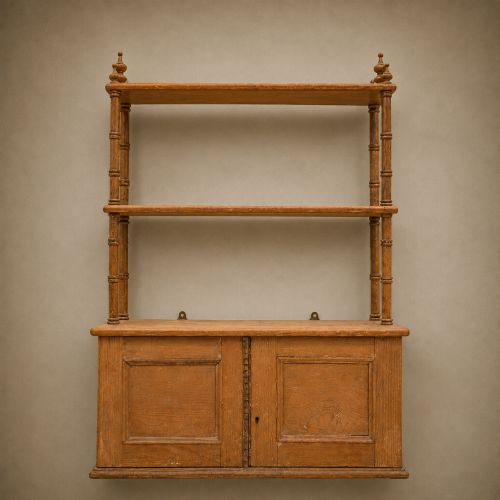
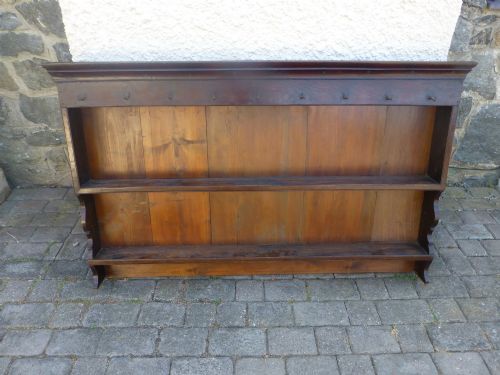
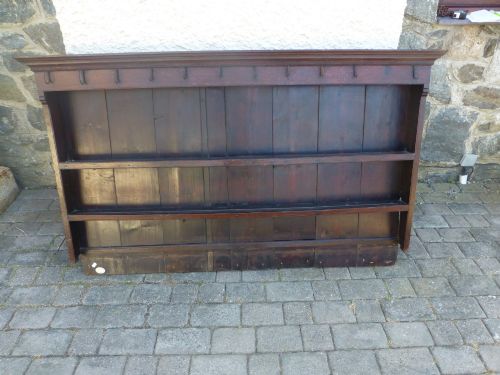
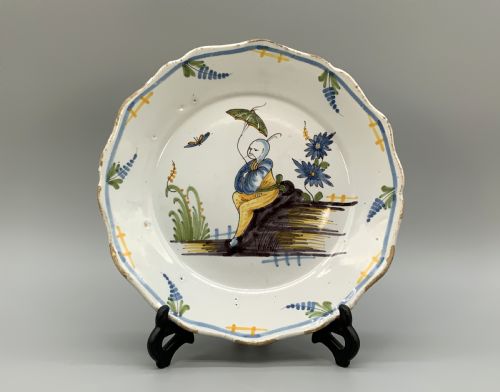
When you search for vintage wall hanging plates, you encounter a diverse group of objects designed for vertical presentation, ranging from ceramic chargers and metal plates to wooden plate racks, shelves, and mirrors incorporating antique plates.
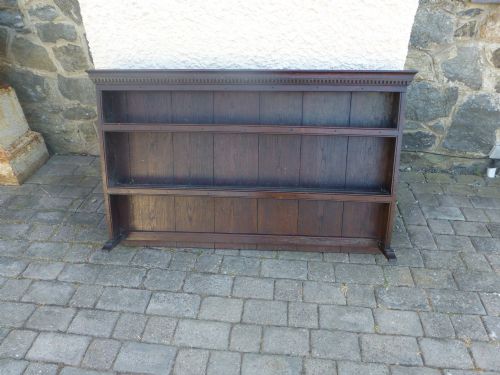
The selection on this page leans heavily toward 18th-century and 19th-century oak delft racks, decorative ceramic chargers, and framed mirrors utilising antique glass plates.
These items span various historical periods including Georgian, Victorian, and Arts and Crafts styles, reflecting both utilitarian kitchen storage and decorative interior display.
How they were made
Cabinetmakers constructed storage racks and shelves primarily from solid timbers like oak, mahogany, pine, and cherry, often utilising traditional joinery and carved details.
Metal chargers and wall plates were formed from brass, copper, and pewter, frequently employing hand-beaten techniques and engraved decoration.
Mirrors and display pieces integrated specialised glass elements, including original mercury plates, foxed surfaces, and bevelled edges set within wood, gesso, or gilt frames.
Vintage Wall Hanging Plates Retail Price Guide 2026
Typical asking prices for vintage wall hanging plates among the pieces listed under this phrase on Sellingantiques today, from the lower quarter to the upper quarter. They describe what is for sale here now, not the wider market.
Some wall mirrors hide unexpected company, such as a deco design featuring a painted soldier standing guard by the glass.
What varies in quality
The standard of execution in cabinetwork and metalwork dictates the distinction between standard items and superior examples, seen in the crispness of hand-carved ornamentation and the weight of beaten metal plates.
Originality plays a significant role, where pieces retaining their early glass plates, uncompromised timber surfaces, or authentic hand-painted ceramic glazes hold greater integrity.
Faulkner Bronze Company·W & A K Johnston
The Vintage Wall Hanging Plates Glossary
- Delft rack
- A wooden wall-mounted shelving unit specifically constructed to display ceramic plates upright in grooves or against vertical slats. These fixtures originated in domestic kitchens to organise earthenware.
- Charger
- A large decorative plate utilised historically for service or mounted on walls for display. They appear in ceramics, brass, copper, and pewter.
- Mercury plate
- An early type of mirror glass backed with a tin-mercury amalgam before the invention of the modern silvering process. It often exhibits a mottled, darker reflection.
- Foxed mirror plate
- Glass that has developed dark spots and age-related oxidation over time. Collectors appreciate this characteristic sign of antiquity.
- Imari ware
- Japanese ceramic plates decorated in underglaze blue, iron red, and gilt. These colourful wares were widely imported and displayed in European interiors.
Vintage Wall Hanging Plates: Frequently Asked Questions
How do I hang a heavy oak plate rack?
Heavy wooden plate racks require secure fixing directly into wall studs or masonry using appropriate wall plugs and heavy-duty screws.
Because these pieces often carry the additional weight of ceramic plates, anchoring them to the primary wall structure prevents movement.
What is a delft rack used for?
A delft rack served historically in kitchens and dining rooms to store and display earthenware plates upright.
The grooved base and frontal rails kept the ceramics secure while allowing everyday tableware to remain accessible and visible.
How do I clean antique brass chargers?
Antique brass chargers require gentle dusting with a soft dry cloth to preserve their surface character and historical patina.
Harsh chemical polishes should be avoided because they strip away the aged finish that develops over centuries.
How can I date an old wooden wall shelf?
Dating involves examining the timber species, tool marks left during construction, and the type of fixings or joints used by the cabinetmaker.
Earlier pieces typically display hand-sawn boards and pegged joinery rather than modern machine-cut screws.