
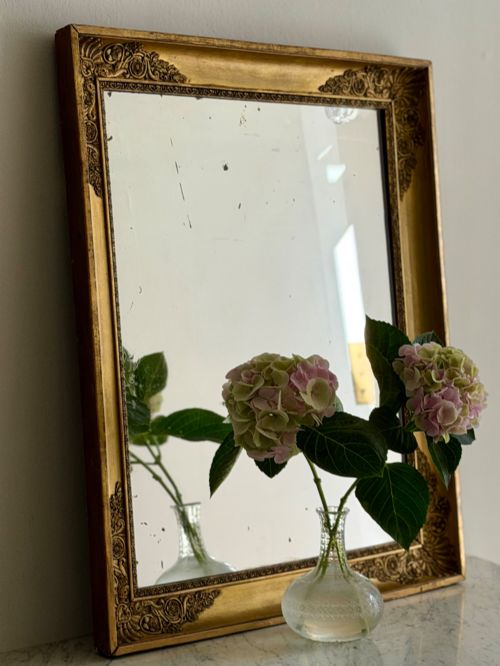
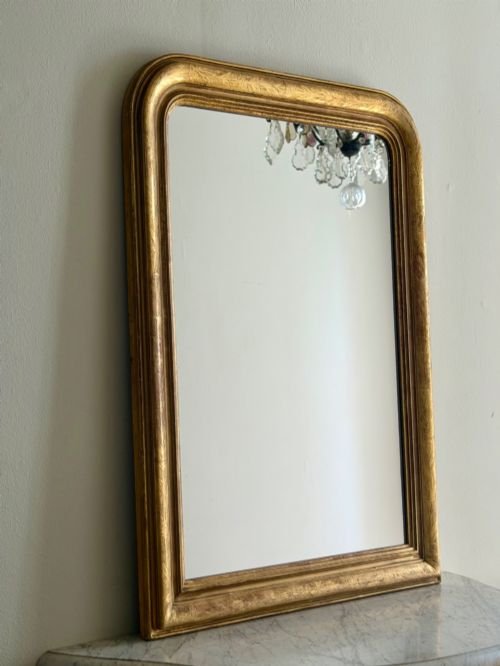
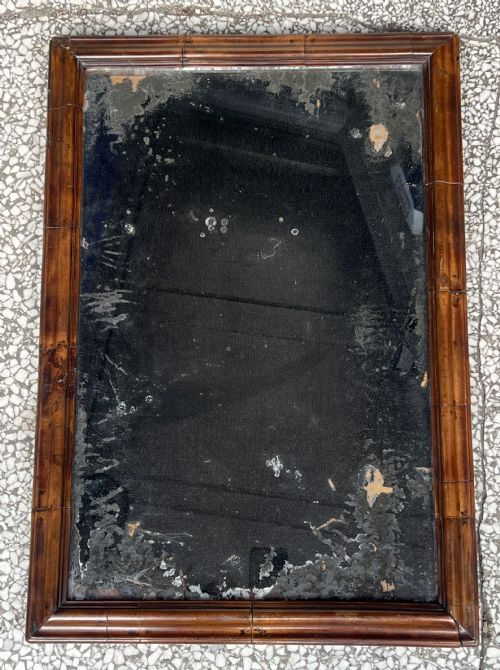
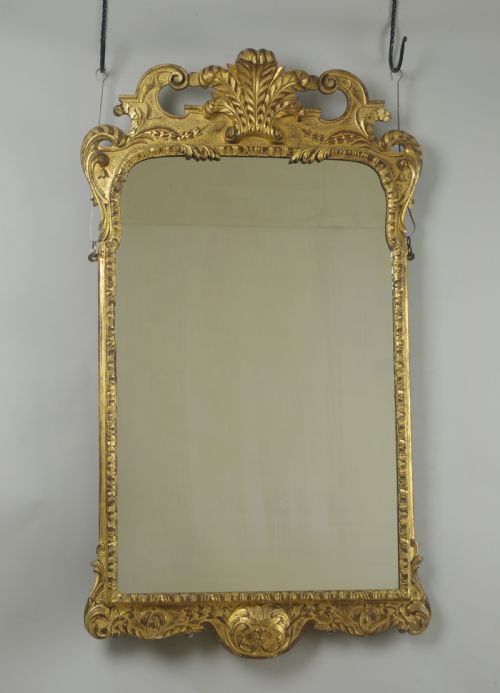
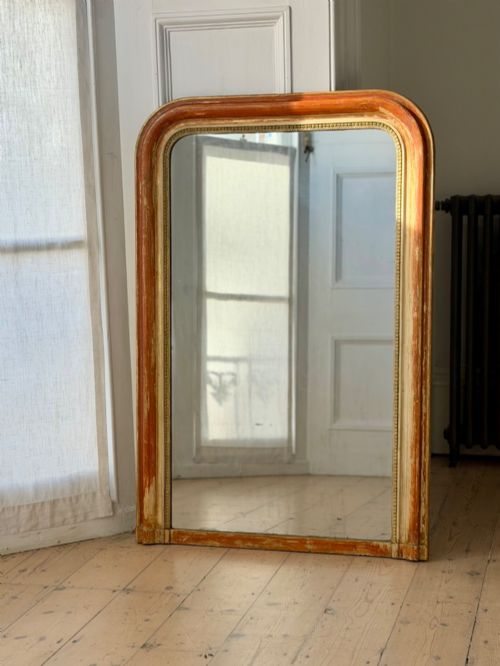
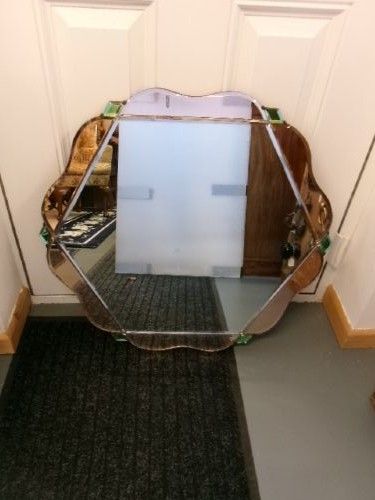
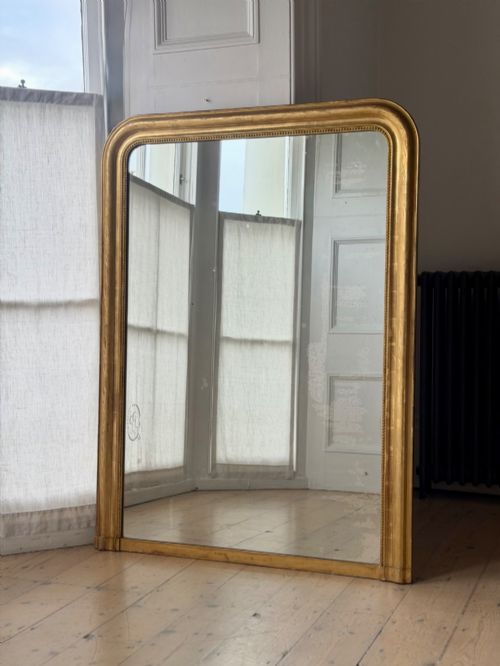
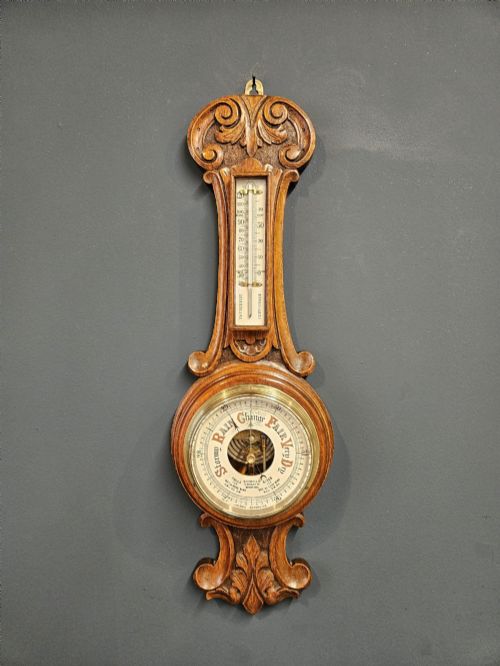
Vintage Wall Glass
Vintage wall glass brings historic light and reflection into a room, offering everything from Georgian mahogany frames to Art Deco mirrors.
Vintage Wall Glass
Vintage wall glass encompasses decorative mirrors, barometers, clocks, and occasional wall lights spanning from the eighteenth century through the mid-twentieth century. When searching for vintage wall glass, buyers typically encounter French gilt mirrors, Venetian styles, and early twentieth-century wooden frames.
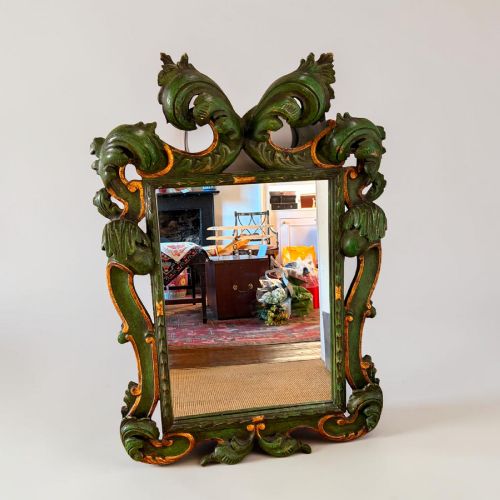
The selection ranges across distinct periods including the Georgian, Victorian, and Edwardian eras, alongside specific stylistic revivals like Rococo and Queen Anne. French Louis Philippe frames and Italian Florentine designs appear frequently among the listings.
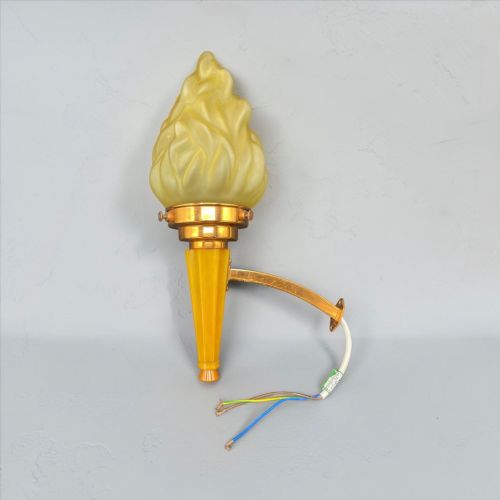
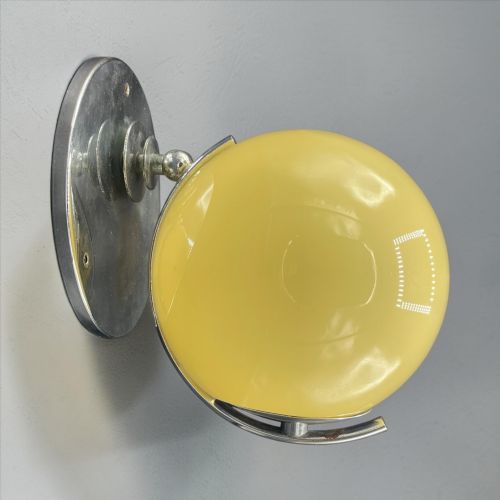
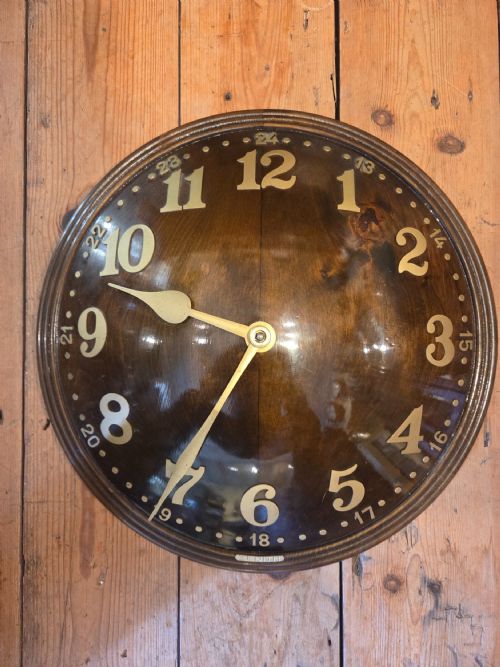
Beyond standard looking glasses, the category includes functional items such as banjo barometers and wall clocks featuring specialised porcelain or twenty-four-hour dials. Wall sconces and tempered panel paintings also populate this diverse group of wall-hung objects.
Materials and Construction
Makers utilised traditional timbers such as mahogany, walnut, and oak to construct sturdy foundational frames, often applying gesso and gold leaf to carved wooden mouldings. Giltwood and brass feature prominently in decorative framing and lighting fixtures.
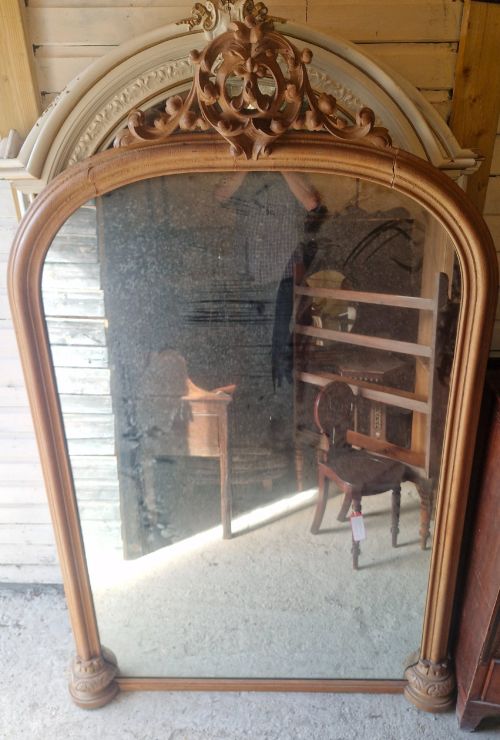
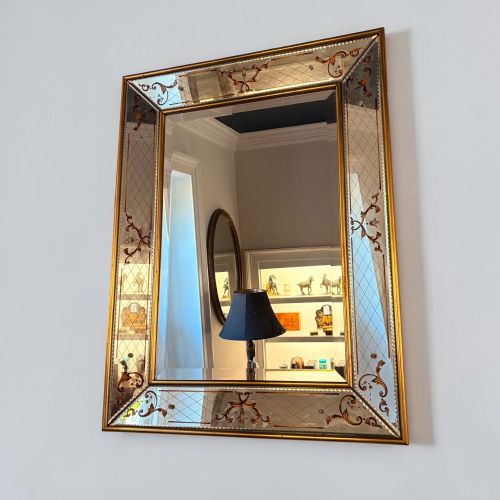
Glass production techniques include early mercury glass backing on antique French plates, alongside hand-bevelled edges and etched decorative motifs. Eglomise panels introduce reverse-painted designs into Venetian and French styles.
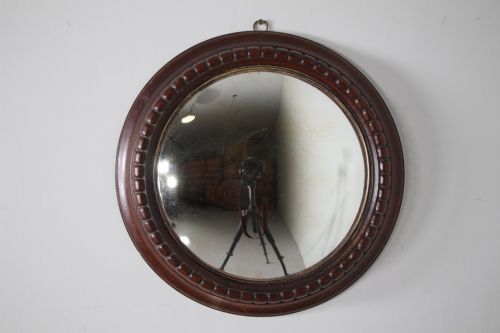
Sorcerer mirrors from the early twentieth century bring a delightfully convex, fish-eye perspective to domestic wall spaces.
Assessing Quality
Quality rests upon the crispness of hand-carved wood ornamentation and the depth of the original gilding applied to gesso surfaces. Fretwork mirrors display superior joinery and finely pierced scrollwork rather than cast resin substitutes.
The integrity of the glass itself defines the standard, with original mercury backing and bevelled edges demonstrating higher craftsmanship than plain modern replacements. Secondary woods and backboards should match the period of the frame.
Waring and Gillow·Zenith
The Vintage Wall Glass Glossary
- Mercury glass
- A type of silvered glass created by pouring a liquid mercury amalgam between double-walled blown glass vessels, popular in nineteenth-century mirrors.
- Eglomise
- A decorative technique involving the application of gold or silver leaf to glass along with reverse painting, seen frequently in Venetian and French wall pieces.
- Fretwork
- Openwork carving produced with a fretsaw, characteristic of Georgian and Chippendale style mahogany wall mirrors.
- Giltwood
- Wood that has been coated with gold leaf or gold paint, forming the lustrous surfaces seen on many period frames.
- Louis Philippe
- A mid-nineteenth-century French style known for subdued classical proportions, often featuring softly rounded upper corners on rectangular frames.
Vintage Wall Glass: Frequently Asked Questions
How do I hang a heavy vintage mirror?
Heavy frames require wall fixings suited to the specific weight and masonry type of the interior wall. Professional mirror hangers utilise battens or heavy-duty brackets fixed directly to structural studs.
Older wooden frames often feature original iron rings on the reverse that require secure steel wire or chain suspension. Ensure the hanging hardware matches the substantial weight of giltwood and thick glass plates.
What is mercury glass?
Mercury glass refers to double-walled blown glass pieces coated internally with a silvering mixture, though actual mercury was often replaced by silver nitrate later on. This historic method creates a distinctive reflective mottled appearance behind the glass.
Mirrors utilising this technique show characteristic dark speckling and uneven foxing over time. Collectors prize these original plates for the deep, distorted reflections they cast.
How do I identify a Georgian style mirror?
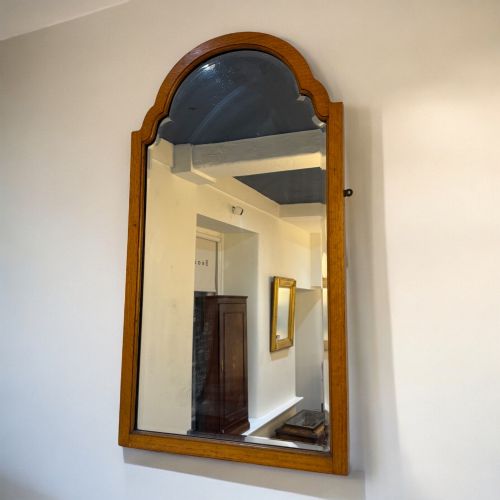
Georgian and Georgian style mirrors typically feature mahogany or parcel-gilt walnut frames with intricate fretwork and scrolling outlines. Architectural broken pediments and gilded filter motifs are common characteristics of this eighteenth-century aesthetic.
Proportions remain balanced and classical, drawing inspiration from Palladian design principles. Fretwork frames often display shell or floral marquetry inlaid into the wood.
Can I place antique glass in a bathroom?
High humidity and moisture pose significant risks to antique silvering, gesso, and exposed wood frames. Steam accelerates the degradation of original mercury backing and causes gilt surfaces to flake.
Dry interior rooms with stable temperatures provide the ideal environment for preserving fragile vintage wall pieces. Bathrooms subject the delicate organic binders in gesso and gold leaf to rapid deterioration.