




Vintage Vitrine Table
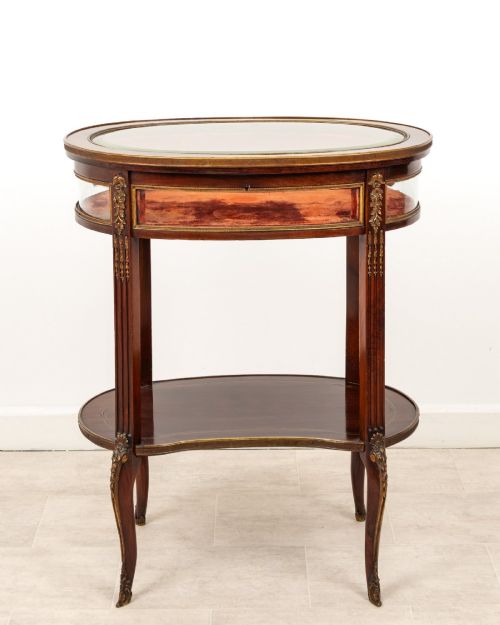
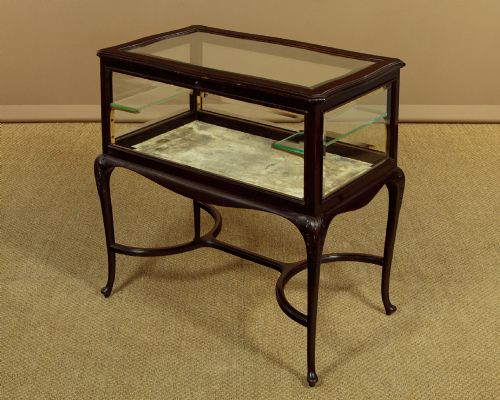
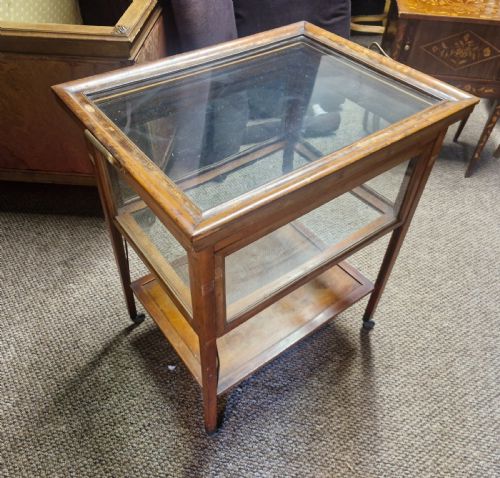
A vintage vitrine table displays small treasures beneath glass, combining the utility of a surface with the intrigue of a cabinet.
Vintage Vitrine Table
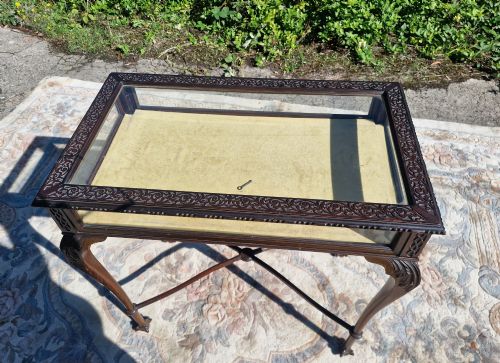
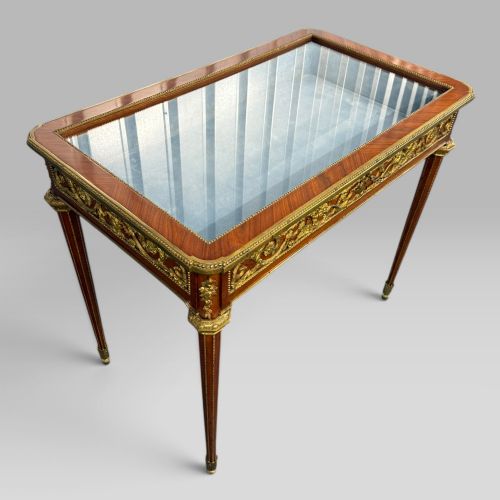
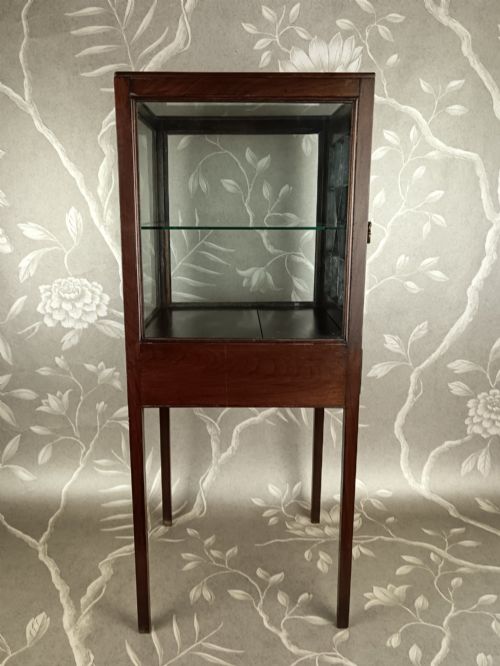
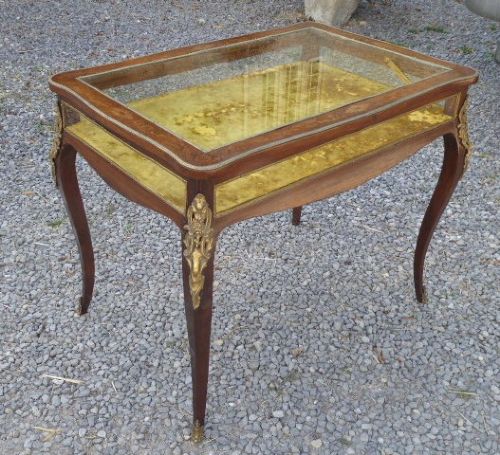
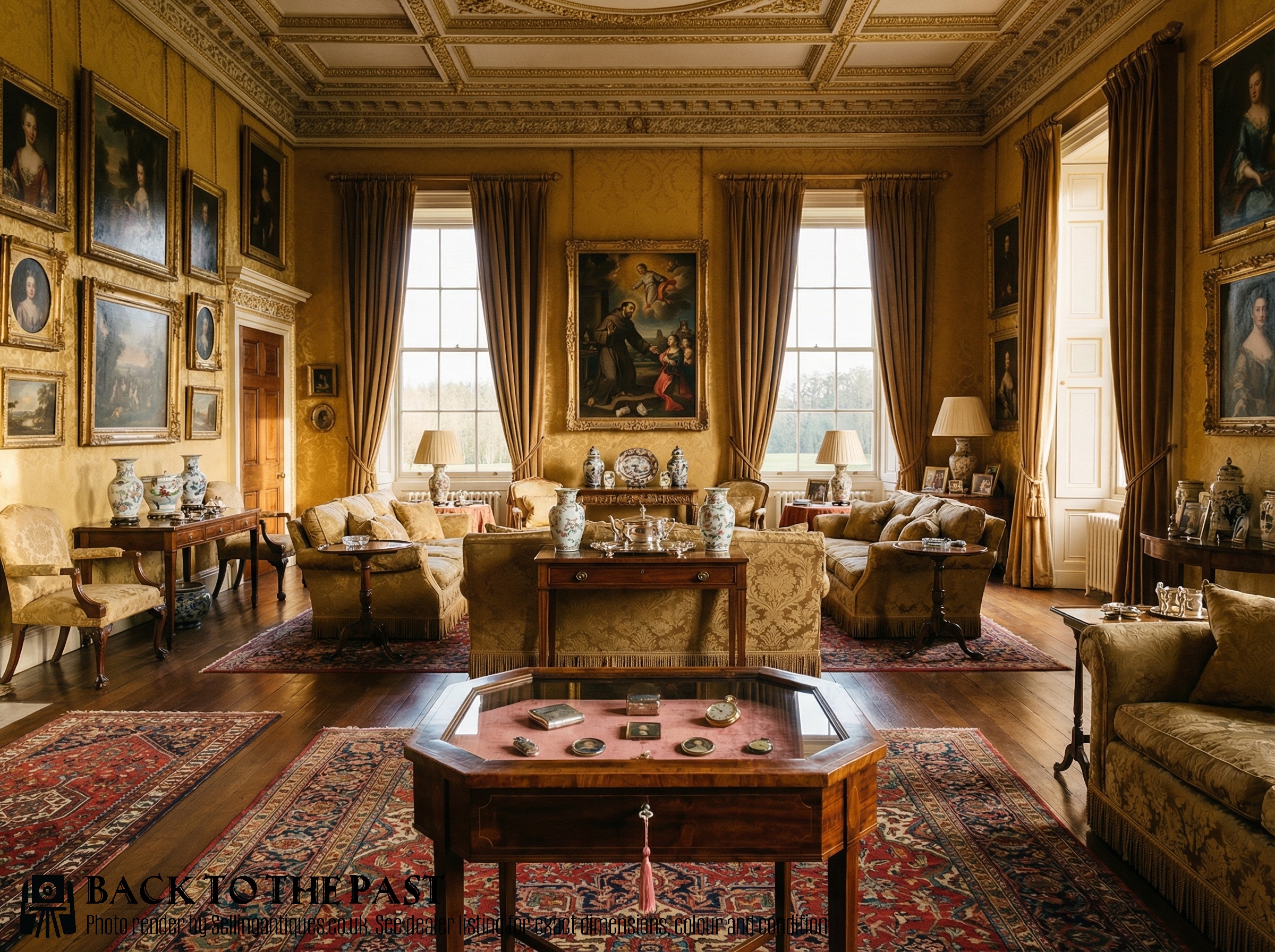
When you search for a vintage vitrine table, you encounter furniture designed specifically to exhibit precious objects within a glazed compartment. The selections here predominantly span the Edwardian era through to the early twentieth century, alongside nineteenth-century examples and mid-century interpretations. These items manifest primarily as display tables, bijouterie tables, and shop display counters.
Makers and craftsmen adapted these forms for both domestic parlours and commercial establishments. Pieces range from intimate lamp end tables and tea trolleys with glass elements to large shop display cabinets and bow end counters. The overarching function remains the presentation of collectibles under glass, whether in a domestic setting or a jeweller's shop.
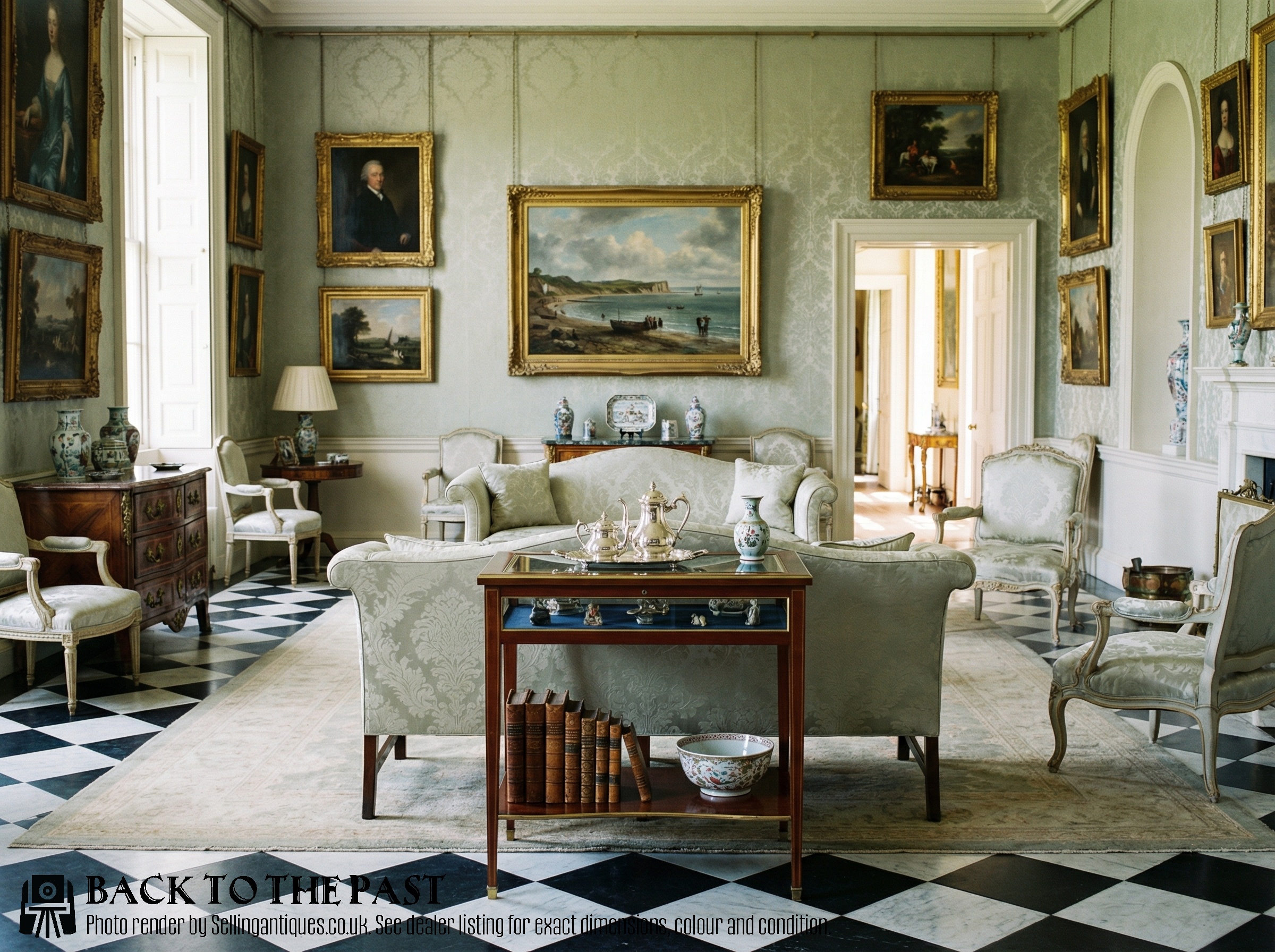
How they were made
Construction relies heavily on timber framing combined with extensive glazing to allow maximum light into the display compartment. Mahogany serves as the primary structural wood, frequently complemented by satinwood, kingwood, and yew wood veneers. Inlaid decoration, marquetry, and painted floral details appear across various examples, particularly within Edwardian and revival pieces.
Metal mounts and hardware play a structural and decorative role, with brass and ormolu framing glass panels and lifting lids. Interior surfaces are typically lined with velvet or fabric to protect displayed items. Frames incorporate glazed tops and hinged lids, allowing access to the enclosed compartment.
Vintage Vitrine Table Retail Price Guide 2026
Typical asking prices for vintage vitrine table among the pieces listed under this phrase on Sellingantiques today, from the lower quarter to the upper quarter. They describe what is for sale here now, not the wider market.
Materials recorded across the inventory include mahogany, brass, ormolu, velvet, and kingwood.
What varies in quality
The sophistication of the timber work and the complexity of the veneers distinguish different grades of these tables. Simple mahogany frames sit at one end, while pieces employing marquetry, kingwood, and satinwood demonstrate greater cabinet-making ambition. The integration of decorative elements such as ormolu mounts and floral painted decoration elevates the visual ambition of the piece.
Proportion and scale also govern the hierarchy of these items, from small kidney-shaped lamp tables to large shop display counters. The refinement of the glazing and the precision of the joinery determine the overall success of the construction. Interior lining materials, from basic fabric to fine velvet, contribute to the perceived finish of the display compartment.
François Linke·Quincy Showcase Works Illinois
The Vintage Vitrine Table Glossary
- Vitrine
- A glass-fronted cabinet or table designed for displaying objects of curiosity or value. This form protects items from dust while offering a clear view from multiple angles.
- Bijouterie table
- A shallow display table with a glazed top and hinged lid, traditionally used for holding small trinkets, jewellery, and personal ornaments. The interior is usually lined with fabric.
- Ormolu
- Gilded bronze ornamentation applied to furniture mounts and decorative details. This technique imparts a metallic sheen that contrasts with the surrounding timber.
- Marquetry
- Decorative veneer work arranged in pictorial or geometric patterns using various coloured woods. It requires precise cutting and fitting to achieve surface ornamentation.
Vintage Vitrine Table: Frequently Asked Questions
What is a vitrine table?
A vitrine table is a piece of furniture featuring a glazed top or upper section designed to display small items.
They combine the surface utility of a standard table with the enclosed presentation of a display cabinet.
How were bijouterie tables used?
Bijouterie tables were used in drawing rooms to exhibit small valuables, medals, and decorative trinkets.
Guests could inspect the collection through the glass top without handling the delicate objects inside.
What materials are common?
Mahogany is the predominant timber used in the construction of these display tables.
Examples also incorporate glass, brass, ormolu, velvet linings, and decorative wood veneers such as satinwood and kingwood.
How do I date a piece?
Dating relies on identifying stylistic markers, timber types, and construction methods associated with specific periods.
Edwardian and late nineteenth-century examples often feature inlaid mahogany or French revival styling.