




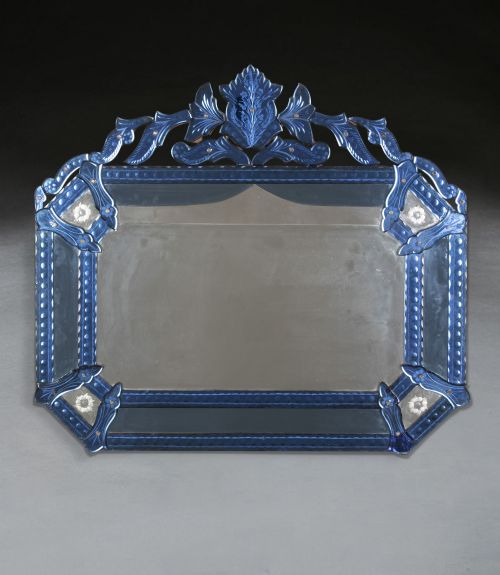
Vintage Venetian Glass Mirror
A vintage venetian glass mirror brings luminous depth and fluid Italian craftsmanship into a room, catching the light with centuries of artistic heritage.
Vintage Venetian Glass Mirror
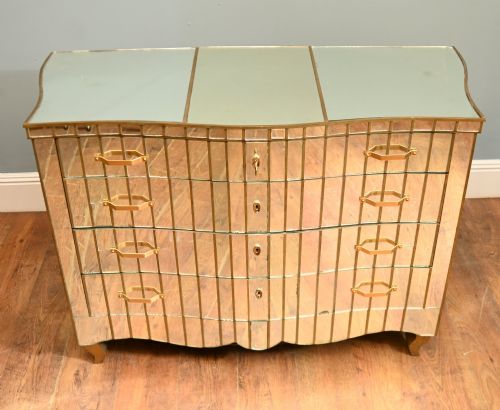
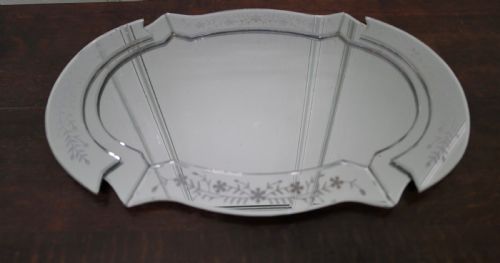
A vintage venetian glass mirror represents a tradition of Italian craftsmanship spanning from the nineteenth century through the mid twentieth century. Buyers seeking a vintage venetian glass mirror encounter wall mirrors, cushion mirrors, and occasionally serving trays or bureau bookcases incorporating glass elements.
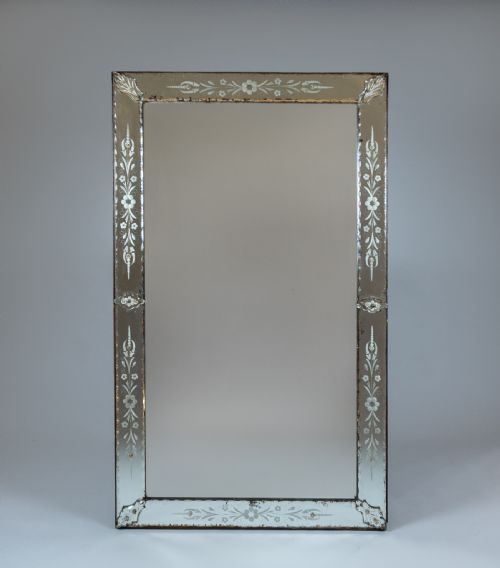
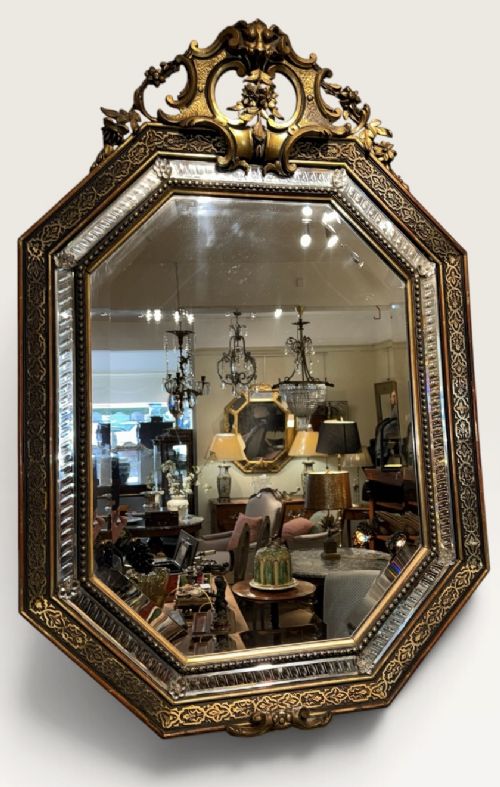
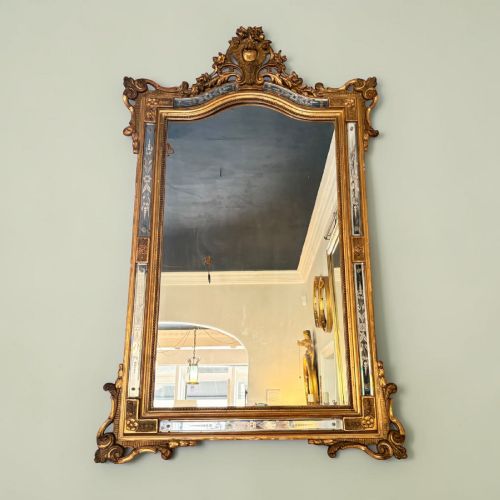
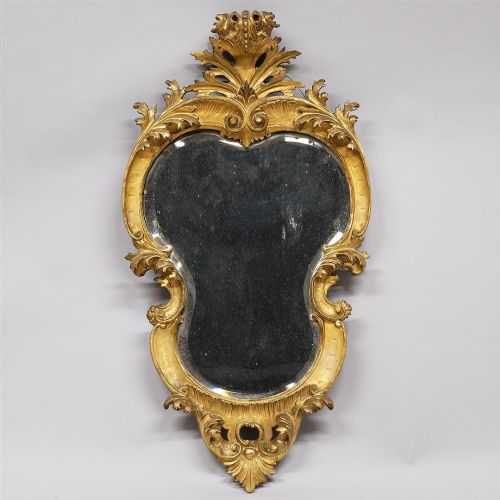
The pieces appearing on this page originate from periods including the Victorian era, Edwardian period, and the nineteen thirties and fifties. Venetian, Art Deco, and Rococo Revival styles dominate the selection, showing carved giltwood, ebonised wood, or glass frames.
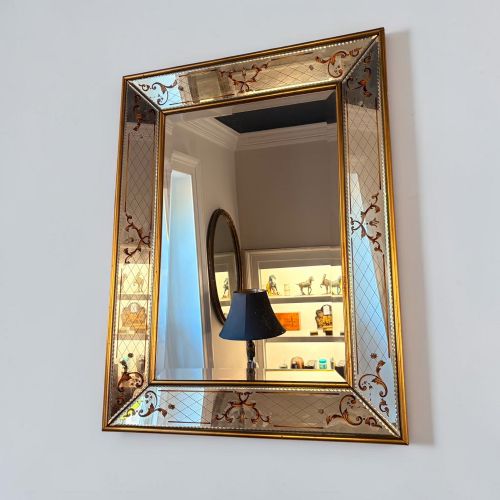
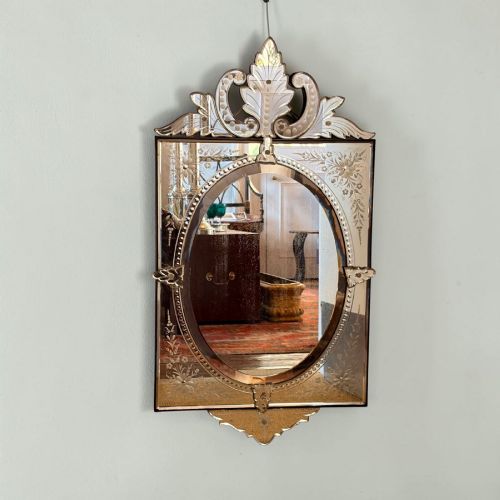
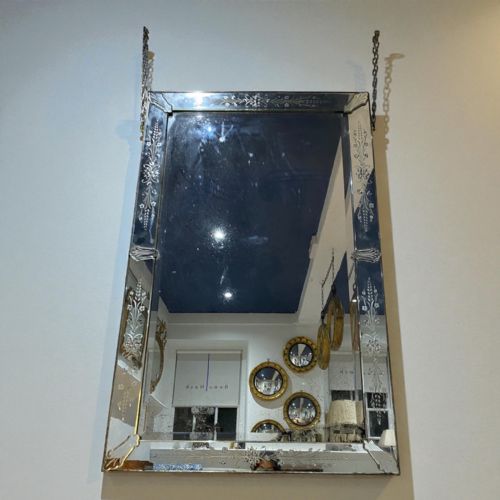
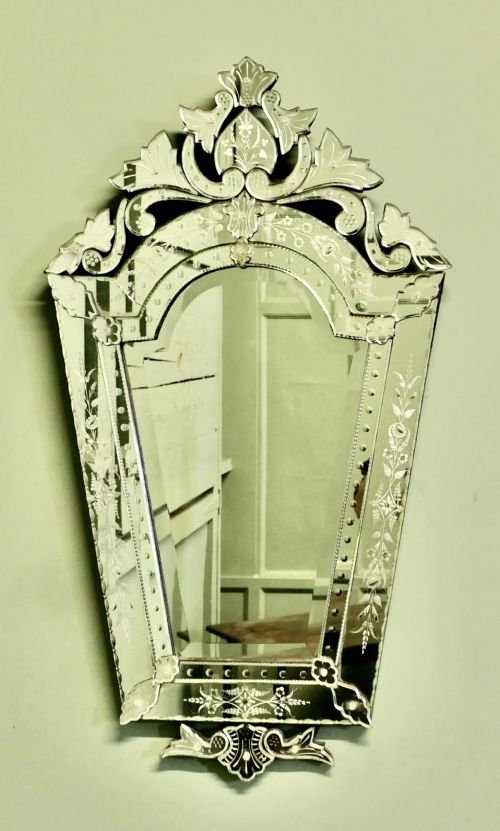
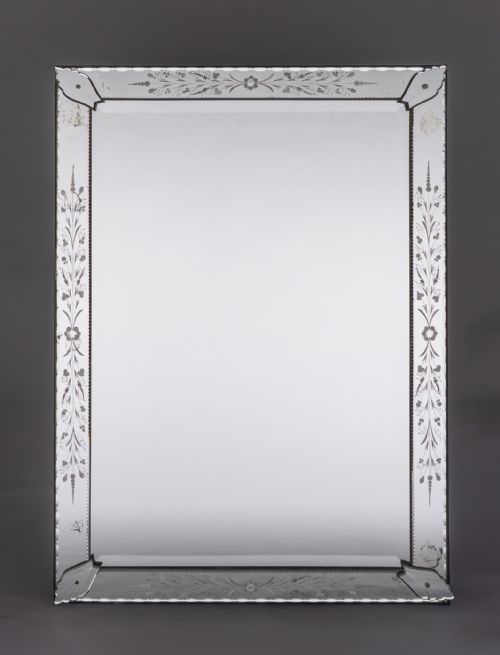
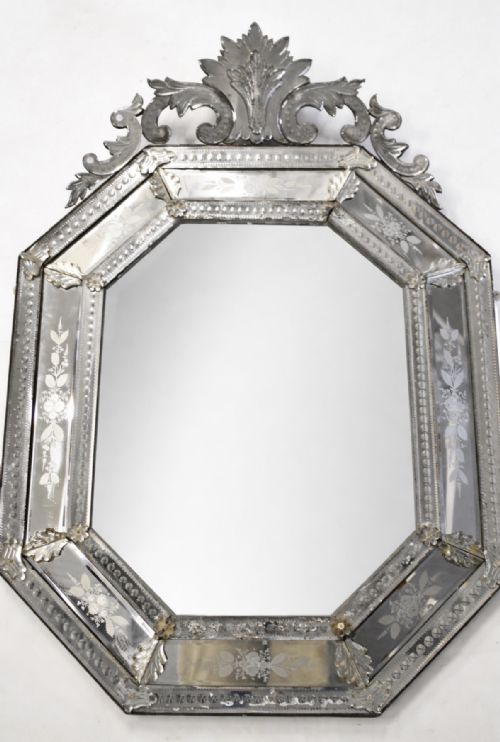
The most common form is the wall mirror featuring engraved plates, margin-edged glass, and coloured accents such as peach, ruby red, or cobalt blue. These decorative items combine functional glass with intricate Italian glasswork to alter the light within an interior space.
How they were made
These pieces rely on glass, mirrored glass, and silvered glass combined with wooden or metal structural supports. Frames often utilise giltwood, brass, or painted finishes to secure the delicate glass components.
Craftsmen applied cutting, etching, and hand painting techniques directly onto the glass plates and margin borders. Wooden frames received carved details in Venetian and Rococo styles, housing bevelled plates and decorative glass pediments.
Vintage Venetian Glass Mirror Retail Price Guide 2026
Typical asking prices for vintage venetian glass mirror among the pieces listed under this phrase on Sellingantiques today, from the lower quarter to the upper quarter. They describe what is for sale here now, not the wider market.
Listings feature periods from the nineteenth century through the nineteen fifties, encompassing Victorian, Edwardian, Art Deco, and Venetian styles.
What varies in quality
The sophistication of the glass engraving and etching dictates the distinction between standard examples and finer works. Elaborate cushion mirrors with detailed floral motifs and coloured glass borders demand greater technical skill than plain rectangular plates.
The integration of the frame and glass elements reveals the artisan's investment of time. Hand-carved giltwood or ebonised wood structures supporting intricate cut glass pediments represent a higher tier of Italian workshop production.
The Vintage Venetian Glass Mirror Glossary
- Cushion mirror
- A mirror with a convex profile where the outer margin plates slope outward from the central glass plate. This form creates multidirectional light reflections typical of Venetian design.
- Margin-edged
- A style of mirror featuring separate smaller glass plates surrounding a main central plate, often held by decorative clips. These border sections frequently display etching or bevelling.
- Giltwood
- Timber that has been coated with a thin layer of gold leaf or gesso and gilding powder. It provides a luminous frame for Italian wall mirrors.
- Ebonised
- Wood treated with a chemical stain or finish to imitate ebony. This dark surface contrasts with cut glass pediments and silvered glass plates.
- Pier glass
- A tall mirror designed to hang on the narrow wall space between windows. These pieces often incorporate hand painted details and ornate frames.
Vintage Venetian Glass Mirror: Frequently Asked Questions
How do I hang a heavy venetian mirror safely?
Ensure the wall fixings engage directly with structural studs or masonry rather than relying solely on plaster. Professional mirror hangers utilise heavy-duty brackets that distribute the weight evenly across the frame.
Check that the hanging wire or integrated D-rings on the back are securely fastened to the wooden carcass. Regular inspection of these supports protects the fragile glass frame from accidental slips.
What causes foxing on old mirror plates?
Foxing occurs when moisture penetrates the silver backing behind the glass over decades, causing oxidation and dark spots. This chemical ageing process develops naturally in antique mirrors exposed to changing humidity levels.
Many collectors appreciate foxing as evidence of age and authenticity rather than a defect. Keeping mirrors away from damp walls helps stabilise the silvering without removing historical character.
How should I clean antique glass frames?
Use a soft, dry microfiber cloth to gently remove dust from the carved glass and wooden frame surfaces. Avoid spraying liquids directly onto the mirror, as moisture can seep behind the plates and damage the silvering.
Apply mild glass cleaner sparingly to the cloth rather than the glass if stubborn marks require attention. Take care around engraved lines and painted areas to prevent accidental wear.
How do I tell nineteenth century mirrors from later pieces?
Nineteenth century examples often display heavier wooden carcasses, hand-bevelled plates with subtle irregularities, and traditional giltwood or ebonised finishes. The weight and construction methods reflect Victorian and Rococo Revival workshop practices.
Later pieces from the nineteen thirties introduce Art Deco geometric cuts and colourful glass accents like peach or cobalt blue. Comparing the edge bevelling and frame style helps clarify the production era.