

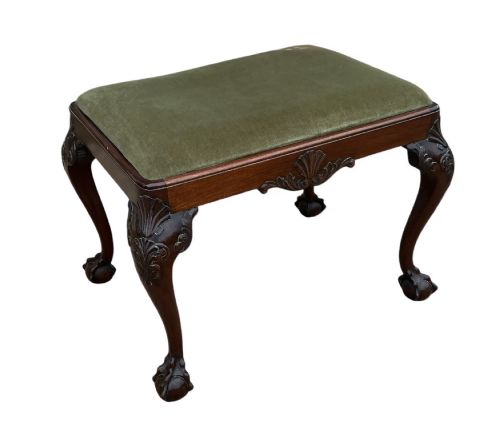
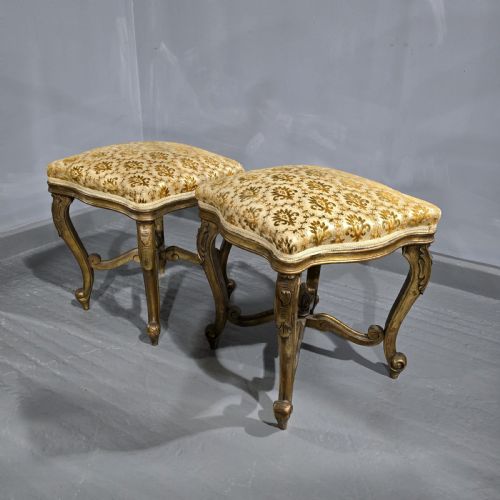


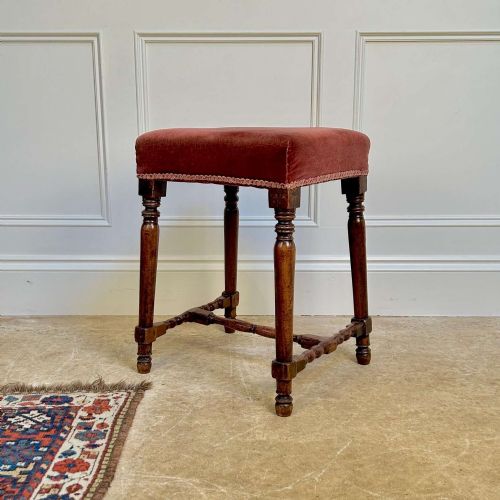

Vintage Velvet Stool
A vintage velvet stool brings tactile depth and rich texture to a room, offering both a practical seat and a handsome decorative accent.
Vintage Velvet Stool
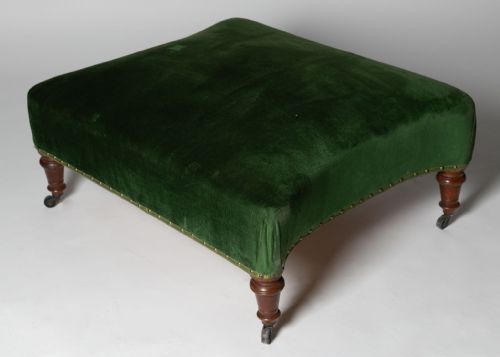
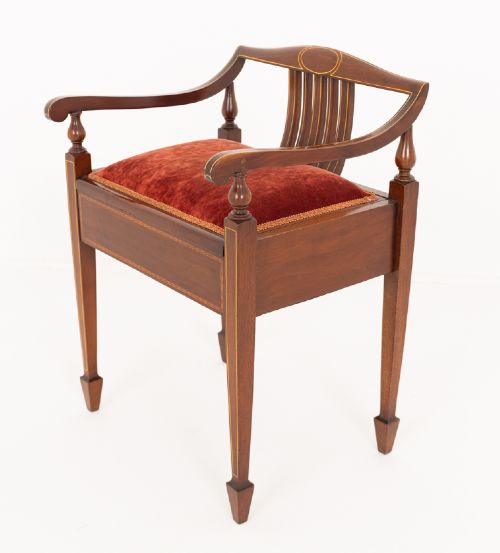
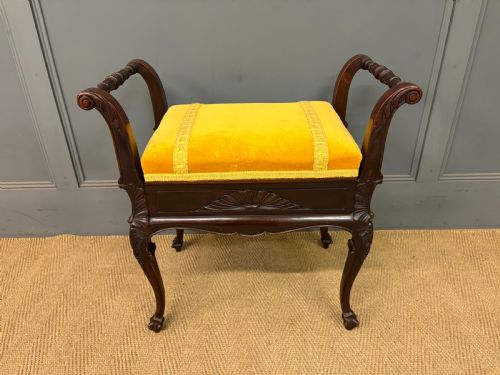
A vintage velvet stool encompasses a broad variety of low seating forms, ranging from piano seats and dressing table rests to large ottomans and centre pieces. When searching for a vintage velvet stool, buyers encounter numerous nineteenth-century and early twentieth-century interpretations across Victorian, Edwardian, and Regency periods.
The materials and frames supporting the pile vary widely, pairing soft pile upholstery with sturdy hardwoods like mahogany, walnut, rosewood, and oak. Some examples incorporate brass framing, giltwood, or painted finishes alongside traditional tapestry and needlepoint elements.
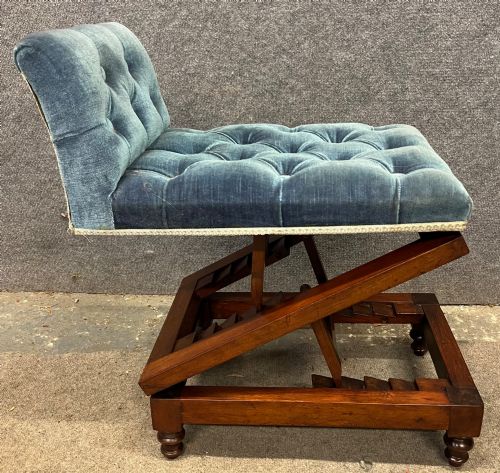
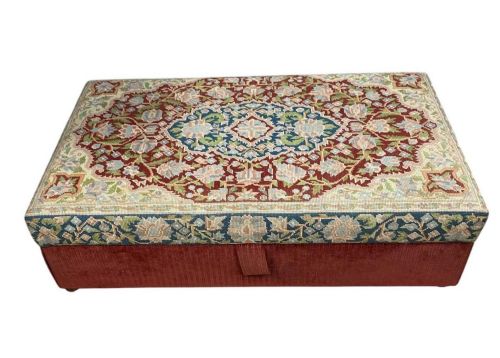
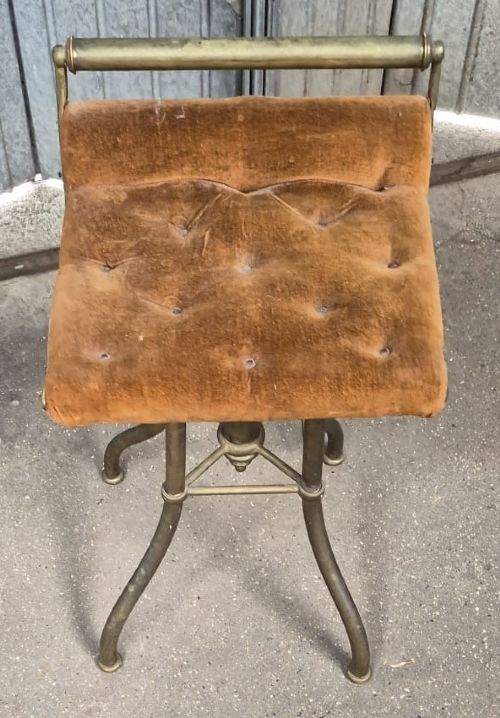
Piano stools and music chairs feature prominently among these furnishings, often built with adjustable mechanisms or revolving seats designed for musicians. Other forms include gout stools, window benches, and substantial country house storage ottomans.
Construction and materials
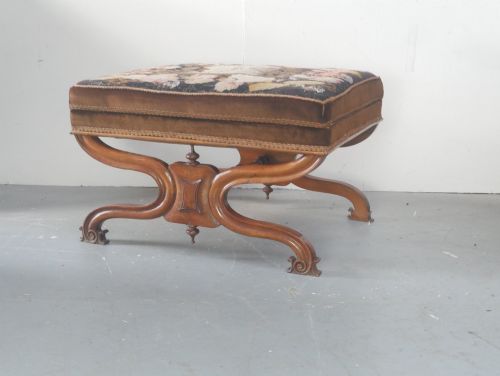
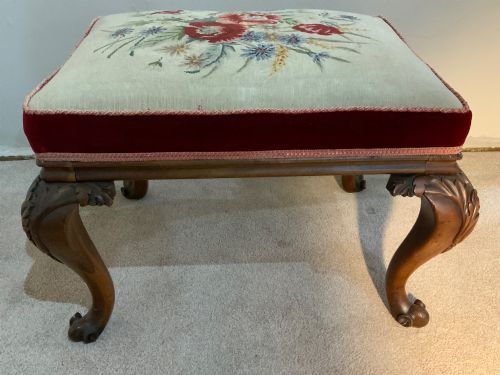
Frames are constructed from dense timbers such as mahogany, walnut, and rosewood, frequently shaped with carved cabriole legs, sabre legs, or X-framed supports. Joinery relies on traditional methods to ensure stability beneath the upholstered top.
Upholstery combines tactile velvet fabrics with internal stuffing, sometimes complemented by needlepoint or tapestry needlework. Metal components like brass and steel appear on music stools, adjustable height screws, and decorative framing elements.
Vintage Velvet Stool Retail Price Guide 2026
Typical asking prices for vintage velvet stool among the pieces listed under this phrase on Sellingantiques today, from the lower quarter to the upper quarter. They describe what is for sale here now, not the wider market.
Listings feature mahogany, walnut, and rosewood frames paired with tactile velvet upholstery across nineteenth-century and Edwardian periods.
Judging quality and character
Quality reveals itself in the crispness of timber carving, the structural integrity of the frame, and the density of the hardwood used. Finer pieces display refined proportions and deliberate stylistic details, such as elaborate Victorian walnut carving or crisp Georgian Revival lines.
The execution of the upholstery and the sophistication of any mechanical elements, such as piano seat adjustment screws or revolving pivots, distinguish standard utility items from exceptional reception pieces.
Hallett and Sons·James Shoolbred·B North and Son
The Vintage Velvet Stool Glossary
- Gout stool
- A specialised footrest featuring an inclined, cushioned surface designed to elevate and support the foot or leg.
- Piano stool
- A seat designed for keyboard players, frequently incorporating a swivel mechanism or a screw-adjustment to alter the height.
- Ottoman
- A low, upholstered seat or footstool without a back or arms, sometimes featuring internal storage beneath a hinged top.
- Cabriole leg
- A furniture leg that curves outward in a convex arc before tapering inward to a foot, echoing animal limb shapes.
- Needlepoint
- A type of canvas work embroidery using counted stitches to create dense, durable decorative patterns on seats.
Vintage Velvet Stool: Frequently Asked Questions
How do I date a velvet stool?
Dating relies on observing stylistic markers, timber choices, and construction techniques characteristic of periods like the Victorian era or the Regency years.
Secondary clues include the type of joinery, secondary woods, and any mechanical hardware used in adjustable piano seats.
Were these stools used only for music?
While many surviving examples are designated as piano stools or harpist chairs with specific height adjustments, others served as dressing table seats, footstools, or centre furniture.
Large ottomans and window benches fulfilled general seating and resting requirements in nineteenth-century drawing rooms and chambers.
What is a centre stool?
A centre stool is a substantial freestanding piece designed to sit in the middle of a room rather than against a wall.
These pieces typically feature finished upholstery and woodwork on all sides, serving as a decorative focal point in large salons.
How should I care for vintage velvet?
Velvet requires gentle brushing to maintain the direction of the pile and protect the soft texture from crushing.
Keep these pieces away from direct sunlight to prevent fading of the fabric and drying of the underlying timber frames.