


Vintage Vanity Wall Mirror
A vintage vanity wall mirror brings immediate depth and reflected light to a room, drawing on periods from the nineteenth century to the Art Deco era.
Vintage Vanity Wall Mirror
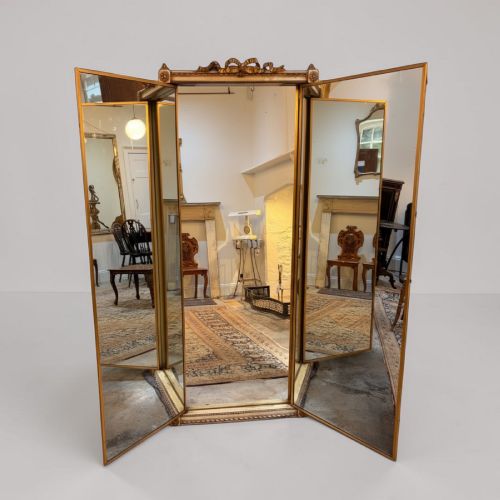
A vintage vanity wall mirror is designed for hanging on a wall rather than standing on a dressing table, though many share the function of grooming reflection. When you search for this phrase, you encounter pieces spanning the Victorian, Edwardian, and Art Deco periods, alongside earlier Georgian and nineteenth-century examples.
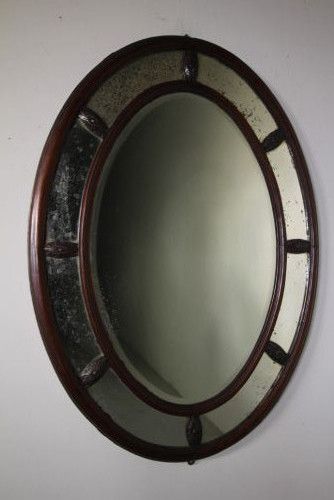
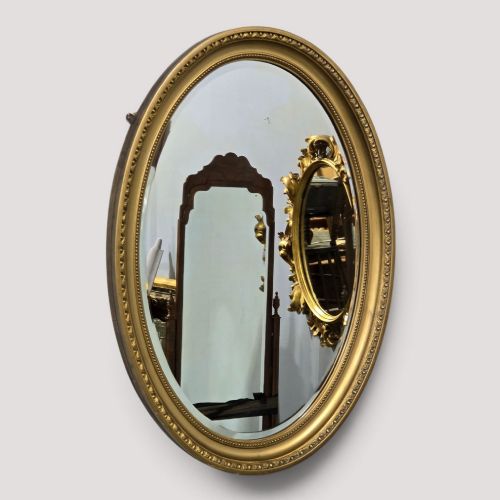
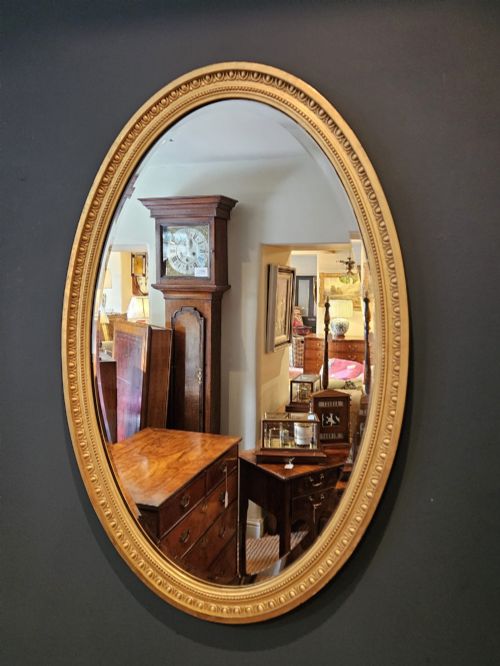
The selection on this page leans heavily towards wall-hanging formats, including oval and round shapes framed in wood, brass, or gesso. You will find items described as reception hall mirrors, bathroom vanity mirrors, and bedroom mirrors.
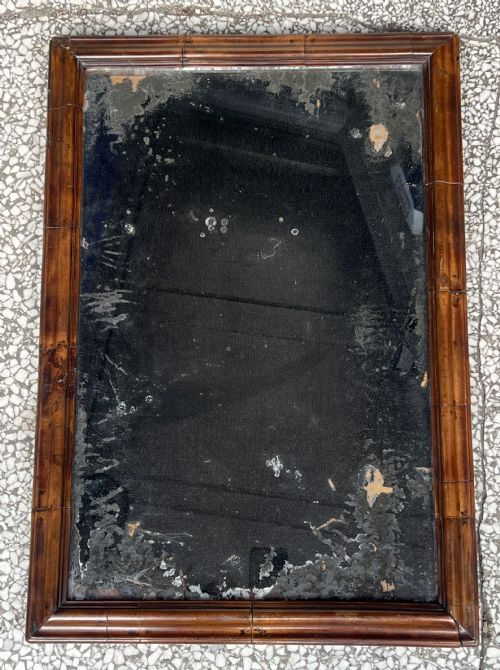
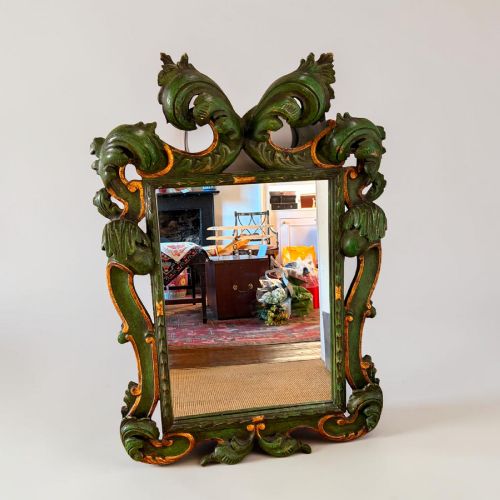
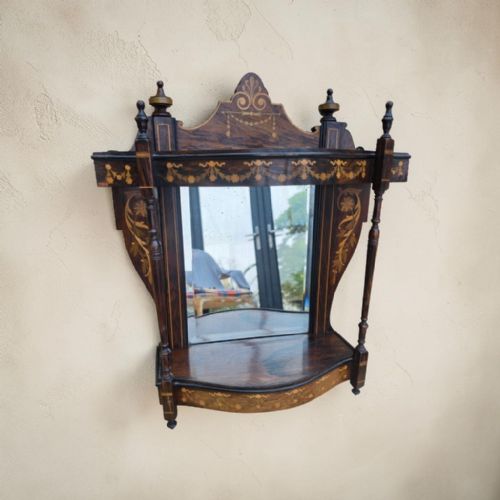
Origin details vary between English mahogany and walnut pieces, French giltwood and painted designs, and specialised items incorporating bevelled glass plates. The forms range from simple oak frames to elaborate Rococo revival scrolls and fret-cut outlines.
Materials and construction
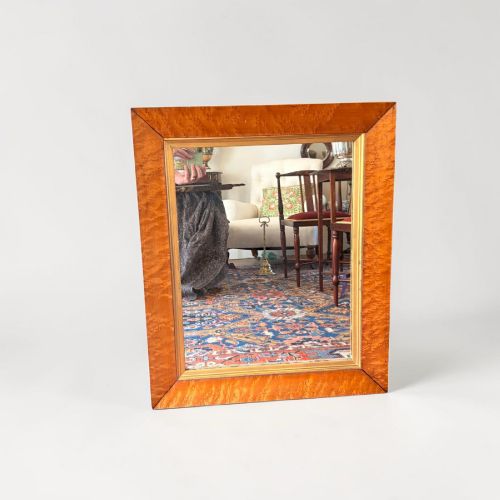
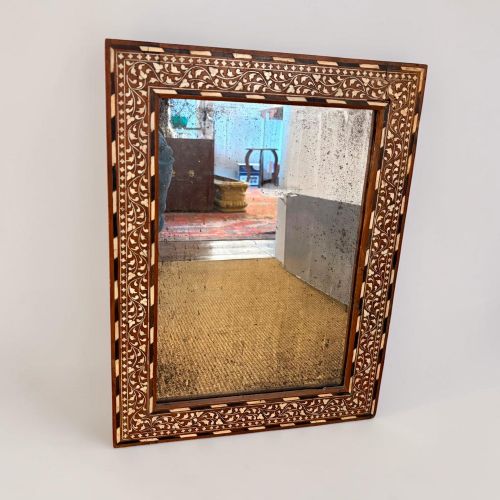
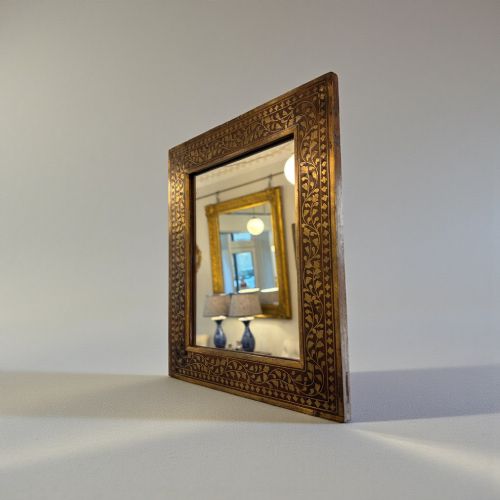
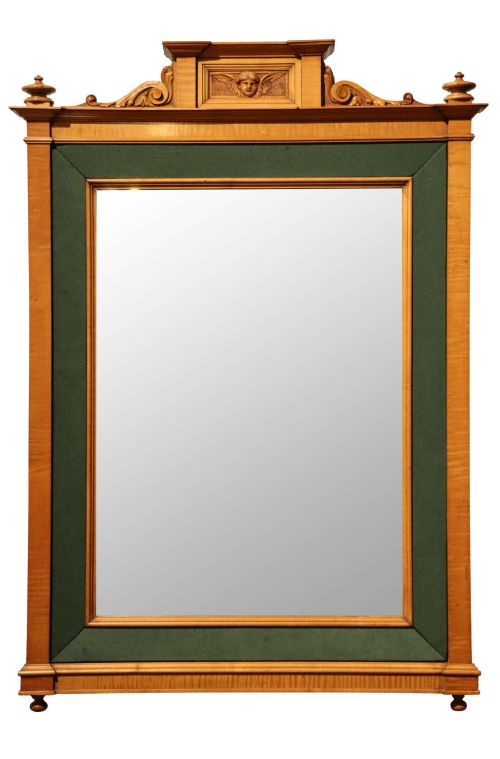
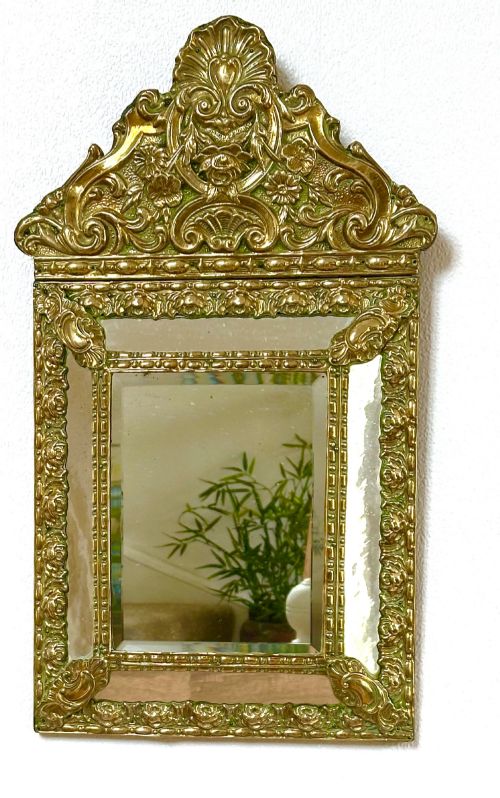
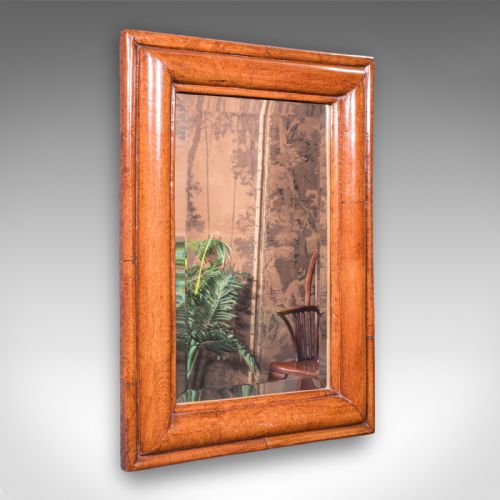
Frames are constructed from timbers such as mahogany, oak, walnut, and beech, alongside cast brass and pressed brass sheet metal. Giltwood and gesso finishes provide decorative surfaces, sometimes painted with floral motifs or finished in silver gilt.
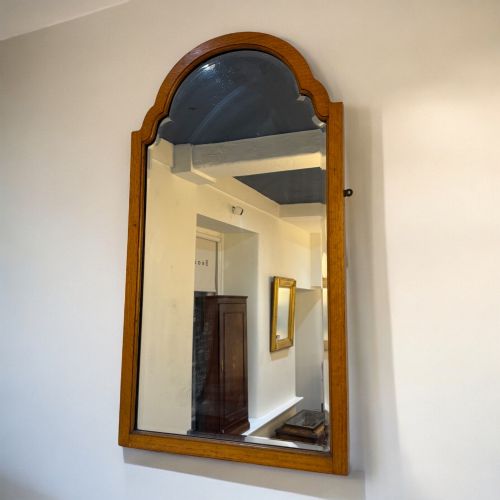
Mirror glass plates are set into the frames using original fittings where noted, frequently featuring bevelled edges that catch the light. Joinery and carving techniques reflect the period, from fret-cut fretwork on Georgian styles to smooth geometric lines on Art Deco pieces.
Listings feature periods from the eighteenth century through to Art Deco, utilising materials including mahogany, brass, gesso, and mirror glass.
Assessing quality and character
Quality in a vintage vanity wall mirror rests in the crispness of the original carving, the depth of the gilding, and the integrity of the timber. Hand-carved wooden frames and detailed brass castings distinguish finer examples from simpler production pieces.
The preservation of the original mirror plate adds considerable character and authenticity. The harmony between the glass, the frame, and any hanging fittings determines the overall coherence of the piece.
The Vintage Vanity Wall Mirror Glossary
- Bevelled glass
- Glass with an edge ground and polished to an angle thinner than the rest of the plate. This creates a prismatic light effect around the perimeter of the mirror.
- Giltwood
- Timber carved and coated with gold leaf or a metallic substitute. It defines the ornate surfaces of French and English decorative frames.
- Fret-cut
- Woodwork cut through with a fretsaw to create intricate openwork patterns. It is typical of Georgian mirror frames.
- Gesso
- A plaster-like material applied to wood surfaces as a base for gilding or painting. It allows for the moulding of relief decoration.
- Rococo
- An eighteenth-century style characterised by asymmetrical curves, scrollwork, and natural motifs. It saw revivals in nineteenth-century decorative arts.
Vintage Vanity Wall Mirror: Frequently Asked Questions
Where should I hang a vintage vanity wall mirror?
These mirrors suit hallways, bedrooms, and bathrooms depending on their original intended use and material resistance. Smaller oval versions work well above a small console or basin.
Ensure the wall fixings match the weight of the frame, particularly for heavier brass or mahogany examples.
How do I date a vintage wall mirror?
Dating relies on identifying the timber species, the style of the frame, and the construction of the backboards and fixings. Georgian and Victorian pieces show hand-cut elements, while Art Deco items feature geometric symmetry.
Examining the silvering and bevel on the glass plate also offers clues to the period.
Are these mirrors suitable for daily bathroom use?
Some period pieces, such as early twentieth-century chromed bathroom vanity mirrors, were designed for damp environments. Others, including giltwood and polished mahogany frames, require protection from excessive moisture to preserve the finish.
Check the back construction and frame material before placing a mirror in a steam-prone room.
What is the difference between a vanity mirror and a dressing mirror?
Vanity wall mirrors are built specifically to be hung on a vertical surface for grooming and reflection. Dressing mirrors often include pivoted stands or base boxes to sit on a tabletop.
The listings here focus on wall-hanging formats suited for smaller spaces.