
Vintage Uzbek Textile
When choosing a vintage uzbek textile, buyers examine hand-embroidered wall hangings, ceremonial horse covers, and vibrant ikat coats carrying centuries of Central Asian heritage.
Vintage Uzbek Textile
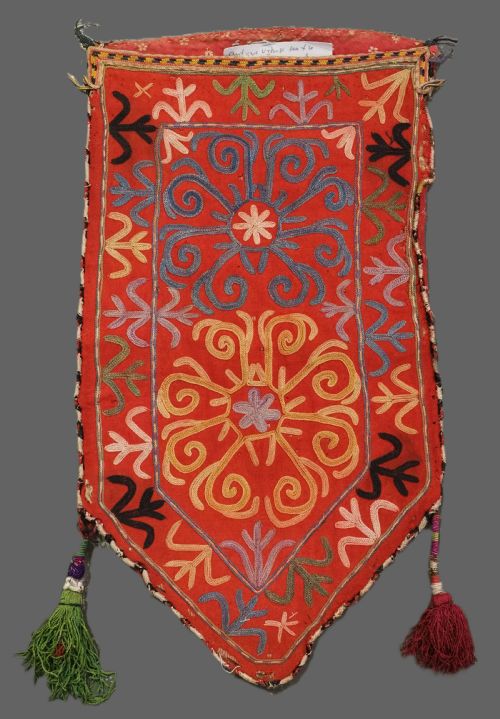
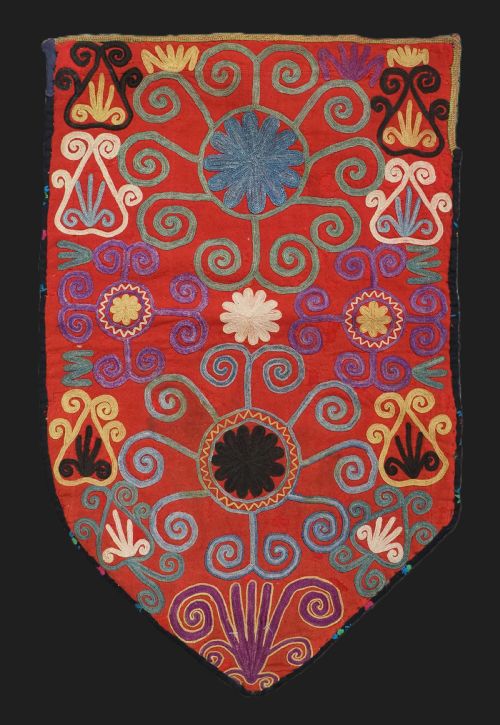
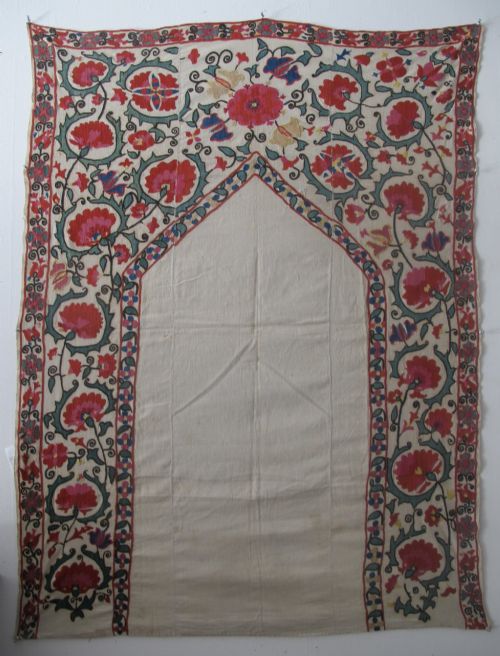
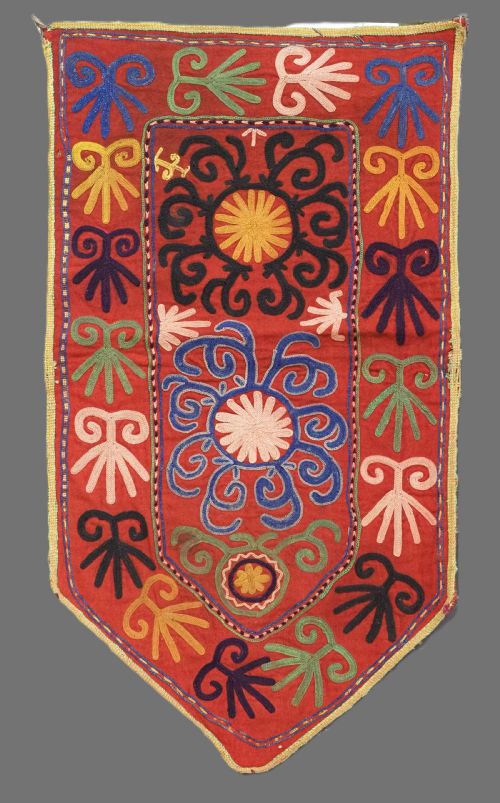
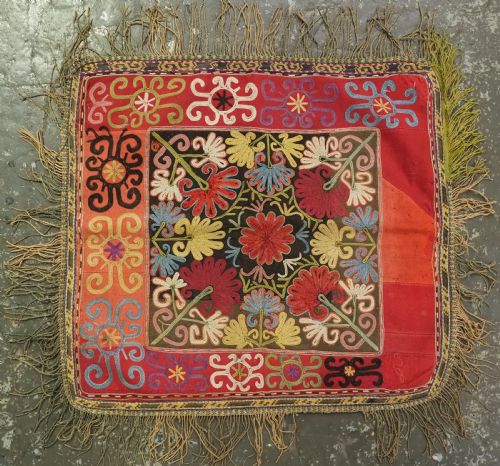
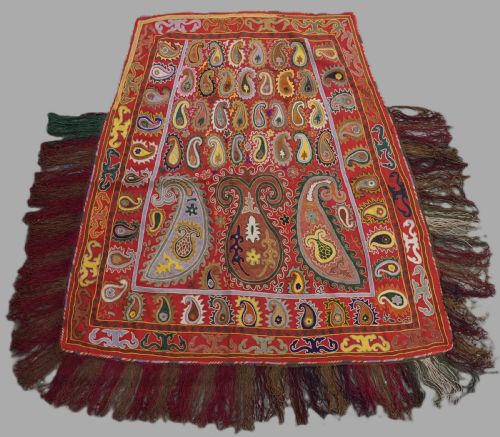
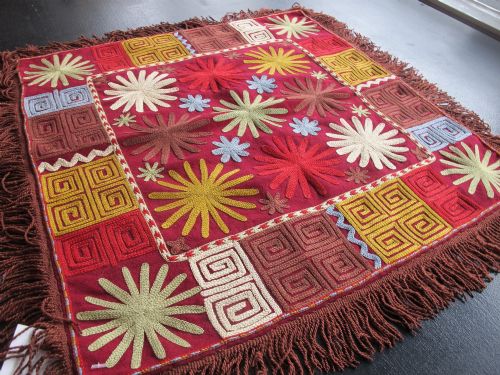
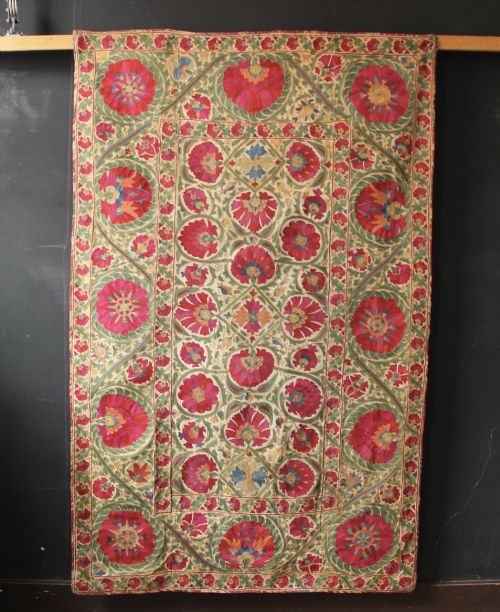
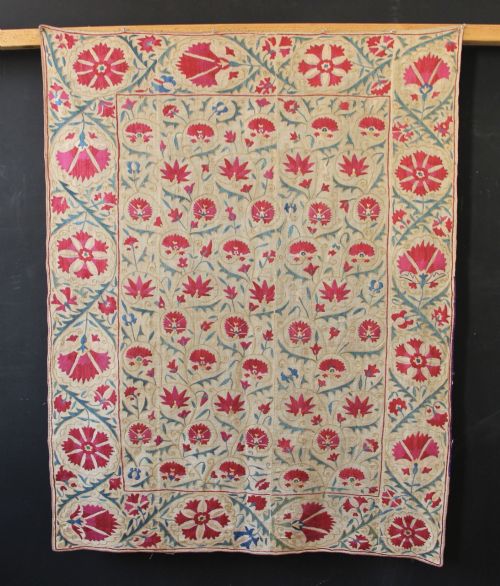
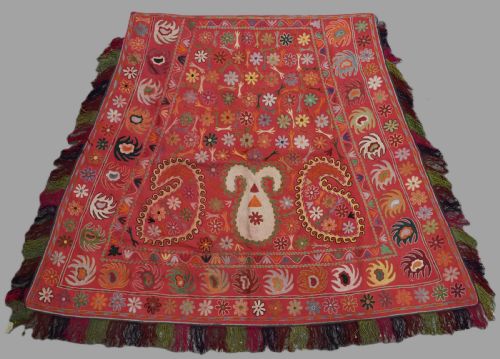
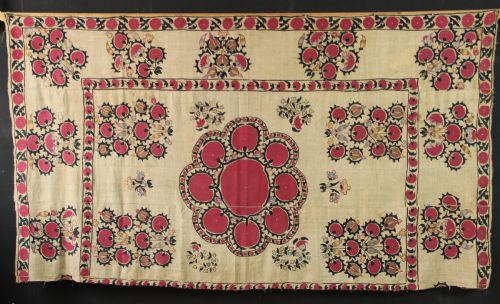
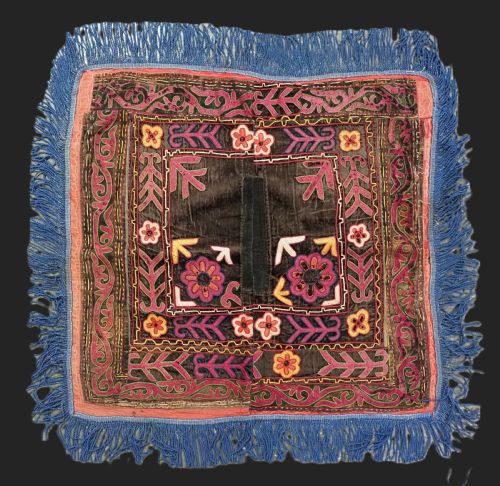
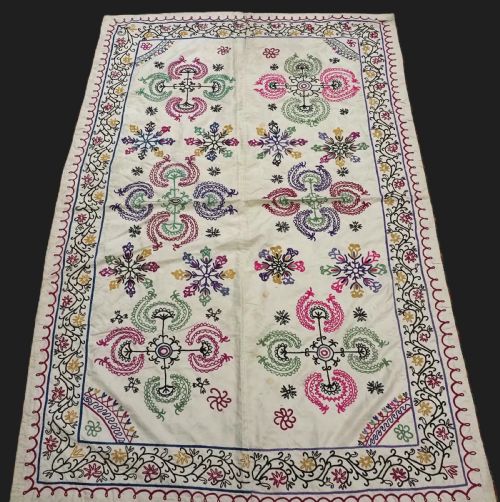
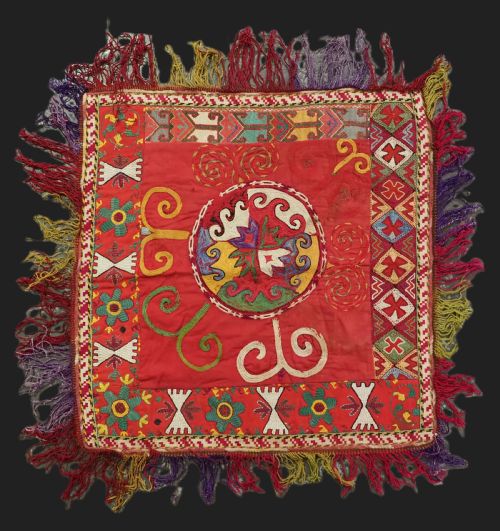
A vintage uzbek textile encompasses diverse traditional forms including suzani wall hangings, dowry embroideries known as ilgich, ceremonial horse covers, and padded coats originating from regions such as Bukhara, Samarkand, and Shakrisabz.
The selections span from the mid nineteenth century through the early twentieth century, reflecting Central Asian tribal and folk art traditions created by Uzbek, Lakai, and Tajik makers.
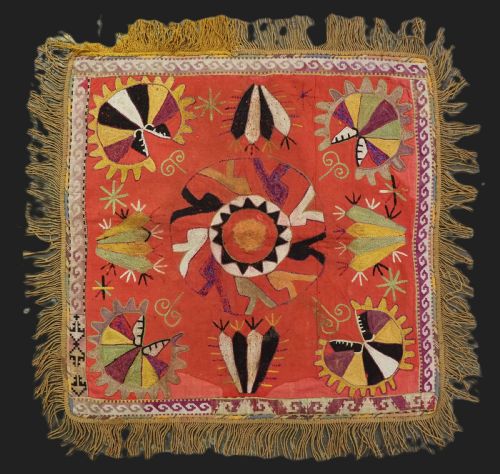
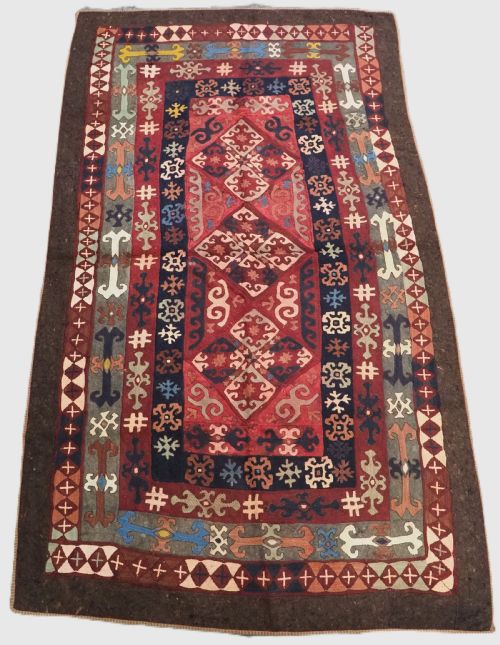
Pieces take various practical and decorative shapes, functioning primarily as wall panels, bed covers, fabric panels, and saddle rugs within domestic and ceremonial contexts.
How They Were Made
Artisans constructed these textiles using natural foundations of cotton, wool, felt, and silk, frequently employing vibrant silk thread and silver thread for detailed surface work.
Techniques combine intricate needlework for embroidered suzanies and tribal ilgiches with resist-dyeing methods used to produce semi-silk adras and silk ikat fabric panels.
Ground materials range from mogul red wool and red cotton to rich velvet, sometimes incorporating quilting and padding for winter use as seen in traditional garments.
Current listings feature textiles spanning the nineteenth and early twentieth centuries, incorporating silk, cotton, wool, velvet, and felt.
What Varies in Quality
Differentiation across the range stems from the complexity of the design layout, such as architectural motifs or large medallion variants, alongside the precision of the needlework.
The choice and preservation of ground fabrics, from fine silk on silk foundations to heavy embroidered felt rugs and velvet dresses with metal thread brocade, influence the overall impact of the piece.
Depth of colour retention and the integrity of traditional dyes applied to materials like adras and silk thread distinguish standard examples from exceptional historical specimens.
The Vintage Uzbek Textile Glossary
- Suzani
- An embroidered Central Asian wall hanging or domestic textile, traditionally worked in silk on a cotton or linen ground.
- Ikat
- A dyeing technique where yarns are pattern-dyed before weaving, creating characteristic blurred edges on panels and coats.
- Ilgich
- A specific type of dowry embroidery or wall hanging produced notably by the Lakai tribe.
- Adras
- A traditional semi-silk fabric woven with a cotton warp and a silk weft, commonly used for ikat panels.
- Khalat
- A traditional gentleman's coat or robe originating from regions like Bukhara and Samarkand, often fashioned from silk ikat.
Vintage Uzbek Textile: Frequently Asked Questions
How were suzanies used originally?
Families utilised these large embroidered textiles primarily as wall decorations, dowry items, and ceremonial coverings within traditional Central Asian homes.
They also served practical domestic functions as bed covers and room dividers, marking significant milestones and marriages.
What is a Lakai ilgich?
An ilgich is a specific style of dowry embroidery created by the Lakai tribe, typically intended for use as a wall hanging or storage bag.
These pieces stand out for their distinct tribal motifs and energetic needlework executed on various woolen or cotton grounds.
How do I care for antique textiles?
Protect these delicate fabrics from direct sunlight to prevent the natural dyes and silk threads from fading over time.
Mount them securely without placing undue tension on the historical ground cloth, and avoid chemical cleaning methods.
What distinguishes an ikat coat?
Ikat coats, known locally as chapan or khalat, display distinctive patterns formed by resist-dyeing threads prior to the weaving process.
Tailored for regional wear, these garments often feature quilted and padded construction designed for warmth during winter months.