





Vintage Urn with Pedestal
A vintage urn with pedestal brings classical weight and presence to a room, offering a sculptural focal point that anchors interior or garden schemes.
Vintage Urn with Pedestal
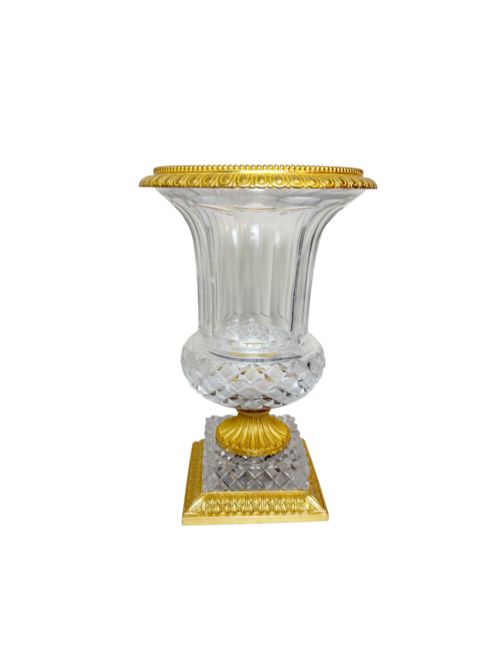
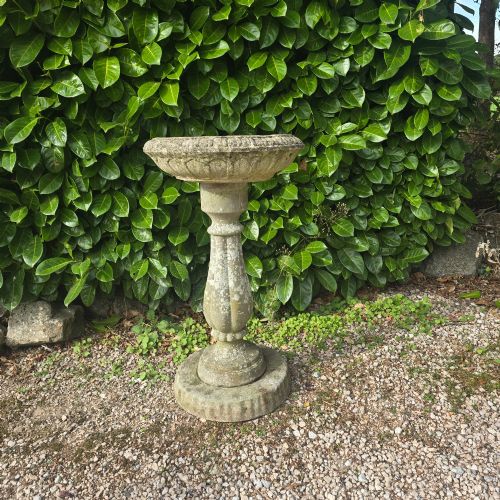
A vintage urn with pedestal combines a vessel form with a raised stand, drawing on classical and neoclassical traditions. These pieces range from substantial outdoor garden urns set on sturdy plinths to decorative indoor vessels.
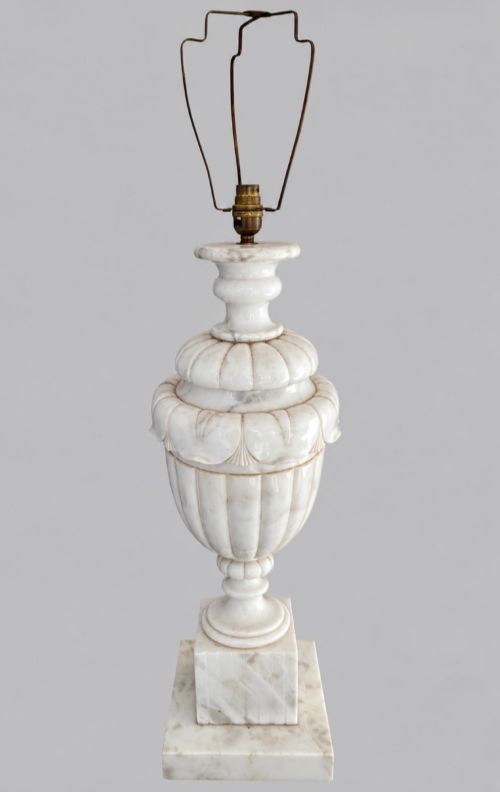
The selection on this page encompasses metal work, stone, and ceramic examples spanning the Victorian era, the nineteenth century, and the early twentieth century. Forms include campana shapes and figural garden pieces alongside interior decorative jars.
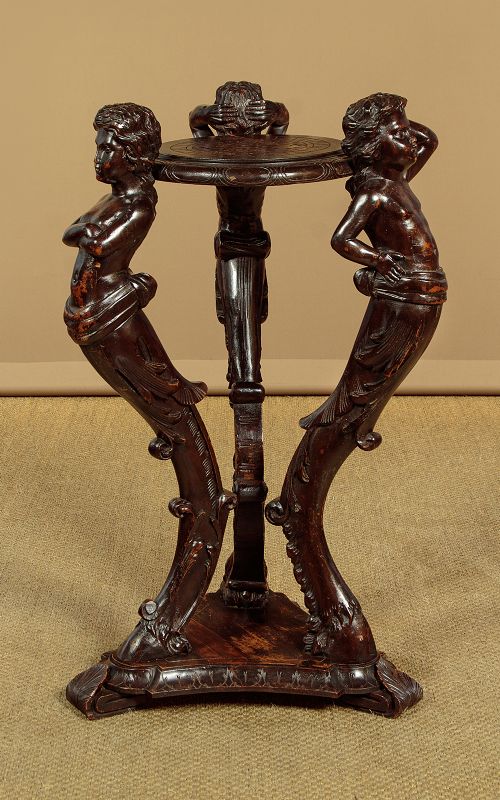
Buyers encounter a mix of heavy cast iron gardenware designed for weathering and finer decorative vessels utilising brass, ceramic, and carved wood. Each pairing of urn and base creates a distinct vertical proportion suited to formal spaces.
How they were made
Metal items rely on traditional foundry methods, using cast iron for durable garden pieces and brass for polished interior vessels. These techniques allow for crisp relief details such as classical foliage and figural mounts.
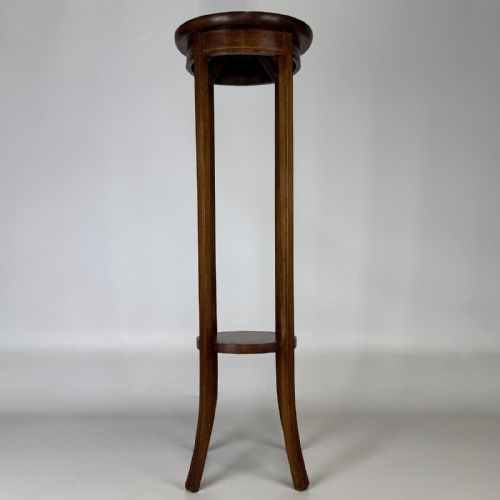
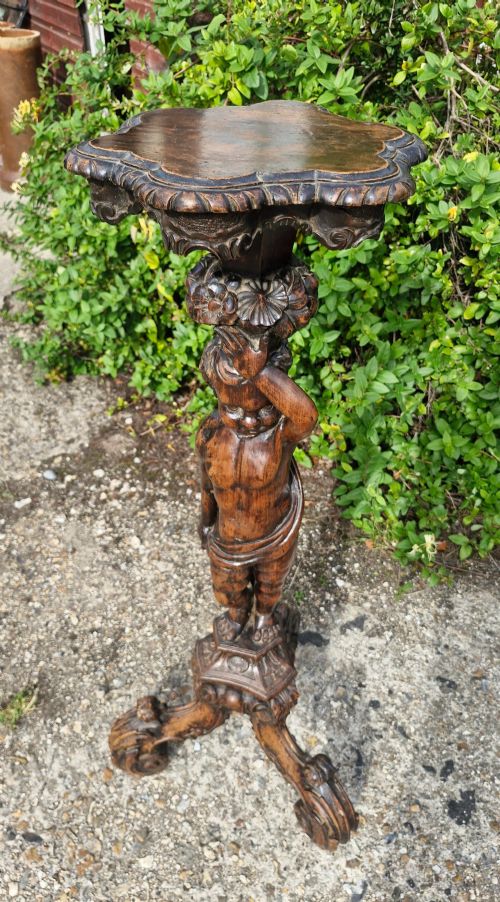
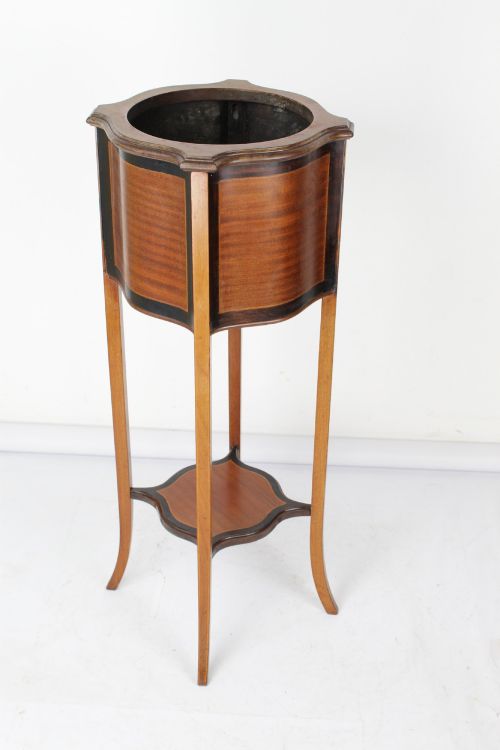
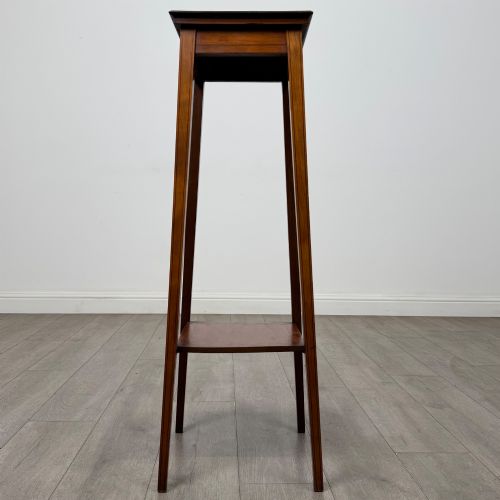
Stone and ceramic examples utilise durable casting or ceramic forming processes, producing weather-resistant garden urns and glazed planters with lion head decorations. Wood components utilise traditional cabinet-making skills, including turning and joining for pedestals.
Vintage Urn with Pedestal Retail Price Guide 2026
Typical asking prices for vintage urn with pedestal among the pieces listed under this phrase on Sellingantiques today, from the lower quarter to the upper quarter. They describe what is for sale here now, not the wider market.
What varies in quality
Quality rests in the crispness of the casting and the fidelity of the classical detailing, where sharper mouldings and well-defined relief work distinguish superior examples from simpler production. The integrity of the materials, from heavy cast iron to dense stone and solid wood, dictates the physical presence of the piece.
Proportion and balance between the upper vessel and its supporting base define the visual success of the combination. Pieces that retain integrated plinths or patination appropriate to their age demonstrate a harmonious integrity valued by collectors.
Andrew Handyside
The Vintage Urn with Pedestal Glossary
- Campana
- A bell-shaped garden urn with a flared rim and a footed base, frequently seen in classical and Victorian designs.
- Plinth
- A heavy rectangular or square block base that elevates an urn or sculpture, providing stability and visual presence.
- Neoclassical
- A style drawing on ancient Greek and Roman forms, characterised by symmetry, restraint, and classical architectural motifs.
- Majolica
- A type of earthenware decorated with opaque colourful tin glazes, often featuring bold relief modelling.
- Patina
- The surface texture and coloration developed by materials through age, use, and exposure to the elements.
Vintage Urn with Pedestal: Frequently Asked Questions
Where should I place a garden urn?
Heavy cast iron urns on plinths suit formal garden paths, terrace corners, or lawn focal points where they withstand weather exposure.
Lighter indoor brass or ceramic versions fit on side tables, pedestals, or mantels as decorative interior accents.
How do I care for cast iron urns?
Cast iron garden pieces require periodic checks for rust, particularly in damp climates, and benefit from protective coatings.
Keeping drainage holes clear prevents water accumulation and subsequent frost damage during colder months.
Are these urns suitable for planting?
Many stone and iron garden urns are designed specifically to hold soil and live plantings outdoors.
Interior brass or ceramic vessels function better as dry decorative objects or cachepots holding potted plants with protective liners.
How do I date a Victorian urn?
Victorian pieces often display characteristic nineteenth-century revival motifs, heavy casting techniques, and maker marks associated with period foundries.
Comparing the casting quality and material composition against documented nineteenth-century examples helps confirm the era.