




Vintage Twin Handle Vase
A vintage twin handle vase brings symmetry and presence to a room, offering classic form through porcelain, brass, earthenware and bronze.
Vintage Twin Handle Vase
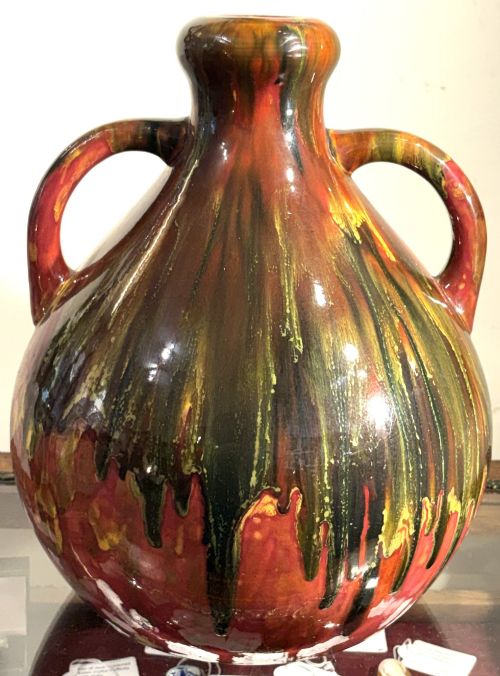
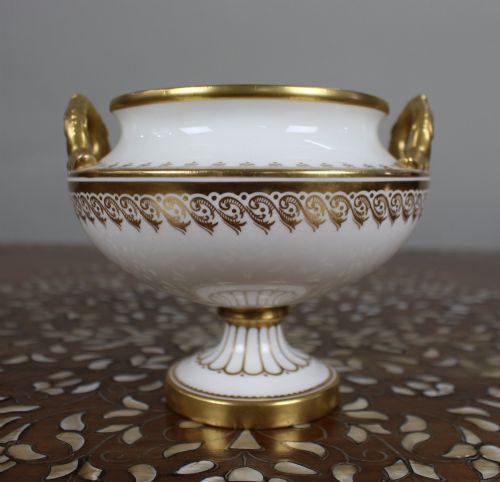
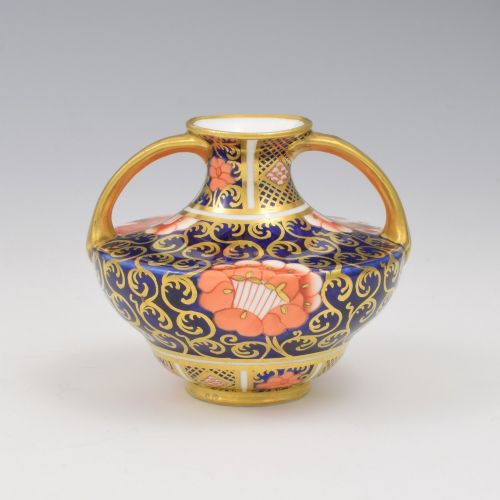
When searching for a vintage twin handle vase, collectors encounter diverse vessels spanning the Victorian, Edwardian, and Art Nouveau periods, alongside Arts and Crafts designs. These pieces range from substantial porcelain urns and earthenware vessels to decorative brass and bronze twin-handled shapes.
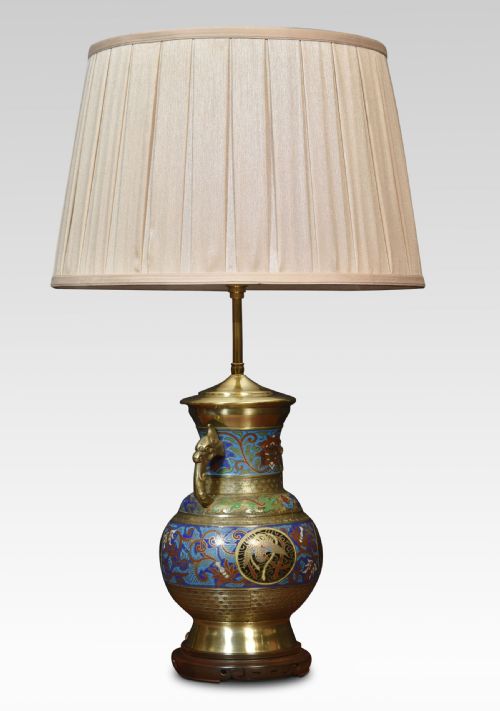
The selections on this page showcase notable British factories such as Royal Worcester, Royal Crown Derby, Coalport, and Burmantofts, alongside continental works and Chinese cloisonne or celadon lamps. Buyers most frequently meet porcelain and ceramic examples featuring hand-painted decoration, gilding, or raised enamel.
Forms vary from miniature cabinet pieces to large ovoid shapes and pairs of decorative urns. Many examples function as traditional floral vessels, while others arrive converted into table lamps.
What varies in quality
Quality rests in the execution of the hand-painted decoration and the crispness of the modelled handles. Pieces featuring signed work by recognised artists display superior artistic ambition compared to standard factory output.
The weight and finish of the material, whether finely potted porcelain or substantial cast brass, determine the piece's standing. Intricate details like raised white enamel and gold leaf gilding separate finer decorative examples from simpler production items.
Storks appear with surprising frequency on Victorian and Edwardian porcelain, standing regally beside hand-painted riverbanks.
Royal Worcester·Royal Crown Derby·Burmantofts·Coalport·Roger Guerin·Royal Vienna·Samson Paris
The Vintage Twin Handle Vase Glossary
- Gilding
- The application of gold leaf or gold powder to the surface of porcelain or metal. This technique highlights handles, rims, and decorative borders.
- Cloisonne
- An ancient metalworking technique employing wire partitions to hold enamel paste. Cells are filled and fired to create colourful decorative patterns.
- Earthenware
- Porous pottery fired at lower temperatures than porcelain. It forms the robust body for many historic art pottery vessels.
- Ovoid
- An egg-shaped vessel form common in ceramic vases. This contour provides a wide canvas for painted floral or landscape scenes.
- Enamel
- Vitreous material fused to metal or ceramic surfaces through firing. Raised enamel adds tactile dimension to floral and abstract motifs.
Vintage Twin Handle Vase: Frequently Asked Questions
How are these vases cleaned?
Dust surfaces gently with a soft, dry cloth to protect delicate gilding and hand-painted enamel details. Avoid harsh chemical cleaners that might strip surface decoration.
Water should not stand inside antique ceramic or metal vessels for long periods. Keep them away from direct sunlight to preserve pigment vibrancy.
Can I use them for flowers?
Many ceramic and porcelain vessels hold water safely for fresh floral arrangements. Inspect the interior first for any hairline cracks that could leak.
Metal and electrified lamp conversions suit dry display rather than water use. Dried stems or faux foliage protect interior glazes from moisture damage.
How do I date a piece?
Factory backstamps on the underside of porcelain and earthenware provide the most reliable dating evidence. Stylistic indicators like Art Nouveau curves or Victorian proportions offer further clues.
Comparing painted signatures and pattern numbers against historical factory records narrows down the production era. Materials like brass and bronze also reflect period manufacturing standards.
Why two handles?
Twin handles originated in classical antiquity for lifting heavy oil and wine amphorae safely. Later European potteries adopted the shape purely for decorative symmetry and presence.
Handles balance the visual weight of tall ovoid bodies and urns. They frame the painted panels centrally on display pieces.