


Painted Ceramic Flower Vase
When you search for a painted ceramic flower vase, you find vessels that bring botanical artistry directly into domestic spaces.
Painted Ceramic Flower Vase
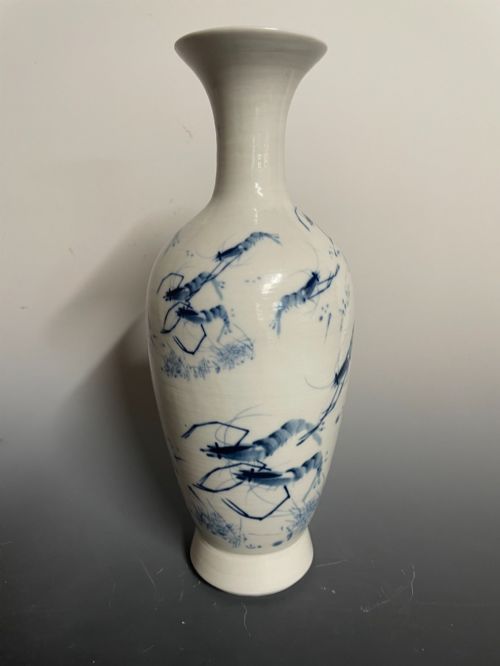
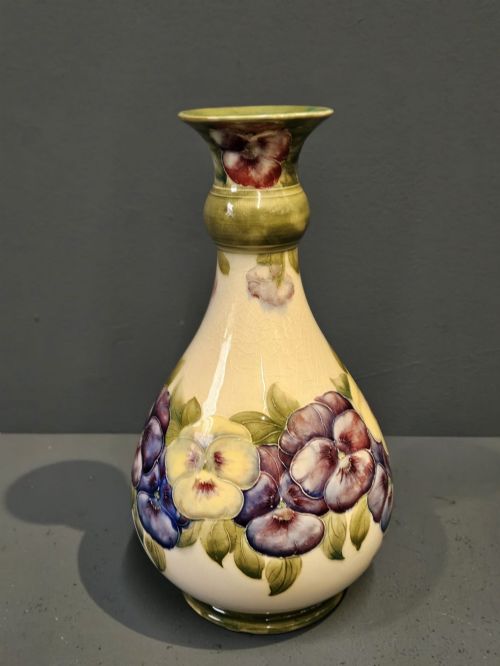
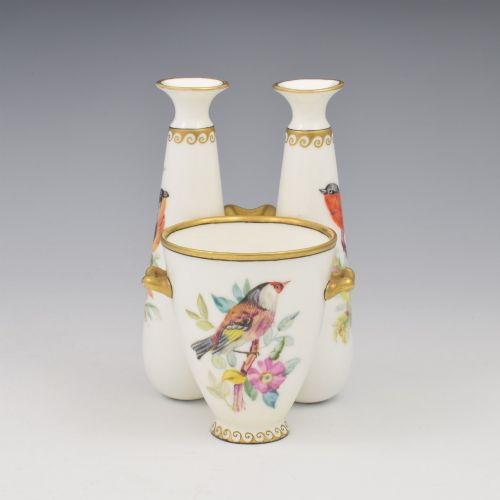
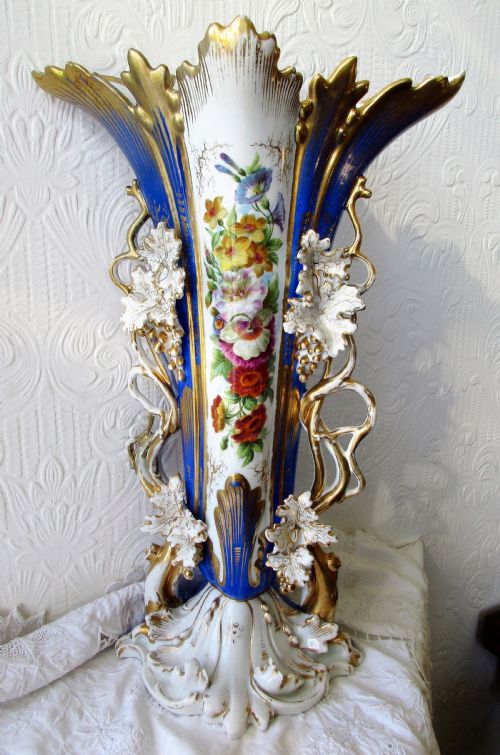
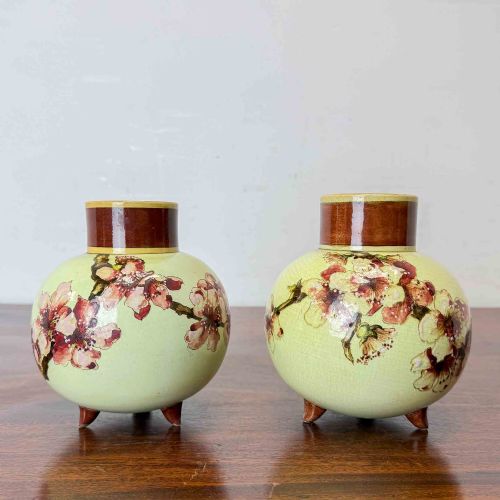
A painted ceramic flower vase represents a fusion of pottery and fine pictorial art, spanning centuries of global craftsmanship. These vessels take forms ranging from tall baluster shapes and tulip containers to traditional jars and twin-handled urns, designed specifically to display cut blooms or stand alone as decorative statements.
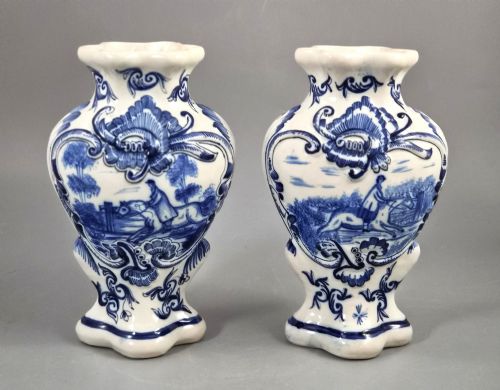
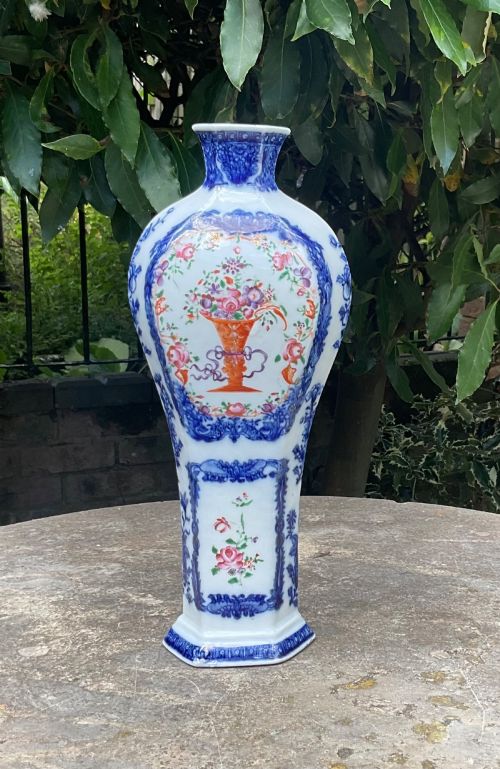
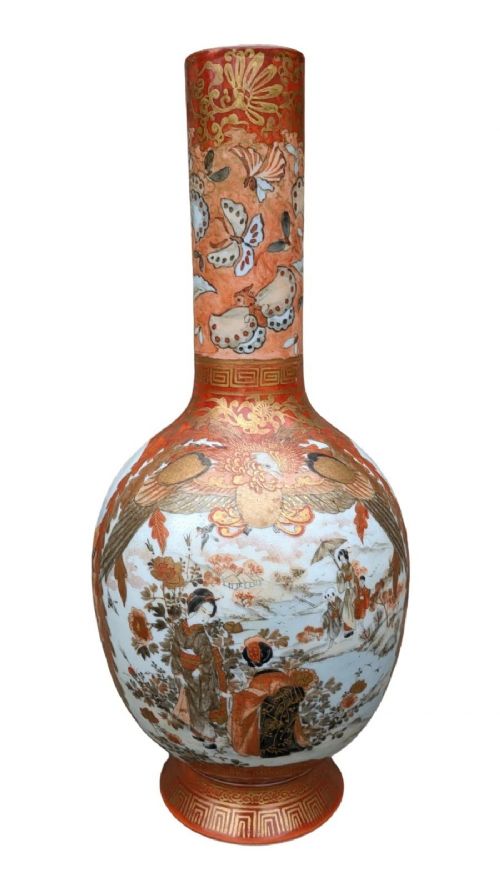
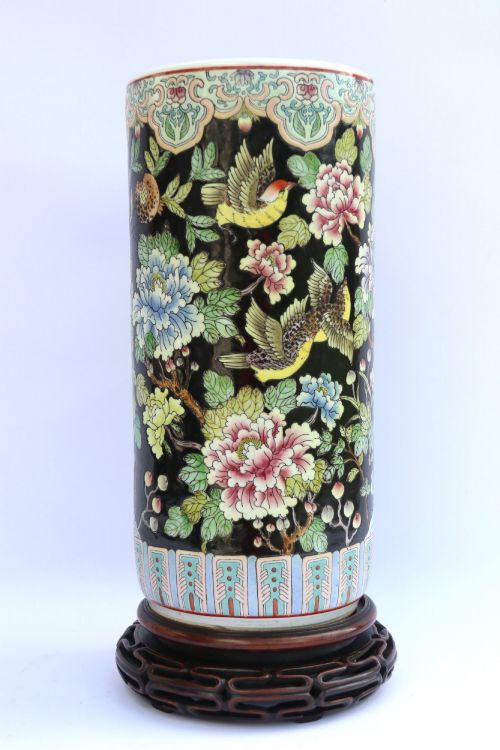
The selections encountered here cross multiple aesthetic traditions, including Victorian English porcelain, French faience, intricate Japanese Imari wares, and Chinese famille rose pieces. Dating largely from the nineteenth and early twentieth centuries, these painted vessels reflect the prevailing botanical interests and decorative tastes of their respective periods.
How They Were Made
Maker's workshops utilised earthenware, porcelain, and majolica as primary ceramic bodies, shaping them by hand or on the potter's wheel before initial firing. Artisans then applied colourful ceramic glazes and hand-painted pigments directly onto the surface, often incorporating raised white enamel, intricate gilding, or gold leaf.
Many of these pieces underwent multiple firings to fix the detailed floral or ornithological paintings beneath or above the glaze. Techniques varied from the delicate brushwork seen on English botanical porcelain to the bold blue and white designs of Dutch Delft and Chinese export ceramics.
Victorian households sometimes used specialised garlic-shaped vases simply to baffle visiting guests with unusual botanical silhouettes.
What Varies in Quality
The standard of a painted ceramic flower vase depends heavily on the precision and fluency of the brushwork applied to its surface. Pieces featuring meticulously detailed, hand-painted flora and fauna by named or skilled studio artists command greater attention than mass-produced transfer-printed equivalents.
Material composition and technical execution also dictate worth, distinguishing fine, translucent porcelain bodies from heavier earthenware. The crispness of the gilt accents, the richness of the enamel work, and the symmetry of the form itself separate standard production wares from exceptional studio output.
Fourmaintraux-Courquin·Royal Worcester·Doulton Lambeth·Moorcroft McIntyre·Samson Paris·Doulton Burslem·Cantagalli·Coalport
The Painted Ceramic Flower Vase Glossary
- Famille rose
- A major palette of Chinese ceramic glazes introduced in the eighteenth century, distinguished by opaque pink or purple enamels used for floral and figurative painting. This vibrant colouring technique became highly prized across European and domestic collections.
- Faience
- Tin-glazed earthenware produced in France, England, and other European regions, noted for its absorbent porous body and painted decoration applied directly onto an opaque white glaze. It frequently emulates the visual appeal of costly oriental porcelain.
- Imari
- A style of Japanese export porcelain characterised by a distinct colour scheme of underglaze blue and reddish-orange overglaze, often enriched with gilt details. These patterns typically feature complex panels of flowers and natural motifs.
- Majolica
- Earthenware covered with an opaque tin-lead glaze and brightly painted with metallic oxide colours before a final firing. The technique produces a glossy surface well-suited to decorative garden and floral subjects.
- Bough pot
- A specialised ceramic vessel fitted with a pierced cover, originally intended for holding cut branches or floral arrangements in a fireplace during summer months. These containers often take architectural or urn-like shapes.
Painted Ceramic Flower Vase: Frequently Asked Questions
Can these vases still hold water?
Many nineteenth-century and earlier ceramic vessels were produced primarily for decorative display rather than daily utility. Micro-fissures in the glaze or historical hairline fractures can cause water to leak and potentially damage the ceramic body.
If using them for fresh flowers, insert a discreet, watertight plastic or glass liner inside the vessel. This protects the historic interior from moisture and mineral deposits.
How do I identify the period of a ceramic vase?
Examine the base for maker's marks, impressed factory stamps, or painted cyphers that correspond to known historical registers. Stylistic indicators, such as Victorian aesthetic movement motifs or Art Deco geometric forms, also offer reliable chronological clues.
The weight and composition of the ceramic body, alongside the nature of the hand-painting, help distinguish nineteenth-century production methods from later reproductions.
What is the difference between porcelain and earthenware?
Porcelain is a dense, vitrified ceramic fired at extremely high temperatures, resulting in a non-porous body that is often translucent when held to light. Earthenware is fired at lower temperatures, producing a more porous, heavier material that requires an impermeable glaze to hold liquids.
Historically, porcelain was associated with finer, more costly decorative items, whereas earthenware served both utilitarian and ornamental purposes across various price points.