
Vintage Turned Leg Stool
A vintage turned leg stool brings honest utility and vernacular character to a room, spanning rustic country seating to formal Edwardian examples.
Vintage Turned Leg Stool
A vintage turned leg stool encompasses a variety of domestic and tavern seating options produced across multiple centuries, including Victorian, Edwardian, and Georgian periods. Buyers searching this phrase typically encounter sturdy country forms alongside refined occasional pieces utilised in period interiors.
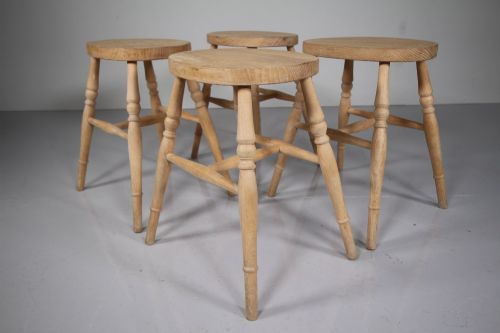
Styles stretch from rustic farmhouse and Arts and Crafts designs to Jacobean revival pieces. These items serve flexibly as footstools, side tables, or standalone seating within contemporary spaces.
Materials and construction methods
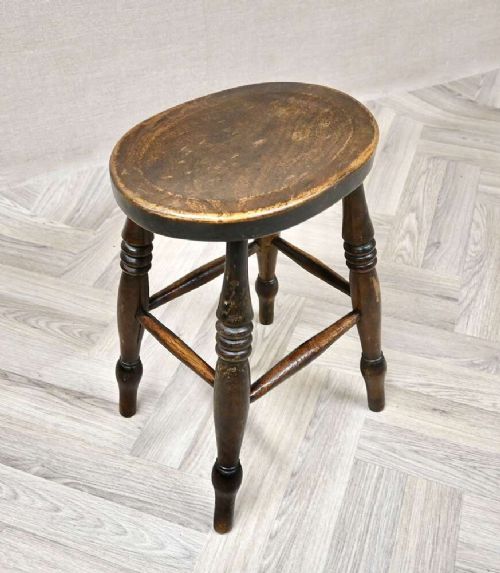
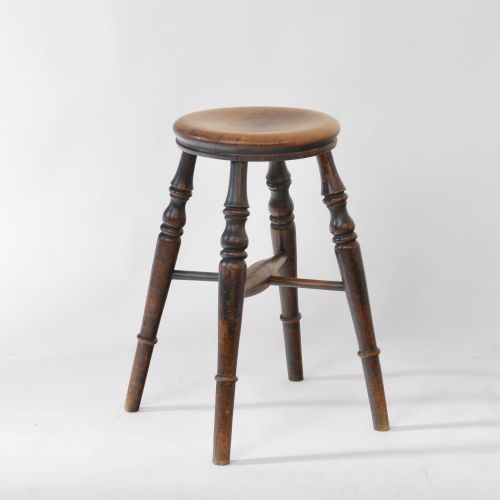
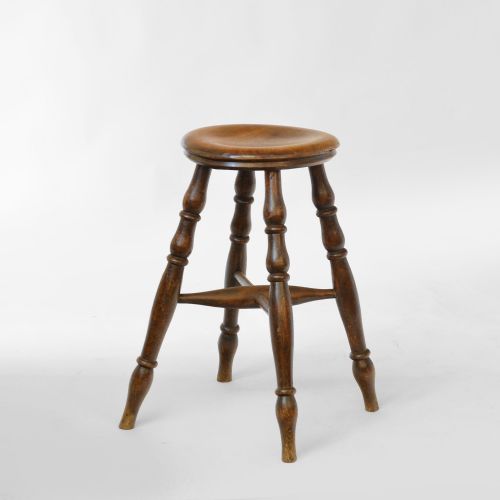
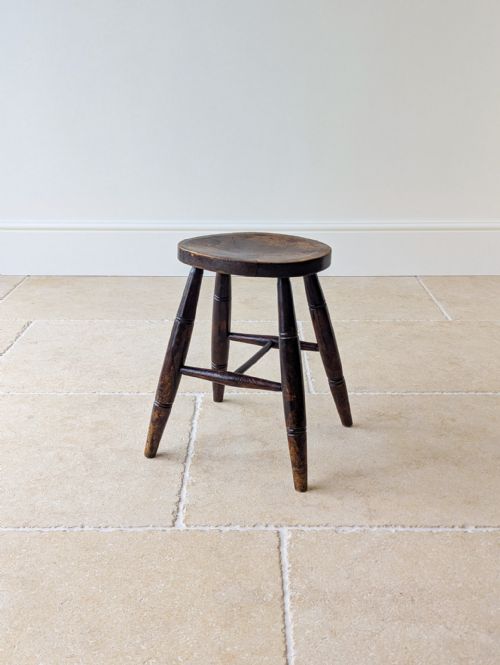
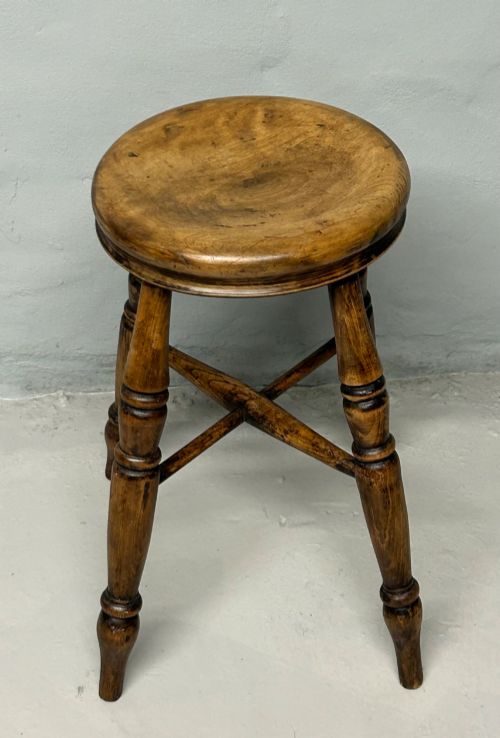
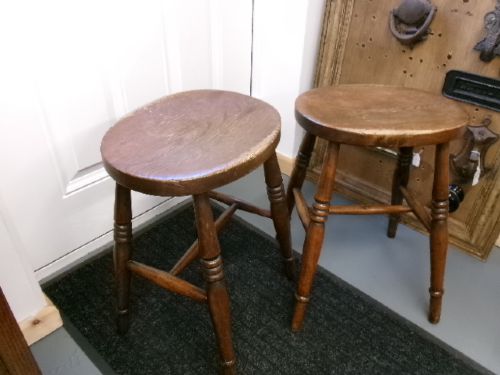
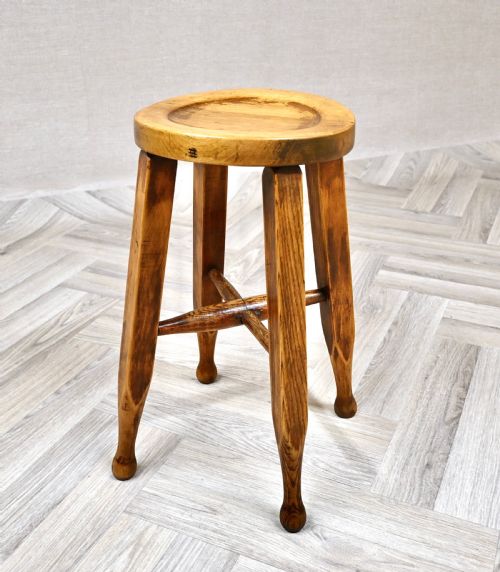
Makers utilised solid timbers such as oak, elm, and beech for the primary frames and legs, employing lathe-turning techniques to shape structural supports. Seats were frequently fashioned from single slabs of sycamore or elm, sometimes shaped into oval or dished profiles.
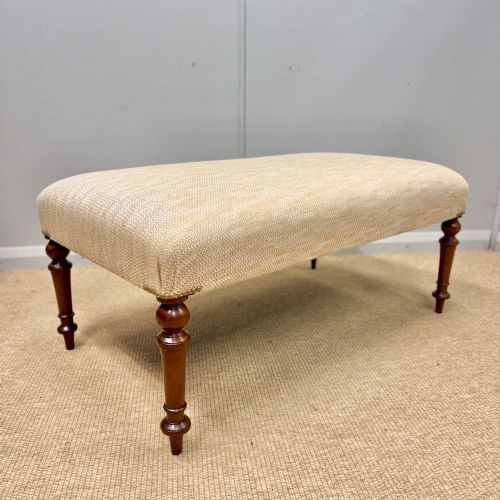
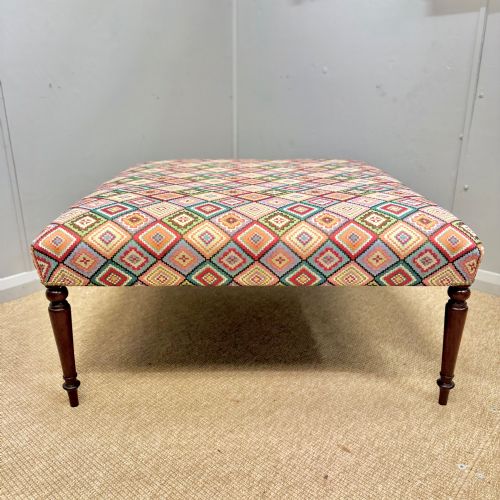
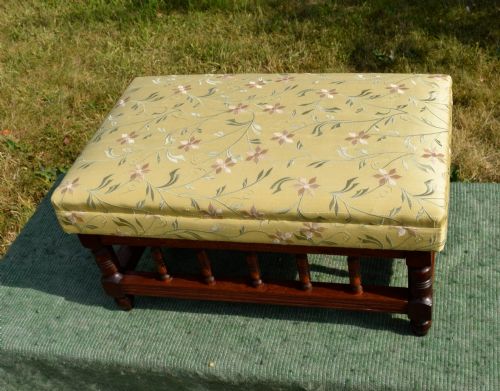
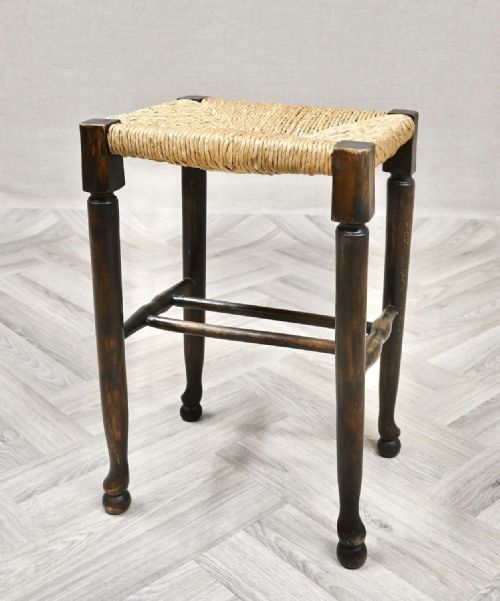
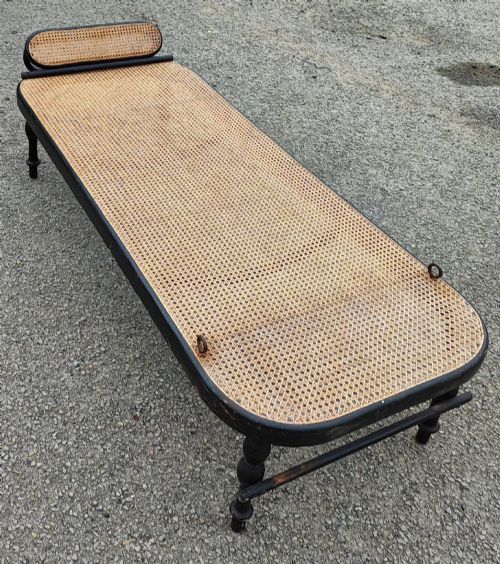
Alternative variations incorporate caned panels, rush seating, or newly applied upholstery fabrics over sturdy hardwood bases. Brass fixtures and ebonised finishes appear on select pieces alongside traditional pegged joinery.
Assessing quality in turned leg stools
Quality separates through the selection of timber and the precision of the lathe work on the legs, where crisp detailing distinguishes superior craftsmanship from utility pieces. The integrity of the original joints and the choice of native hardwoods like elm or oak over softer alternatives elevate a piece.
Surface patination and the retention of original finishes, whether bare wood, early paint, or period upholstery, dictate desirability. The balance between structural robustness and refined proportions marks the difference between standard workshop output and exceptional examples.
Brown and Lamont·Liberty and Co
The Vintage Turned Leg Stool Glossary
- Turned leg
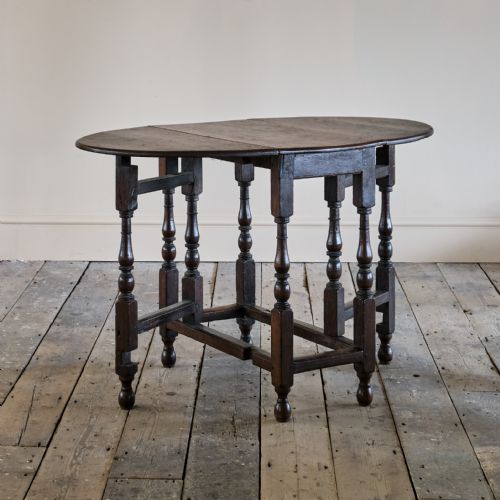
- A support shaped by mounting timber on a lathe and rotating it against cutting tools. This method creates cylindrical, bobbin, or ball-shaped profiles common in period furniture.
- Dished top
- A seat surface carved or hollowed into a shallow concave depression. This shaping enhances the comfort of wooden seats without requiring upholstery.
- Joint stool
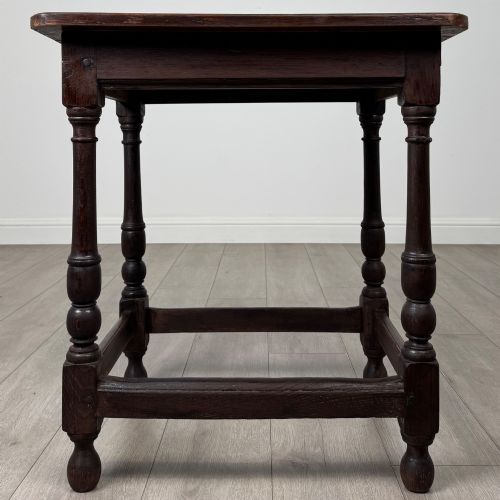
- A sturdy wooden stool constructed with mortise and tenon joints secured by wooden pegs. These pieces typically date from earlier revival periods and offer exceptional load-bearing strength.
- Caned top
- A woven seat panel constructed from split rattan or cane strips. This technique provides a resilient yet lightweight seating surface seen on Edwardian and Victorian variations.
- Pub stool
- A tall or counter-height seating form built for commercial tavern use. They usually feature robust turned stretchers designed to support the feet.
Vintage Turned Leg Stool: Frequently Asked Questions
How do I date a turned leg stool?
Dating relies on identifying the timber species, joinery methods, and turning styles characteristic of specific periods like the Victorian era or the Edwardian years. Tool marks and structural wear offer further clues to a piece's age.
Examining whether pegs are hand-cut or machine-made helps narrow down the decade of production. Comparative analysis with dated examples in the inventory provides a reliable timeline.
Were these stools used in homes or pubs?
The inventory contains both domestic furnishings, such as piano stools and footstools, and commercial seating like tavern or bar stools. Vernacular country pieces served various everyday utilitarian functions.
Pub stools generally feature taller profiles and heavy stretchers for durability in public houses. Domestic variants often display finer turning and caned or upholstered seats suited for parlour use.
How should I care for antique wooden stools?
Maintain wooden surfaces by applying appropriate furniture wax periodically to nourish the timber and preserve the historic patina. Avoid placing pieces near direct heat sources to prevent wood splitting.
Upholstered or caned variants require gentle dusting and careful handling to protect delicate woven materials. Ensuring stable humidity levels in the room safeguards both the joints and the finish.
Can these stools function as small tables?
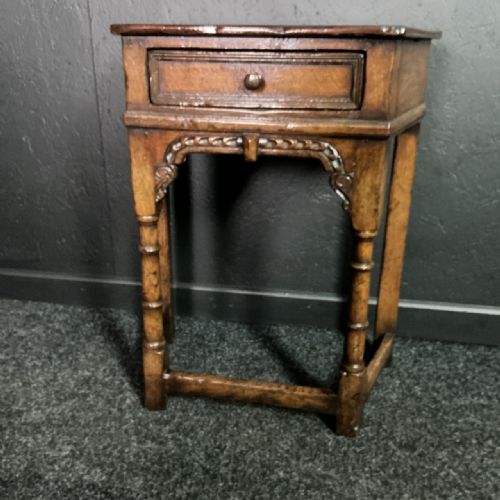
Many sturdy wooden stools, particularly low oak and elm examples, function effectively as compact side tables or plant stands. Their flat surfaces and solid construction accommodate everyday display uses.
Flat-topped country stools and square variations transition smoothly from seating to occasional table roles in smaller rooms. Their modest footprints make them versatile additions to modern interior layouts.