



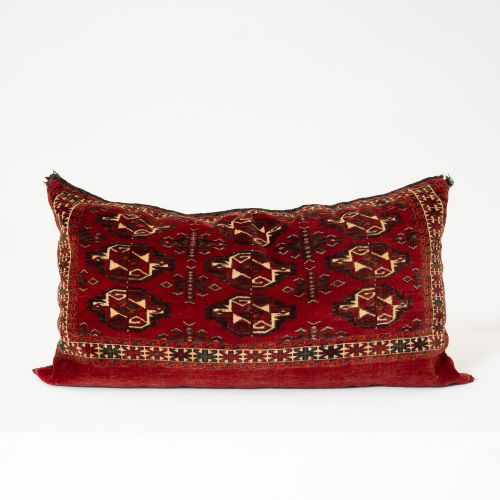
Vintage Turkmen Weaving
Vintage Turkmen weaving encompasses tribal rugs, wall hangings, and functional bags created by Central Asian nomads using traditional motifs.
Vintage Turkmen Weaving
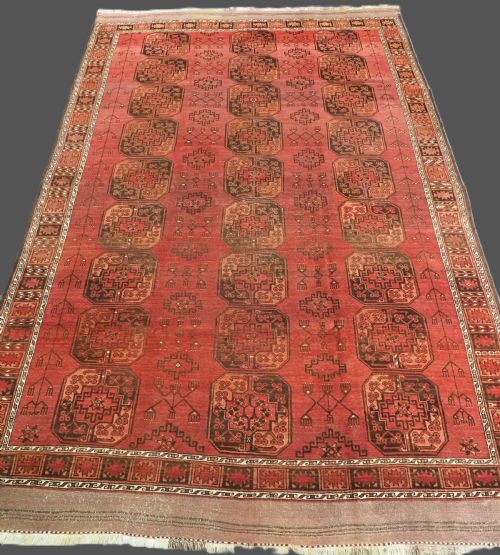
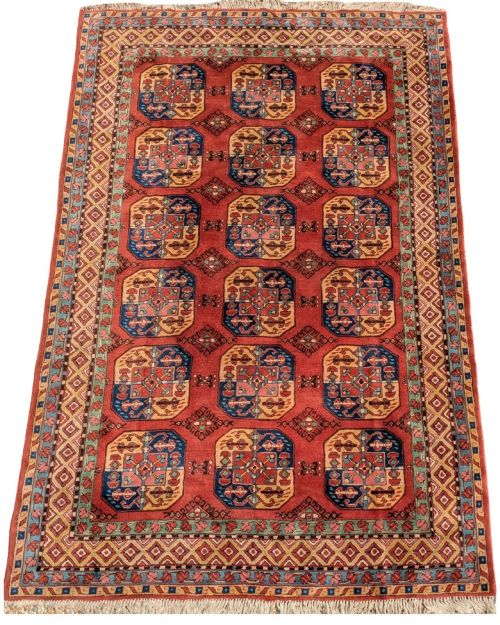
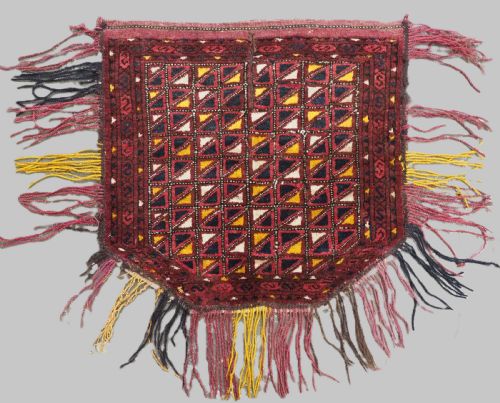
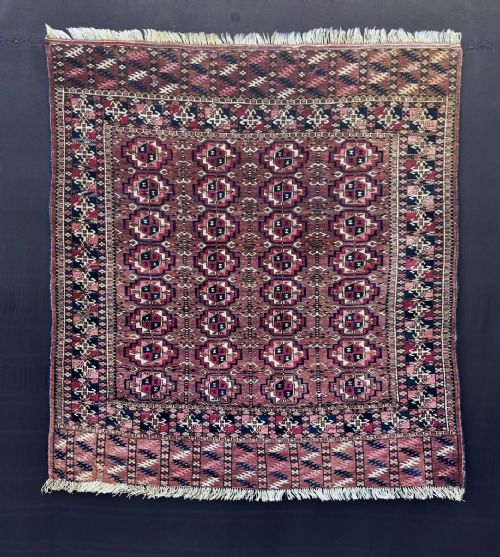
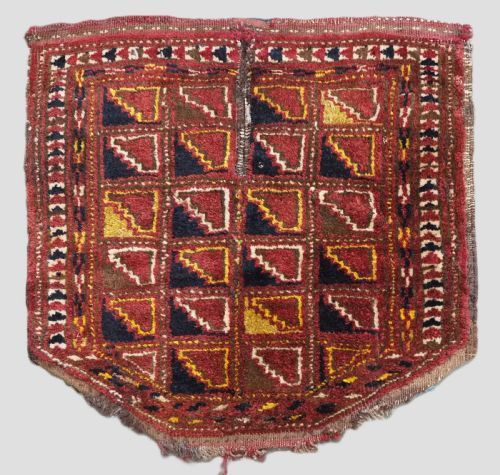
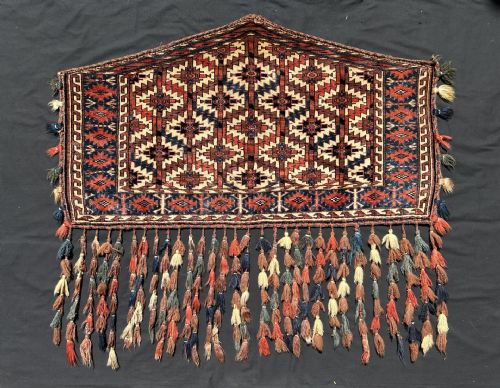
Vintage Turkmen weaving encompasses a variety of nomadic artefacts, including large carpets, wall hangings, and smaller domestic storage items like torbas and chuvals. Buyers searching this phrase primarily encounter pieces originating from Central Asian tribal groups such as the Tekke, Yomut, and Ersari.
The objects served practical and ceremonial roles within nomadic life, functioning as dowry rugs, tent door hangings, horse covers, and storage bags. Examples on this page span from the mid-nineteenth century into the early twentieth century, reflecting the material culture of the Turkmen and related regional tribes.
Materials and construction
Weavers constructed these textiles primarily using hand-spun wool and cotton foundations, often incorporating natural dyes to achieve deep regional palettes. Certain pieces also feature silk highlights and glass beads for decorative emphasis.
Techniques range from pile carpets and detailed bag faces to flatwoven kilims and banded flatweave designs. Artisans integrated structural elements such as original tassels and hanging loops directly into functional domestic items.
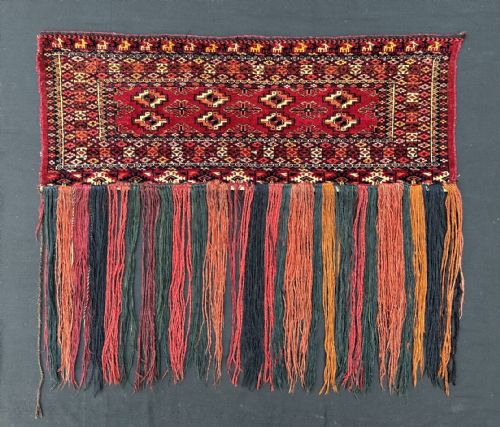
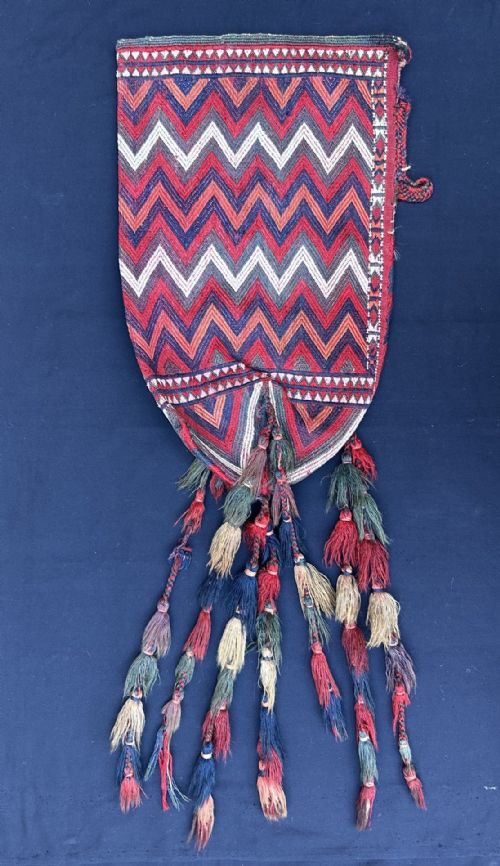
Nomadic weavers packed these miniature bags with everything from wool spindles to wedding gear, proving that historical storage could travel by camel.
Assessing quality and craftsmanship
Quality in these textiles rests upon the precision of the weave, the clarity of the primary motifs, and the depth of the natural dyes. Denser knots and finer wool preparation distinguish superior examples from standard utilitarian pieces.
The preservation of original elements, such as plain weave backs, tassels, and hanging loops, contributes significantly to the integrity of a piece. Distinct regional designs, like specific gul variations or scarce ovoid motifs, elevate the standing of individual items.
The Vintage Turkmen Weaving Glossary
- Gul
- A primary medallion or repeated octagonal motif characteristic of Central Asian carpet design. Different tribal groups utilised distinct gul patterns to signal identity.
- Torba
- A small horizontal wall pocket or storage bag used within the nomadic tent. These pieces often feature elaborate face designs and complete plain weave backs.
- Chuval
- A large tent storage bag traditionally used for household bedding and clothing. They frequently display multiple rows of guls across the face.
- Asmalyk
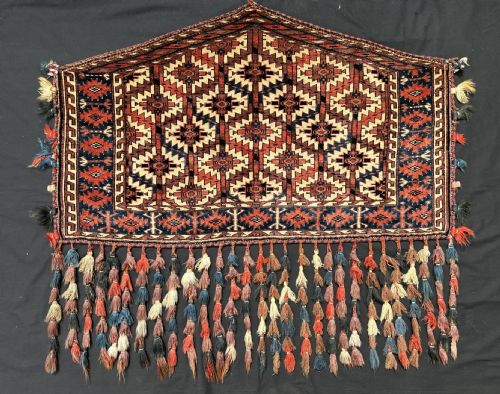
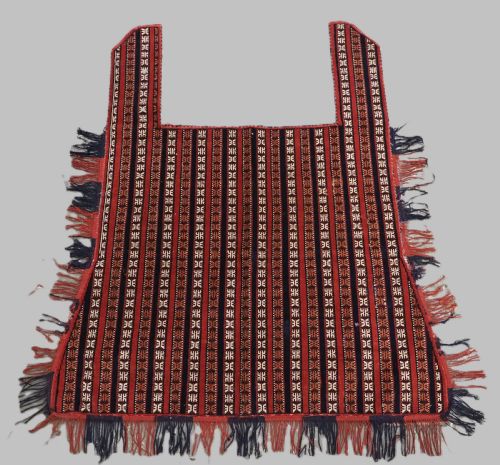
- A large, five-sided ceremonial trapping hung on the flanks of a bride's camel during wedding processions. These are among the more specialised nomadic items.
- Engsi
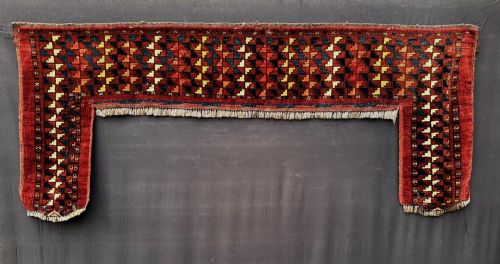
- A tribal tent door rug designed to hang over the entrance of a yurt. They typically feature a specialised layout divided by a candelabra motif.
- Kap
- A general term for a bag or container used in nomadic daily life. Collectors encounter various forms, including smaller storage pouches and spindle bags.
Vintage Turkmen Weaving: Frequently Asked Questions
How do I identify a Tekke rug?
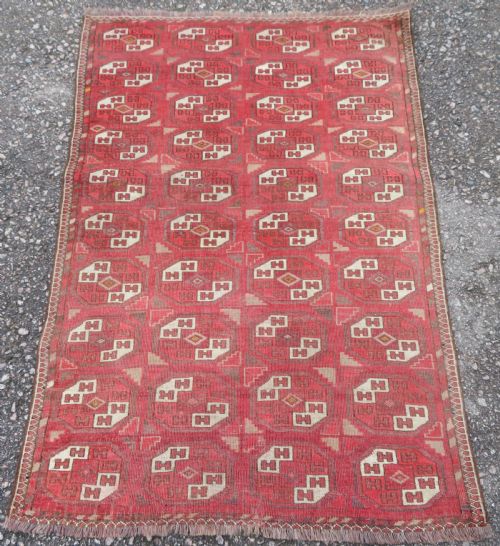
Tekke rugs originate from the Tekke tribe of Turkmenistan and are typically recognised by their orderly rows of octagonal guls and fine knotting. They often feature muted red grounds and precise geometric borders.
These pieces frequently include specialised dowry rugs and tent hangings with ivory highlights. Their structured layouts separate them from the looser designs of other regional groups.
What are guls on Turkmen rugs?
Guls are the repeating medallion motifs that form the primary pattern across the field of most Turkmen carpets and bags. Each tribe developed specific gul variations to represent their lineage and heritage.
Examples include the 'aina gul' and the Chodor 'ertum' design. Recognising these motifs helps in attributing pieces to specific groups like the Ersari or Yomut.
How should I care for a textile?
Protect antique woven pieces by keeping them out of direct sunlight to prevent natural dye fading. Gentle vacuuming without a beater bar removes trapped dust from the wool pile.
For wall hangings, ensure the weight is distributed evenly across a proper mounting sleeve or support. Professional textile conservationists should handle any deeper cleaning needs.