




Vintage Turkish Kilim Rug
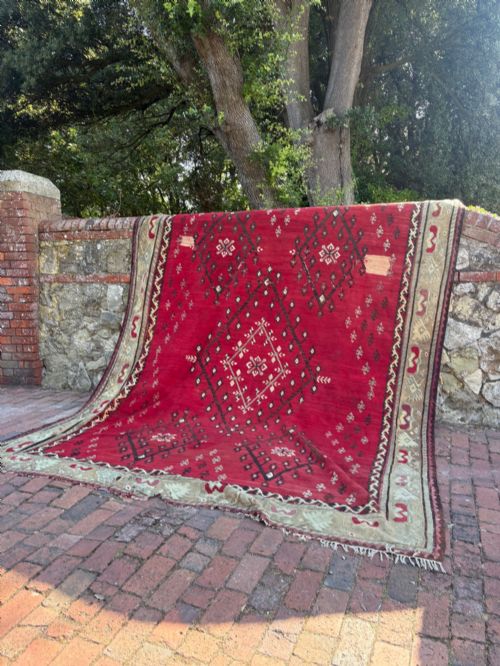
A vintage turkish kilim rug brings flatweave warmth and geometric tribal artistry directly to the floor.
Vintage Turkish Kilim Rug
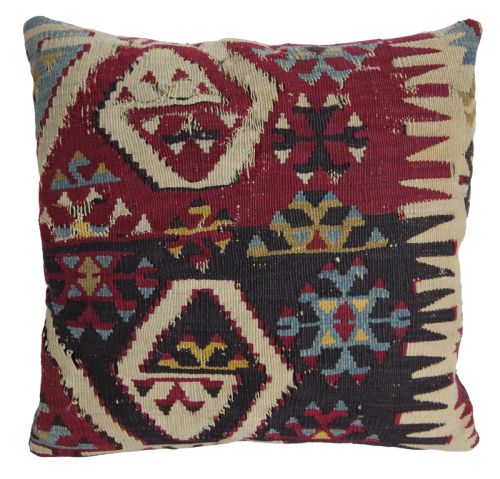
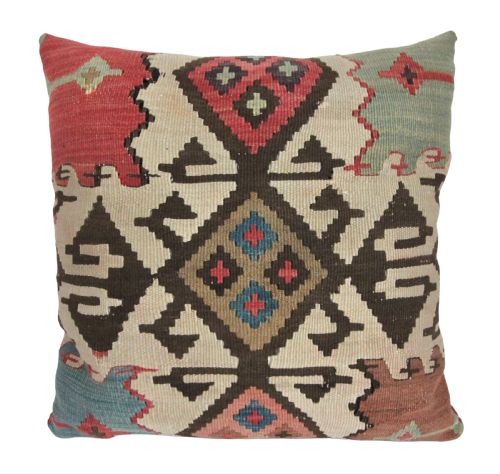
A vintage turkish kilim rug is a flatwoven floor covering or wall hanging created across regions such as Anatolia, Malatya, Konya, Ushak, Bergama, Reyhanli, Sarkoy, Mut, Kayseri, Afyon, and Sivrihisar. These textiles span periods from the mid-nineteenth century through the 1930s, encompassing large room-size carpets, runners, prayer rugs, bag faces, and cushions.
The buyer meets various forms here, including single-piece rugs and examples woven in two parts, alongside smaller tribal bag faces and embroidered panels. Traditional motifs encompass repeat medallions, banded designs, and specific regional patterns.
Originating from tribal and nomadic traditions, these pieces serve functional and decorative roles in modern interiors as durable floor coverings or tactile wall art.
How They Were Made
These flatweaves are constructed primarily from wool and cotton, occasionally incorporating leather elements. The technique relies on interlocking weft threads over a warp foundation, producing a smooth surface without a piled nap.
Specialised regional methods include cicim embroidery and finger weaving, while larger formats are frequently constructed in two separate panels joined down the centre.
Listings feature wool and cotton materials across periods spanning from the mid-nineteenth century through the 1930s.
What Varies in Quality
Quality rests in the precision of the flatweave structure, the integrity of the wool and cotton fibres, and the clarity of the regional design. Finer examples display tightly beaten wefts that secure the geometric composition.
The balance of the palette and the complexity of the tribal motifs distinguish standard utility weaves from superior artistic expressions.
Karakecili tribe·Reyhanli weavers·Sarkoy workshops·Yuruk nomads
The Vintage Turkish Kilim Rug Glossary
- Kilim
- A flatwoven carpet or rug produced without a pile by tightly packing the coloured weft threads over the warp. This technique creates a lightweight textile with identical patterns visible on both sides.
- Warp
- The stationary vertical threads stretched on a loom that form the structural foundation of the rug. The weft threads are woven horizontally through these parallel cords.
- Weft
- The horizontal threads passed back and forth through the warp to build the design and colour fields. In these pieces, the weft forms the visible pattern.
- Cicim
- A supplementary weft-float embroidery technique applied to a woven ground to create raised decorative patterns. It adds rich texture to panels and regional hangings.
- Prayer Kilim
- A specialised rug featuring a mihrab or niche design intended to direct the placement of the head during daily prayer. These pieces often carry specific regional symbols from centres like Obruk and Sivrihisar.
Vintage Turkish Kilim Rug: Frequently Asked Questions
How do I care for a vintage rug?
Protect the flatweave by placing a breathable underlay beneath it to prevent slipping and reduce friction on the floor. Regular gentle vacuuming without a beater bar removes trapped dust.
Keep the textile out of direct sunlight to preserve the natural dyed wool and cotton colours over time.
Where were these woven?
These textiles were produced across Anatolian regions, Balkan communities, and specific towns including Ushak, Konya, Bergama, and Kayseri. Each area developed distinct geometric vocabularies and weaving techniques.
Nomadic groups and village workshops passed these traditional patterns down through generations.
What does two-part weaving mean?
Two-part weaving involves creating a large floor covering on a narrow loom in two separate vertical strips. Artisans then stitch these matched panels together down the middle to achieve a room-sized rug.
This historical method allowed weavers to produce substantial carpets despite the physical limitations of portable village looms.