
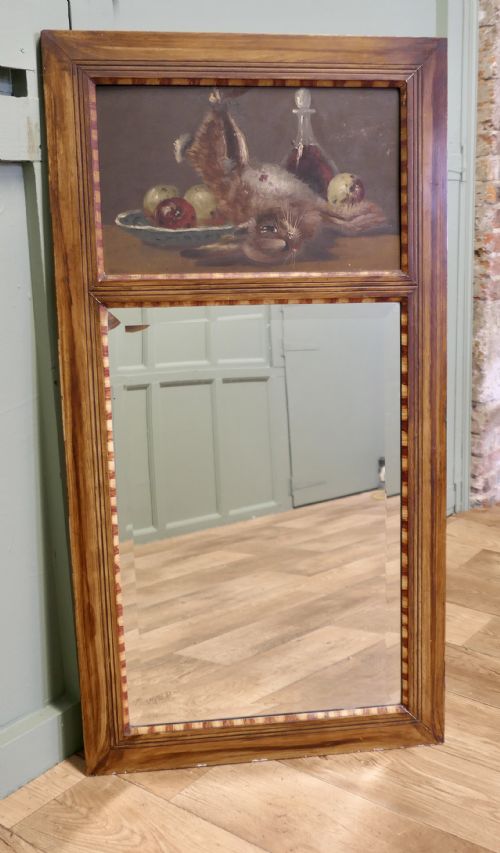


Vintage Trumeau Mirror Frame
A vintage trumeau mirror frame brings architectural presence and classic painted or gilded decoration into a room.
Vintage Trumeau Mirror Frame
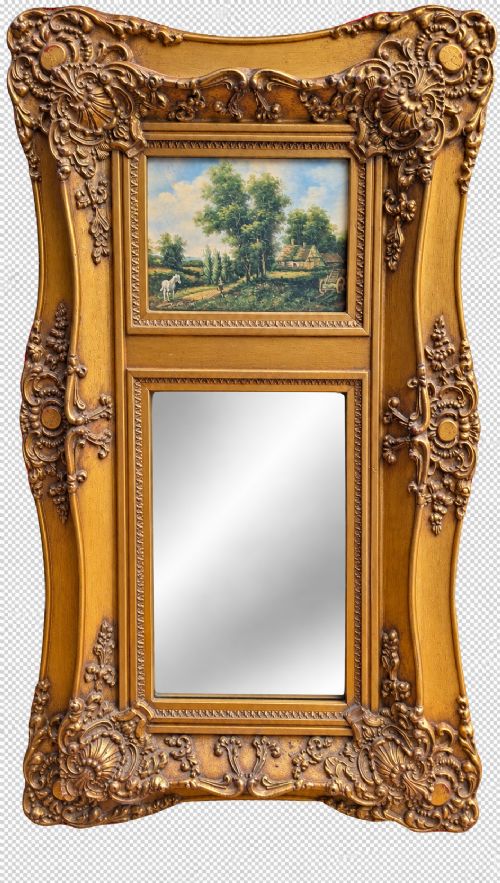
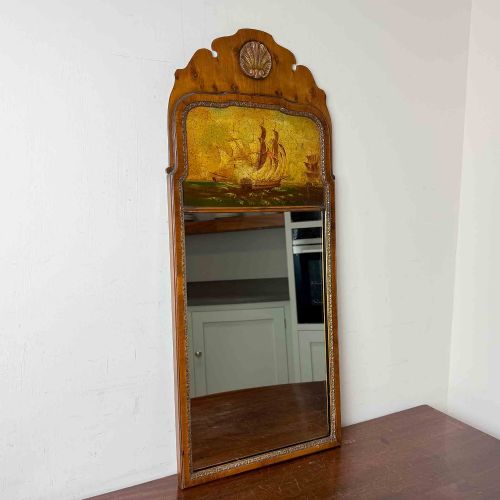
A vintage trumeau mirror frame combines a vertical glass plate with an upper panel, creating a distinctive architectural form designed to sit above a mantelpiece or serve as a pier mirror.
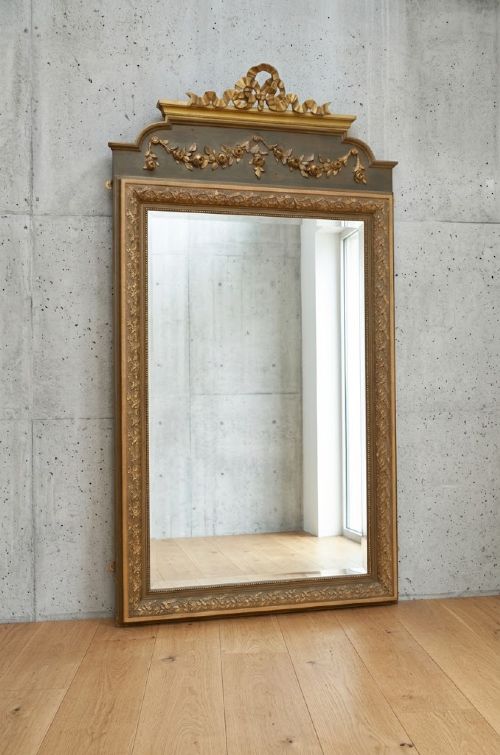
The versions met most frequently on this page originate from nineteenth century France, often exhibiting painted surfaces, carved wood, and gesso or giltwood decoration.
Alongside dedicated trumeau pieces, the selection includes wall mirrors, pier mirrors, and related forms spanning periods from the Regency era through to the nineteen thirties.
Materials and construction methods
Carved wood and gesso form the primary structure for many pieces, providing a stable base for subsequent gilding, paint layers, or parcel gilt highlights.
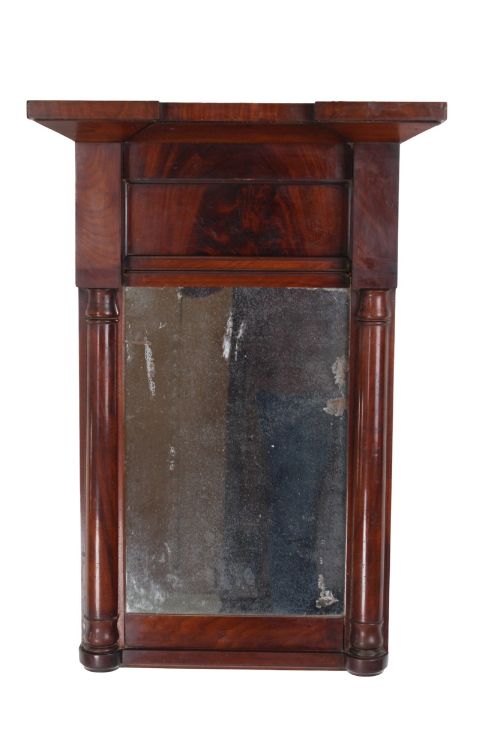
Makers utilised timber varieties such as mahogany, walnut, maple, and yew wood for frames, while upper panels occasionally incorporate canvas, reverse glass prints, or integrated oil paintings.
Listings feature wood types including walnut, mahogany, maple, and yew, spanning styles from the Regency period to the nineteen thirties.
Markers of quality and execution
The sophistication of the hand-carved ornamentation and the crispness of the gesso detailing separate standard examples from finer works.
The integrity of the original painted or gilded surface finish, rather than fresh restoration, dictates the character and historical fidelity of an individual frame.
The Vintage Trumeau Mirror Frame Glossary
- Trumeau
- An architectural mirror or panel designed to fit into the wall space between windows or above a fireplace. These pieces often feature an upper decorative painting or carved panel above the glass.
- Gesso
- A plaster-like mixture applied to wood frames to create a smooth surface for subsequent gilding or painting. Skilled application allows for deep, crisp relief carving.
- Pier Mirror
- A tall mirror specifically proportioned to hang on the pier, which is the solid wall section between two windows. They frequently reach impressive heights to reflect light into the room.
- Parcel Gilt
- A finishing technique where only specific raised portions of a painted or stained wooden surface receive gold leaf. This highlights particular details of the carving.
- Giltwood
- Timber that has been coated with thin sheets of gold leaf over a prepared ground. It provides a luminous, reflective quality distinct from metallic paint.
Vintage Trumeau Mirror Frame: Frequently Asked Questions
What is a trumeau mirror?
A trumeau mirror is a traditional wall-hanging glass frame that incorporates a decorative panel above the mirror plate itself. This upper section frequently displays an oil painting, canvas, or reverse glass print.
Originally designed for grand European interiors, these vertical frames suit placement above mantelpieces or between windows to maximise light and architectural impact.
Where should I hang a pier mirror?
Pier mirrors are traditionally proportioned for the narrow wall space situated between two windows. Their tall, slender vertical formats help bounce natural light back into the centre of a room.
In modern settings, they work equally well hung in hallways, above low sideboards, or in bedrooms where a full-length reflection is useful.
How do I identify a nineteenth century frame?
Nineteenth century frames often show distinct construction methods, hand-applied gesso over carved wooden substrates, and patinated painted or gilded surfaces. Details such as ribbon crests and specific stylistic revivals align with this era.
Examining the backboards, fixings, and the composition of the glass plate helps confirm the age of the piece.
Are painted finishes original?
Many pieces feature painted or parcel gilt surfaces that show age-related wear, craquelure, and patination consistent with their period of origin. Original finishes display natural softening and integration into the gesso beneath.
Careful inspection of the layers reveals whether the paint surface has been preserved over decades or renewed during later maintenance.