



Vintage Triple Armoire
A vintage triple armoire offers substantial scale and grand storage, combining generous proportions with traditional craftsmanship.
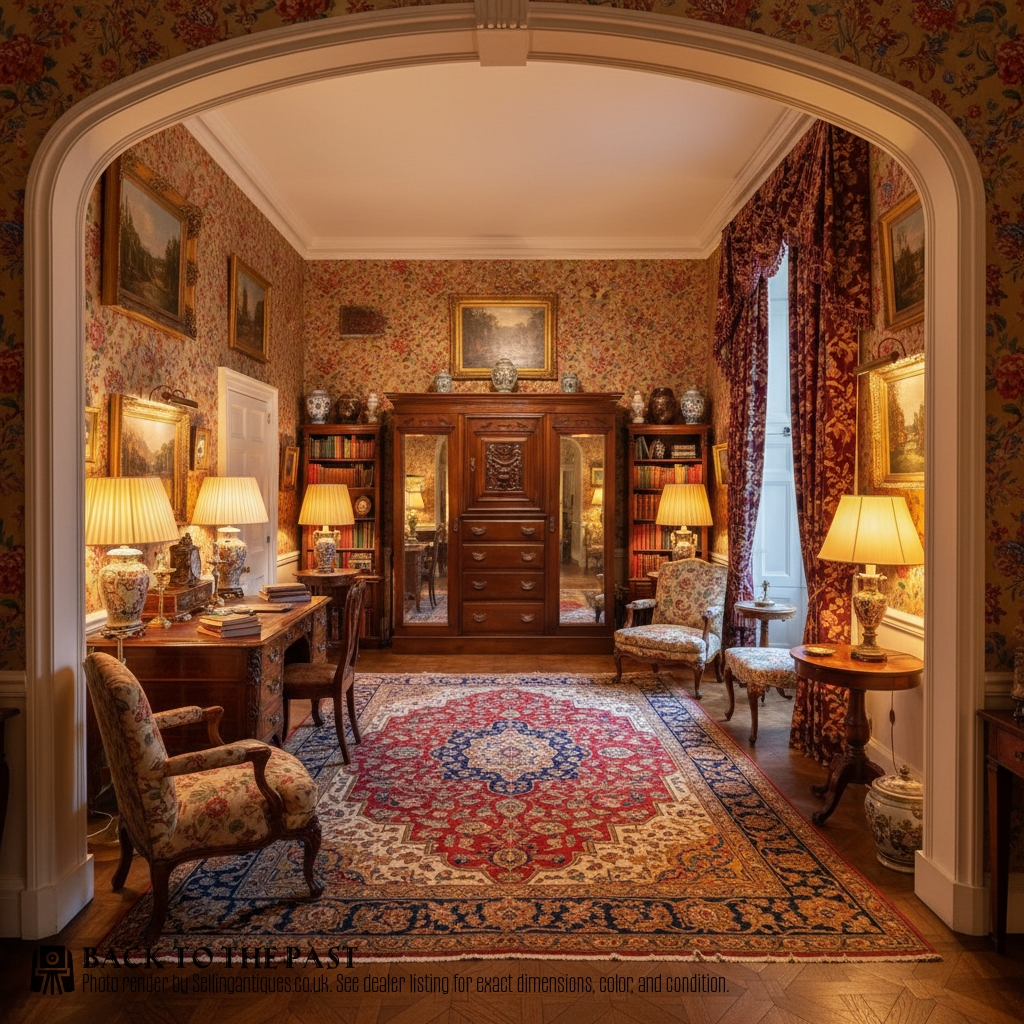
What a vintage triple armoire is
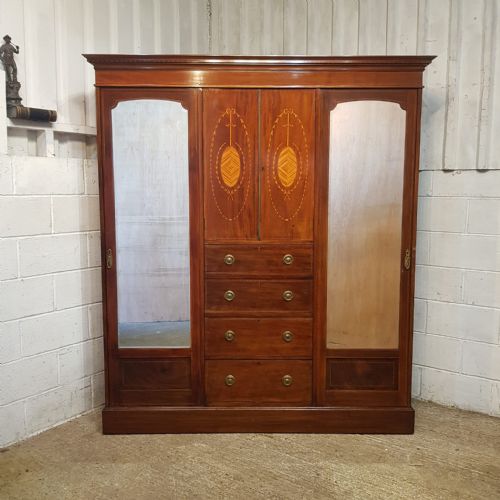
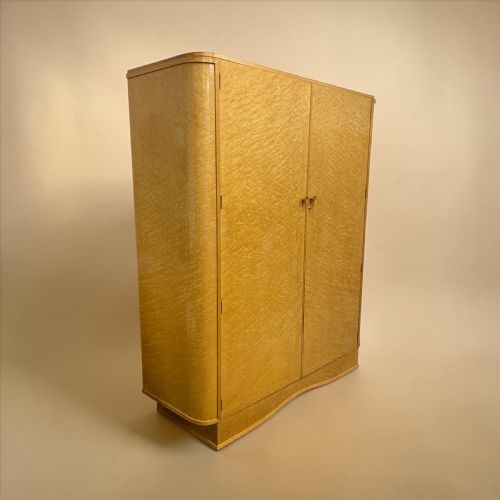
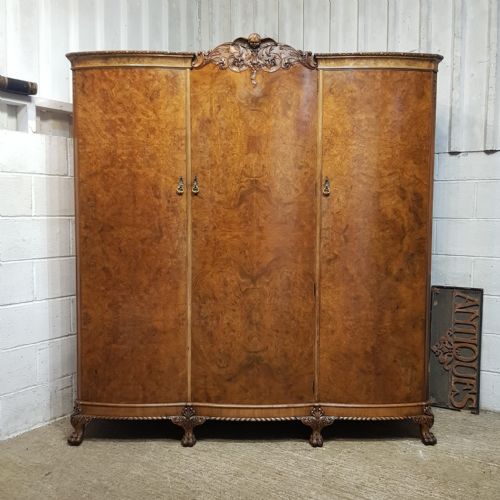
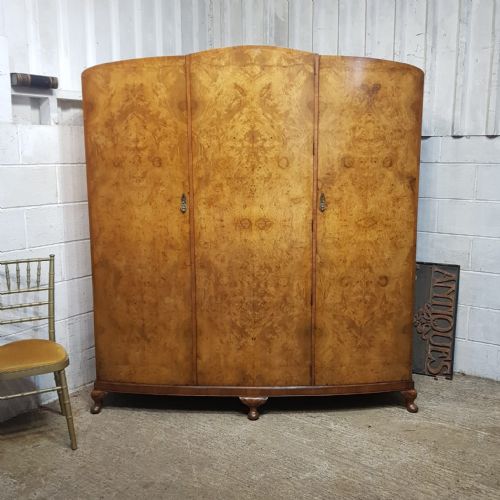
A vintage triple armoire provides impressive presence in a room, functioning as a large wardrobe with extensive storage capacity. When searching for a vintage triple armoire, buyers encounter substantial pieces designed to house considerable attire.
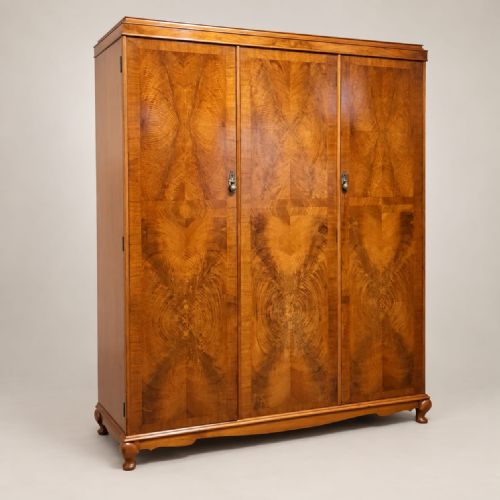
The selections span the Edwardian period and the year nineteen twenty, encompassing styles from the Edwardian era to Art Deco. Wardrobes and armoires dominate the forms seen on this page, reflecting the demand for grand bedroom furniture from these periods.
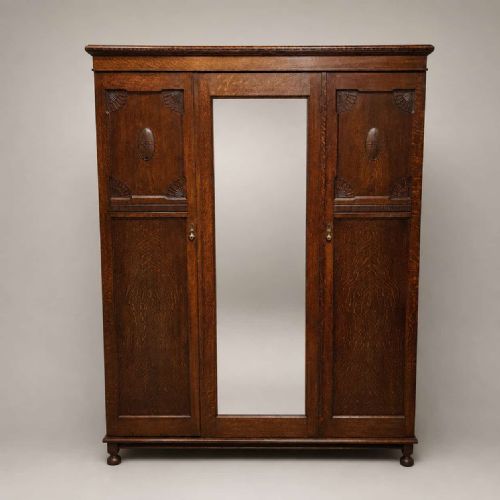
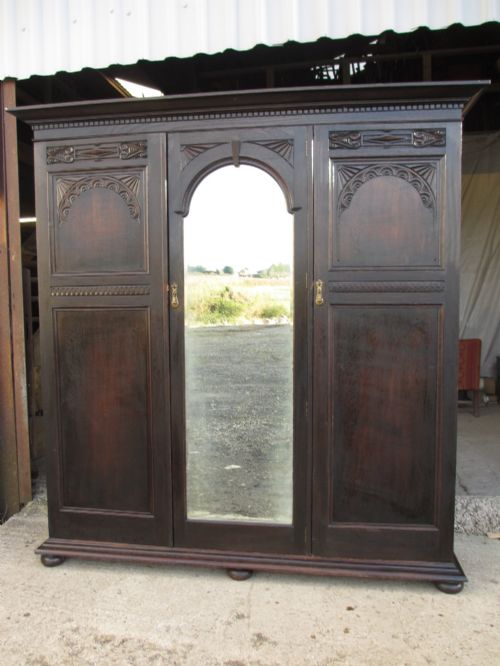
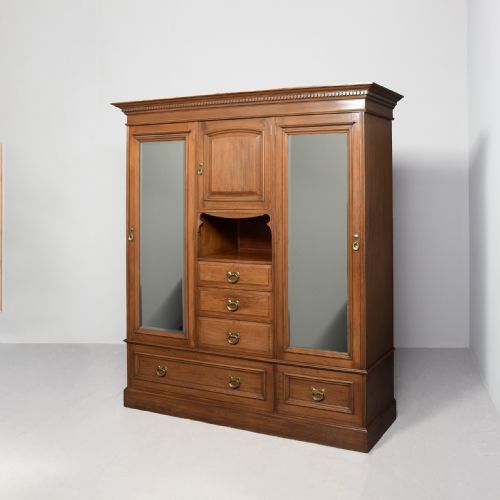
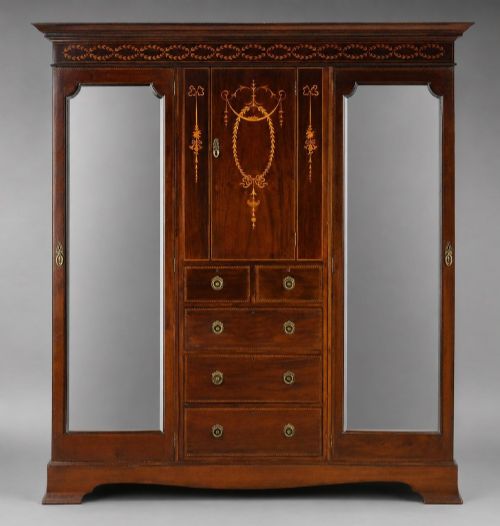
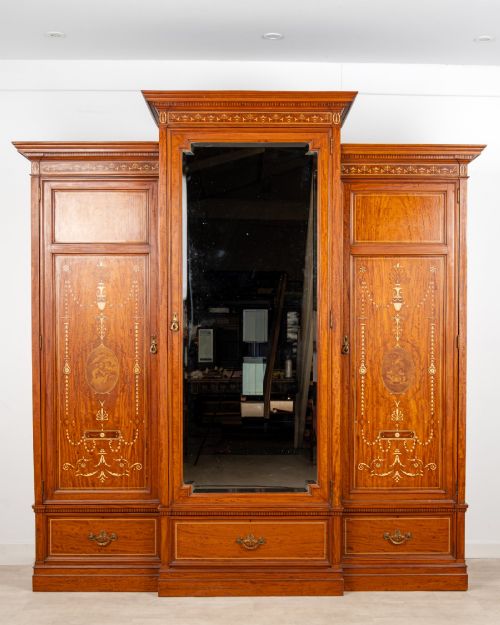
Examples typically feature wide central compartments flanked by side sections, often incorporating mirrored doors. These large wardrobes combine practical hanging space with decorative exterior timber work.

How they were made
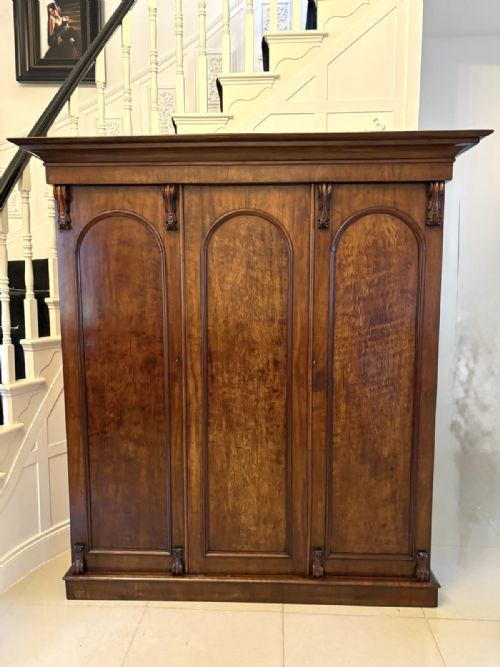
Cabinet makers utilised a variety of fine timbers, constructing carcasses in mahogany, walnut, burr walnut, and satinwood. These woods provide distinct grain patterns and warm tones across the wardrobe facades.
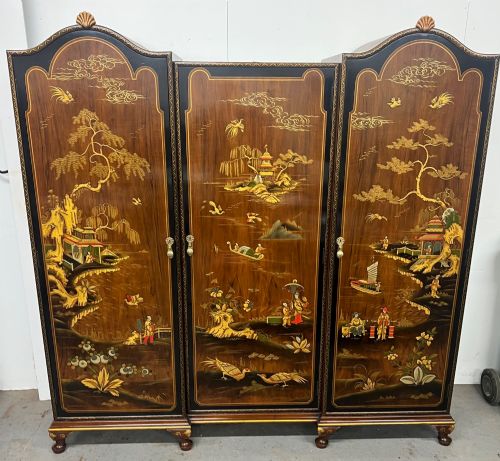
Makers applied decorative techniques such as painting and inlay to enhance the visual appeal of the satinwood and mahogany surfaces. Glass appears primarily in the form of large mirrored door panels, set within sturdy wooden frames.
Hardware and fittings incorporate brass elements, adding functional detail to the doors and internal compartments. These materials combine to create durable, large-scale storage furniture built with traditional joinery.
Retail Price Guide 2026
Typical UK retail prices for vintage triple armoire, calculated from the Sellingantiques database of over a million retail prices indexed since 2003. This retail price guide relies exclusively on Sellingantiques data; no external sources or auction records are used, so the figures do not describe the wider market.
A good antique armoire conceals enough mirrors and hanging space to test the patience of any self-respecting Victorian valet.
What varies in quality
The selection of timber grain largely separates standard examples from exceptional ones, particularly in the use of figured burr walnut and carefully matched veneers. Superior craftsmanship shows in the precision of inlaid details and the harmonious balance of painted decoration.
Structural integrity and the quality of the timber preparation dictate the longevity of these large wardrobes. Finer pieces demonstrate superior control over the integration of heavy mirrored glass and the alignment of three expansive doors.
The Vintage Triple Armoire Glossary
- Armoire
- A large wardrobe or cupboard, traditionally used for storing clothes. These pieces offer significant internal capacity, often divided into hanging and shelving sections.
- Burr walnut
- A highly figured timber taken from the growth growths of a walnut tree. It produces intricate, swirling grain patterns prized for decorative veneer work.
- Satinwood
- A durable, yellowish wood with a lustrous sheen, often used in fine cabinet making for veneer and inlay. It provides a bright contrast to darker timbers.
- Inlay
- A technique where pieces of contrasting material are inserted into the wood surface to form decorative patterns. This method enhances the visual depth of the facade.
Frequently Asked Questions
How do I fit a triple armoire in a modern bedroom?
Measure your ceiling height and wall space carefully before acquisition, ensuring clearance for the wide doors to swing open fully.
Consider dismantling the wardrobe for transport and reassembly in the room, as these large pieces are exceptionally heavy.
What is the difference between Edwardian and Art Deco armoires?
Edwardian pieces often feature traditional mahogany or satinwood with delicate inlay and painted motifs reflecting earlier revival styles.
Art Deco examples shift towards bolder geometric lines and distinctive veneer patterns like burr walnut, associated with the nineteen twenties.
How should I care for walnut and mahogany wardrobes?
Dust regularly with a soft, dry cloth and avoid placing the timber in direct sunlight or near heat sources to prevent cracking.
Apply a quality beeswax occasionally to nourish the wood and maintain the natural lustre of the polished surface.
Are the mirrors on antique armoires original?
Many Edwardian and nineteen twenties armoires retain their original glass, which may show slight foxing or age spots.
Original mirrors are valued for their authentic appearance, though checking the secure seating within the wooden frame is essential.