
Vintage Tribal Wall Hanging
A vintage tribal wall hanging brings tactile warmth and nomadic history into a room through authentic woven and embroidered textiles.
Vintage Tribal Wall Hanging
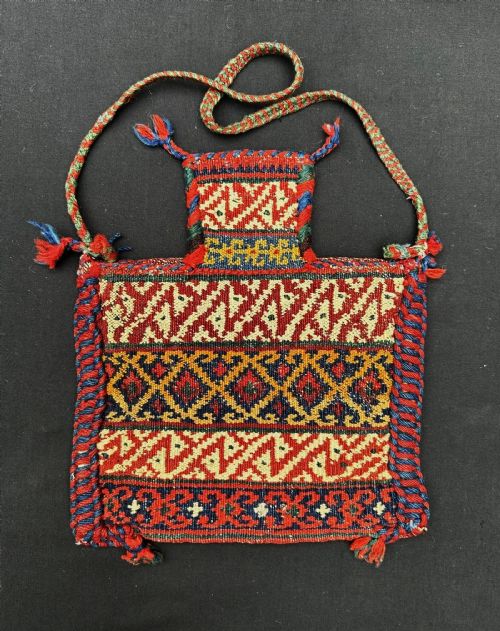
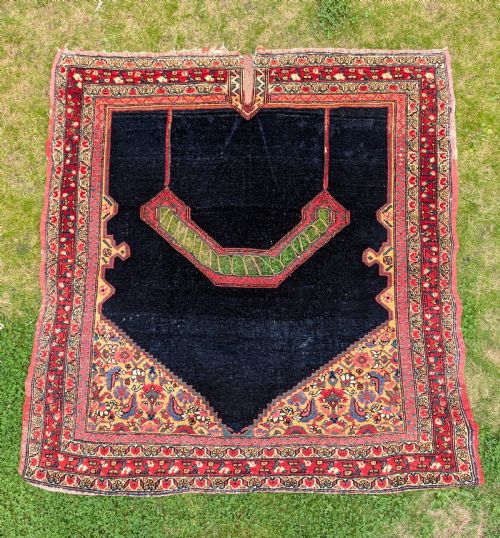
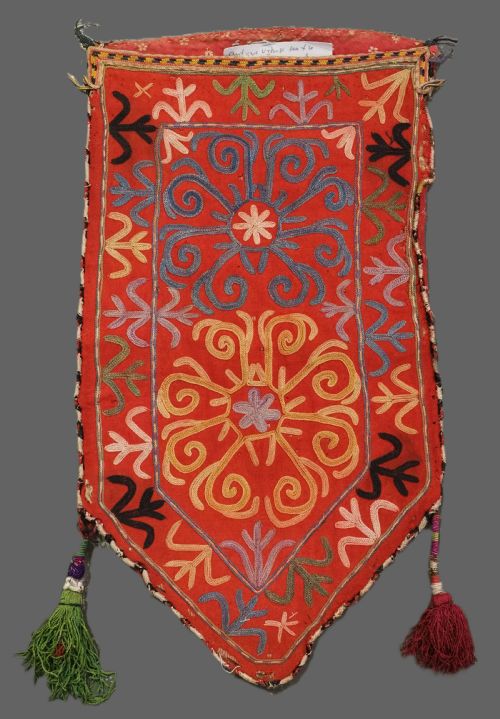
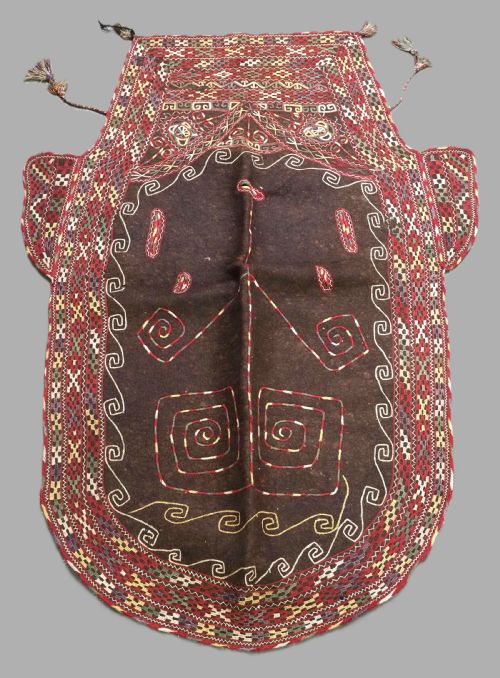
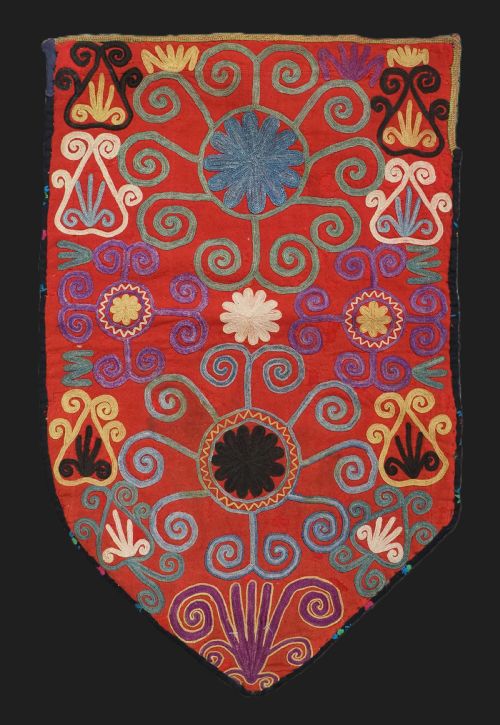
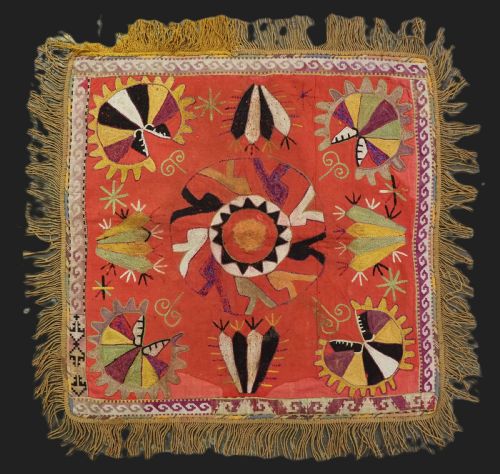
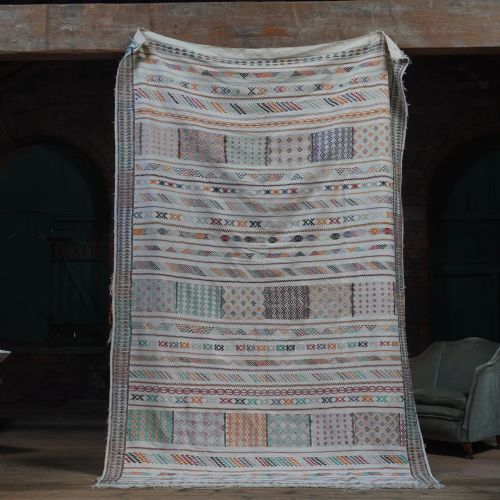
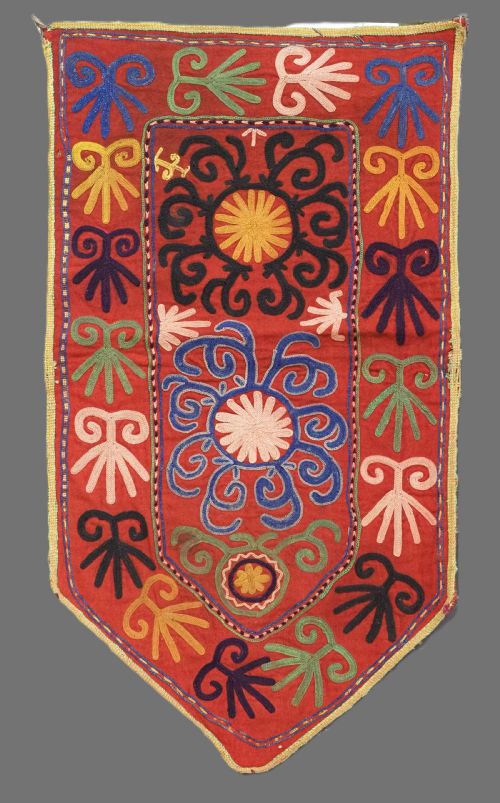
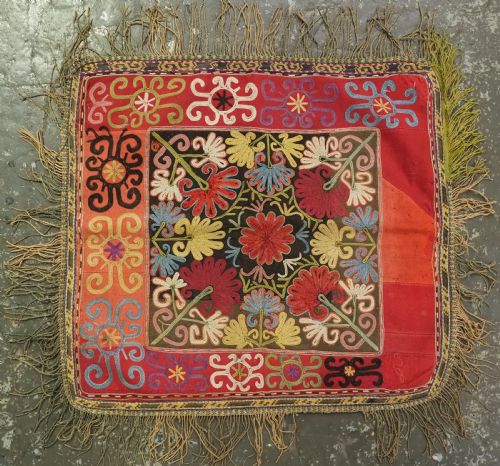
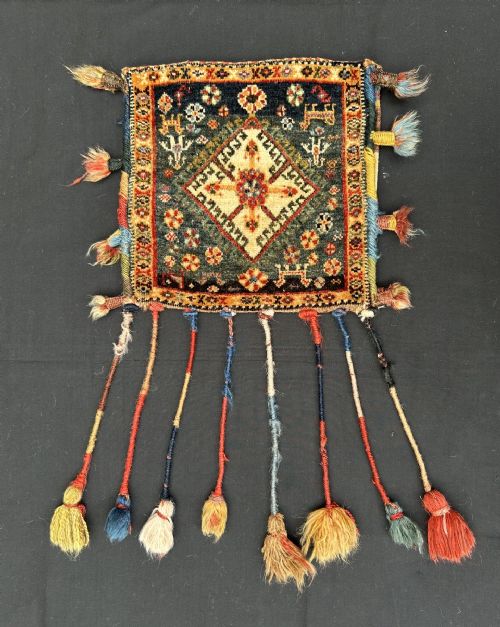
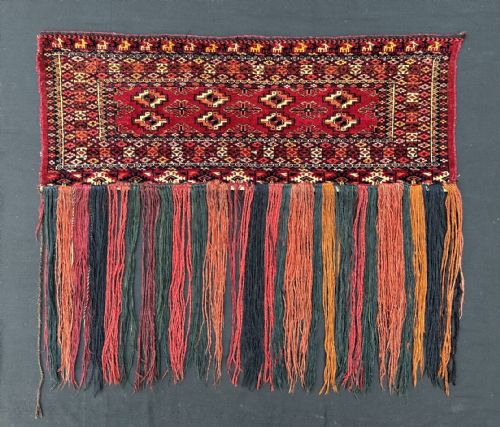
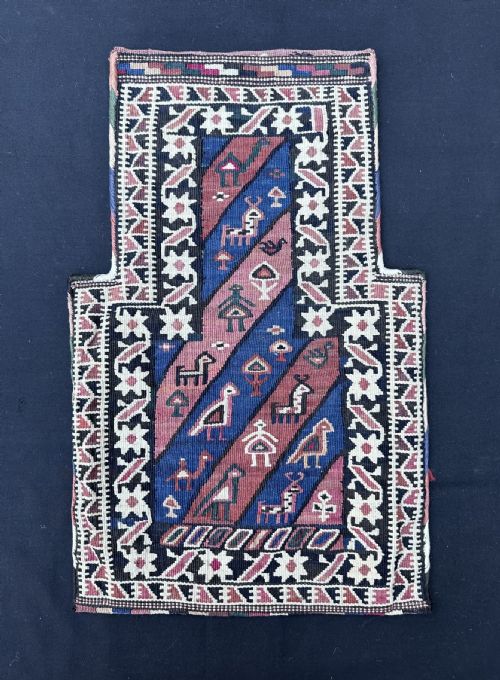
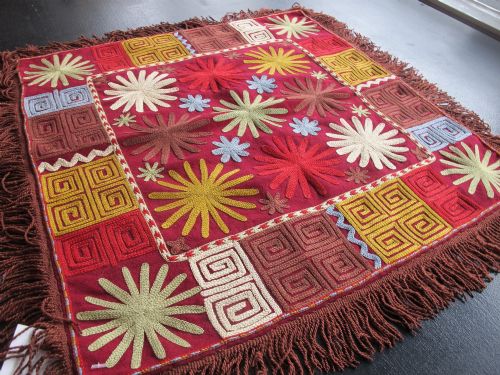
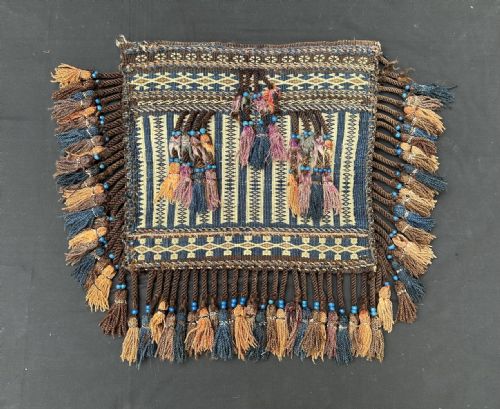
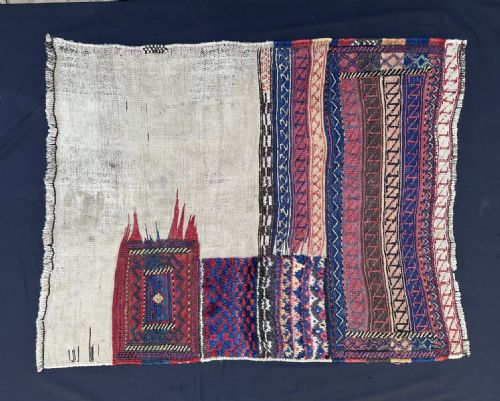
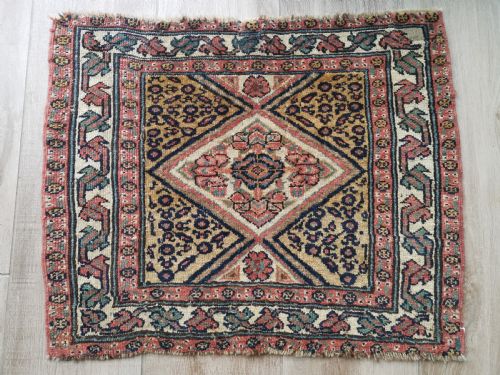
A vintage tribal wall hanging encompasses a diverse array of nineteenth and early twentieth-century nomadic artefacts repurposed for interior display. When exploring this phrase, buyers encounter functional woven items such as saddle covers, storage bags, horse blankets, and dowry embroideries originating from Central Asia and Persia. These pieces reflect the rich heritage of tribal groups including the Uzbek Lakai, Yomut Turkmen, and Qashqa'i nomads.
The objects most frequently met on this page range from embroidered felt hangings and silk suzanis to woven bagfaces and animal trappings. Rather than purpose-made decorative pictures, these textiles originally served domestic, ceremonial, or transport roles within nomadic daily life. Their intricate patterns and symbolic motifs now translate naturally into striking wall art for modern interiors.
What varies in quality
Quality in these nomadic textiles is determined by the fineness of the hand-spun materials, the complexity of the design, and the vibrancy of the natural dyes. Superior examples exhibit tightly packed stitches or dense weaves that maintain structural integrity despite their age and handling.
The visual impact often depends on the crispness of the tribal motifs and the balance of the colour palette, whether executed in rich silk thread or sturdy wool. Pieces retaining original elements like tassels or complete borders demonstrate superior preservation and authenticity.
The listings show nineteenth and early twentieth-century nomadic works created across Central Asia and Persia using wool, silk, and natural dyes.
The Vintage Tribal Wall Hanging Glossary
- Ilgich
- A specific type of Uzbek Lakai dowry embroidery created for wall hanging use. They are celebrated for their dynamic, tactile needlework.
- Asmalyk
- A large, often pentagonal ceremonial horse trapping created by Turkmen tribes. These were displayed on the flanks of a bride's wedding camel.
- Torba
- A small Turkmen storage bag woven with distinctive guls and geometric patterns. They hung inside the nomad's yurt for household storage.
- Kap
- A general term for a nomadic storage bag or pouch used within tents. Examples vary in size and tribal origin across Central Asia and Persia.
Vintage Tribal Wall Hanging: Frequently Asked Questions
What is a tribal wall hanging?
A tribal wall hanging is typically a repurposed nomadic textile, such as a dowry embroidery, horse blanket, or storage bag, displayed as art. These pieces bring authentic cultural history and rich textures into interior spaces.
The listings feature works originating from regions including Central Asia, Uzbekistan, and Persia, dating from the nineteenth and early twentieth centuries.
How were these textiles originally used?
Nomadic communities used these woven and embroidered pieces for practical and ceremonial purposes in daily life. Items served as horse decorations, saddle covers, storage bags, and household furnishings.
Many of the finest examples were created as part of a bride's dowry, representing important tribal traditions and family status.
How should I hang a textile?
Hanging ancient textiles requires careful weight distribution to avoid putting stress on the delicate old fabric or threads. Methods often involve mounting the piece onto a fabric-covered board or using a concealed sleeve attached to the back.
Keeping the textile away from direct sunlight preserves the natural dyes and prevents the historic wool or silk from degrading.
How do I identify different tribal styles?
Identifying tribal origins involves examining the specific motifs, colour palettes, and construction techniques characteristic of different groups. For instance, Lakai embroidery is easily recognised by its energetic raised silk work, while Turkmen weaving favours disciplined geometric guls.
Consulting the regional attributions in the descriptions helps connect specific pieces to groups such as the Qashqa'i, Yomut, or Baluch.