
Vintage Tribal Textile
A vintage tribal textile brings nomadic artistry and rich textile traditions into modern interiors through authentic woven and embroidered pieces.
Vintage Tribal Textile
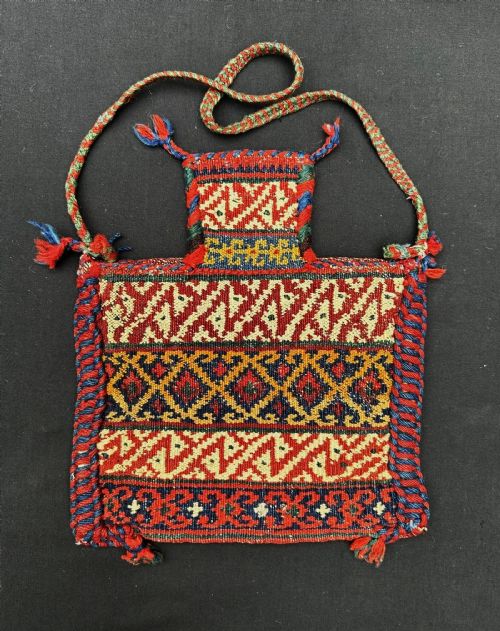
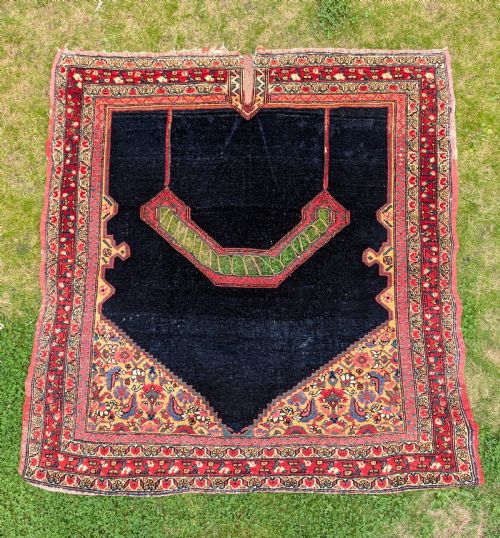
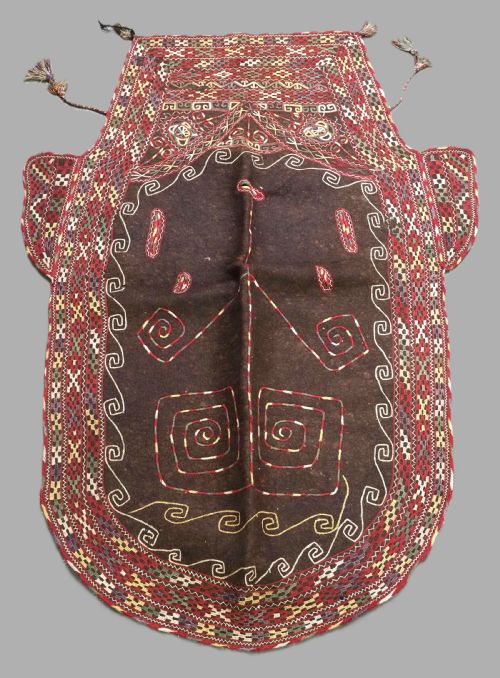
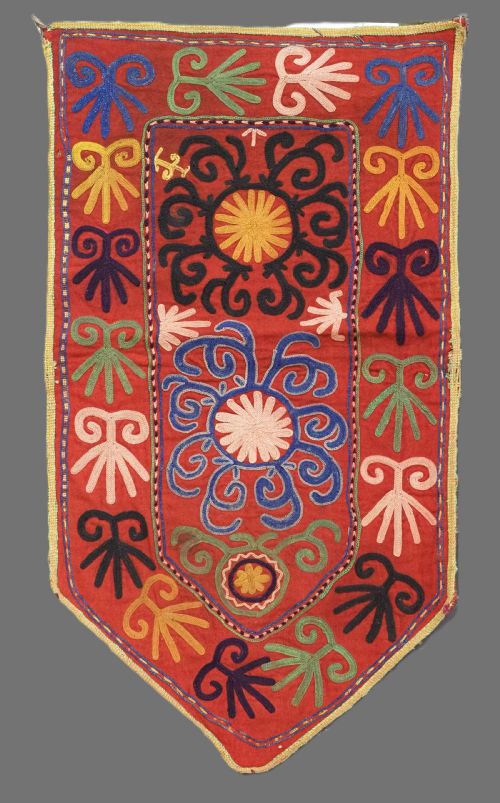
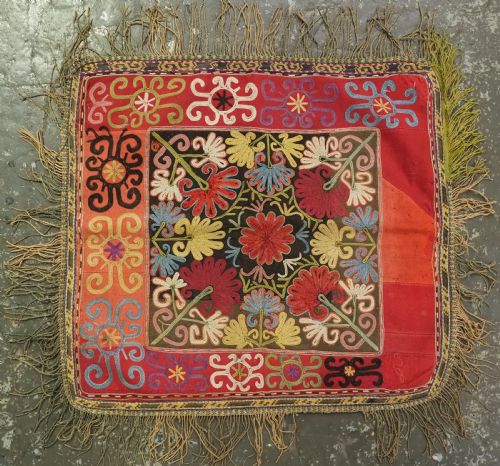
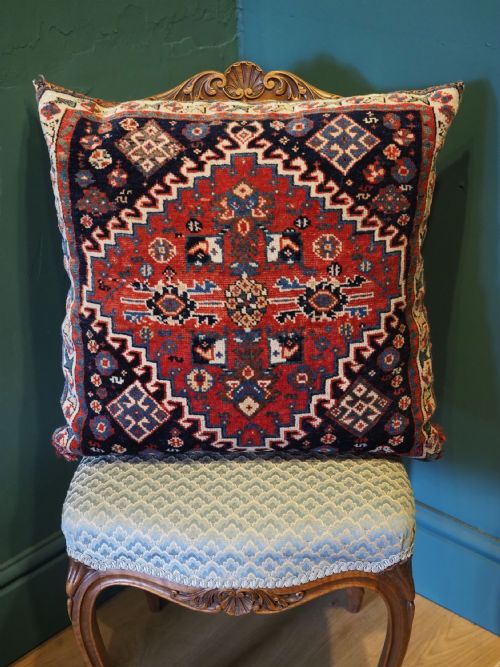
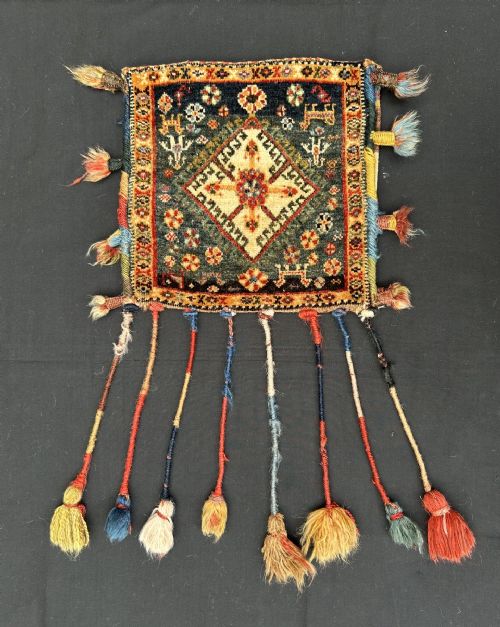
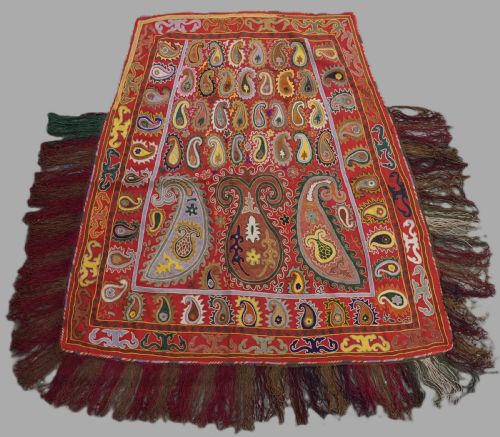
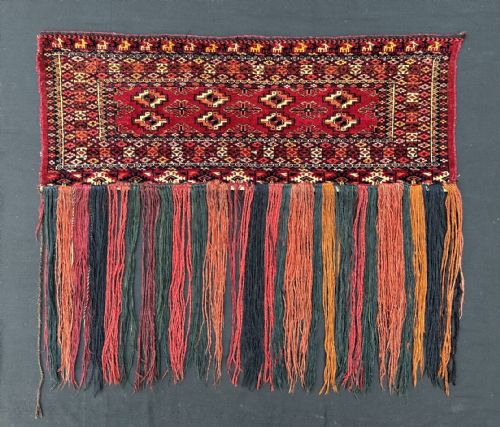
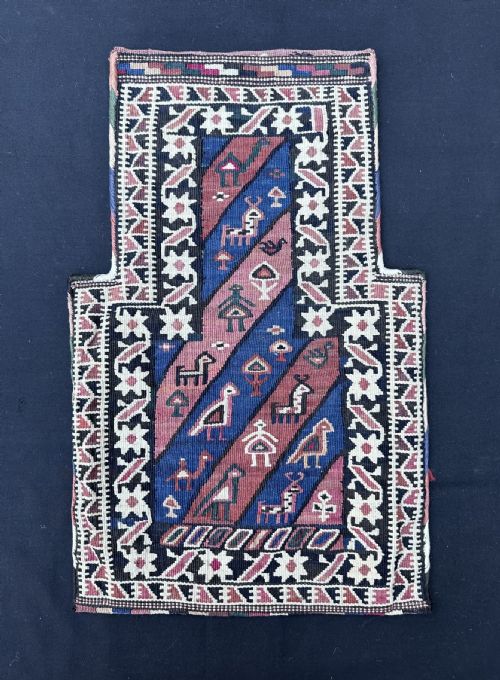
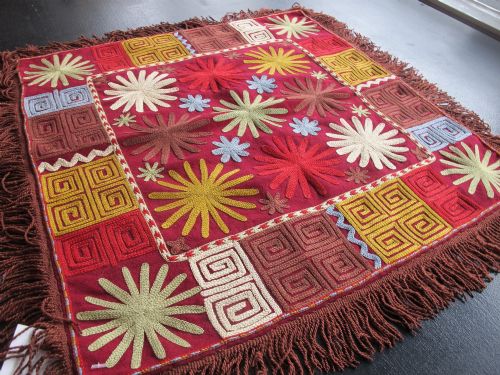
A vintage tribal textile encompasses functional nomadic items such as storage bags, horse covers, saddle blankets, and wall hangings originating from Persia, Central Asia, and the Caucasus. These objects reflect the utilitarian and ceremonial needs of tribal groups including the Qashqai, Yomut Turkmen, and Uzbek Lakai. Buyers searching this phrase most frequently encounter nineteenth and early twentieth-century bags, trappings, and embroideries created for domestic or ritual use.
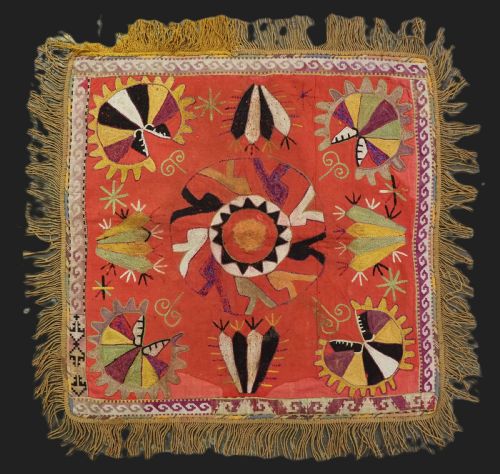
The material forms range from small vanity bags and salt bags to large felt rugs, dowry embroideries, and ceremonial horse decorations. Regional traditions dictate the specific motifs and structural formats, distinguishing Persian tribal weaving from Central Asian embroideries and Caucasian carpets. Each piece serves as a physical record of nomadic daily life and pastoral culture.
Materials and construction methods
Makers utilised hand-spun wool, cotton, silk, and natural dyes to construct these textiles, often incorporating leather, wood, and silk thread for structural reinforcement or decorative detail. Felt, wool pile, and flatwoven techniques form the primary physical body of the rugs, bags, and covers. Artisans applied supplementary embroidery, notably on Central Asian felt and fabric grounds, using dense stitches to build tactile surface patterns.
Nomadic weavers employed portable vertical and horizontal looms to produce durable flatweaves, saddle covers, and storage sacks designed to withstand constant travel. Natural dye sources provided a deep palette that matured gracefully over decades of exposure and handling. Textile construction combined structural utility with symbolic ornamentation unique to specific tribal confederations.
Materials documented across the inventory include wool, cotton, silk, leather, wood, and natural dyes.
Factors determining quality
Quality in a vintage tribal textile rests on the precision of the weave, the complexity of the design layout, and the vibrancy or depth of the natural dyes. Superior examples exhibit tightly packed foundations, balanced proportions, and expert manipulation of pile or embroidery threads. The integrity of original borders, tassels, and structural fastenings further separates exceptional survival pieces from heavily altered ones.
Artistic execution distinguishes standard utilitarian objects from masterworks of tribal art, particularly in the fluidity of nomadic animal motifs and geometric symbols. The sophistication of the colour palette, achieved through expert dye preparation, contributes heavily to the visual power of the textile. Condition and structural completeness anchor the long-term desirability of each piece within its specific regional category.
The Vintage Tribal Textile Glossary
- Asmalyk
- A pentagonal trapping produced by Turkmen tribes, traditionally hung on the flanks of a bride's camel during wedding processions. These ceremonial hangings display elaborate geometric or stepped guls.
- Kap
- A general term for a nomadic bag or storage sack used within tents to hold household goods, bedding, or personal possessions. They typically feature pile-woven faces and plain-weave flatbacks.
- Sofreh
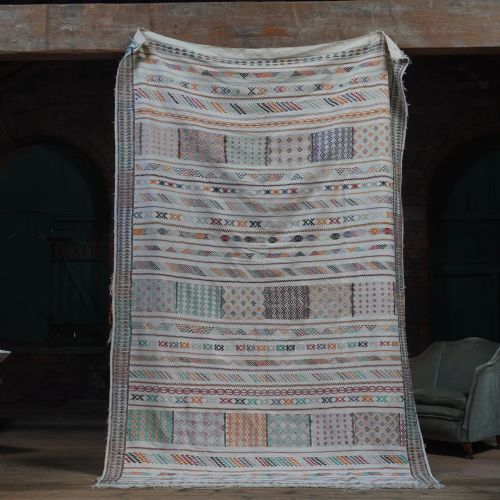
- A flatwoven spread or cloth used during meals, dough preparation, or ritual dining among Persian and borderland tribes. They prioritize geometric layouts and functional durability.
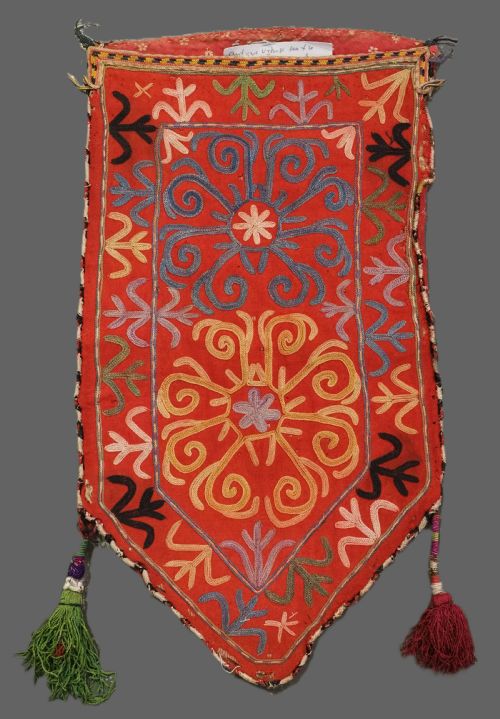
- Ilgich
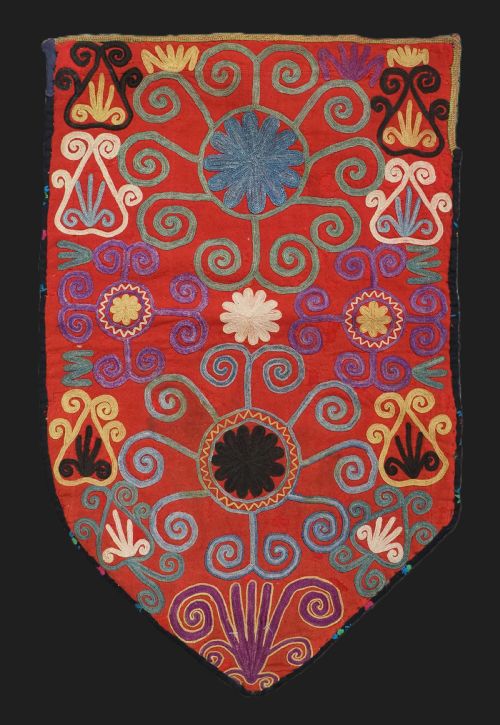
- An embroidered hanging produced by the Uzbek Lakai tribe, often created as dowry art for wall display. These textiles utilise vibrant silk thread on dark fabric or felt grounds.
- Gul
- A repeating primary medallion or octagonal motif found extensively in Turkmen and Central Asian weaving traditions. Each tribal grouping utilised distinct variations of this design element.
Vintage Tribal Textile: Frequently Asked Questions
How were tribal textiles used?
Nomadic groups utilised these textiles for practical storage, animal transport, ceremonial wedding processions, and domestic flooring within tents. Items like salt bags, horse blankets, and storage sacks served daily pastoral functions.
Over time, many functional items acquired ritual significance, acting as portable wealth or markers of tribal identity during ceremonies and dowry displays.
Where do these textiles originate?
The pieces originate primarily across Persia, Central Asia, Afghanistan, the Caucasus, and surrounding borderlands. Nomadic and village groups such as the Qashqai, Yomut Turkmen, Uzbek Lakai, and Baluch produced them.
Each geographical region developed distinct weaving techniques, structural formats, and visual motifs tied to local environmental and cultural conditions.
How should I display a textile?
Textiles work effectively as wall hangings, table covers, or small accent rugs depending on their original format and physical weight. Mounting them requires professional conservation methods that distribute tension evenly across the fabric without causing damage.
Keeping pieces away from direct sunlight preserves the stability of natural dyes and natural fibres over extended periods of exhibition.