




Vintage Tribal Statues
These vintage tribal statues carry centuries of global craft, offering tactile history and striking cultural presence for any interior.
Vintage Tribal Statues
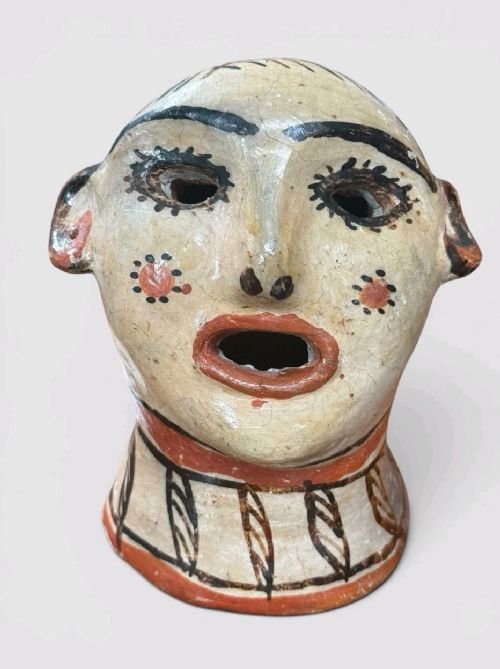
When you search for vintage tribal statues, you encounter a diverse array of figurative sculptures originating from African, Asian, Pacific, and American cultures. These pieces span multiple decades, drawing on regional artistic traditions that date from the nineteenth century through the mid-twentieth century.
Beyond African traditions, the selection incorporates Peruvian folk art, Indonesian dancers, Maori carvings, and Western Americana subjects. Each piece functions as a sculptural representation of human or animal forms, executed through traditional regional techniques.
Materials and construction methods
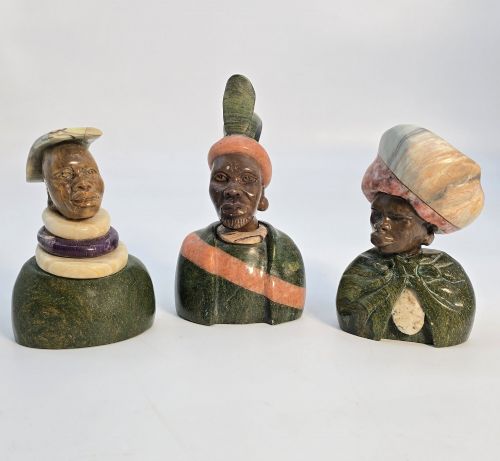
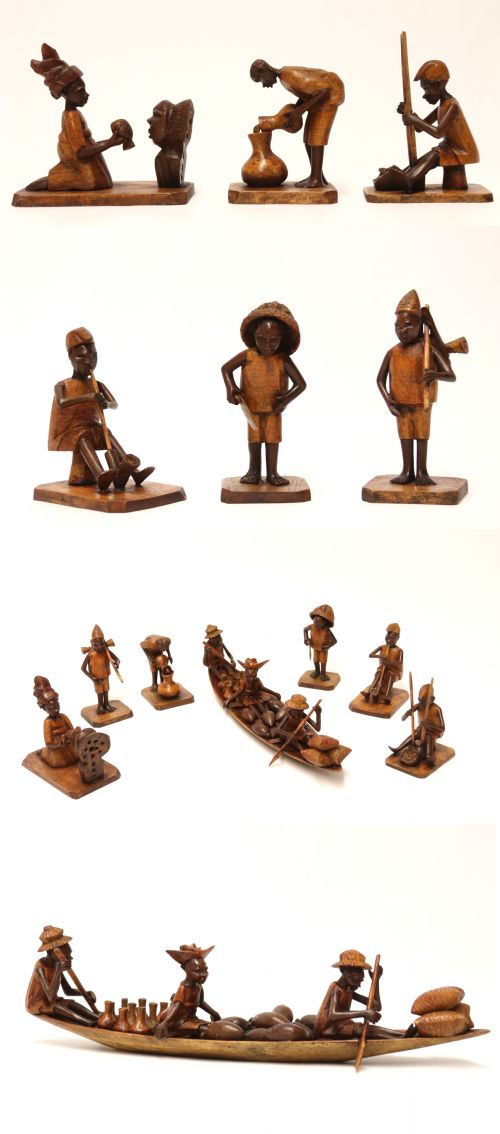
Makers utilised dense natural materials, relying heavily on various hardwoods, cast bronze, and carved stone or soapstone. Organic mediums such as bone and whalebone also appear among the sculptures, shaped through manual carving and incision.
A solitary hippopotamus carved from hardwood and bone shares space with fierce warriors and kings.
Assessing sculptural quality
Material selection and weight also separate the pieces, with substantial hardwoods and well-cast bronzes offering greater physical presence. Surface integrity, original pigment retention, and the clarity of tool marks further distinguish finer sculptural works.
The Vintage Tribal Statues Glossary
- Hardwood
- Dense, durable timber harvested from deciduous trees, frequently utilised for detailed tribal carvings and figures because it resists splitting.
- Bronze
- An alloy consisting primarily of copper combined with tin, traditionally cast to create durable statues and ceremonial figures.
- Slip pigment
- Liquid clay mixture applied to ceramic surfaces before firing to impart colour and decorate pottery busts or figures.
- Whalebone
- Dense skeletal material sourced from marine mammals, carved by indigenous artisans into small figurative sculptures.
Vintage Tribal Statues: Frequently Asked Questions
What materials are these statues made from?
The pieces utilise natural mediums including hardwoods, bronze, brass, clay, terracotta, soapstone, and bone. Each material reflects the native resources accessible to the makers within their respective regions.
Artists selected these substances for their durability and suitability for intricate hand-carving or metal casting. Surface treatments such as slip pigments often enhance the finished appearance of clay and wood.
How do I date a tribal statue?
Dating relies on recorded provenance, stylistic conventions, tool marks, and the natural ageing of materials like wood and bronze. Many pieces originate from the nineteenth and twentieth centuries.
Examining the underlying material patination and construction techniques helps establish the era of creation. Comparative analysis with documented regional art styles further clarifies the period.
Where do these tribal statues originate?
The sculptures originate from diverse global regions, including West Africa, Central Africa, Indonesia, Polynesia, Peru, and North America. Each provenance carries distinct cultural and artistic traditions.
Geographic origins dictate the specific iconography, subject matter, and sculptural methods employed by the makers. This geographical spread accounts for the wide variety of forms seen in the collection.
How should I display a heavy bronze statue?
Heavy metal sculptures require sturdy furniture or dedicated display plinths capable of supporting substantial weight safely. Positioning them away from high-traffic areas prevents accidental knocks.
Maintaining stable indoor humidity and temperature protects both metal patinas and organic elements like wood or bone. Regular dusting with a soft, dry cloth preserves the surface finish without causing abrasion.