



Vintage Tribal Pillow
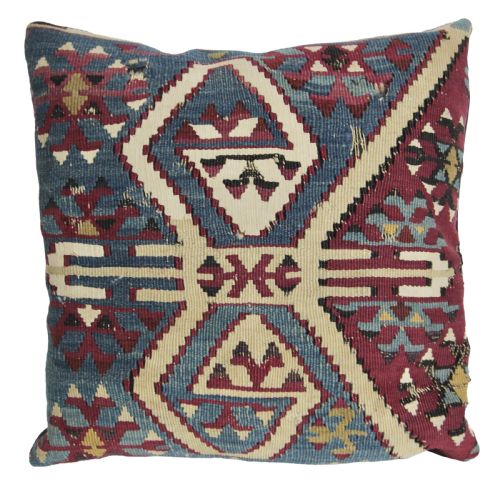
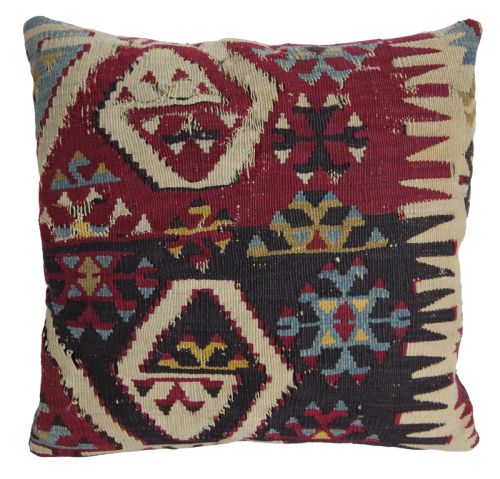
These vintage tribal pillows are repurposed nomadic weavings that bring genuine texture and historic character into modern rooms.

Vintage Tribal Pillow
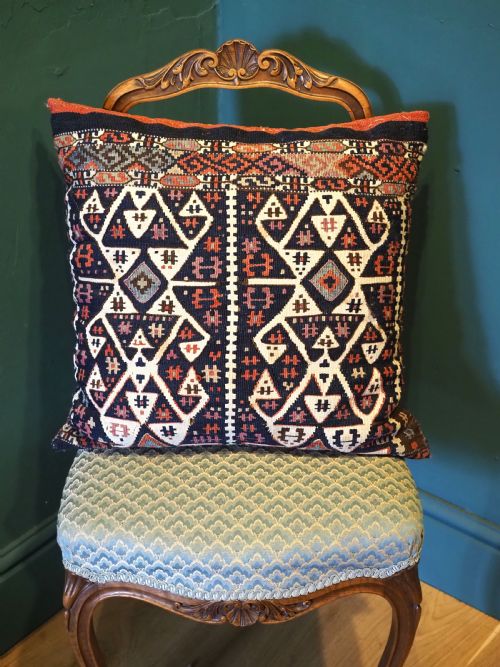
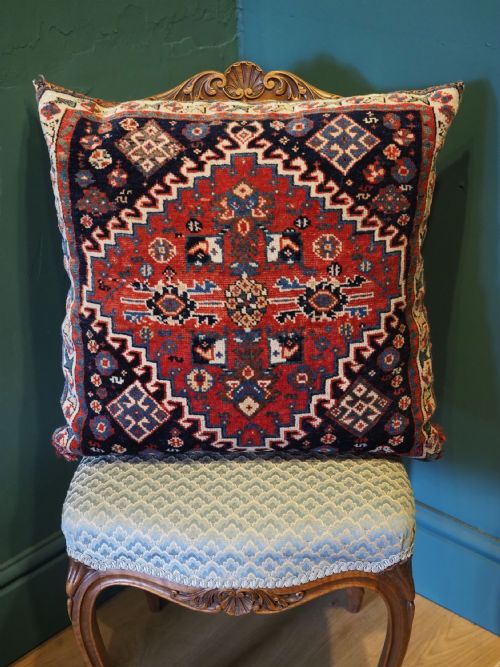
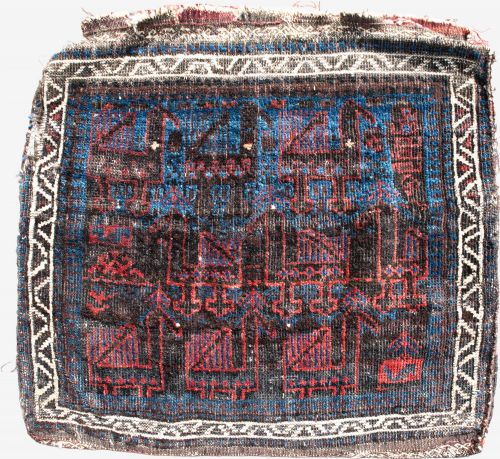
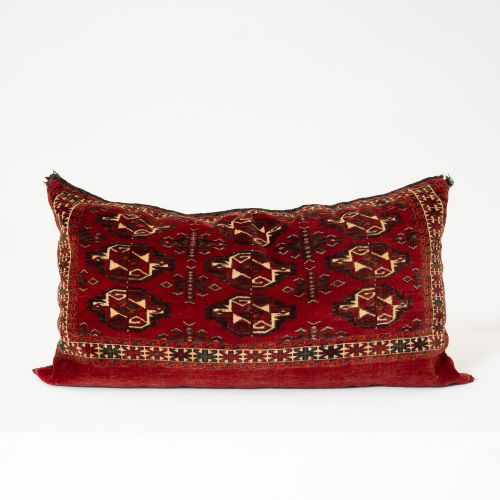
When searching for a vintage tribal pillow, collectors encounter cushions fashioned from repurposed nineteenth and early twentieth-century nomadic textiles. The pieces on this page comprise repurposed saddle bags, storage sacks, bag faces, and flatwoven kilims originating from Anatolian, Persian, and Turkmen regions.
The most common form met here is the square or rectangular cushion constructed from a single antique bag face or a cut section of a larger carpet. These textiles trace their origins to specific tribal groups including the Qashqai, Baluch, Yomut, Ersari, and Tekke Turkmen.
Makers originally produced these utilitarian items for daily nomadic life to store household goods, provisions, or riding equipment. Today, they function as decorative throw cushions and soft furnishings while retaining their original woven structures.

How vintage tribal pillows were made
Weavers constructed these textiles predominantly using hand-spun wool and cotton foundations, dyed with natural colorants yielding deep, rich tones. Artisans employed traditional techniques such as pile weaving and flatweaving, including kilim and banded structures.
Nomadic makers utilised sturdy wool for its durability and resilience against heavy daily use in camps and tents. The resulting fabrics display tight knots and dense flatweaves that have survived over a century of service.
Listings feature items dated from the nineteenth century through the early twentieth century, spanning 1850 to 1920.
What varies in quality
The quality of a vintage tribal pillow depends heavily on the integrity of the original weaving and the precision of the wool work. Superior examples exhibit tightly packed knots, fine hand-spun wool, and complex tribal motifs that remain sharp and clear.
Another factor is the depth and vibrancy of the natural dyes, which develop a rich patina over decades of ageing. Condition also plays a role, with top tier pieces retaining their original structure, balanced proportions, and minimal structural repairs.
The Vintage Tribal Pillow Glossary
- Kilim
- A flatwoven textile produced without a pile, commonly utilised for rugs and storage sacks. These weaves form geometric patterns through interlocking horizontal and vertical threads.
- Chuval
- A large Turkmen storage bag traditionally used for household bedding and clothing. These pieces often feature gul motifs arranged in structured rows.
- Torba
- A smaller Turkmen storage bag historically hung against tent walls or loaded onto pack animals. They display intricate field designs and banded flatweave borders.
- Bag face
- The decorative front panel of a nomadic storage sack, preserved and repurposed as a cushion. Collectors prize these sections for their concentrated tribal iconography.
- Natural dyes
- Colourants derived from plants, insects, and minerals rather than synthetic compounds. These substances produce harmonious colour variations that age gracefully over time.
Vintage Tribal Pillow: Frequently Asked Questions
Where did these tribal cushions originate?
The pieces originate from various tribal regions across Anatolia, Persia, and Central Asia. Specific groups such as the Qashqai, Baluch, and Turkmen tribes produced the original utilitarian bags.
Nomadic communities wove these textiles for daily camp life before they were later converted into soft furnishings.
How do I care for a vintage pillow?
Maintain these antique textiles by keeping them out of direct sunlight to protect the natural dyes from fading over time. Gentle vacuuming without a rotating brush helps remove dust without damaging the old wool fibres.
How can I tell the age of a tribal cushion?
Age is determined by examining the materials, knotting structure, and dye types used in the construction. Pieces dating from the nineteenth and early twentieth centuries typically show hand-spun wool and vegetable-based colour palettes that differ from modern reproductions.