
Vintage Tribal Embroidery
Vintage tribal embroidery brings rich Central Asian heritage into interiors through intricately worked wall hangings, ceremonial covers, and textiles.
Vintage Tribal Embroidery
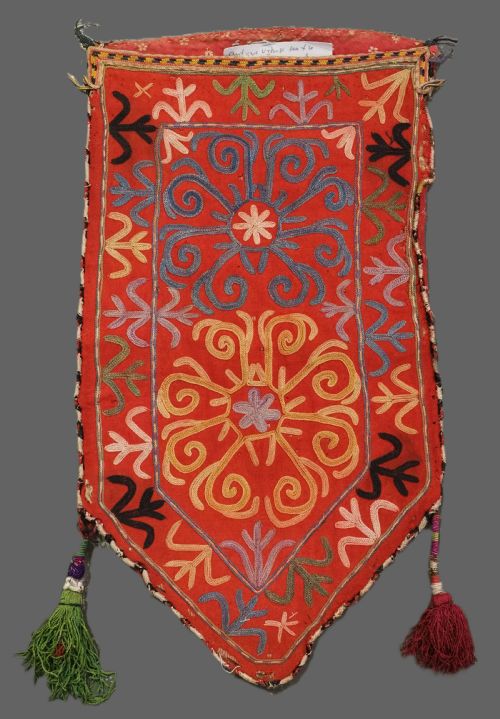
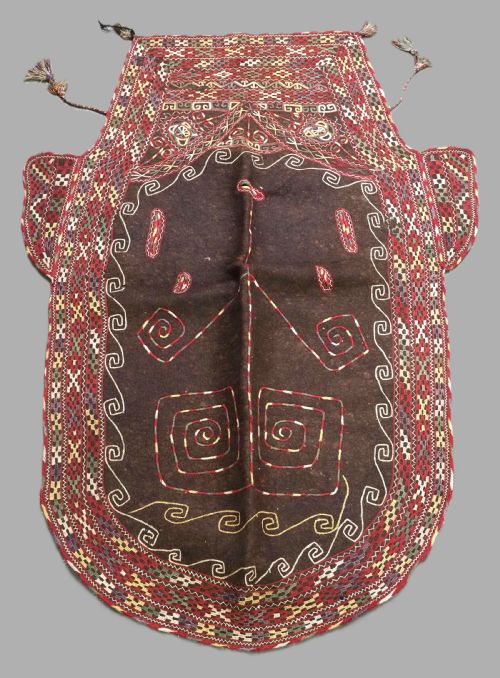
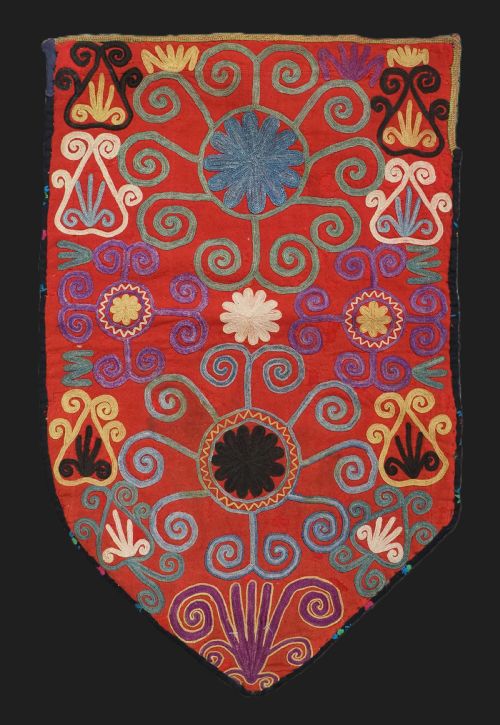
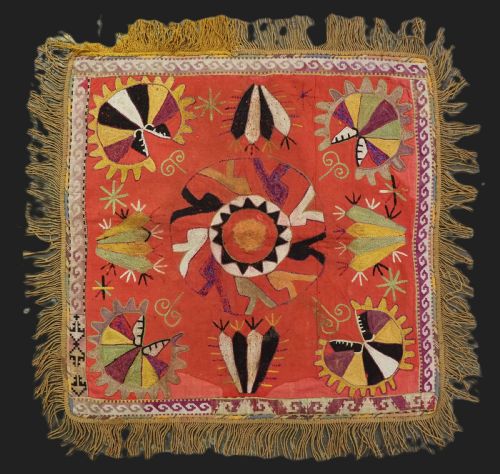
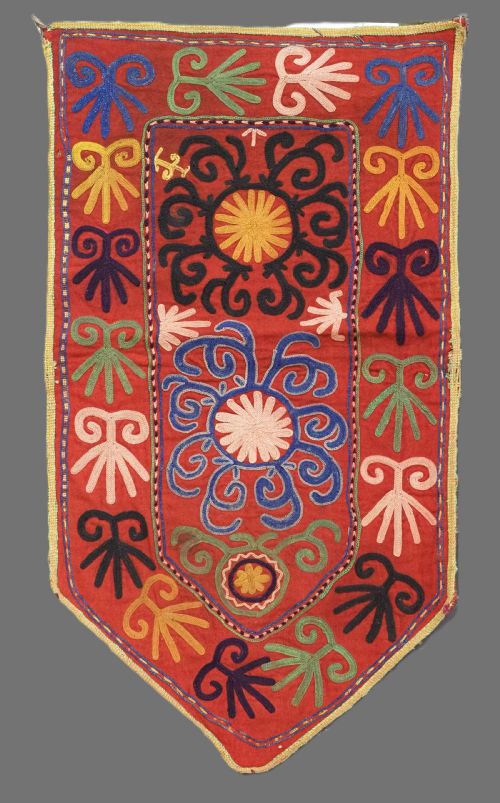
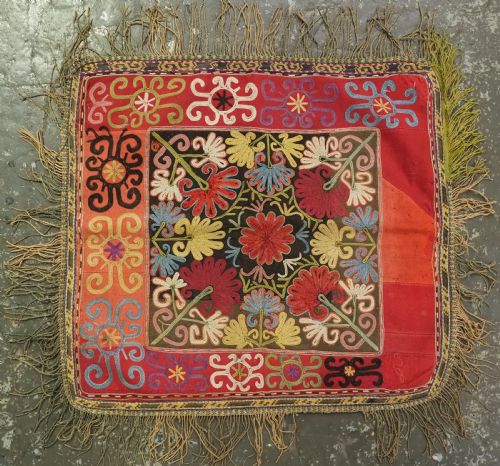
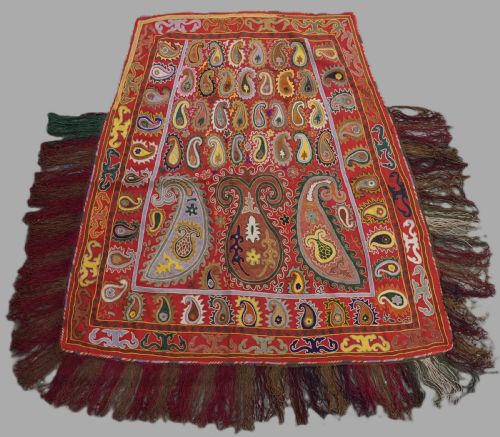
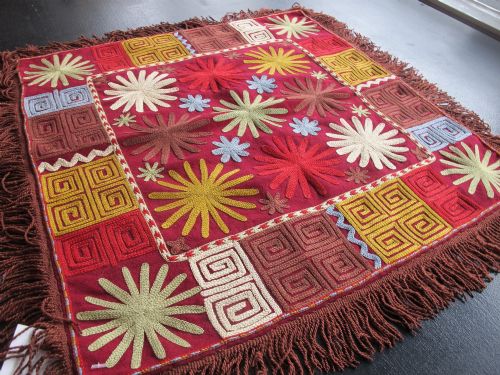
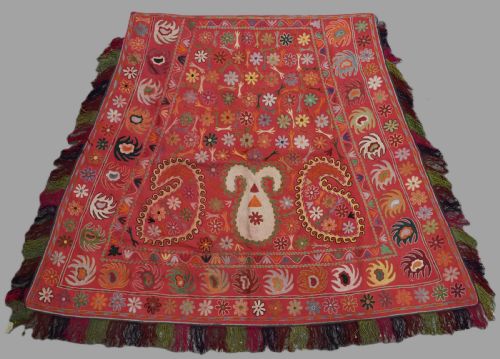
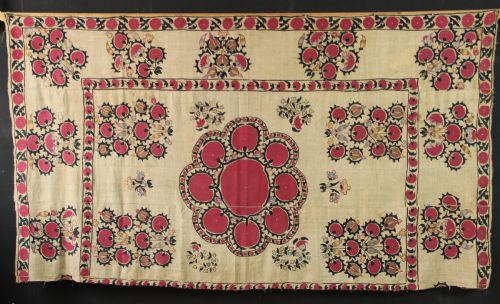
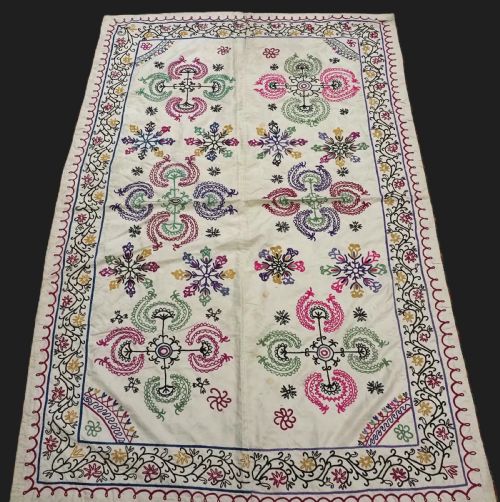
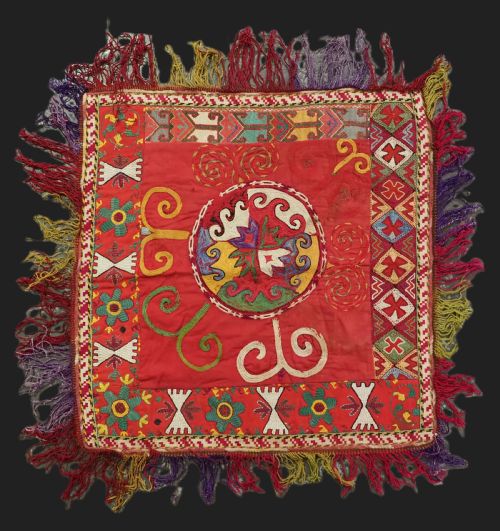
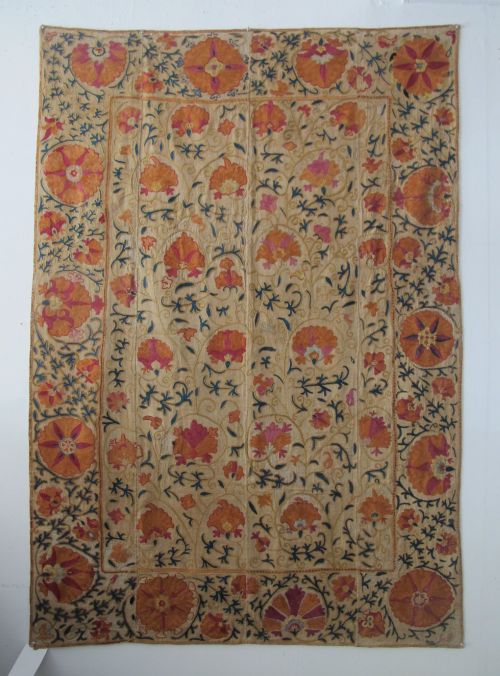
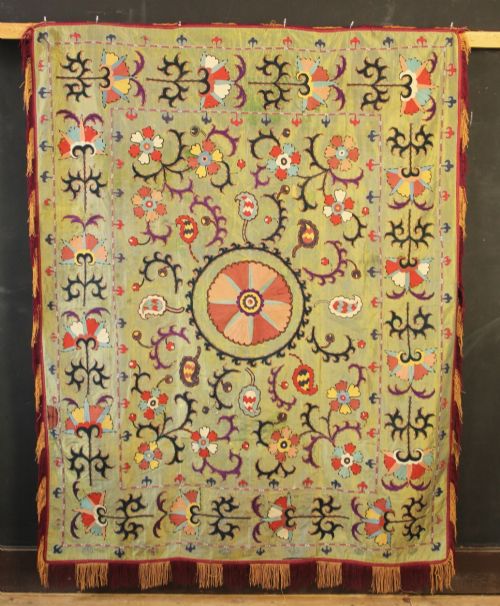
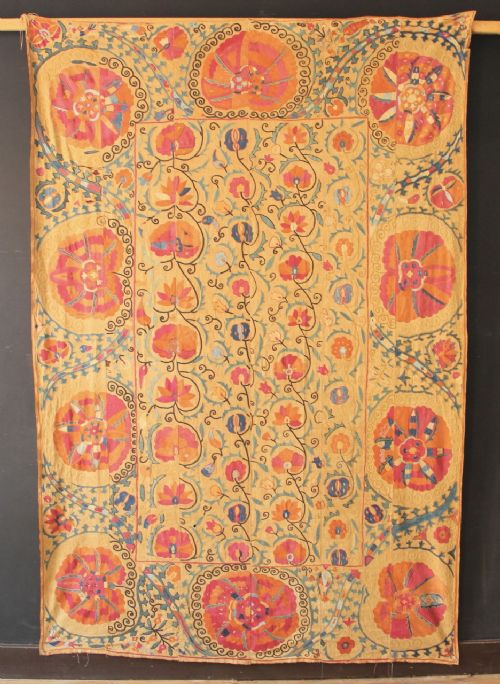
Prominent forms include the ilgich, uut kap, suzani panels, and ceremonial horse covers created for weddings and daily tribal life. Wall hangings and decorative textiles dominate the selection, showcasing traditional motifs worked across diverse regional centres like Bukhara, Tashkent, and Shakrisabz.
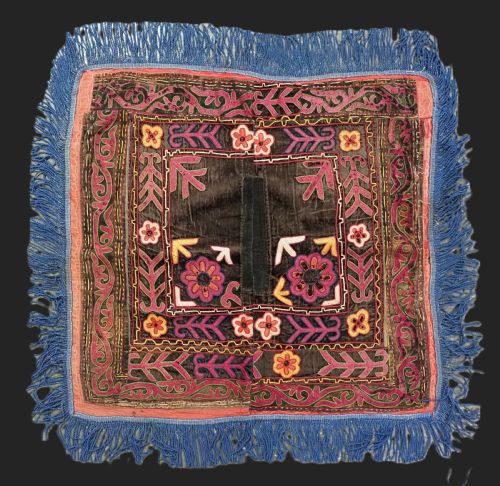
The objects reflect distinct cultural practices, functioning as functional items such as yurt wall decorations or saddle covers adapted for modern display. Each textile preserves the specific aesthetic vocabulary of nomadic groups working within defined stylistic traditions.
Quality variations in tribal embroidery
Quality rests upon the density of the needlework, the complexity of the design layout, and the brilliance of the dye palette. Full work suzanis and finely detailed ilgiches demonstrate superior technical execution compared to simpler regional variants.
The handling of foundation materials and the integrity of the surviving threads dictate the overall standard of preservation. Pieces retaining vibrant silk colours and intact structural grounds represent the upper tier of historical production.
The selection includes specialised horse covers and saddle rugs alongside traditional suzani wall panels.
The Vintage Tribal Embroidery Glossary
- Suzani
- An embroidered tribal textile originating from Central Asia, traditionally worked in silk on a cotton or linen ground for domestic or ceremonial use. These large wall hangings often feature bold floral medallions and intricate vine motifs.
- Ilgich
- A dowry embroidery piece created by Uzbek tribal groups, frequently used as a wall hanging or decorative furnishing. These items showcase distinctive geometric and figurative needlework.
- Uut kap
- A specialised hanging bag utilised within traditional nomadic dwellings for storing household goods. They display dense embroidery worked by tribal makers.
- Chyrpy
- A ladies ceremonial coat heavily embroidered in silk, originating from Turkmen traditions. These garments served as status items during important community rituals.
- Palak
- A fully embroidered suzani variant dominated by large central star motifs and dense botanical patterns. Tashkent workshops are particularly noted for producing this grand style.
Vintage Tribal Embroidery: Frequently Asked Questions
How were suzanis used originally?
These large embroidered panels functioned primarily as dowry items, wall decorations, and ceremonial coverings within traditional Central Asian households.
Families displayed them during weddings and important community gatherings to signal status and heritage.
What is an ilgich used for?
An ilgich served as a dowry embroidery piece created by women within tribal groups like the Lakai.
They were subsequently hung on walls inside traditional dwellings to beautify the living space.
How do I care for antique textiles?
Protect delicate silk and wool embroidery by keeping pieces away from direct sunlight and heavy moisture.
Mount them securely on archival backing materials to distribute weight evenly across fragile cotton or felt grounds.
How are regional styles told apart?
Regional variations reveal themselves through specific colour palettes, thread choices, and preferred motif structures.
For instance, Tashkent suzanis often feature dense all-over work, while Lakai pieces display dynamic, smaller-scale geometric abstraction.