


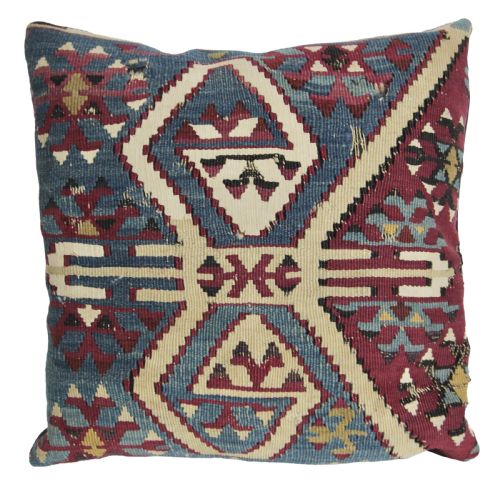
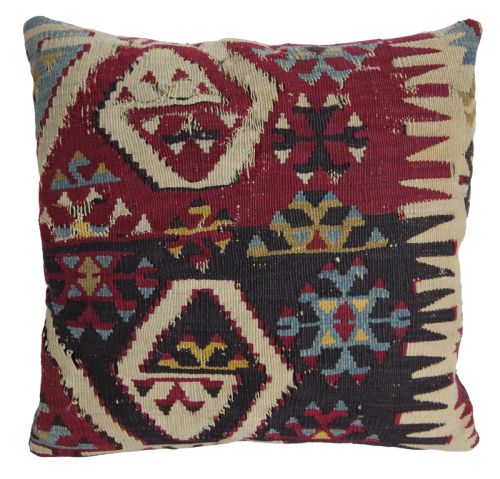


Vintage Tribal Cushion Cover
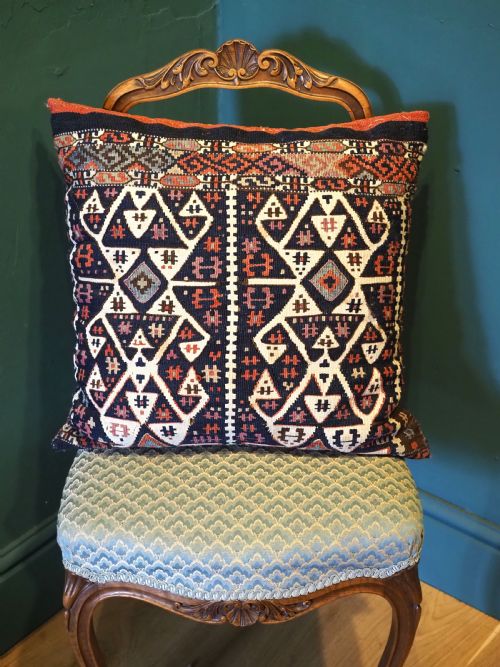
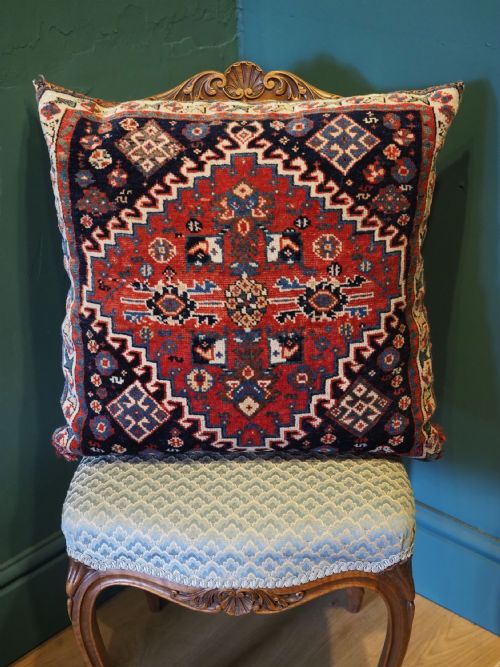
A vintage tribal cushion cover brings nomadic heritage into modern interiors through authentic woven textiles repurposed from historical village and tribal pieces.
Vintage Tribal Cushion Cover
Buyers seeking a vintage tribal cushion cover encounter textiles rooted in the nineteenth and early twentieth centuries, spanning periods from eighteen-fifty to nineteen-twenty. These pieces frequently originate from Persian, Anatolian, and Turkmen traditions, reflecting distinct regional weaving cultures.
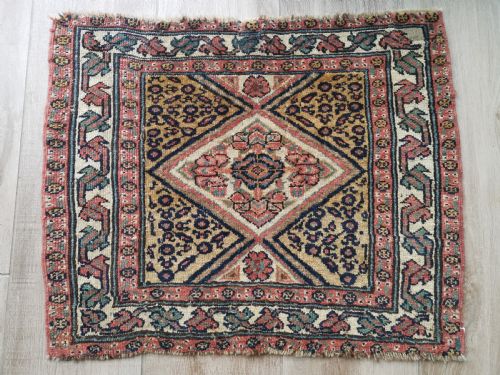
The objects themselves often begin life as functional items such as saddle bags, storage bags, rug fragments, and kilims before being adapted into throw cushions and pillows. This transition preserves ancient nomadic craft while adapting historic forms for contemporary domestic spaces.
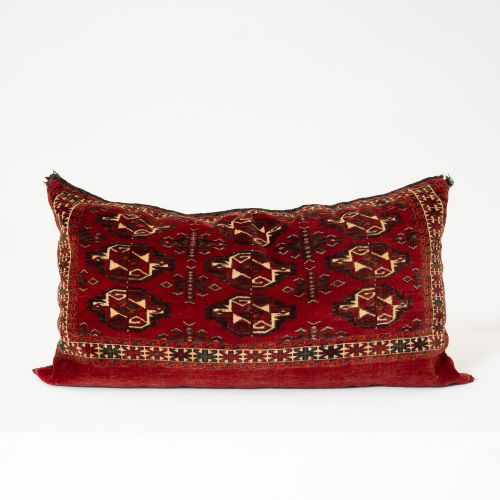
Regional styles include Qashqai, Afshar, Baluch, Shahsavan, and Tekke Turkmen, demonstrating the diverse aesthetic vocabulary found across village and nomadic workshops. Each origin brings specific structural characteristics and design motifs to the resulting cushion covers.
Materials and construction
Makers utilised hand-spun wool, cotton, and occasional goat hair, combining these fibres with natural and vegetable dyes to achieve deep colour palettes. The reliance on hand-spun materials gives the wool a distinct tactile quality and variable texture.
Weaving techniques incorporate flatweave kilim construction, pile carpets, soumak work, and banded weft work. These methods allow for the creation of durable bag faces and storage containers that endure centuries of daily use.
Materials recorded across current listings include wool, hand-spun wool, cotton, goat hair, and natural vegetable dyes.
Factors of quality
Quality rests in the handling of wool and dye, where lustrous, luminous fibres and rich vegetable colour saturation distinguish superior pieces from simpler work. The vibrancy of natural dyes contributes significantly to the visual depth of the textile.
Structural integrity and knot density or weave tightness dictate the durability of the cushion cover. Pieces retaining original backs or formed from complete bag faces demonstrate better preservation of the historic artisan intent.
The Vintage Tribal Cushion Cover Glossary
- Kilim
- A flatweave textile produced without pile by tightly interweaving warp and weft strands. This technique creates a lightweight fabric suitable for wall hangings and cushion covers.
- Chuval
- A large Turkmen tent storage bag traditionally used for bedding and household goods. Surviving fragments often find new life as decorative cushions.
- Torba
- A smaller Turkmen storage bag used within nomadic tents for personal possessions. Their compact formats translate effectively into scatter cushion dimensions.
- Soumak
- A supplementary weft wrapping technique that produces a durable textile with a braid-like surface texture. It appears frequently on Shahsavan bag faces.
Vintage Tribal Cushion Cover: Frequently Asked Questions
How do I care for antique wool cushions?
Gentle surface cleaning and regular rotation help preserve the integrity of historic wool and natural dyes.
Avoid direct prolonged sunlight to prevent fading and keep the textile away from excessive moisture.
Are these cushions made from old rugs?
Many cushions are fashioned from authentic nineteenth and early twentieth century tribal bag faces, storage sacks, and rug fragments.
This repurposing gives historical nomadic textiles a practical function in modern homes.
What is a bag face?
A bag face is the decorative front panel of a nomadic storage container or saddle bag.
Because these panels received the most elaborate weaving and design work, they are frequently selected for conversion into cushions.
How can I tell different tribal designs apart?
Tribal designs vary by region, colour palette, and specific geometric or figurative motifs characteristic of groups like the Qashqai, Baluch, or Turkmen.
Familiarity with regional knotting structures and dye types helps identify the specific weaving community.