





Vintage Tool Chest Box
A vintage tool chest box provides rugged, functional storage built to last, making it a practical addition to any room.
Vintage Tool Chest Box
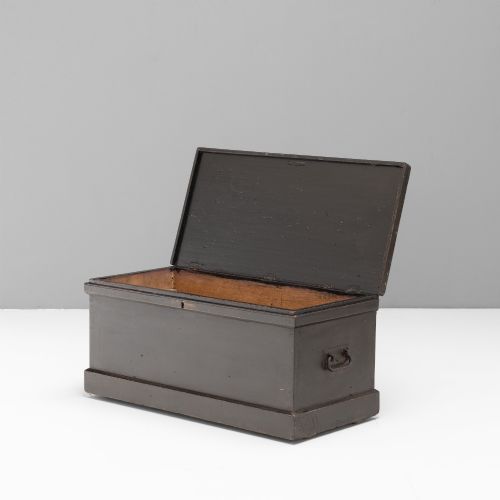
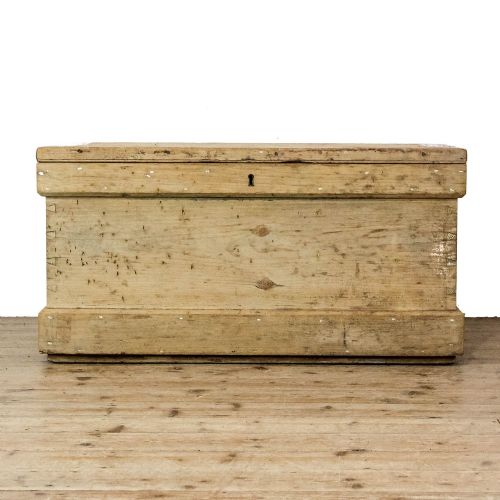
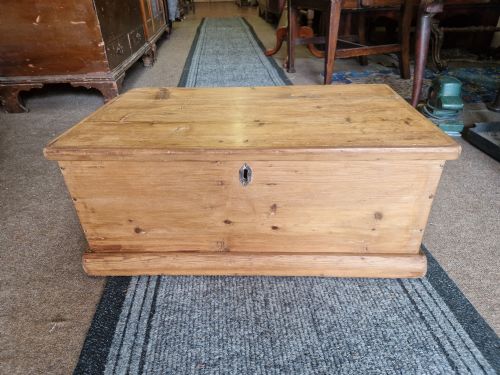
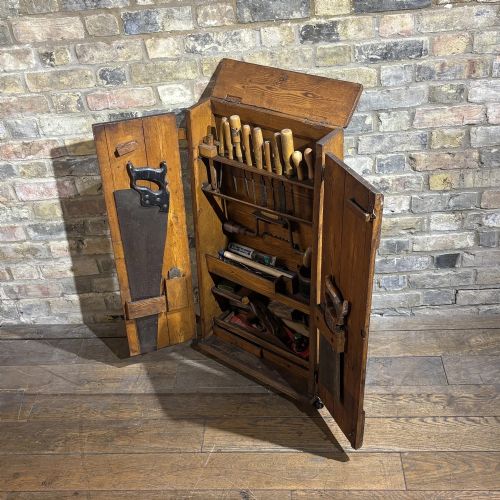
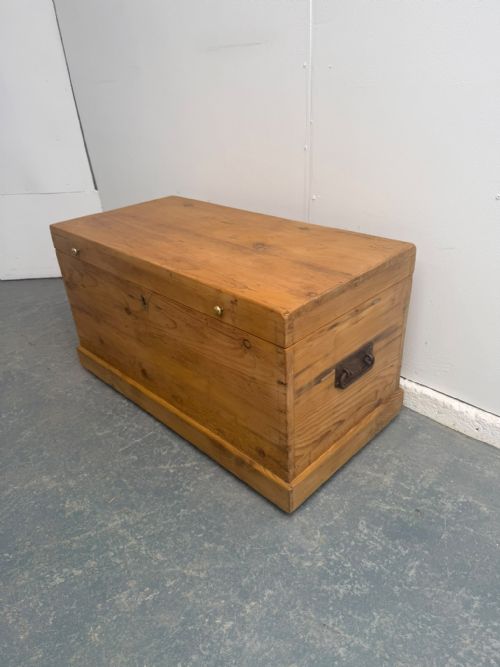
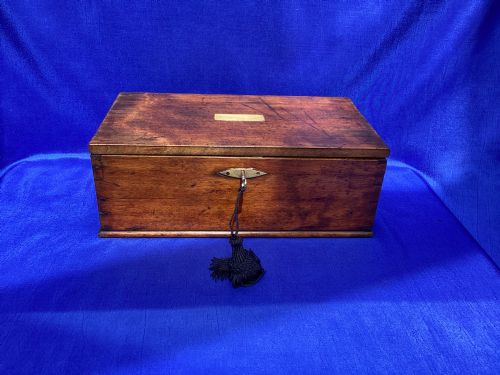
When you search for a vintage tool chest box, you encounter robust storage containers originally built for tradespeople, carpenters, and maritime use. These pieces range from simple pine trunks to specialised cabinets fitted with internal compartments and drawers.
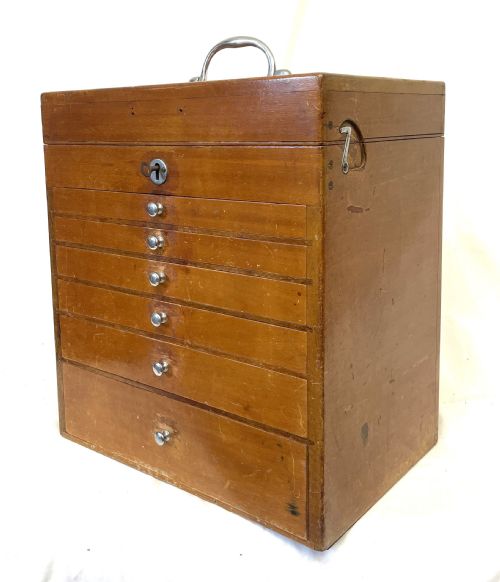
The most common examples on this page are Victorian and nineteenth-century pine boxes, often featuring brass hardware, side lifting handles, and dovetailed construction. Alongside these traditional carpenter and joiner chests, you find specialised items such as apothecary cabinets, watchmaker cabinets, and engine company boxes.
Origins span Georgian, Victorian, and early twentieth-century periods, reflecting utilitarian craftsmanship from workshop, ship, and studio settings. Whether plain or brass bound, each box tells a story of heavy daily employment and durable design.
How they were made
Construction relies heavily on solid woods like pine, pitch pine, mahogany, teak, and elm, selected for resilience and stability. Makers joined corners with tight dovetails or sturdy joints to withstand the heavy loads of metal tools and equipment.
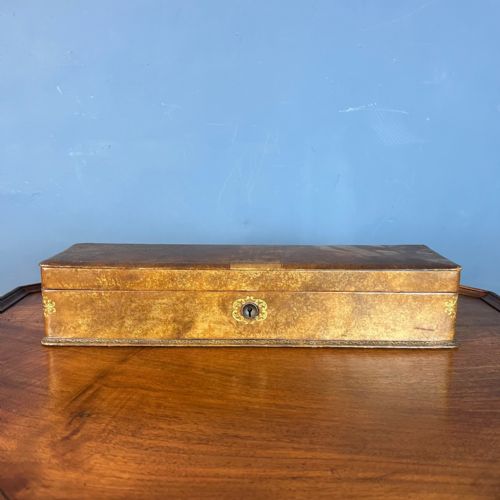
Hardware played a crucial functional role, incorporating iron brackets, brass hinges, corner mounts, and working locks with keys. Surfaces were often waxed, painted, ebonised, or left as bare timber, sometimes accented with tooled leather or gilt brass.
One seaman's chest arrives proudly bearing the evocative painted inscription 'Emblem of Liberty'.
What varies in quality
Quality rests on the integrity of the original construction, the thickness of the timber, and the survival of internal fittings such as tills, small drawers, and dividers. Pieces retaining their original locks, handles, and authentic surface patination stand apart from heavily altered examples.
Finer pieces show meticulous joinery details, specialised compartmentalization designed for specific trades like watchmaking or cabinet making, and branded or named maker plaques that elevate their historical interest.
Holtzapffel and Co·Gnome Et Le Rhone Engine Company·Manoah Rhodes & Sons Ltd
The Vintage Tool Chest Box Glossary
- Dovetailed
- A joint formed by interlocking wedge-shaped fingers, providing immense tensile strength to the corners of wooden boxes.
- Pitch pine
- A resinous, durable pine variety prized for its strength and distinct grain pattern in heavy-duty nineteenth-century trunks.
- Till
- A small internal sliding tray or compartment built inside a chest to keep smaller implements organised separate from the main cavity.
- Ebonised
- Timber treated with a dark stain or finish to imitate the dense, black appearance of ebony wood.
- Apothecary
- A specialised cabinet or box fitted with multiple small drawers designed for storing medicinal ingredients and delicate instruments.
Vintage Tool Chest Box: Frequently Asked Questions
What were old tool chests used for?
Tradesmen, carpenters, and shipwrights utilised these robust trunks to transport and secure valuable hand tools and delicate instruments from site to site.
Over time, the sturdy construction and fitted interiors proved equally suited for protecting specialised gear in workshops and maritime environments.
How do I clean a pine tool chest?
Maintenance typically involves removing surface dust with a dry cloth and gently applying a traditional beeswax to nourish the aged timber.
Avoid harsh chemical cleaners that can strip away the authentic patination accumulated over decades of workshop use.
Are these chests heavy?
Most pieces utilise thick solid timbers such as pine, elm, or teak, resulting in a substantial weight designed to keep them stable during transit.
Many examples feature original side lifting handles to assist with moving their considerable bulk.
How do I spot a Victorian pine chest?
Victorian examples frequently display characteristic nineteenth-century construction methods, including hand-cut dovetails, iron or brass hardware, and waxed pine surfaces.
Examining the locks, hinges, and interior layout often helps confirm the approximate era of manufacture.