




Antique Tool Trunk
An antique tool trunk is a sturdy timber storage chest built for tradesmen, carpenters and shipwrights, offering rugged utility and historic character for modern interiors.
Antique Tool Trunk
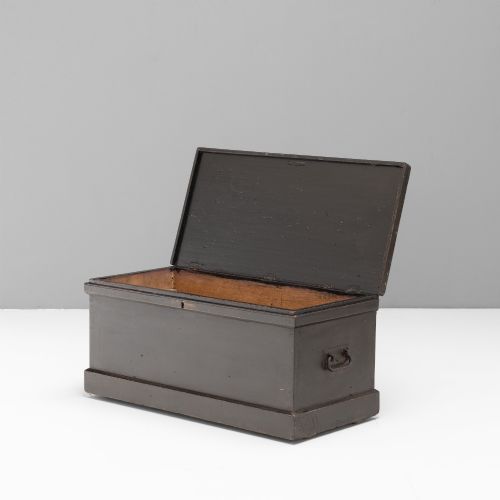
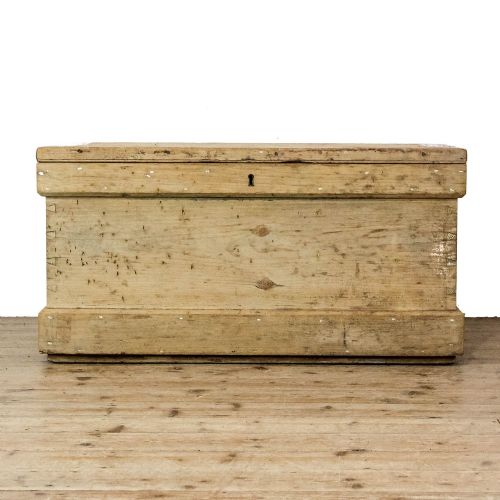
An antique tool trunk serves as a heavy-duty receptacle originally constructed to transport and protect specialised implements for carpenters, joiners, shipwrights and farriers. The pieces found here predominantly date from the Victorian and Edwardian eras, spanning the nineteenth and early twentieth centuries.
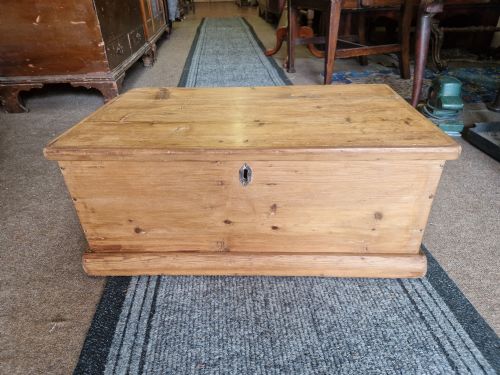
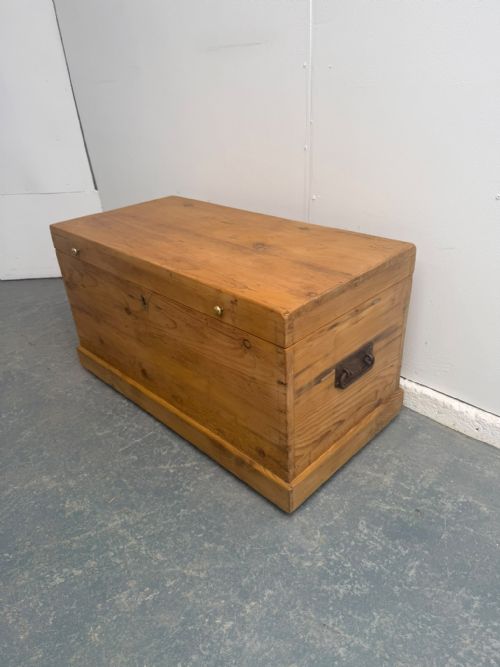
Most examples appear in plain, pitch, or scumble pine, alongside more substantial timbers such as mahogany, oak, elm and teak. These robust storage boxes often retain original iron and brass hardware, rope handles, and fitted interior compartments designed for specific trades.
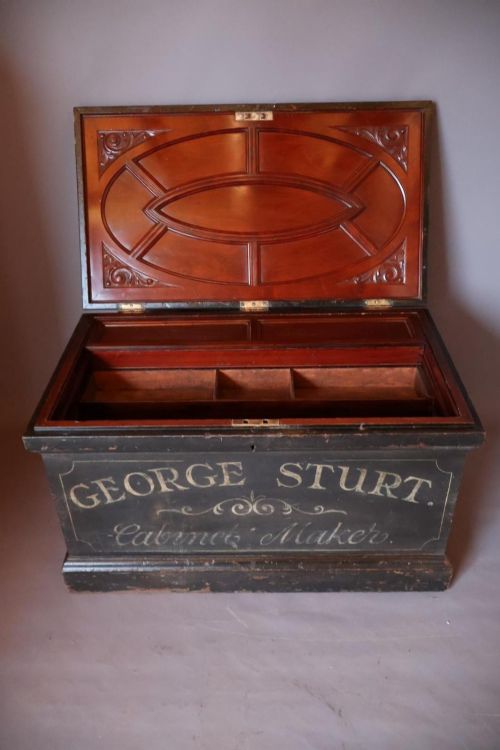
Beyond standard workshop chests, the selection encompasses maritime sea chests, ammunition cases, and painted artisan boxes originating from workshops across Britain. Buyers encounter everything from utilitarian workman trunks to finely fitted cabinet maker chests with multiple internal drawers.
How they were made
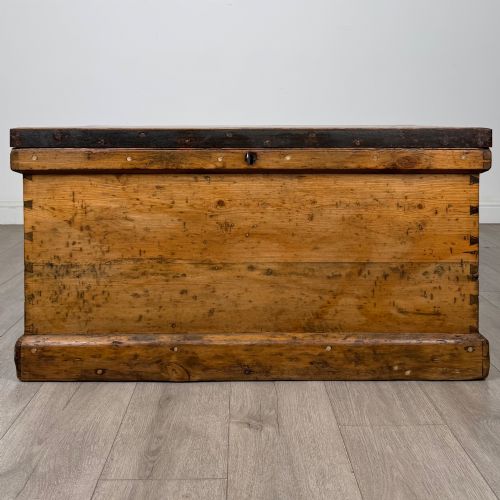
Makers constructed these trunks primarily using solid timbers like pine, mahogany and oak, joining boards with dovetailed corners to withstand heavy loads and constant travel. Iron and brass brackets, corner plates, and strap hinges reinforce the structural integrity of the lids and bases.
Surface treatments range from simple wax and natural polish to dark ebonising, decorative scumble painting, and maritime finishes designed to resist moisture. Interiors frequently feature complex secondary boxes, till compartments, and custom fitted tool racks tailored to the owner's trade.
Listings feature nineteenth-century and early twentieth-century examples constructed from pine, mahogany, oak, elm and teak.
What varies in quality
The sophistication of the internal joinery and fitted compartments distinguishes a master craftsman's chest from a basic workman's box. Trunks built for shipwrights or cabinet makers often showcase meticulous dovetailing, tidy secondary drawers, and intact locking mechanisms with working keys.
The choice of material and external hardware also dictates standard, moving from standard structural pine with iron mounts up to dense hardwoods like mahogany and teak fitted with heavy brass bindings and robust side lifting handles.
Gnome Et Le Rhone Engine Company·W.G. Pollard
The Antique Tool Trunk Glossary
- Scumble pine
- Pine timber treated with a translucent glaze layer manipulated with combs or brushes to imitate the grain of more expensive hardwoods. This decorative technique was common on nineteenth-century vernacular furniture.
- Till
- A small internal compartment or sliding box built into the upper corner of a chest for storing smaller items or documents. It usually sits above the main storage well.
- Dovetail joint
- A traditional interlocking woodworking joint formed by interlocking wedge-shaped fingers, prized for its exceptional tensile strength and resistance to being pulled apart.
- Ebonised
- Timber treated with chemical stains or dark finishes to resemble costly ebony wood. Workshops utilised this process during the Victorian period to create a stark, formal appearance.
Antique Tool Trunk: Frequently Asked Questions
What were antique tool trunks originally used for?
Tradesmen, carpenters, and mariners relied on these heavy chests to securely transport and store their valuable hand tools from site to site.
Internal till boxes and custom racks kept smaller implements organised while protecting the contents from moisture and rough handling.
How do I date a nineteenth-century tool chest?
Dating relies on examining construction methods, timber choices, and hardware styles. Hand-cut dovetails and simpler iron mounts generally point towards the earlier part of the nineteenth century.
Later Victorian and Edwardian examples often incorporate machine-sawn elements, brass bindings, and more complex internal configurations.
Are these trunks suitable for modern living spaces?
Their flat lids and sturdy construction make them popular choices to utilise as coffee tables, window seats, or hallway storage benches. Many buyers place them in living areas to combine historic character with practical storage.
Interiors provide ample space for blankets, books, and household items while the exterior adds rustic texture to a room.
What is the difference between a shipwright and carpenter chest?
Shipwright and maritime chests typically feature materials designed to withstand damp conditions, often including brass bindings, rope handles, and waterproof painted finishes. They reflect the specific demands of working on vessels or coastal environments.
Carpenter and cabinet maker versions focus on intricate internal fitted trays and drawers tailored for fine woodworking chisels and measuring instruments.