

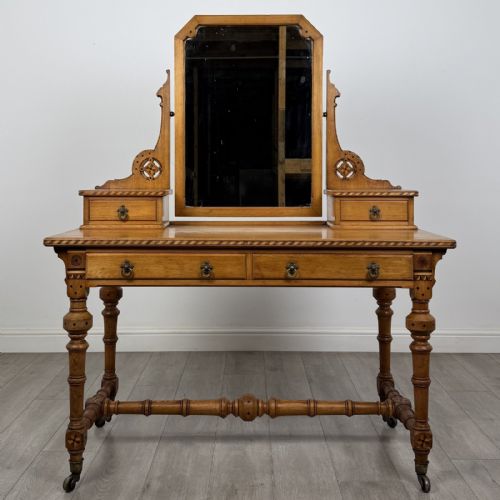
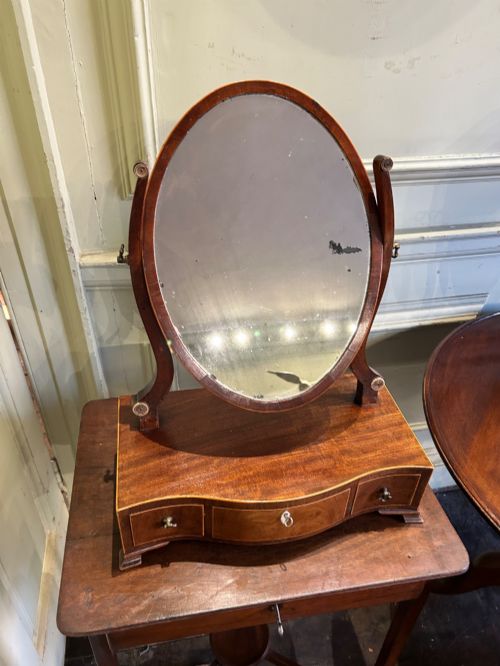
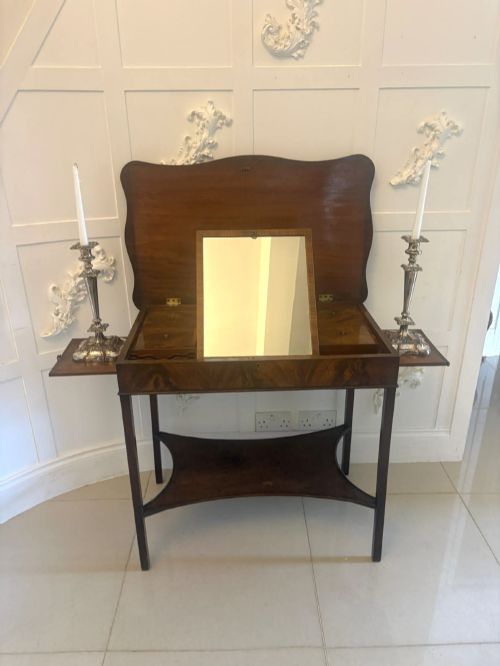
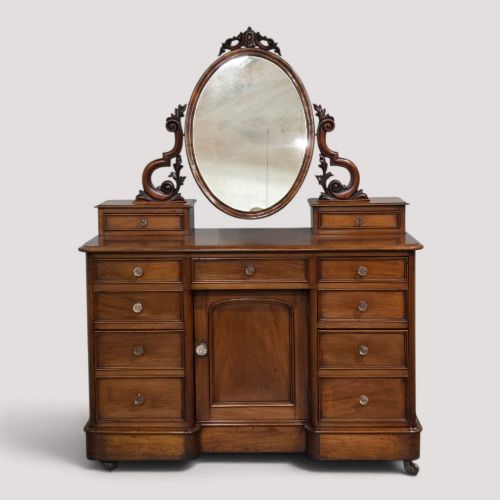
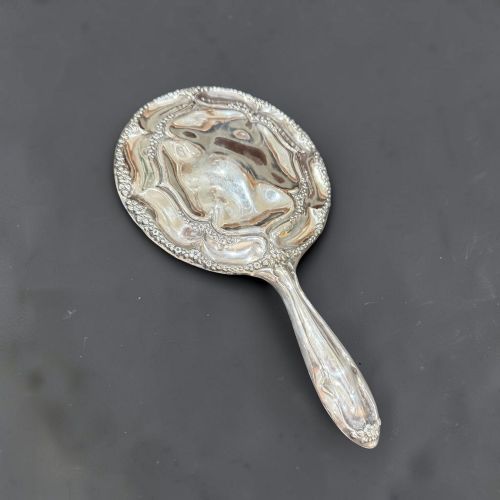
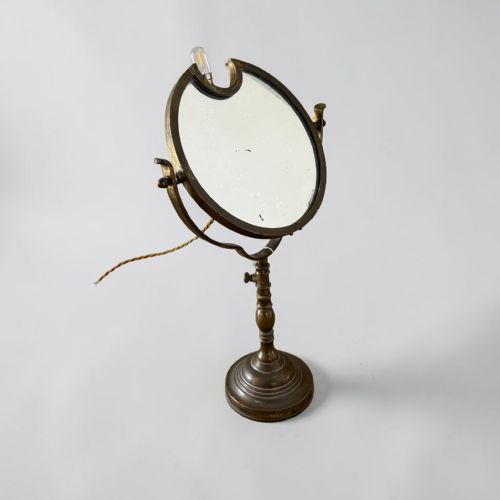
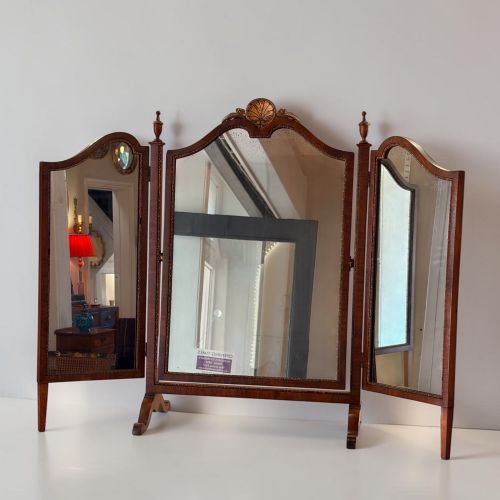
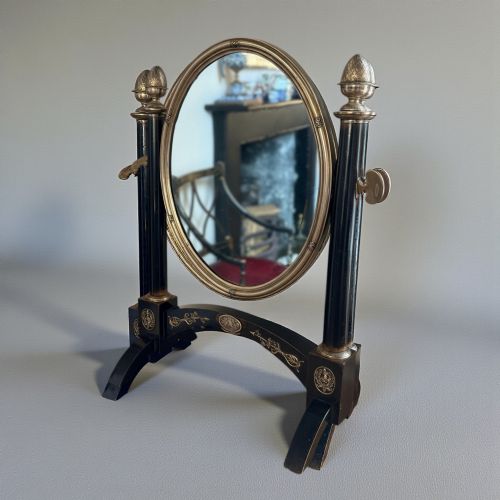
Vintage Toilet Mirror
A vintage toilet mirror sits upon a chest or table to catch the light, offering a clear reflection while anchoring a room with period timber.
Vintage Toilet Mirror
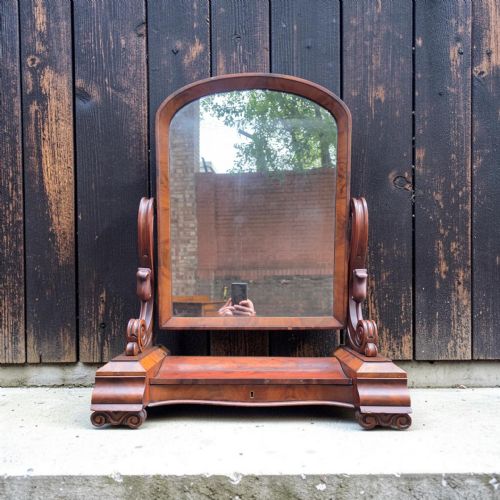
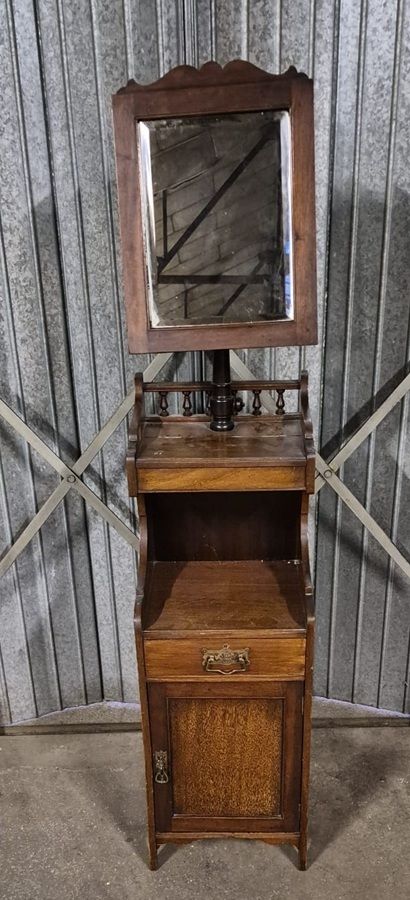
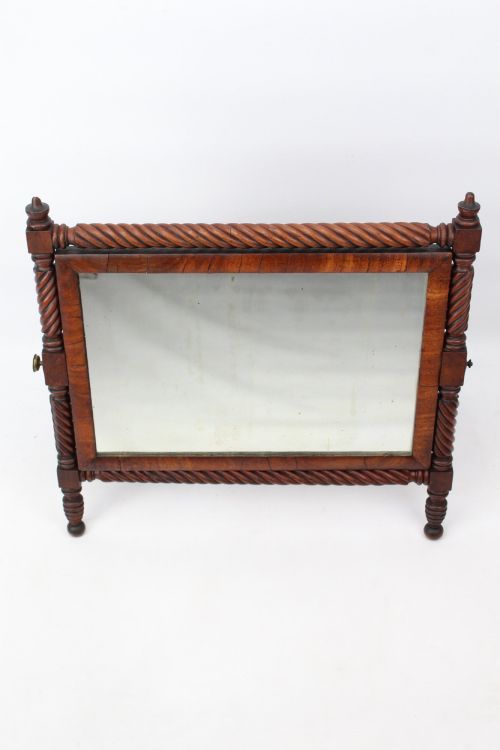
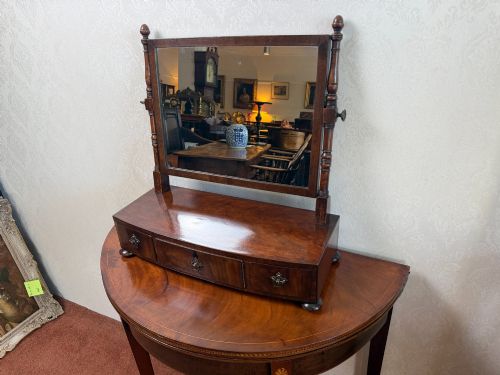
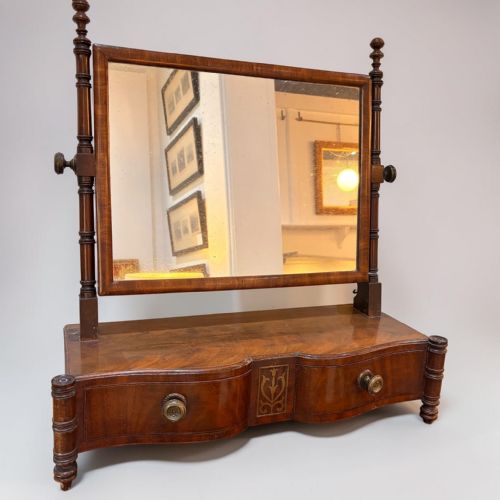
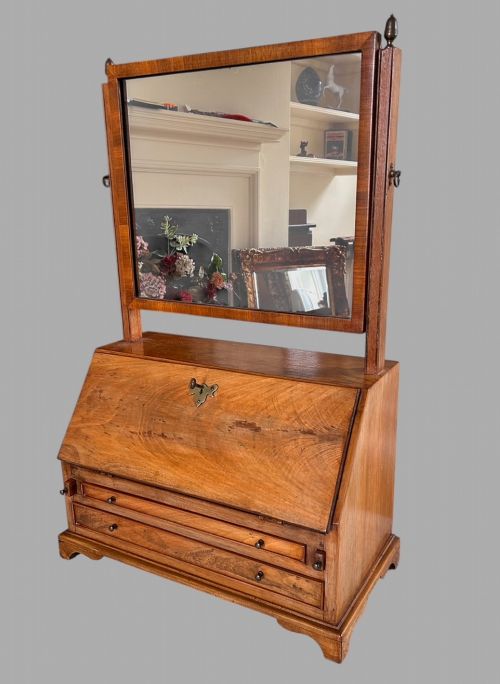
A vintage toilet mirror provides a compact surface for grooming, traditionally placed upon a dressing table, chest, or bureau. The form centres on a pivoting glass plate held within a wooden frame, allowing the user to tilt the angle of reflection as needed.
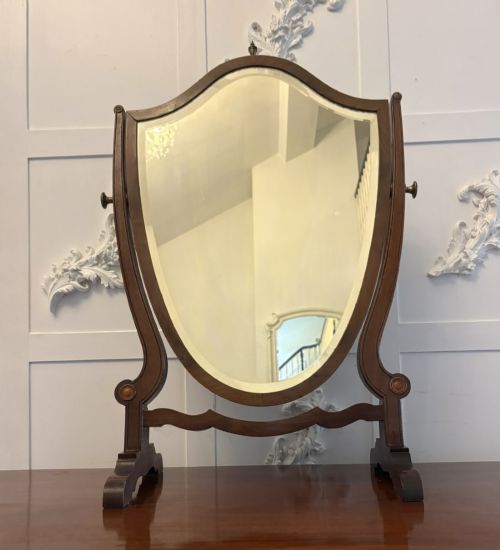
Originating largely from Georgian, Victorian, and Edwardian workshops, these mirrors vary from simple swing frames to elaborate designs with shield-shaped or oval plates.
Materials and Construction
Cabinetmakers constructed these frames primarily using dense hardwoods such as mahogany, walnut, and oak, frequently enhanced by crossbanding, veneer, or fine carving. The upright supports and base boxes required stable joinery to bear the weight of the pivoting glass plate.
Mirror glass of earlier centuries was set into rebated frames, sometimes backed with protective panels of pine or cedar. Metal elements like brass pivots, arms, and drawer pulls provided the adjustable mechanical movement necessary for daily use.
Vintage Toilet Mirror Retail Price Guide 2026
Typical asking prices for vintage toilet mirror among the pieces listed under this phrase on Sellingantiques today, from the lower quarter to the upper quarter. They describe what is for sale here now, not the wider market.
Some tiny drawers were built so shallow they could barely hold a hairpin, serving mostly to balance the weight of the tilting glass.
Distinctions in Quality
The distinction between standard utility pieces and finer examples rests upon the selection of timber and the crispness of the cabinetwork. Superior pieces utilise figured mahogany, walnut, or satinwood with deliberate crossbanding and finely dovetailed drawer boxes.
Proportion and the retention of original components dictate the standing of a piece. Well-balanced frames with harmonious drawer arrangements and original brass hardware represent the upper tier of surviving examples.
Heal And Sons·P And MA Nicholson
The Vintage Toilet Mirror Glossary
- Shield mirror
- A dressing glass shaped like a heraldic shield, popular during the Georgian and Regency periods. It is typically mounted on delicate uprights above a serpentine or bow-fronted box base.
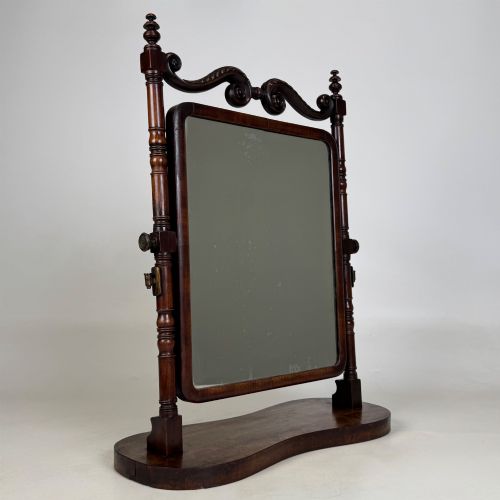
- Swing mirror
- A mirror plate hung on horizontal pivots between two vertical uprights. This arrangement allows the glass to tilt forward or backward.
- Crossbanding
- A decorative border of veneer laid across the grain of the primary wood. This technique creates a contrasting frame around drawer fronts or table tops.
- Triplate
- A dressing mirror featuring three separate glass panels, usually with a larger central mirror flanked by two smaller adjustable wings. It allows multiple angles of sight.
- Easel mirror
- A table mirror supported by a hinged leg or prop at the back rather than resting within a fixed frame or box base.
Vintage Toilet Mirror: Frequently Asked Questions
Where should I place a toilet mirror?
These mirrors suit dressing tables, chests of drawers, or sturdy side tables where their height can be appreciated. They sit well in bedrooms or hallways to provide a functional focal point.
Ensure the surface is level and deep enough to support the weight of the base and the swing of the glass plate.
How do I distinguish a Georgian mirror from a Victorian one?
Georgian examples often display restrained classical proportions, Cuban mahogany, and understated bracket feet. Victorian pieces tend toward heavier carvings, ebonised finishes, or more elaborate Revival styles.
Examine the secondary woods inside the drawers and the construction of the backboards for period clues.
Are the mirror plates usually original?
Many surviving pieces retain their original silvered glass, which may show light foxing or spotting from age. Some pieces have received replacement glass over the decades to maintain a clear reflection.
Check the thickness of the glass and how it is secured into the rebate to gauge its age.
What is the purpose of the drawers in the base?
The small drawers beneath the swing glass were designed to hold pins, cosmetics, jewellery, and small grooming accessories. They add stability to the base while offering practical hidden storage.
Inspect the drawer linings and dovetails to understand the standard of the original cabinetmaking.