


Vintage Timber Working Painting
These vintage timber working painting pieces capture rural labour and rustic craft through oils and watercolours on paper and canvas.
Vintage Timber Working Painting
A vintage timber working painting brings rustic scenes of logging, harvest, and rural labour directly into your interior, recorded across the nineteenth and early twentieth centuries. These artworks capture logging operations and agricultural life through the hands of British Impressionist and regional painters working in oil and watercolour.
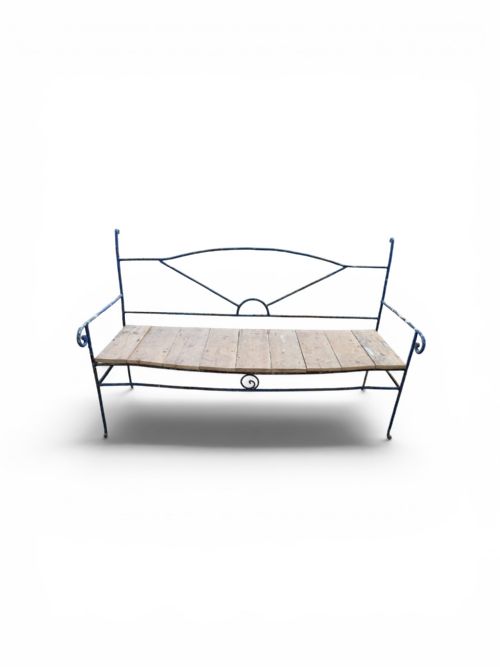
The selection on this page centres on landscape and rural subject matter, ranging from watercolours depicting logging and timber hauling to oil paintings signed by artists such as James William Booth, Herbert Royle, and Fred Lawson. Alongside these framed works sit utilitarian wooden tables and benches from Victorian, Edwardian, and Scandinavian country origins.
Buyers seeking a vintage timber working painting often find themselves drawn to pieces dated between eighteen sixty and nineteen thirty, reflecting an era when rural industries dominated the landscape. The grouping unites fine art paintings with heavy wooden furniture, creating a cohesive aesthetic rooted in timber, pine, and wrought iron.
Materials and construction
Painters working on these subjects applied oil on canvas or watercolour on paper, often framing the compositions with gesso and gold leaf details. The physical supports reflect the period's standard studio practices, utilising woven canvas stretched over wooden frames or heavier paper sheets.
The utilitarian furniture accompanying these paintings relies on solid wood construction, specifically pine and various hardwoods shaped into kitchen tables, drapers tables, and garden benches. Joinery methods of the nineteenth and early twentieth centuries ensured these tables and benches withstood heavy daily work before entering the decorative market.
Several artists braved freezing northern winters outdoors just to capture the exact shade of a horse hauling timber.
Assessing quality and execution
The distinction between a standard piece and a superior one rests upon the artist's brushwork and the subtlety of light captured within the rural scene. Works by established named artists display a confident handling of pigment that brings texture to timber hauling and winter landscapes, whereas lesser pieces rely on formulaic compositions.
Material integrity separates robust furniture from fragile examples, with genuine period pieces showing honest wear across pine surfaces and wrought iron fittings. Quality in both the paintings and the associated benches lies in the preservation of original finishes rather than heavy modern restoration.
Herman S Melville·James William Booth·Herbert Royle·Fred Lawson
The Vintage Timber Working Painting Glossary
- Watercolour
- A painting method where fine pigment is suspended in a water-based solution, typically applied to paper supports. It allows for translucent washes that capture atmospheric light in landscape scenes.
- Oil on Canvas
- Pigment mixed with drying oil applied to a stretched woven fabric support. This technique provides rich colour saturation and textured brushwork suited to durable rural depictions.
- Gesso
- A plaster-like mixture applied to wood or canvas as a base for painting or as a smooth surface for gilding. It gives antique frames their rigid structure and crisp decorative mouldings.
- Gold Leaf
- Metal beaten into extremely thin sheets used to gild picture frames and decorative objects. It adds a reflective border that isolates the painted canvas from its surroundings.
- Drapers Table
- A long, sturdy wooden table historically used in textile shops for measuring and folding cloth. Their generous proportions now make them favoured as kitchen islands or writing desks.
Vintage Timber Working Painting: Frequently Asked Questions
What subjects do these paintings show?
The artworks primarily depict rural labour, including logging operations, timber hauling, and harvest scenes across Yorkshire and other regional landscapes. Artists of the period focused on documenting working life in the countryside.
These pieces combine documentary value with artistic interpretation, reflecting the social and industrial shifts of the nineteenth and early twentieth centuries.
How do I date a wooden bench?
Dating relies on examining the construction methods, tool marks left on the timber, and the specific wood species used, such as pine or heavier hardwoods. Victorian and Edwardian examples show specific joinery traits characteristic of their decades.
Comparing the wear patterns and hardware, such as wrought iron braces, helps confirm whether a bench originates from the nineteenth or early twentieth century.
Where should I hang these paintings?
These works suit dining rooms, studies, or hallways where their rustic subject matter complements traditional interiors and wooden furniture. Natural light enhances the earth tones typical of early twentieth-century British Impressionism.
Avoid placing watercolours in direct sunlight to protect the paper supports and pigments from fading over time.
Are the tables suitable for daily use?
Kitchen tables and drapers tables from this selection were originally built for heavy manual tasks, making them remarkably sturdy for modern domestic environments. Their solid pine construction handles everyday activities with ease.
Maintaining the wooden surfaces with appropriate wax keeps the historic finish protected while accommodating active daily life.