





Vintage Timber Press
These vintage timber press items unite heavy-duty utility with centuries of domestic joinery, offering practical storage that grounds a modern room.
Vintage Timber Press
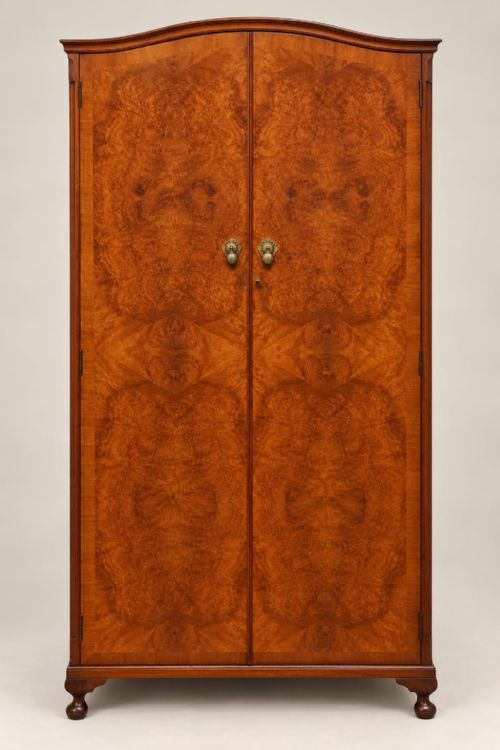
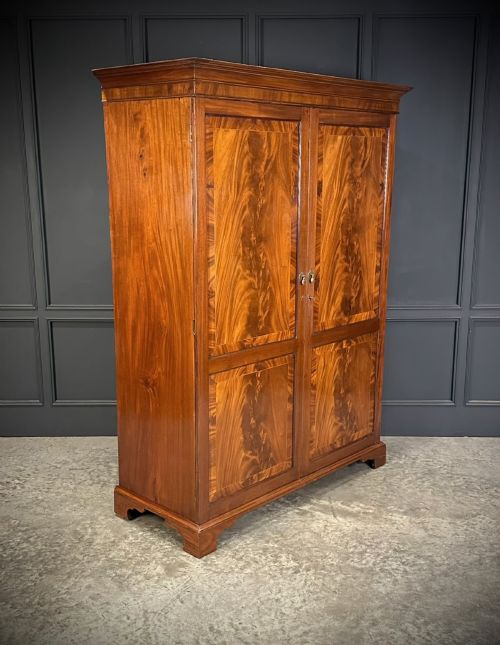
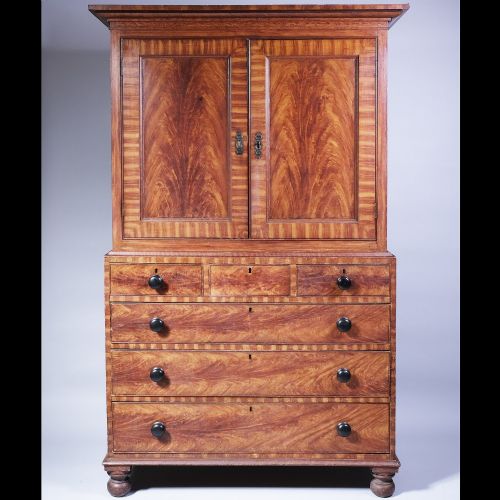
A vintage timber press brings together large-scale storage furniture and specialist agricultural or domestic machinery in wood. When searching for a vintage timber press, buyers encounter everything from grand mahogany wardrobes and linen presses to dedicated cheese and wine presses.
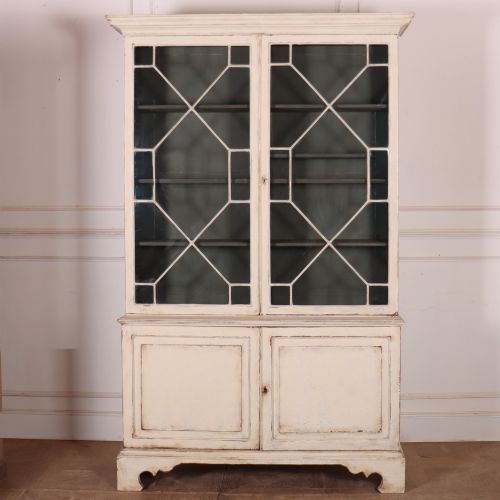
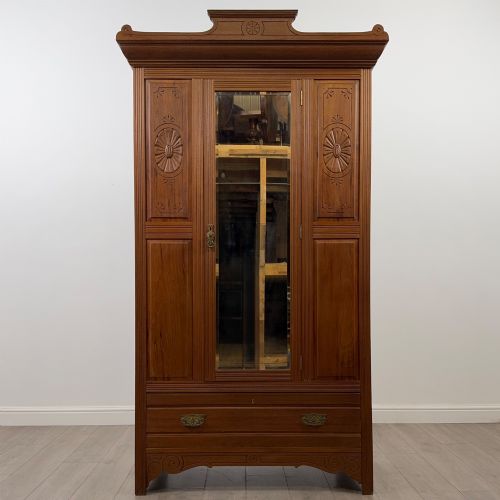
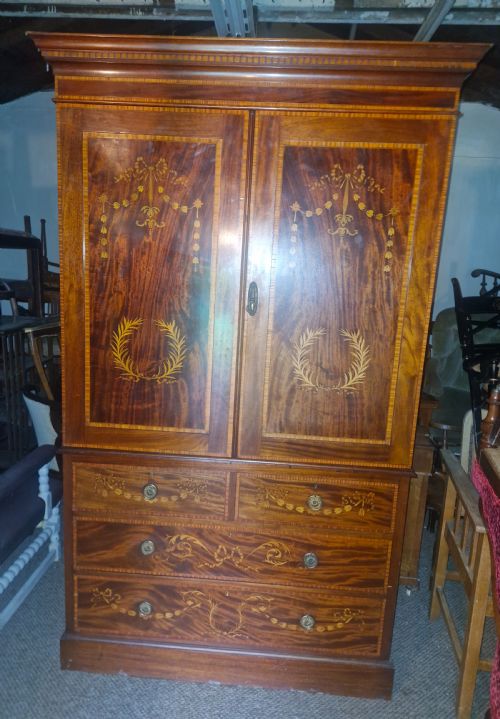
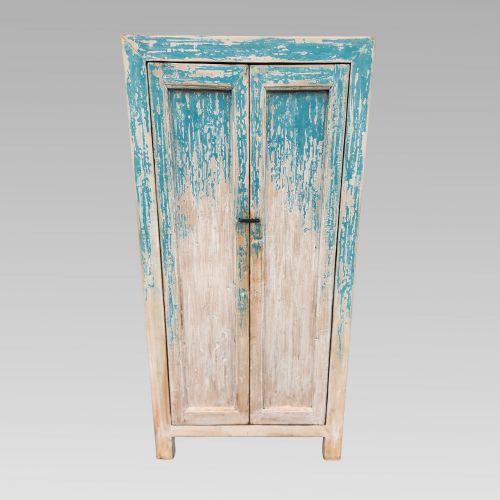
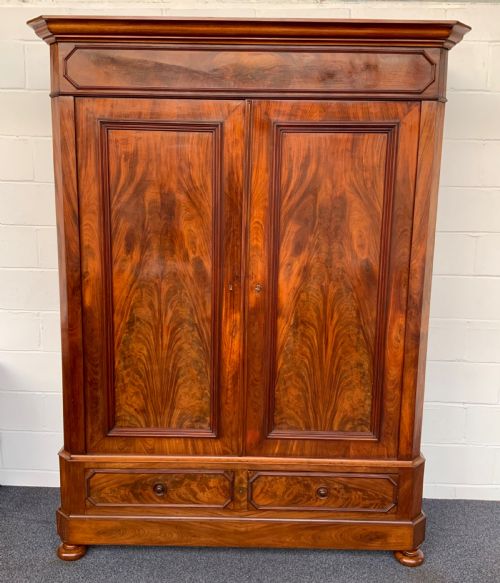
The pieces appearing on this page span several centuries and styles, ranging from Georgian and Victorian country house designs to Edwardian inlaid satinwood and rustic farmhouse pieces. Wardrobes, armoires, and housekeepers cupboards form the bulk of the domestic storage furniture grouped under this heading.
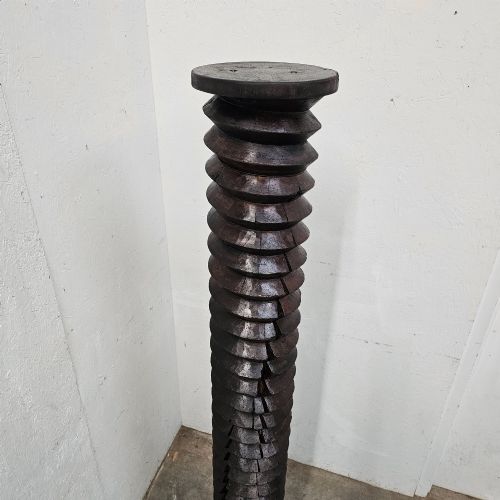
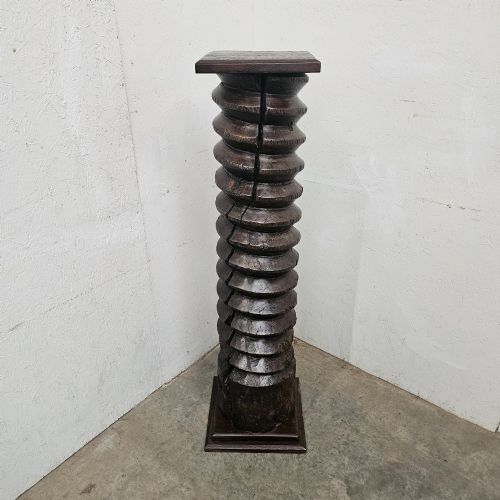
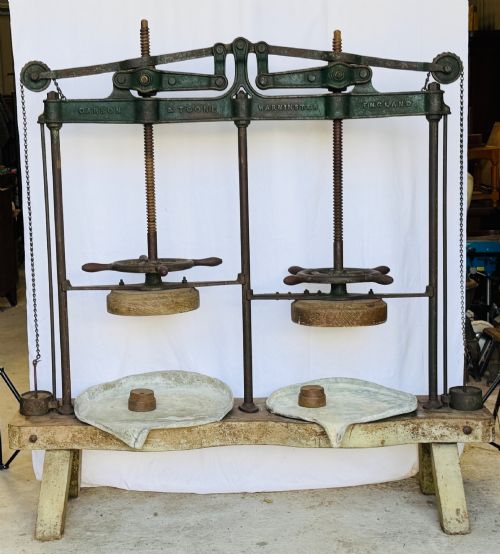
Specialist functional objects also emerge in the evidence, including double cheese presses and hand-carved wine presses with screw threads. These diverse forms share a heavy reliance on solid timber construction and mechanical utility.
Materials and Construction
Makers utilised a wide array of hardwoods and softwoods, frequently selecting mahogany, walnut, oak, pine, and teak for their durability and grain. Finer pieces incorporate burr walnut, flame mahogany, and satinwood veneers, often finished with marquetry inlay or paint.
Structural integrity relies on traditional joinery methods combined with functional iron, brass, and glass elements. Mechanical items like cheese and wine presses incorporate heavy timber framing alongside iron screw threads to apply pressure.
Vintage Timber Press Retail Price Guide 2026
Typical asking prices for vintage timber press among the pieces listed under this phrase on Sellingantiques today, from the lower quarter to the upper quarter. They describe what is for sale here now, not the wider market.
The listings feature diverse timbers including mahogany, walnut, teak, pine, and cedar across various 18th, 19th, and 20th-century styles.
Assessing Quality and Execution
The distinction between ordinary and superior pieces rests on the choice of timber and the ambition of the joinery. Finely figured veneers, intricate hand-carving, and sophisticated inlays separate standard storage from exceptional examples.
Proportion and execution define the lasting appeal of these items, particularly in larger architectural pieces like armoires and housekeepers cupboards. The integration of functional hardware, such as glass panes and metal screw mechanisms, further distinguishes individual pieces.
Druce & Co.·Mercier
The Vintage Timber Press Glossary
- Linen Press
- A piece of storage furniture traditionally used for flat linens, featuring sliding trays or shelves enclosed by doors.
- Armoire
- A large wardrobe or cupboard, often of French or continental origin, typically featuring double doors.
- Cheese Press
- A mechanical device designed to expel whey from curd during cheese-making, utilising a timber frame and pressure screw.
- Scumble Paint
- A decorative paint technique applied to imitate the grain of more expensive woods or to create mottled surface patterns.
- Treen
- Small handmade wooden household objects, ranging from lemon squeezers to lace folders.
Vintage Timber Press: Frequently Asked Questions
How do I choose the right timber press?
Consider the available floor space and the intended function, whether for clothing storage or as a decorative focal point in a kitchen.
Larger wardrobes and armoires require adequate ceiling height, while smaller kitchenalia and presses fit easily onto existing surfaces.
Are these pieces suitable for modern homes?
These items provide substantial storage capacity that adapts readily to contemporary bedrooms, hallways, and living spaces.
Solid wood construction ensures durability, allowing antique cupboards and presses to withstand daily domestic use.
How do I identify the period of a press?
Examine the wood species, decorative inlays, and construction methods against known historical styles such as Georgian, Victorian, or Edwardian.
Secondary woods and hardware fastenings often provide reliable clues to the exact manufacturing era.
What maintenance do antique timber surfaces require?
Keep wooden surfaces away from direct heat sources and strong sunlight to prevent the timber from drying out or splitting.
Apply appropriate wax polish periodically to nourish the grain and maintain the natural lustre of the finish.