
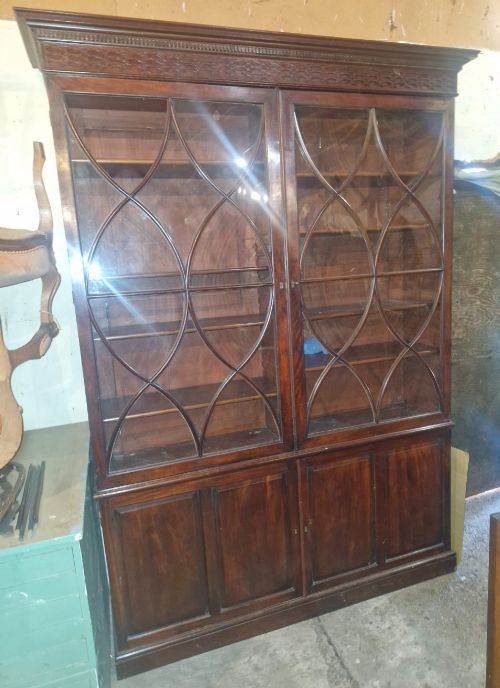
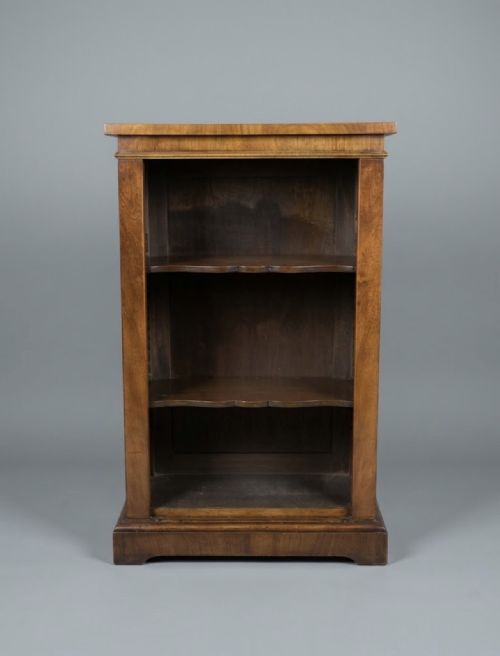
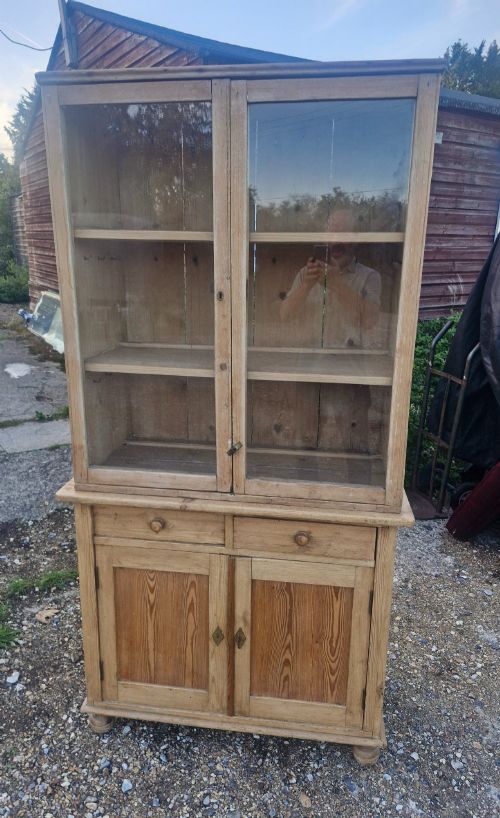
Vintage Tiered Bookcase
A vintage tiered bookcase brings tiered open shelving and practical division to a room, offering multiple levels for books and display.
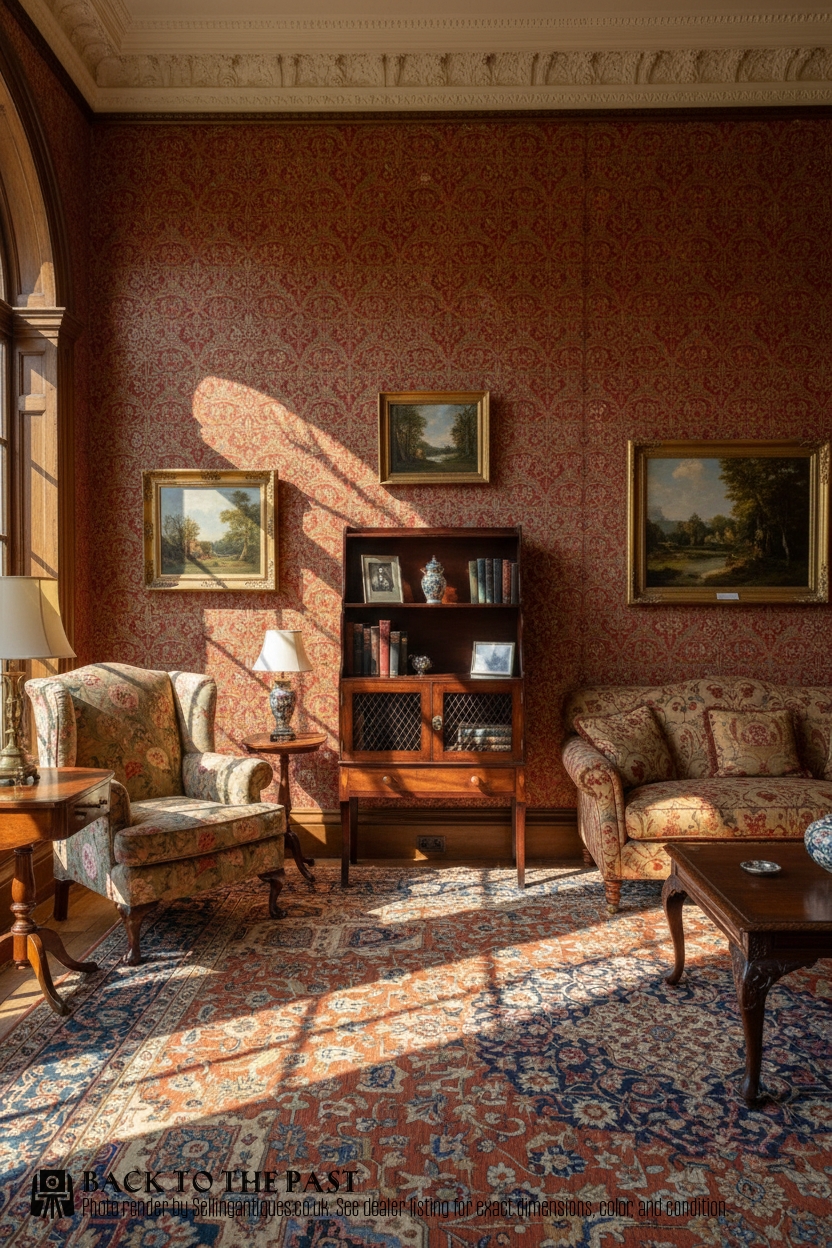
Vintage Tiered Bookcase
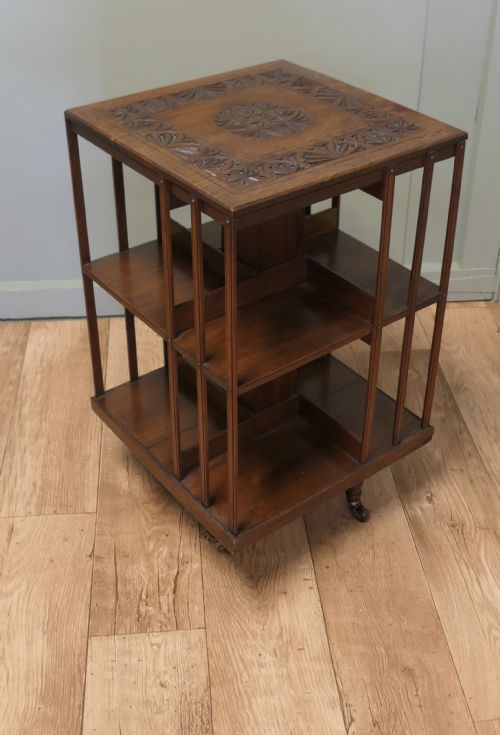
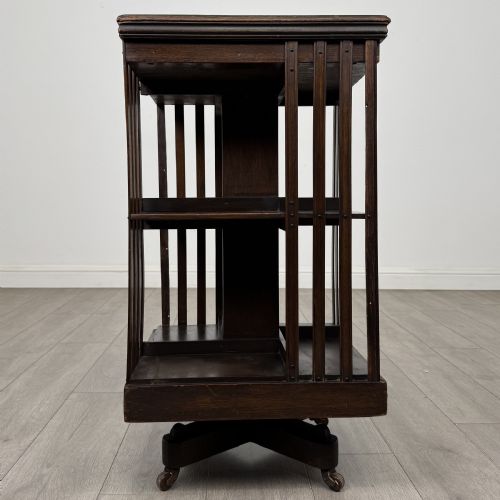
When you search for a vintage tiered bookcase, you encounter multi-layered storage pieces designed to hold volumes and display objects across distinct horizontal surfaces. The selection spans several historical eras, bringing together forms such as the open bookcase, the revolving bookcase, the multi-tiered whatnot, and the stacking barrister bookcase. These items range from compact wall-hanging shelves and small side tables to taller multi-section cabinets.
The pieces appearing on this page emerge predominantly from the Victorian, Edwardian, Regency, and Georgian periods, alongside items dated to the 1900s, 1910, 1920, and 1930. Mahogany and oak dominate the material record, frequently accompanied by brass, glass, iron, satinwood, and metal. Styles stretch from formal Regency and Late Victorian designs to Arts and Crafts, English Country, and Scottish Country traditions.
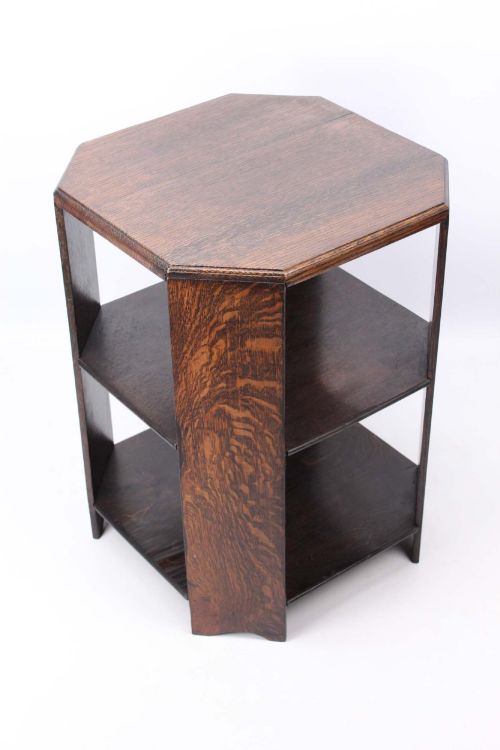
You are most likely to meet mahogany or oak examples featuring between two and four tiers, often configured as revolving tabletops or wall-mounted hanging shelves. These forms reflect the domestic priorities of past decades, providing accessible storage that fits various room proportions. Each piece demonstrates how makers adapted tiered shelving to different woods and spatial demands.
Materials and construction methods
Cabinet makers constructed these tiered pieces primarily using solid timbers like mahogany and oak, occasionally incorporating satinwood for inlay or walnut for framing. Timber selection dictated both the load-bearing capacity of the shelves and the visual character of the finished piece. Carpenters joined horizontal tiers to upright supports or vertical dividers using traditional joinery, ensuring stability across multiple levels.
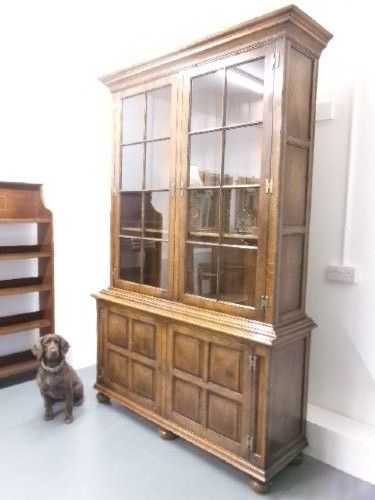
Metal components such as brass brackets, hinges, and iron mechanisms appear frequently to support moving parts, wall hanging, or stacking sections. Glass doors and panels are fitted into glazed cabinets and display units, requiring precise rebate work in the timber frames. Surface finishes ranged from plain polished wood to painted or limed treatments, depending on the period and style.
Some revolving bookcases let you spin your entire library with a gentle nudge.
What separates the tiers of quality
The distinction between standard examples and the finest pieces rests on the selection of timber and the precision of the joinery. Superior items employ dense, well-figured mahogany or quarter-sawn oak with harmonious grain patterns across every tier. Master carpenters executed joints cleanly, ensuring that revolving actions turn smoothly and stacking sections align without friction.
Refinement in secondary details elevates a piece further, seen in the quality of brass hardware, subtle inlay work, and balanced proportions between the tiers. Lesser examples rely on utilitarian construction with plain timber boards and basic fixings intended purely for basic utility. The overall integration of material and structural design determines how well a tiered bookcase holds its presence in a room.
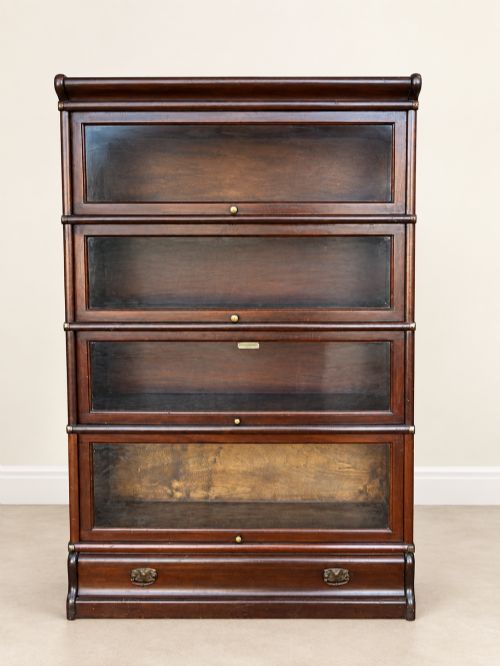
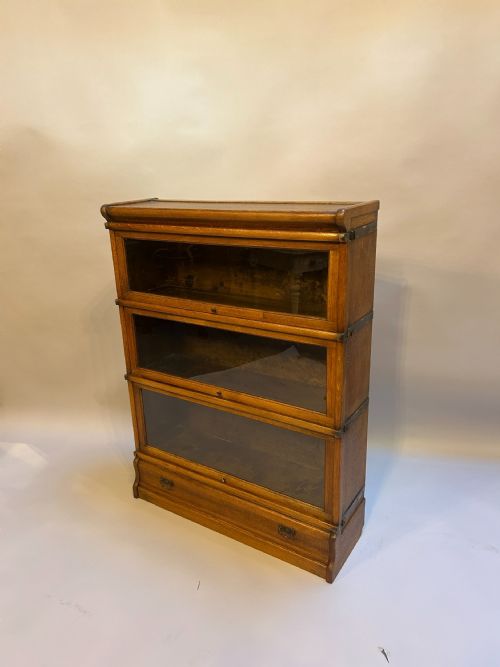
Globe Wernicke
The Vintage Tiered Bookcase Glossary
- What-Not
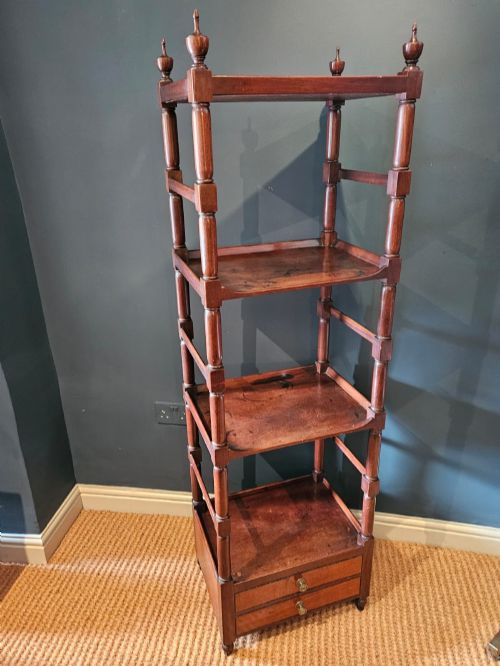
- A set of open shelves standing on legs, designed for ornaments and small books. These tiered pieces often feature three or four levels supported by turned columns.
- Waterfall Bookcase
- A piece of furniture featuring open shelves that recede in depth from bottom to top. This stepped profile creates a distinct silhouette reminiscent of falling water.
- Revolving Bookcase
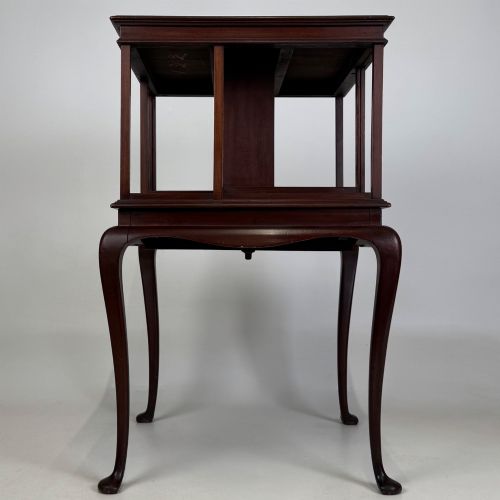
- A compact tiered shelving unit mounted on a concealed rotating pivot base. This design allows users to access volumes from all sides while sitting at a desk or chair.
- Barrister's Bookcase
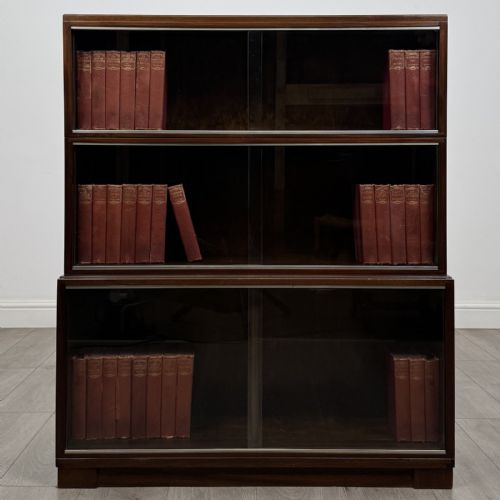
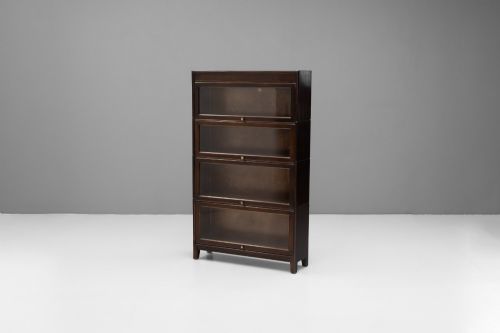
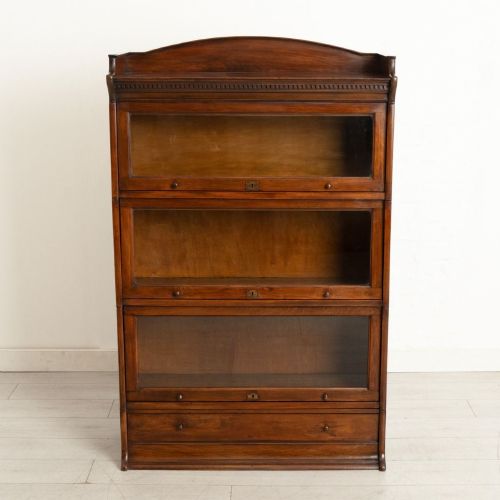
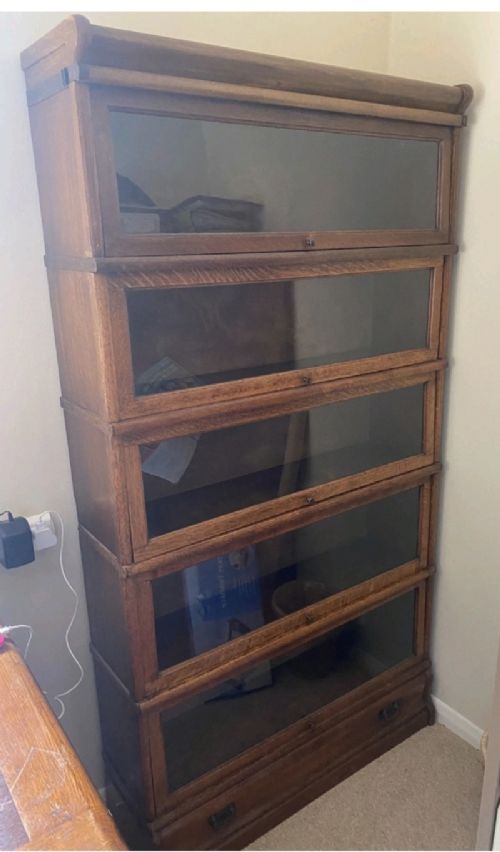
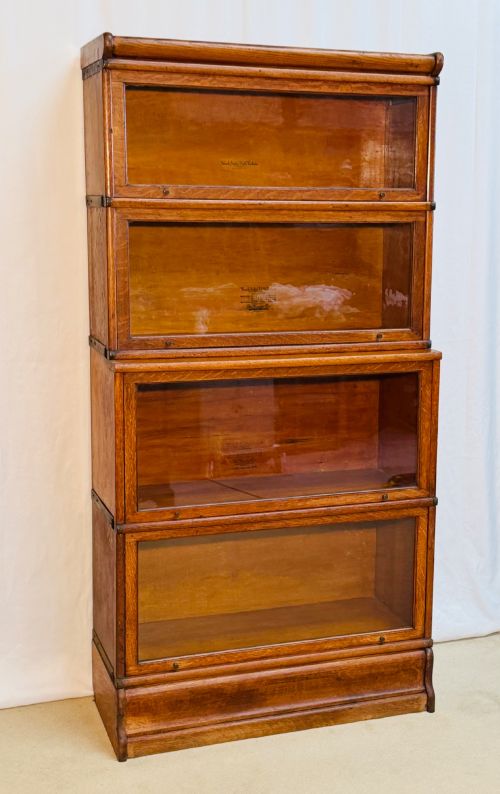
- A stacking bookcase composed of modular sections with glazed doors that lift and slide inward. This sectional format allowed lawyers and collectors to add tiers as their libraries grew.
Vintage Tiered Bookcase: Frequently Asked Questions
What is a tiered bookcase?
A tiered bookcase is a piece of furniture featuring multiple horizontal levels or shelves arranged vertically to hold books and display objects. These configurations range from open standing frames and revolving units to stacking barrister sections.
Such items serve to maximise vertical storage space while keeping volumes visible and accessible within domestic interiors.
How do revolving bookcases work?
Revolving bookcases sit upon a concealed central pivot mechanism housed within a stable base. This engineering allows the entire tiered superstructure to turn smoothly with minimal effort.
Users can rotate the shelves to reach different titles without moving the surrounding furniture.
Where were these bookcases used?
These bookcases found placement in studies, libraries, drawing rooms, and hallways of period homes. Smaller wall-hanging shelves and side tables suited more compact parlours or bedrooms.
Larger stacking and multi-tier formats occupied professional offices and substantial domestic libraries.
How do I identify a Victorian bookcase?
Victorian bookcases often display heavier proportions, darker mahogany or oak timbers, and robust turnings such as barley twist supports. Construction from this era reflects industrial-age cabinet-making capabilities.
Stylistic markers range from restrained classical revivals to ornate Late Victorian detailing.