


Vintage Terracotta Head
A vintage terracotta head brings character and texture to a room, offering sculpted forms shaped from clay across the nineteenth and twentieth centuries.
Vintage Terracotta Head
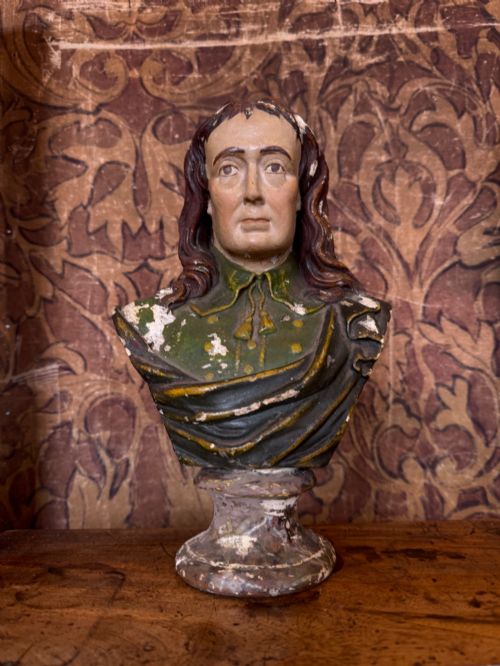
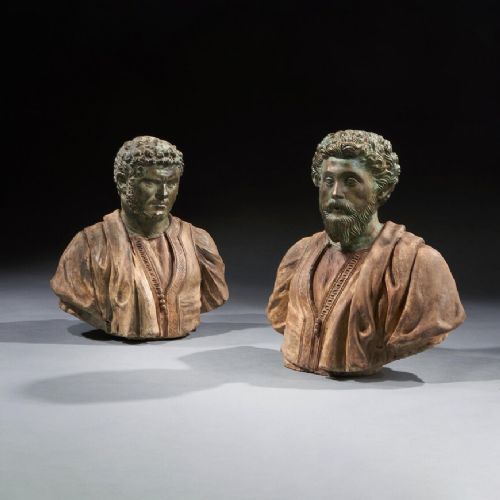
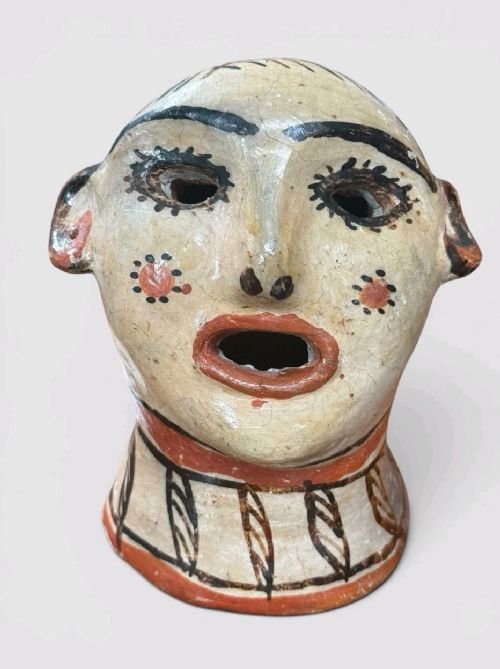
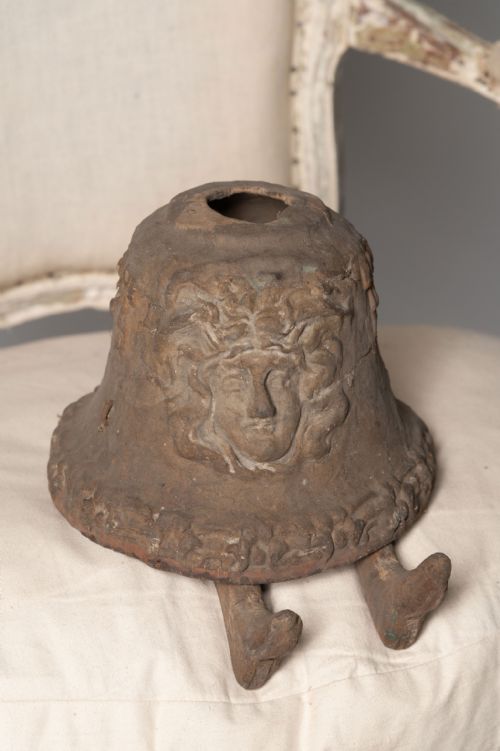
When you search for a vintage terracotta head, you encounter a range of sculptural objects spanning portrait busts, theatrical props, wall masques, and figural garden elements. The pieces on this page originate from periods such as the nineteenth century, the Edwardian era, and the 1930s, reflecting classical revivals, Art Deco design, and folk art traditions.
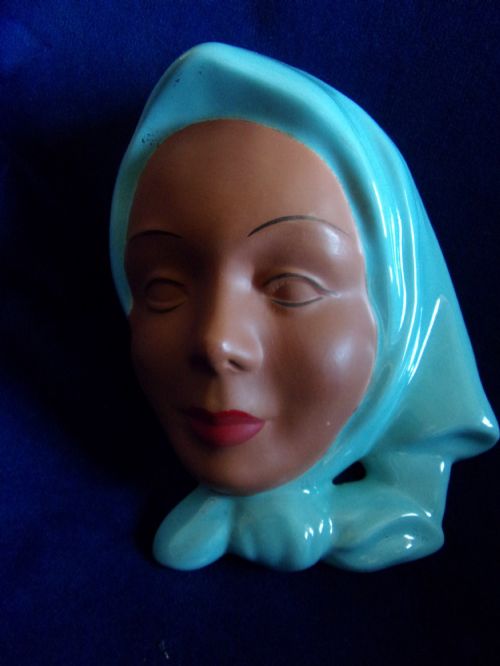
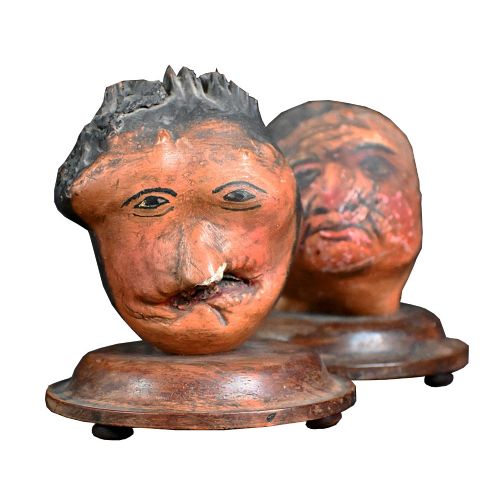
Most examples take the form of portrait busts depicting classical figures, historical emperors, or female beauties signed by European makers. Others emerge as Spanish animal sculptures, Peruvian tribal figures, or decorative architectural fragments with painted surfaces and verdigris patinas.
Originating largely from workshops in Italy, France, Austria, and Spain, these sculptures demonstrate how diverse European and regional makers utilised fired clay for interior display and garden ornamentation. The selection balances monumental classical revivals with intimate folk art interpretations.
How they were made
Sculptors shaped these pieces using terracotta, clay, and earthenware, sometimes reinforced with plaster or finished with paint and slip pigment. Firing the clay produced durable structures that could accept surface patination, bronzed finishes, or hand-painted details.
Makers applied various surface treatments, including verdigris patina, to achieve aged textures on portrait busts and wall sculptures. Inscribed signatures, foundry marks, or painted details on works by artists like Gilbert Privat and Georges Morin reveal individual studio practices.
Materials recorded across the inventory include terracotta, plaster, earthenware, wood, and verdigris patina.
What varies in quality
The integrity of the fired clay and the preservation of original pigments, patinas, or inscriptions dictate the enduring character of each bust or mask. Wear to applied painted surfaces or structural repairs alter the visual impact of the sculpture.
Gilbert Privat·Georges Morin·Bohumil Rezl
The Vintage Terracotta Head Glossary
- Terracotta
- A porous fired clay used widely for sculptural busts, wall plaques, and garden ornaments. It typically ranges in colour from pale buff to deep reddish-brown depending on the iron content of the clay.
- Bust
- A sculpted representation of a person's head, shoulders, and chest. In these listings, busts depict historical emperors, classical women, and contemporary sitters.
- Verdigris patina
- A green film formed naturally on copper alloys or simulated chemically on terracotta and plaster surfaces through weathering and pigment application.
- Wall masque
- A decorative sculptural face or head designed to be hung directly on a wall. These pieces often draw on theatrical traditions or Art Deco stylisation.
- Slip pigment
- A liquid suspension of clay applied to pottery or sculpture before firing to impart colour or create surface decoration.
Vintage Terracotta Head: Frequently Asked Questions
Where should I display a terracotta bust?
Place your sculpture on a sturdy mantelpiece, bookcase, or dedicated column where it can be viewed from multiple angles. Interior settings protect the porous fired clay from frost and excessive moisture.
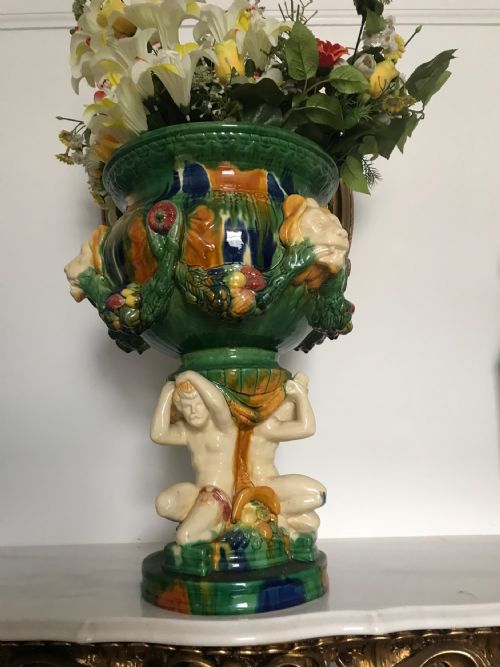
Ensure the weight of the piece is evenly supported, particularly with larger nineteenth-century portrait busts or majolica planter bases.
How do I clean a terracotta head?
Dust the surface gently with a soft, dry brush to remove accumulated particles without disturbing delicate patinas or painted pigments. Avoid using water or liquid cleaners on porous terracotta and plaster.
If the piece has a sealed or painted finish, consult a specialist before attempting any moisture-based cleaning methods.
Are these sculptures signed by artists?
Certain pieces bear artist signatures, monograms, or workshop inscriptions scratched into the damp clay before firing or added later in paint. Sculptors such as Gilbert Privat and Georges Morin signed their portrait busts.
Unsigned works often originate from regional folk art traditions, theatre prop departments, or anonymous European ceramic manufactories.
How do I distinguish terracotta from plaster?
Terracotta is fired clay that feels dense, heavy, and cool to the touch, often showing a reddish-brown body where the surface is chipped. Plaster is a softer gypsum-based material that feels lighter and chalky.
Some listings group terracotta and plaster together when the painted surface obscures the underlying material.
What periods do these sculptures represent?
The listings span the nineteenth century, the Edwardian period, and the 1930s Art Deco era. Stylistic influences range from Italian Classical Revival to Peruvian folk art.
Dates are assigned based on stylistic markers, signatures, and historical production methods associated with each workshop.