

Vintage Tea Tableware
Vintage tea tableware encompasses the silver, porcelain and plate used to serve tea across Georgian, Victorian and twentieth century periods.
Vintage Tea Tableware
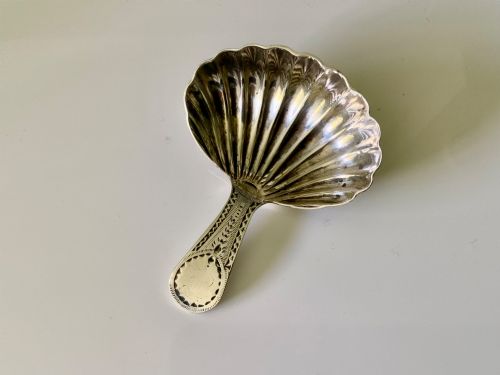
When buyers search for vintage tea tableware, they encounter an array of items designed for serving tea, from individual strainers and caddy spoons to complete multi-piece services. The selection spans periods from the Georgian era through to the mid-twentieth century, reflecting changing domestic habits and social rituals.
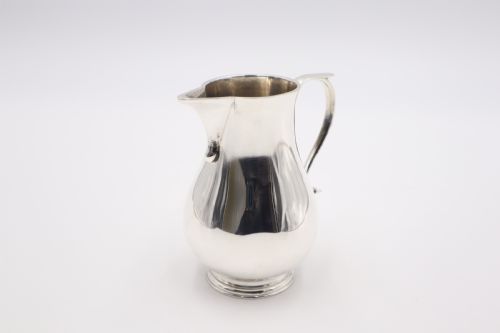
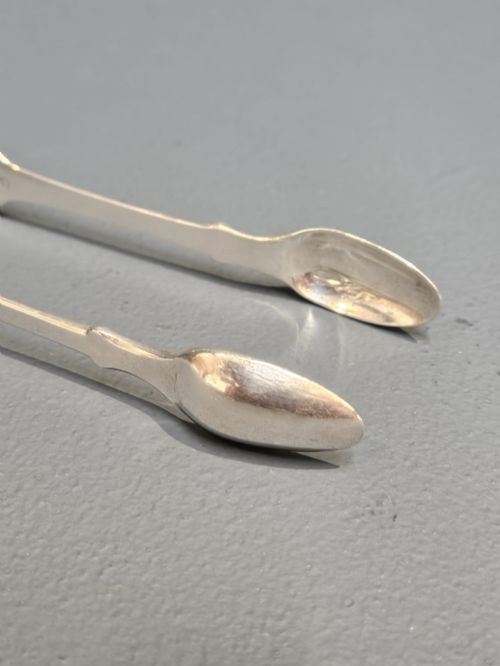
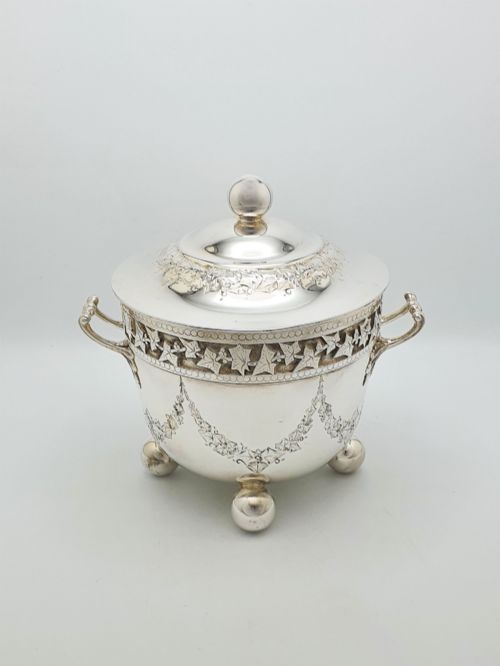
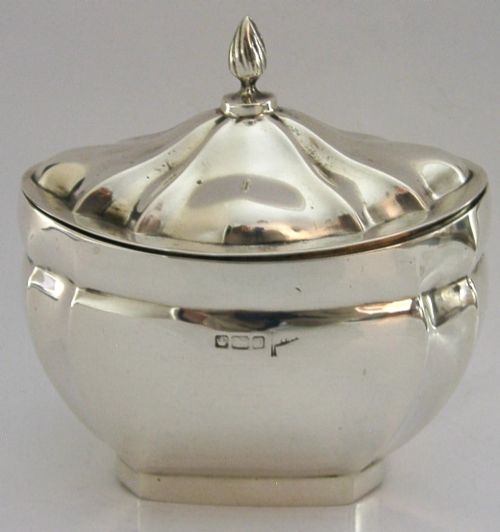
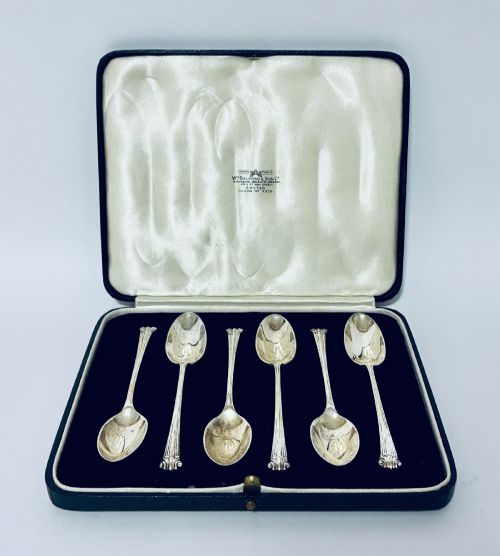
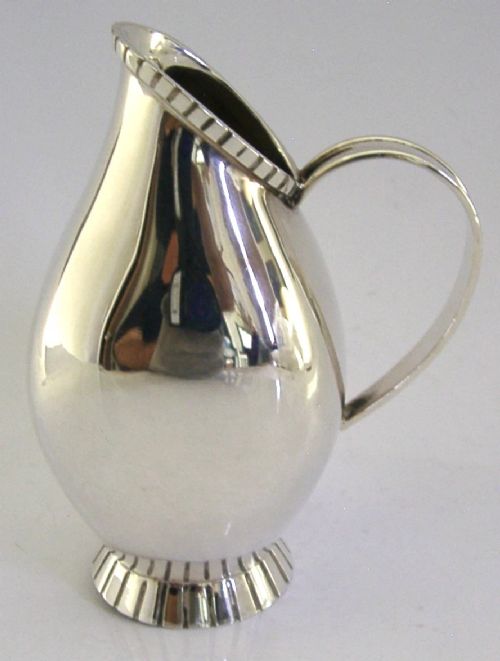
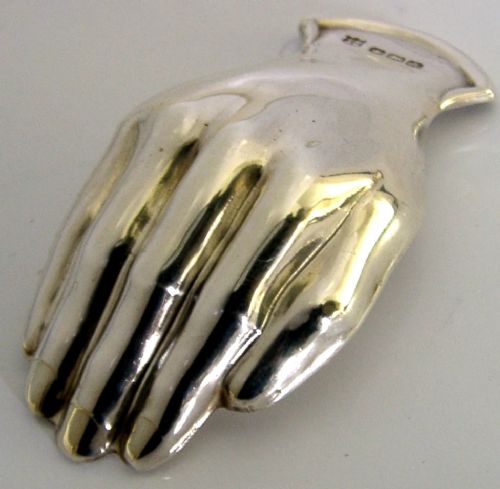
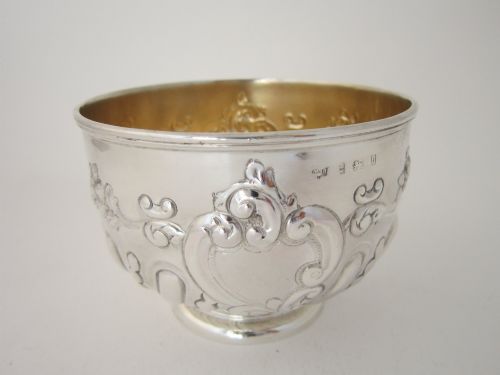
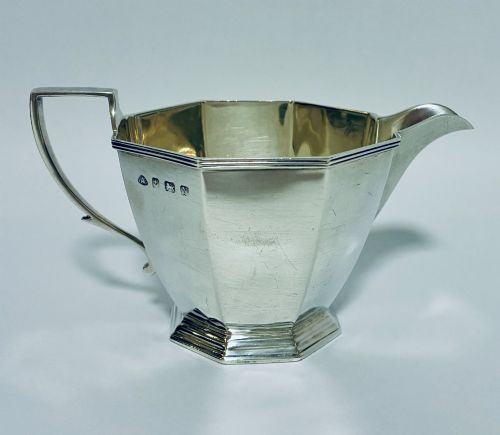
The objects most frequently met on this page include sterling silver and silver plated tea sets, cream jugs, sugar bowls and tongs, alongside porcelain plates and service items. These functional pieces range from simple utilitarian utensils to ornate decorative sets produced by notable makers.
Pieces originate from various stylistic movements, including Edwardian, Art Deco and Victorian designs. Each style brings distinct manufacturing methods and decorative motifs to the tea table, offering options for daily use or display.
Materials and Techniques
Makers utilised sterling silver, silver plate, electroplated nickel silver and felspar porcelain to construct these service items. Metal objects often involved casting, hammering or silver plating over base metals, while ceramic pieces relied on traditional pottery and porcelain manufacturing techniques.
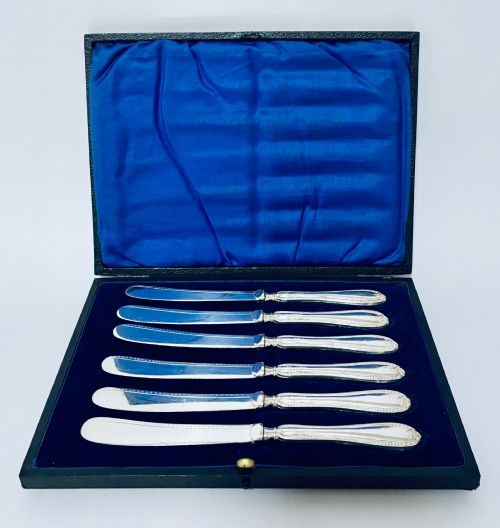
Surface decoration incorporated gold leaf, hand-painted patterns and detailed engraving to enhance the visual appeal of the tableware. Wood and velvet also appear occasionally in auxiliary items like boxes or fitted cases.
Vintage Tea Tableware Retail Price Guide 2026
Typical asking prices for vintage tea tableware among the pieces listed under this phrase on Sellingantiques today, from the lower quarter to the upper quarter. They describe what is for sale here now, not the wider market.
Distinguishing Quality
The standard of a piece depends heavily on the weight of the silver or the fineness of the porcelain body used in its construction. Heavier gauges of metal and superior ceramic materials provide greater durability and a more substantial feel in the hand.
Execution of detail separates standard items from exceptional examples, visible in crisp casting work, hand-painted precision and clear hallmarks. Maker attribution and well-preserved surface finishes also elevate the standing of individual items.
Neville, Dublin·Hammond, Turner and Sons·Georg Jensen·Robert Pringle and Sons·Josiah Williams and Company·Mappin and Webb
The Vintage Tea Tableware Glossary
- Sterling silver
- A silver alloy containing 92.5 percent pure silver and 7.5 percent other metals, usually copper. This standard composition is marked on British pieces by the lion passant hallmark.
- Silver plate
- A layer of silver applied to a base metal, such as copper or nickel silver. Techniques include electroplating, which became widespread during the nineteenth century.
- Sucrier
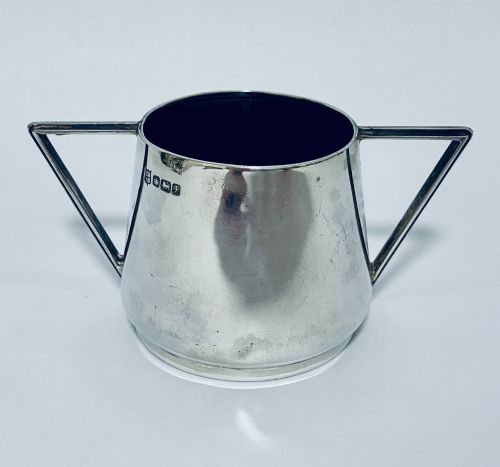
- A small vessel designed to hold sugar for tea service. These often match companion cream jugs and teapots in a set.
- Tea caddy
- A box or container used to store tea leaves securely when tea was an expensive commodity. They frequently include internal compartments or lids.
- Hallmark
- An official stamp applied to precious metals indicating the standard of purity, the assay office, and the year of manufacture.
Vintage Tea Tableware: Frequently Asked Questions
What is included in a tea service?
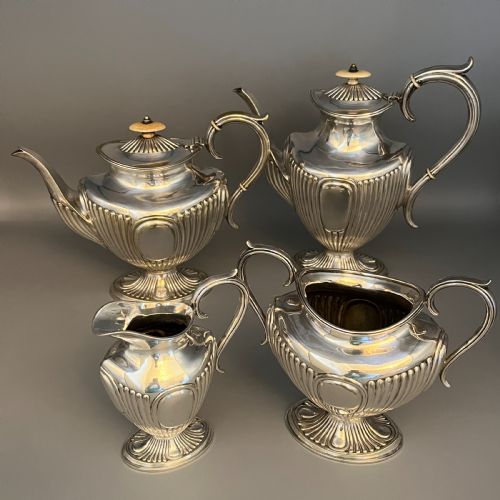
A tea service typically comprises a teapot, milk or cream jug, and sugar bowl, sometimes accompanied by a matching tray, waste bowl, or hot water kettle. These sets were produced in various metals and porcelain bodies.
Larger configurations might extend to coffee pots and matching basins, offering a unified presentation for formal gatherings.
How do I identify silver plate from sterling silver?
Sterling silver pieces generally bear hallmarks indicating metal purity, such as the lion passant on British items. Silver plate items often display maker marks that denote electroplating processes without purity stamps.
Examining worn areas on edges can also reveal the base metal beneath a thin silver coating on plated pieces.
What is a tea strainer used for?
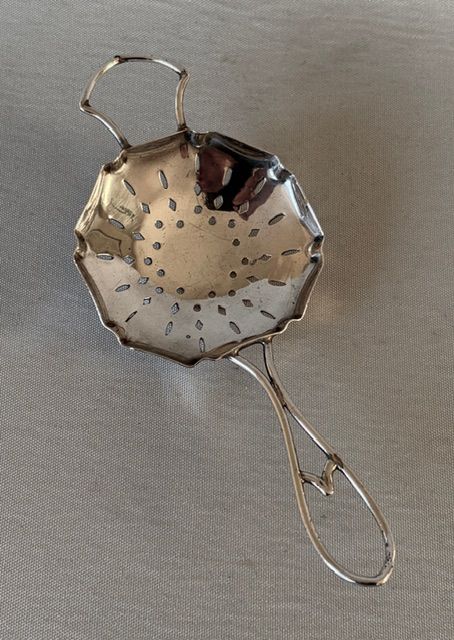
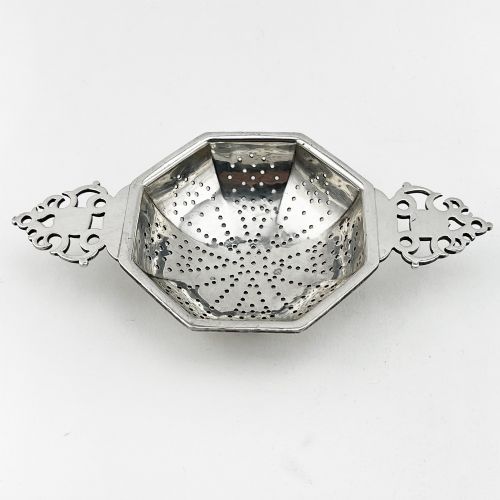
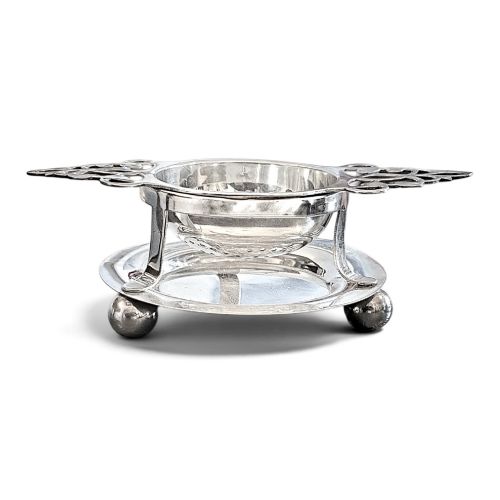
Tea strainers catch loose tea leaves as the brew is poured from the pot into individual cups. They sit across the rim of the cup or rest on a dedicated matching stand.
These utensils became particularly popular as loose leaf tea consumption grew during the Edwardian and Art Deco periods.
How should I clean vintage silver tableware?
Vintage silver requires gentle cleaning with appropriate silver polish and a soft cloth to remove tarnish without abrading the surface. Avoid harsh chemical dips that can strip desirable patination.
Regular, careful maintenance preserves the engraved details and maker marks that contribute to the piece's history.