



Vintage Tazza Dish
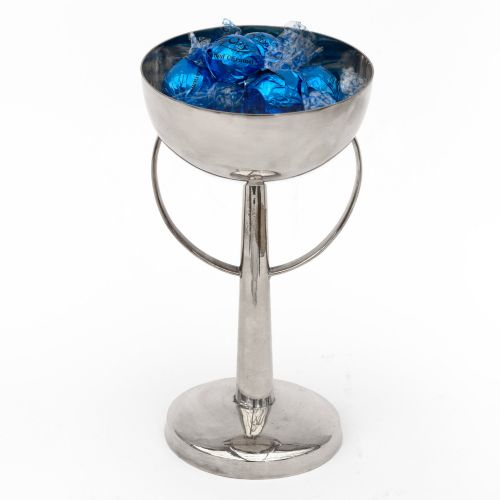
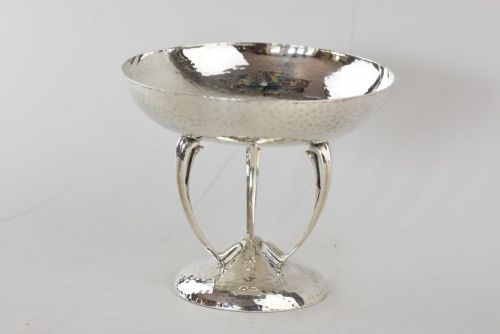
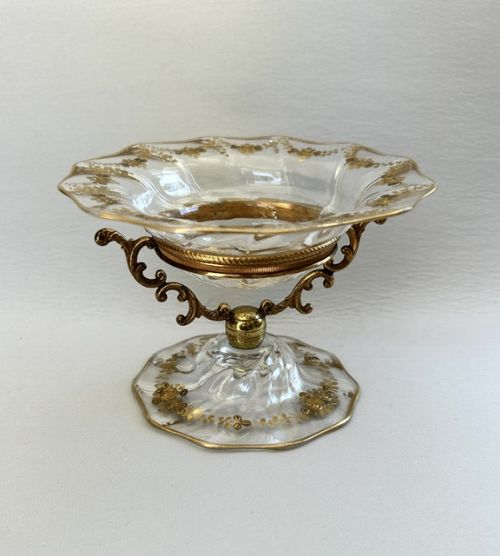
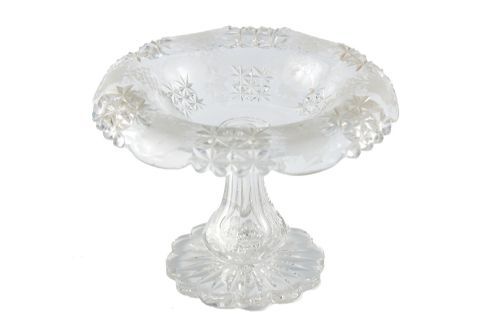
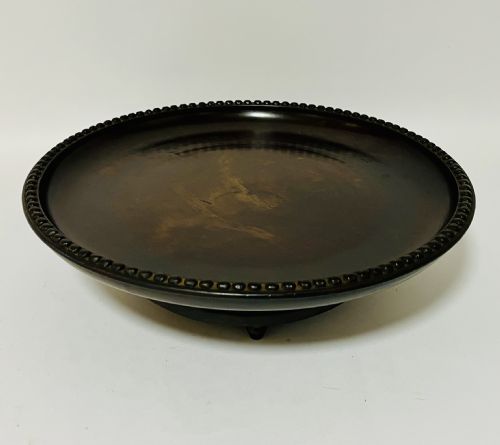
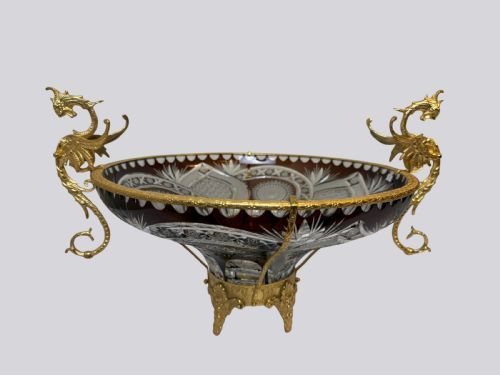
These vintage tazza dish examples are raised footed presentation pieces designed for fruit or sweets that bring height and elegance to a table setting.
Vintage Tazza Dish
A vintage tazza dish stands on a raised pedestal base, serving traditionally as a centrepiece or display vessel for fruit, sweets, and small decorative items. The form spans multiple decades from the nineteenth century through the Art Deco and Art Nouveau periods, appearing in varied shapes such as tazzas, comports, and pedestal bowls.
The materials utilised range widely across these eras, encompassing cut glass, silver plate, sterling silver, oak, brass, ormolu, and marble. Pieces emerge from various origins including English, French, Austrian, Italian, and Swiss workshops, reflecting distinct regional styles like French Rococo Revival and Swiss Folk Art.
The version most commonly encountered on this page combines a shallow dish with a pedestal foot, often embellished with decorative motifs such as grapevine carvings, hammered metal surfaces, or etched glass patterns.
Materials and construction methods
Metal vessels rely on techniques such as hammering, silver plating, wirework, and casting in brass, Britannia metal, pewter, and bronze. Silversmiths and metalworkers shaped these components by hand or utilised industrial presses, sometimes mounting them with enamel cabochons, carved wood, or semi-precious stones.
Glass and stone pieces involve cutting, etching, cameo glass application, and mounting in ormolu or gilt bronze frames. Wood items employ turning and carving techniques, producing oak fruit bowls and lazy susan tazzas with detailed botanical motifs.
Materials recorded across the inventory include cut glass, sterling silver, silver plate, oak, ormolu, brass, copper, and alabaster.
Judging quality and execution
The distinction between tiers rests upon the crispness of the chasing, the depth of the glass cutting, and the purity of the materials. Superior examples display deliberate hand-hammering, precise silver wirework, or finely carved details that show the direct hand of a skilled maker.
Integration of mixed materials dictates distinction, where mounts fit flush against stone, glass, or alabaster without awkward gaps. The weight of the piece, the stability of the pedestal foot, and the preservation of original gilding or patination mark the standard of the execution.
Goldsmiths and Silversmiths Company London·Ferdinand Preiss·Etling·Orivit
The Vintage Tazza Dish Glossary
- Tazza
- A shallow bowl or dish mounted on a stem and foot, used for serving or display. This form serves as the primary shape across these listings.
- Comport
- A pedestal dish used for dessert or fruit at the table. It shares the elevated form of the tazza.
- Ormolu
- Gilded bronze or brass mounts applied to decorative objects. This technique creates ornate decorative trims on nineteenth-century pieces.
- Pietra Dura
- An inlay technique using cut and fitted polished coloured stones to create pictorial designs. It appears on mounted brass and alabaster vessels.
- Cabochon
- A gemstone or piece of glass shaped and polished instead of faceted. These are often set into metalwork frames.
Vintage Tazza Dish: Frequently Asked Questions
What was a vintage tazza dish used for?
These vessels functioned primarily as table centrepieces and serveware for presenting fruit, sweetmeats, or biscuits during formal dining. Their elevated design raised the food above the table level to create visual interest among other tableware.
Over time, many of these dishes transitioned into purely decorative objects placed on sideboards, mantels, or display cabinets to showcase the craftsmanship of the metal, glass, or stone.
How do I date a pedestal bowl?
Dating relies on stylistic markers, materials, and manufacturing techniques associated with specific periods like the Arts and Crafts movement or Art Deco. Pieces from the nineteenth century often feature ornate cast mounts and heavy cut glass, while 1930s examples lean towards streamlined chrome or oak forms.
Makers' marks, stamps, and signatures stamped onto the metal base provide the most reliable chronological indicator when present.
How should I clean silver plated or brass pieces?
Maintenance requires gentle cleaning with appropriate metal polishes that do not strip away thin silver plating or the original aged patina. Soft cloths help prevent scratching on softer metals like pewter, Britannia metal, or gilded surfaces.
Harsh chemical dips should be avoided, particularly on items featuring enamel cabochons, mounted stones, or delicate glass inserts that could loosen or sustain damage.
Are these comports stable enough for daily use?
Most pedestal designs remain sturdy for holding lightweight items such as fruit or small decorative objects. The narrow footprint of a tazza foot means care is needed when placing heavy items on top.
Items with delicate materials like vaseline glass, cameo glass, or alabaster require cautious handling during placement and routine dusting.