



Vintage Taxidermy Case
When you search for a vintage taxidermy case, you find preserved specimens mounted in glass enclosures from the Victorian era to the mid-twentieth century.
Vintage Taxidermy Case
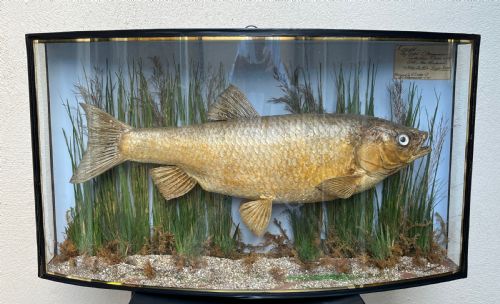
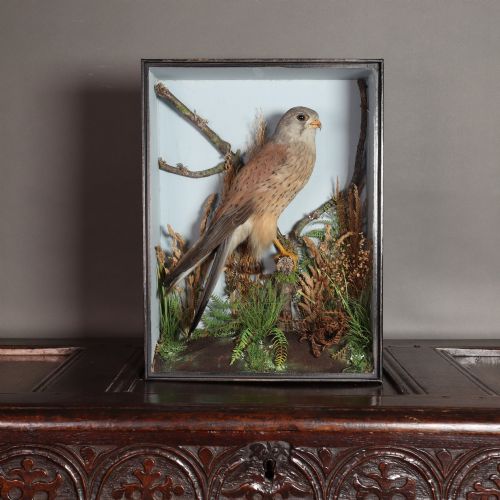
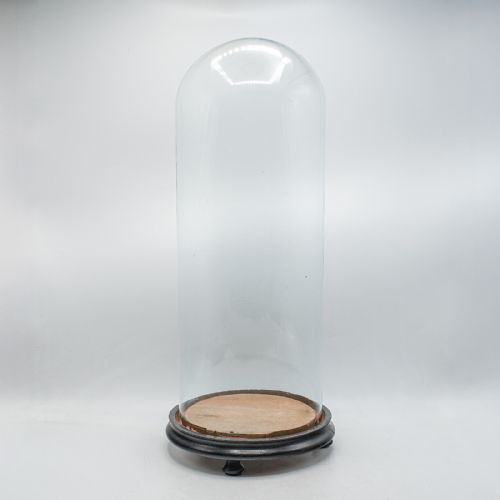
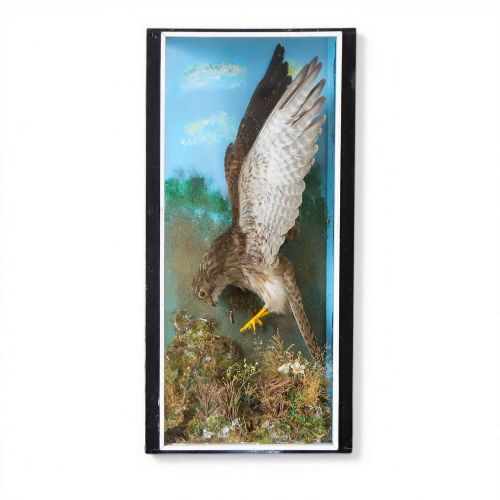
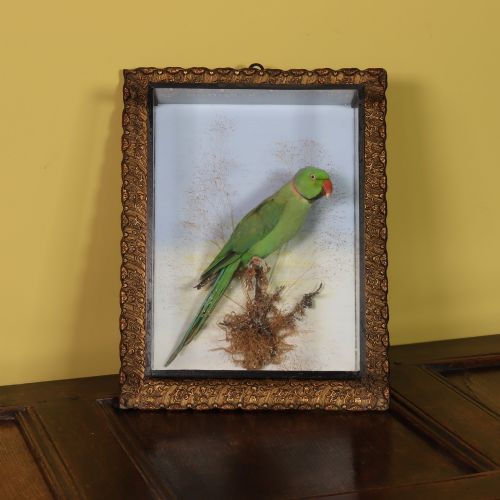
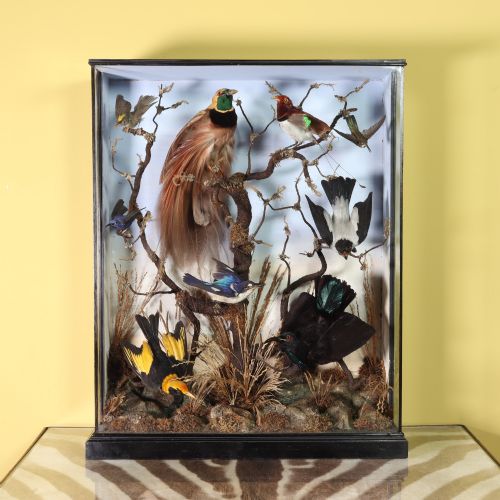
A vintage taxidermy case brings preserved birds, fish and mammals into domestic interiors through framed boxes, wall cabinets and glass domes. These enclosures protect fragile specimens while creating enclosed scenes of natural history.
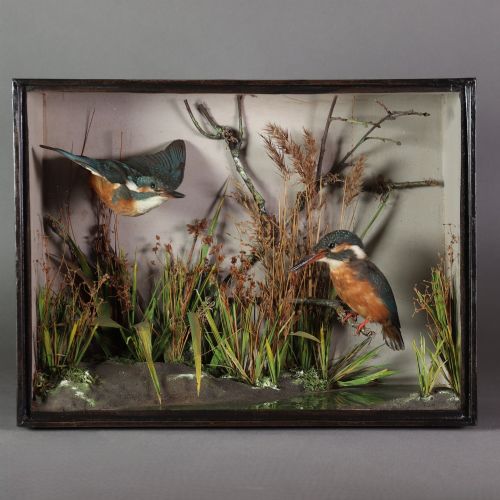
Most examples originate from the Victorian and Edwardian periods, stretching into the early twentieth century. Makers arranged specimens alongside painted backgrounds, moss, paper and foliage to mimic natural habitats.
The form ranges from large floor-standing showcases to table domes and picture-frame cases designed for hanging on walls. Fish and birds appear most frequently, set within ebonised wood or oak surrounds.
How they were made
Taxidermists utilised wooden framing, often ebonised pine or mahogany, to construct the exterior housing for the specimens. Glass panes or blown glass domes were fitted to seal the interior from dust and moisture.
Internal settings incorporated preserved biological material such as moss, feathers and paper alongside painted backdrops. Preserved specimens were mounted on wire frames and positioned within these artificial landscapes.
Some Victorian owls stare out with painted glass eyes that follow you across the parlour.
What varies in quality
The skill of the taxidermist determines the anatomical accuracy and lifelike posture of the preserved specimen. Master practitioners arranged feathers, fur and fins with precise attention to natural movement.
The composition of the internal diorama separates standard pieces from exceptional ones. Elaborate naturalistic settings with painted backgrounds and detailed botanical elements display greater artistry than plain backings.
Little and Co·J Griffiths of Burford·T E Gunn·William Bazeley and Sons·Hutchings of Aberystwyth·James Jones of London·J Cooper and Sons·James Gardner·Rowland Ward of London·W F Homer London·J Dobson
The Vintage Taxidermy Case Glossary
- Glass Dome
- A blown or formed glass cover placed over a circular base to protect delicate specimens. These enclosures sit on wood or fabric-lined platforms.
- Diorama
- A three-dimensional scene containing preserved specimens arranged against a painted background. These settings simulate natural habitats using moss, twigs and paper foliage.
- Ebonised Wood
- Timber treated with a dark finish to imitate ebony. This dark framing highlights the bright plumage of birds or the scales of fish inside the glass.
- Specimen Case
- A specialised wooden and glass box built to house preserved animals. These containers range from wall-mounted frames to large floor-standing cabinets.
Vintage Taxidermy Case: Frequently Asked Questions
Where should I place these cases?
Position cases away from direct sunlight to prevent the fading of feathers, painted backgrounds and fabric elements. Stable indoor temperatures help protect the historical wood and glass.
Keep them out of damp rooms like kitchens or bathrooms to protect the organic materials from moisture and mould.
How are different periods identified?
Victorian examples often feature heavy ebonised wood frames and dense, ornate naturalistic foliage settings. Edwardian and later pieces tend to show simpler oak surrounds and cleaner compositions.
Paper labels pasted inside the glass or written signatures on the backboard frequently name the maker and provide a specific date.
What animals appear in these displays?
Birds represent the most common subjects, including owls, kingfishers, kestrels, parakeets and pheasants. Fish such as trout, roach, pike and carp also feature prominently in glazed wooden boxes.
More unusual items include small mammals like badgers and otters, alongside imported exotic birds from South America and Australia.