

Vintage Tapestry Seating
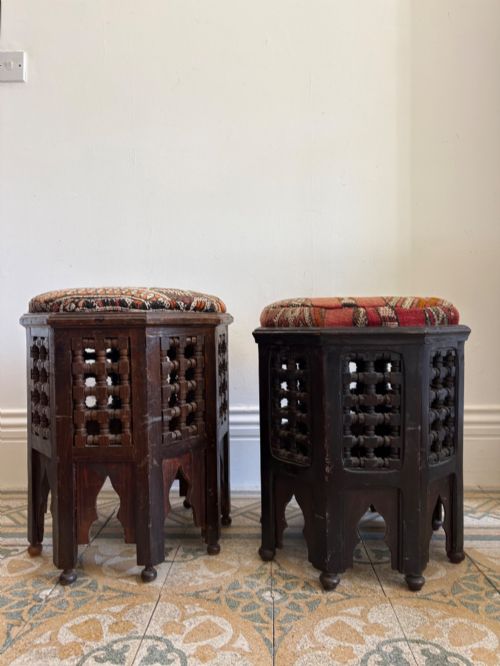
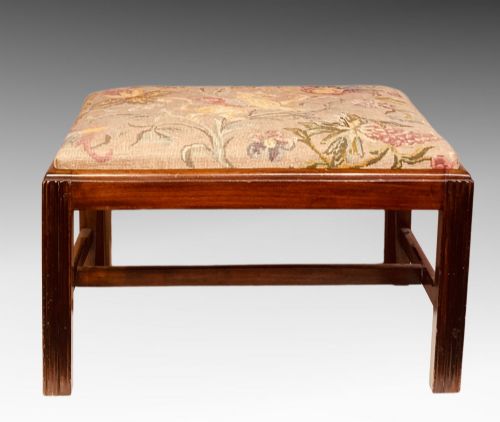
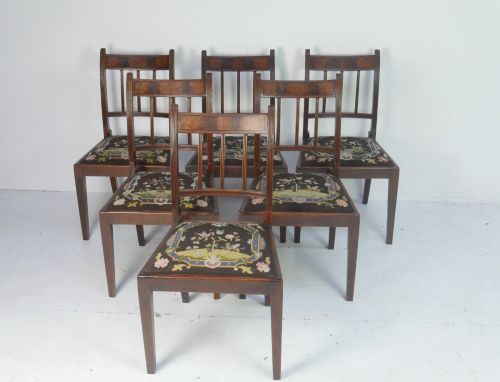
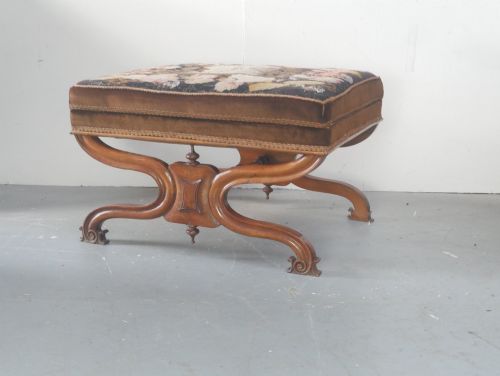
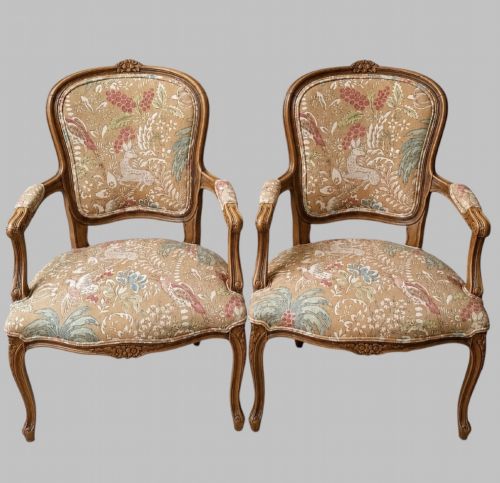
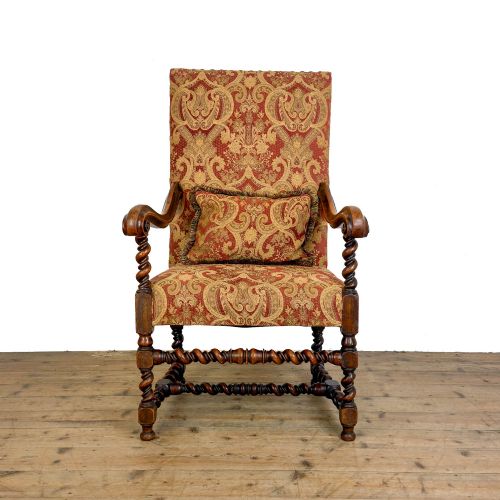
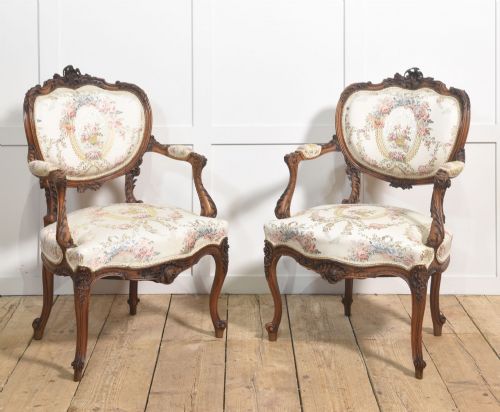
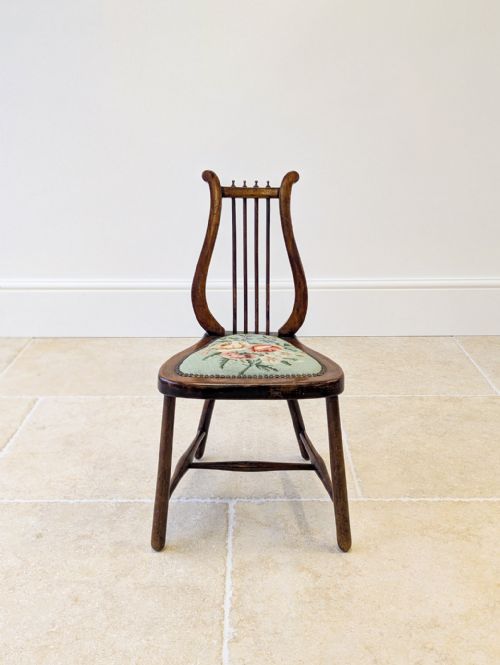
Vintage tapestry seating brings textured warmth to a room through upholstered stools, armchairs, and settees worked in needlepoint and textile.
Vintage Tapestry Seating
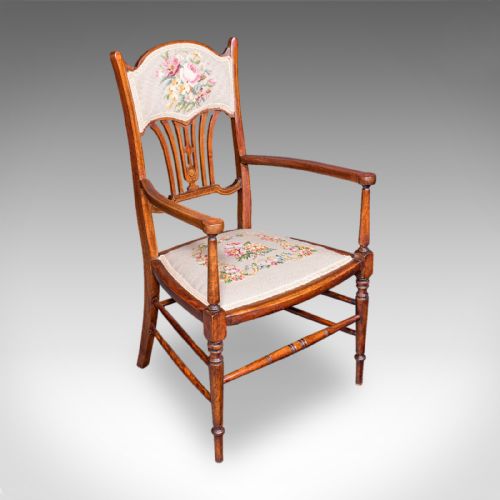
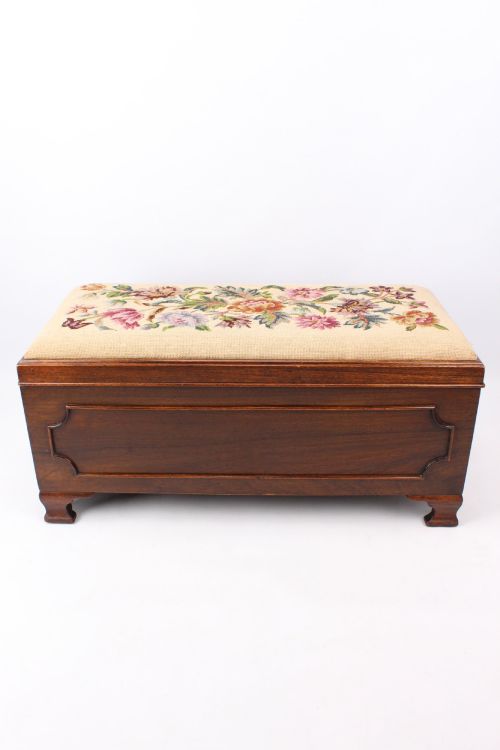
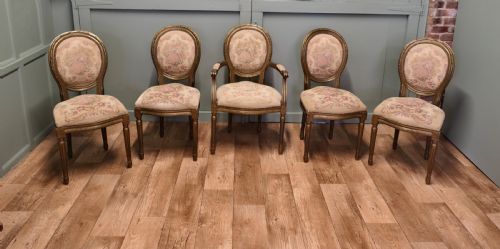
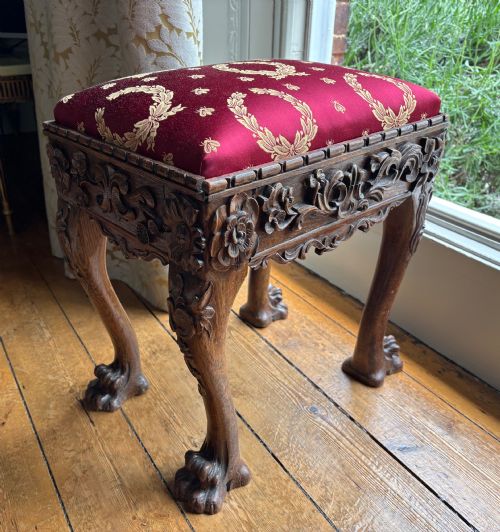
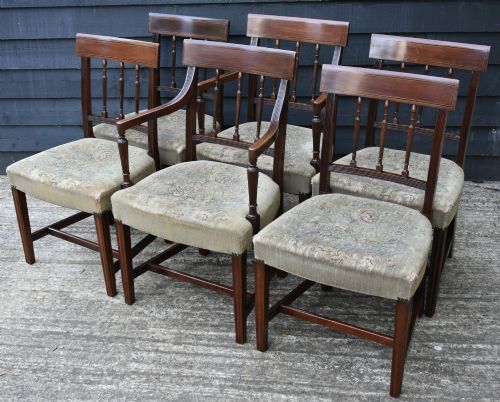
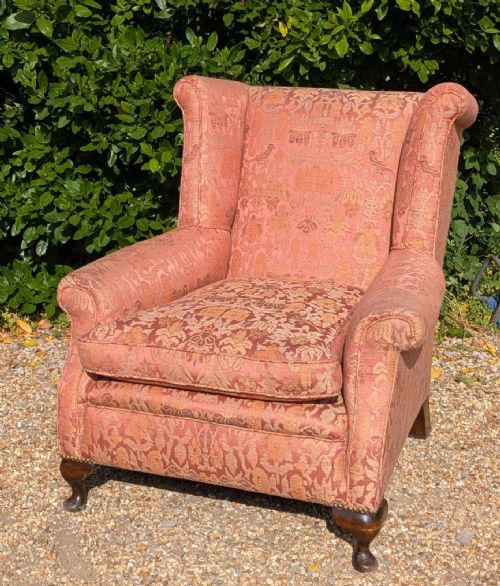
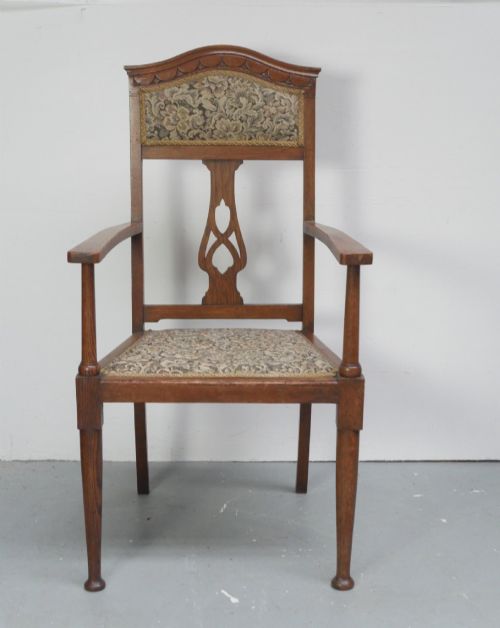
Vintage tapestry seating spans practical domestic items like footstools, dressing stools, and piano stools alongside larger armchairs, elbow chairs, and settees.
The pieces appearing most frequently originate from the nineteenth century and the Edwardian era, extending into later twentieth-century decades.
Makers often drew on historical revivals, producing furniture shaped by Georgian, Chippendale, and Regence design principles.
Materials and construction methods
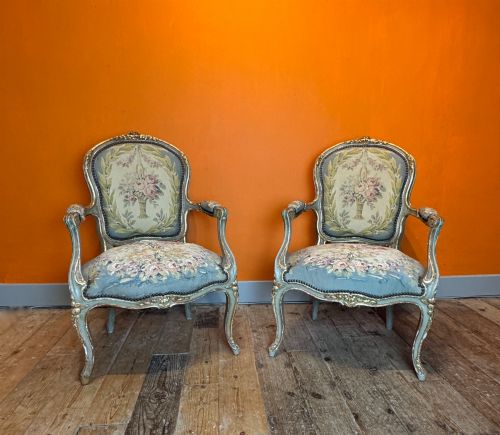
Frames rely on sturdy timbers such as walnut, mahogany, oak, beech, and satinwood, occasionally enhanced with painted and gilt finishes or brass details.
Seats and backs incorporate woven textile, needlepoint, and tapestry upholstery, sometimes paired with feather filling or cane work.
Vintage Tapestry Seating Retail Price Guide 2026
Typical asking prices for vintage tapestry seating among the pieces listed under this phrase on Sellingantiques today, from the lower quarter to the upper quarter. They describe what is for sale here now, not the wider market.
Listings feature woods such as walnut, mahogany, oak, and beech paired with textile, needlepoint, and brass elements.
Distinctions in craftsmanship
Quality rests upon the structural integrity of the timber frame and the precision of carved elements like cabriole legs, cross stretchers, and open arms.
The density and fineness of the needlework panels dictate the visual depth and durability of the upholstered surfaces.
Hallett And Sons
The Vintage Tapestry Seating Glossary
- Tapais
- A heavy hand-woven textile used for wall hangings and furniture upholstery. It provides a durable and decorative surface for chairs and stools.
- Needlepoint
- Embroidery stitched onto a stiff open-weave canvas ground. It creates the detailed floral and geometric panels seen on nineteenth-century seats.
- Cabriole leg
- A furniture leg that curves outward at the knee and tapers inward at the ankle. This form appears frequently on Victorian and eighteenth-century style seating.
- Cross stretcher
- An intersecting wooden brace between the legs of a chair or table. It adds structural stability and decorative character to the frame.
- Bergere
- An enclosed upholstered wooden armchair with closed sides. The sides typically feature cane work or fabric panels.
Vintage Tapestry Seating: Frequently Asked Questions
What periods do these chairs come from?
The pieces span from the eighteenth century through the Victorian period and Edwardian era up to the nineteen-thirties.
Design influences range from early revival styles to later twentieth-century interpretations.
How do I identify a piano stool?
Piano stools are specifically proportioned for keyboard practice and often include adjustable height mechanisms or storage compartments beneath the seat.
They appear in mahogany, walnut, and inlaid Edwardian formats.
Where were these pieces used originally?
Armchairs and settees served in principal reception spaces like morning rooms, salons, and libraries.
Smaller stools found placement beside dressing tables, pianos, and firesides.
What woods are commonly found?
Frames are constructed from hardwoods including walnut, mahogany, oak, and beech.
Some examples feature surface treatments such as parcel gilt, paint, or satinwood finishes.