

Vintage Tabletop Drawers
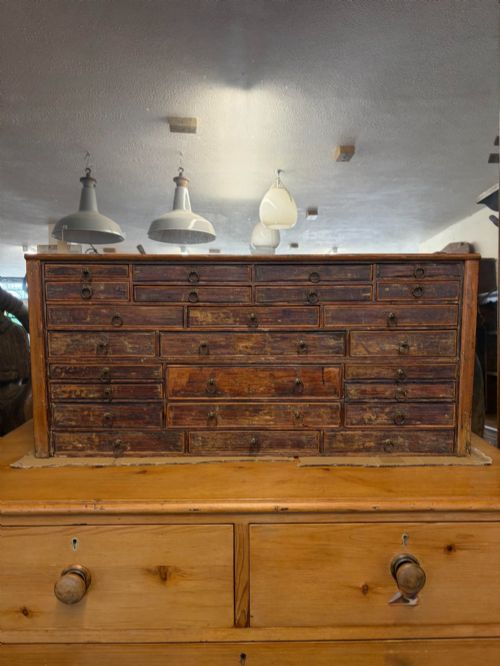
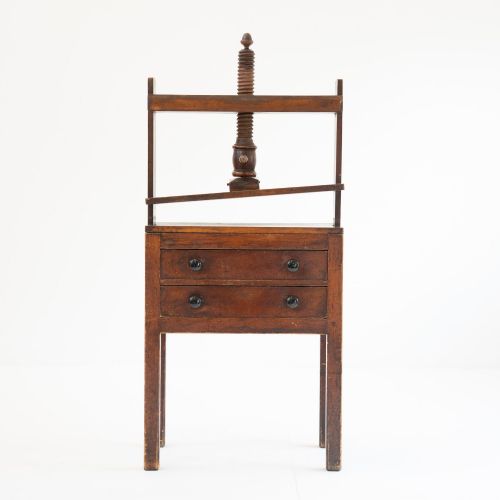
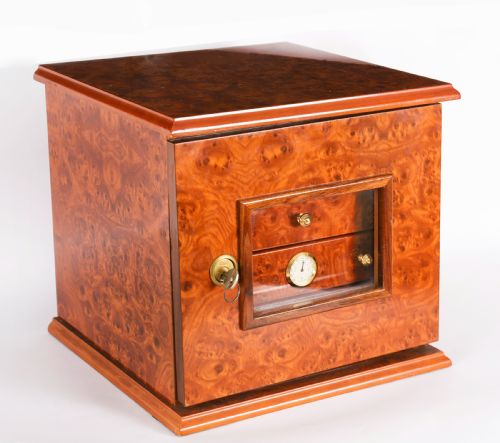
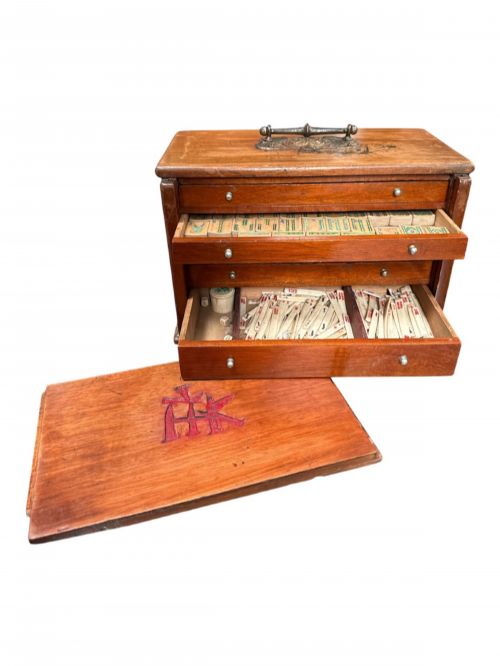
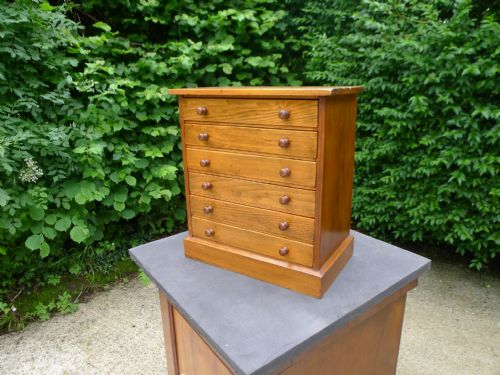
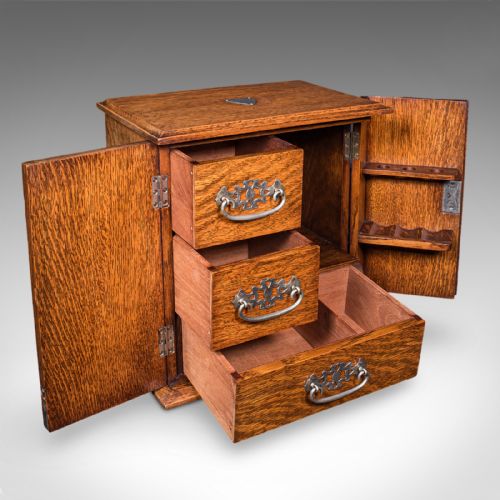
These vintage tabletop drawers offer compact storage in mahogany, oak, walnut and pine, carrying periods from the eighteenth century to the twentieth century.
Vintage Tabletop Drawers
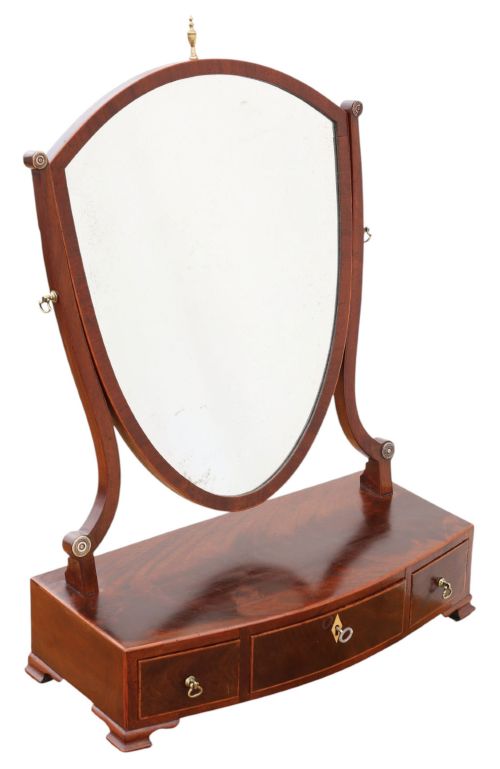
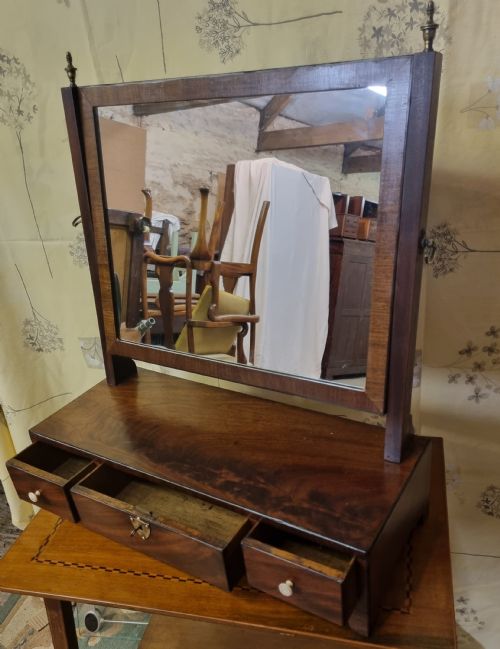
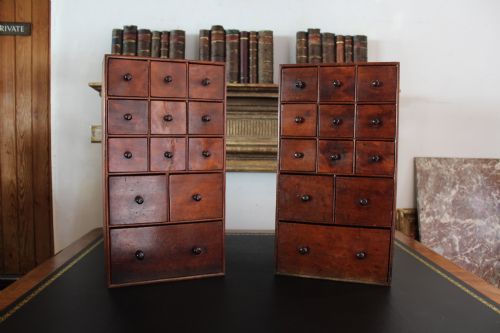
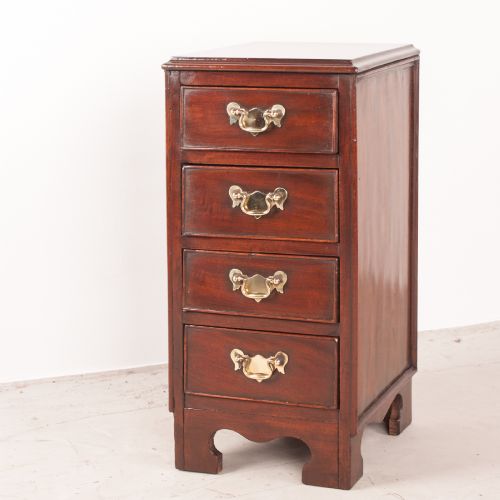
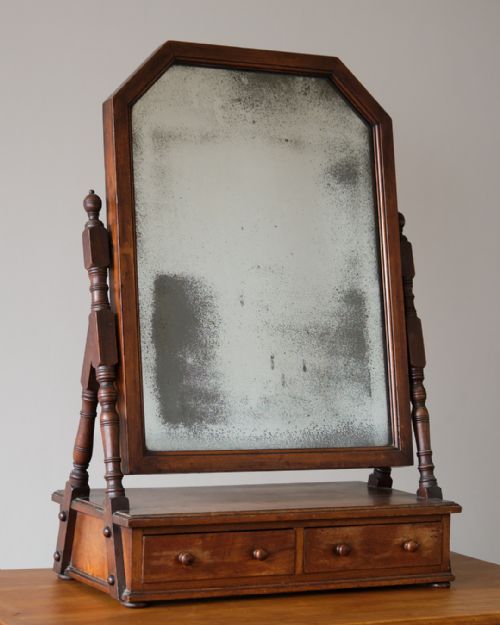
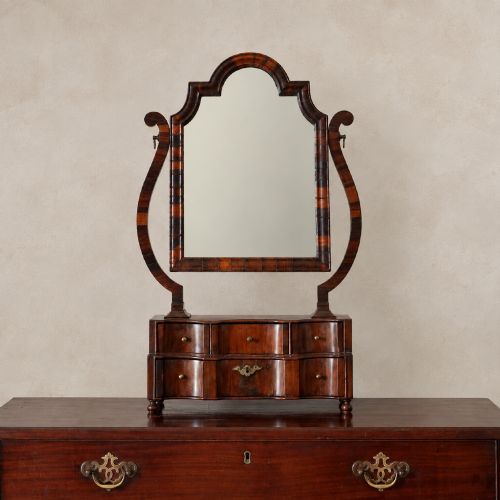
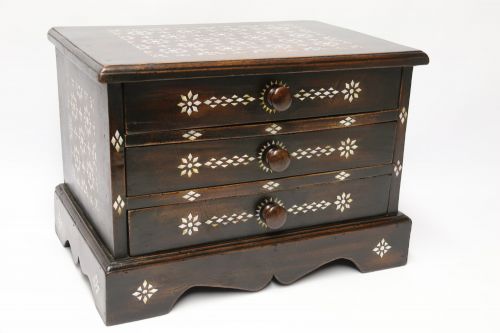
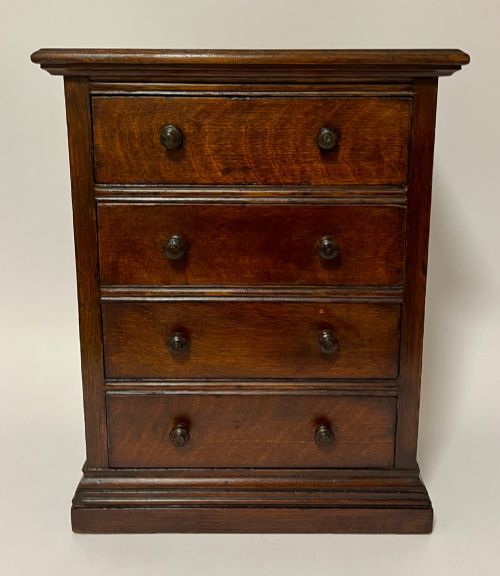
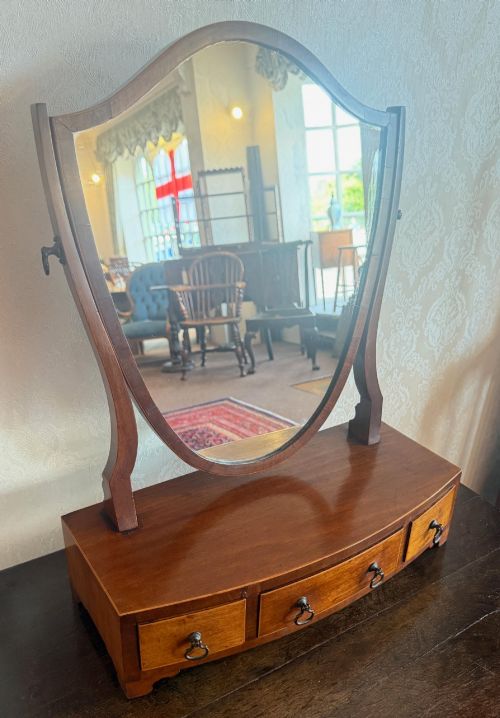
Vintage tabletop drawers encompass small chests, specimen cabinets, spice drawers and dressing table mirrors designed to sit upon surfaces while providing organised storage. The selection spans centuries of craftsmanship, including Georgian and Victorian examples alongside twentieth-century iterations.
Buyers frequently encounter mahogany and oak constructions configured as miniature chests, collectors cabinets and toilet mirrors. These functional small-scale pieces served specific domestic and commercial purposes, from holding spices and medical remedies to storing documents and trinkets.
Originating across British and European workshops, these items reflect the stylistic shifts of the periods in which they were made. The inventory includes Queen Anne walnut designs, Edwardian smoking cabinets and mid-nineteenth-century banks of drawers.
What varies in quality
Quality rests in the selection of figured timber veneers, such as burr elm or walnut, and the precision of the cabinet maker's joinery. Superior examples demonstrate tight dovetail joints and well-matched grain patterns across the drawer fronts.
The integrity of original brass hardware, functioning locks with keys, and uncompromised mirror plates distinguish finer pieces from altered or heavily restored items. Attention to internal secondary timbers indicates the standard of the original workshop.
A tiny oak box coffer disguised as a miniature chest waited centuries before anyone decided to store secrets inside it.
Heal & Sons·Luxmore's of Ilfracombe
The Vintage Tabletop Drawers Glossary
- Crossbanding
- A strip of veneer run perpendicular to the grain of the primary surface, framing the drawer fronts or borders of a cabinet. This technique requires precise cutting and fitting by the cabinet maker.
- Dovetail
- An interlocking joint used in drawer construction, formed by interlocking wedge-shaped fingers. Hand-cut dovetails indicate earlier periods of manufacture before machine production.
- Marquetry
- Inlaid patterns of wood veneer and other materials applied to a furniture surface to create decorative pictures or geometric designs. It appears frequently on Dutch and continental pieces.
- Escutcheon
- A protective plate surrounding a keyhole, usually cast in brass. It prevents the timber around the lock from splitting through repeated use.
- Specimen cabinet
- A small chest designed specifically to hold scientific samples, geological finds or natural history collections in shallow drawers. These functional cabinets often feature numerous small compartments.
Vintage Tabletop Drawers: Frequently Asked Questions
What were apothecary chests used for?
Apothecary chests held medicinal ingredients, dried herbs, and pharmaceutical supplies in small, dedicated drawers. Doctors and homeopaths kept these compact cabinets close at hand for dispensing remedies.
Today, these multi-drawer chests provide practical storage for small items like stationery, craft supplies, or jewellery while adding period character to a room.
How do I date a dressing table mirror?
Dating relies on the construction of the mirror frame, the shape of the drawer base, and the type of mirror glass. Georgian examples often feature shaped walnut or mahogany uprights with candle boxes or serpentine drawer units beneath.
Later Victorian and Edwardian mirrors shift in proportion, timber finish, and edge beveling on the glass plate. Examining the secondary woods inside the drawers helps confirm the period.
Are tabletop cabinets sturdy enough for daily use?
These antique and vintage pieces were built using solid timbers and traditional joinery designed to withstand regular handling. Miniature chests and spice drawers remain robust enough for holding small everyday items.
Placing them on stable surfaces prevents tipping, and avoiding damp environments preserves the historical timber and glue joints.
What is the difference between a toilet mirror and a swing mirror?
Toilet mirrors typically incorporate a small chest of drawers beneath the pivoting glass frame, offering dual function for storage and grooming. Swing mirrors often refer specifically to the pivoting glass assembly itself.
Both forms sat upon dressing tables or chests in bedrooms from the eighteenth century onwards.