


Vintage Table Vases
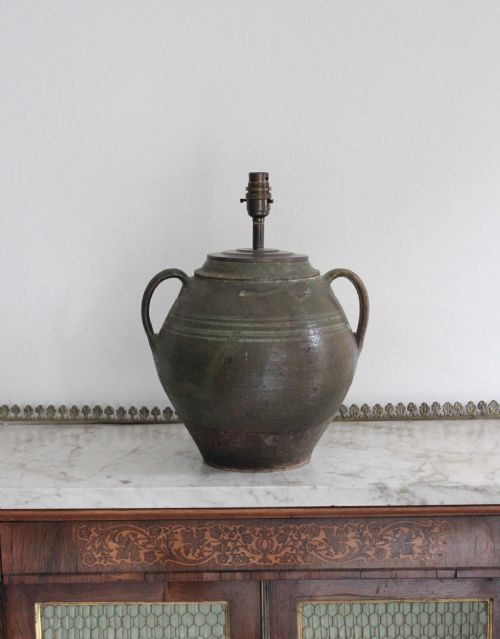
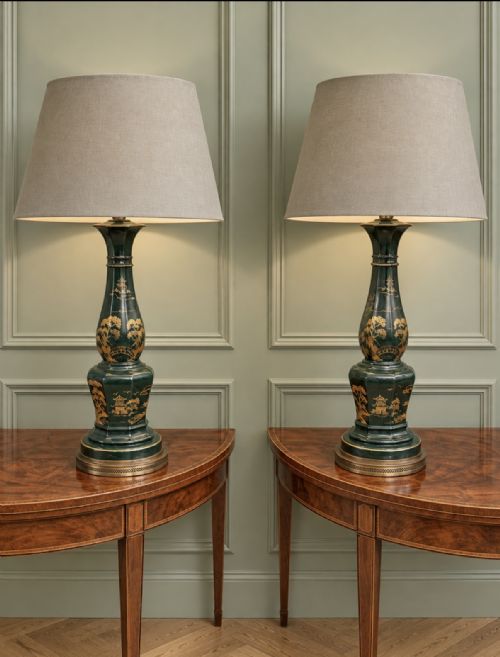
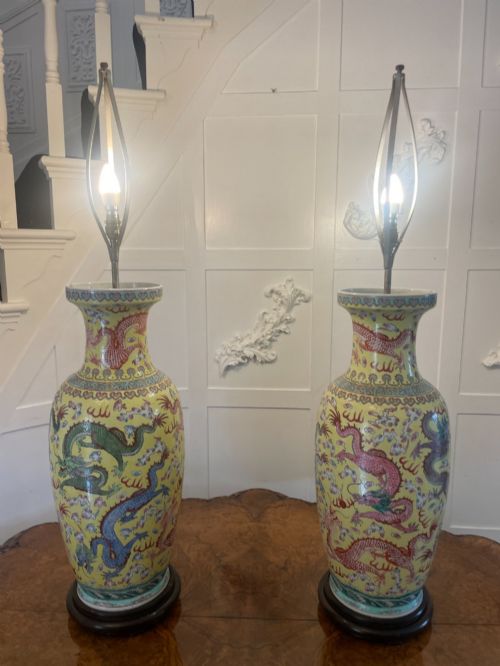
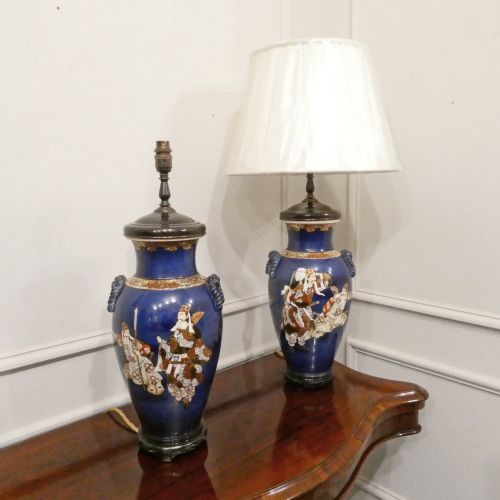
These vintage table vases bring character to a room, ranging from converted vessels to dedicated display pieces.
Vintage Table Vases
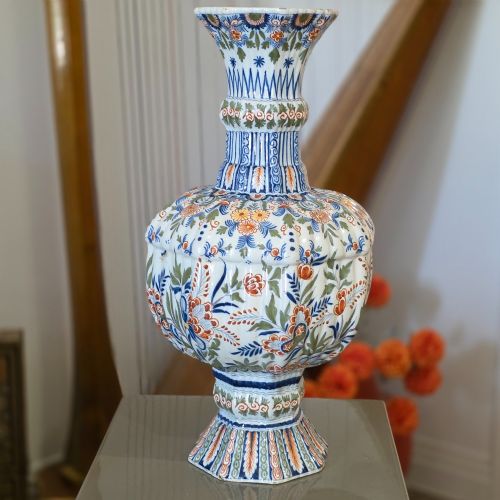
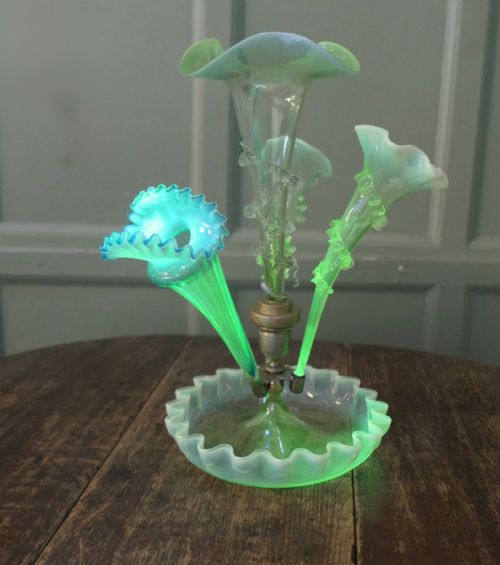
Vintage table vases encompass decorative vessels and items adapted for surface display, spanning periods from the eighteenth century through the art deco era. Many examples originate from Japanese Meiji workshops, Chinese export kilns, and European glassworks, often taking the form of baluster jars, slender necked bottles, and trumpet epergnes.
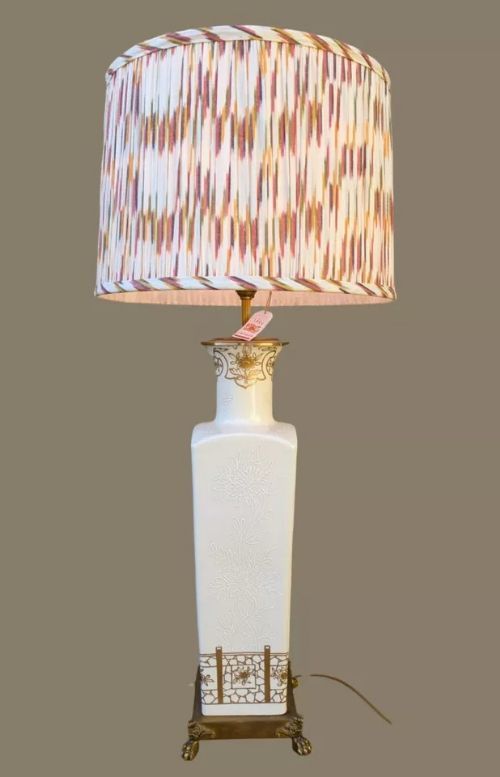
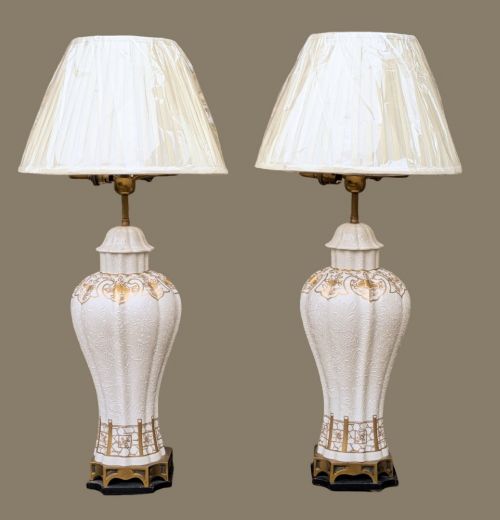
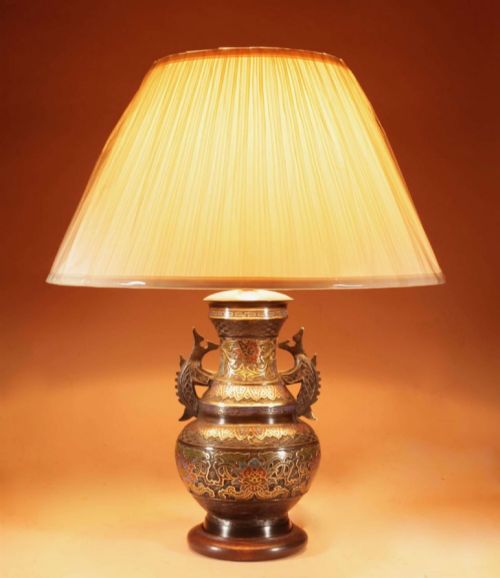
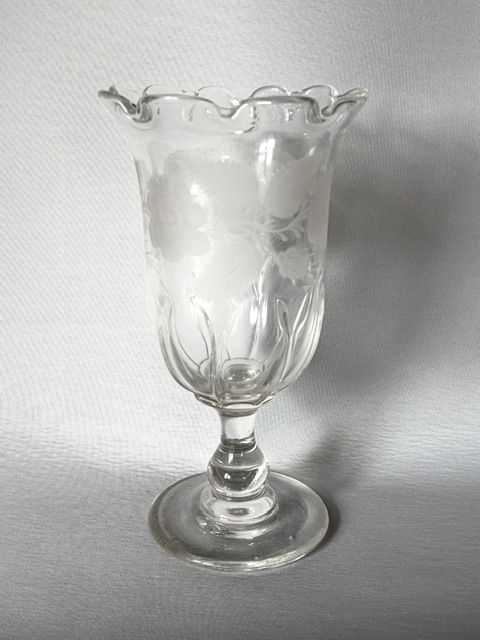
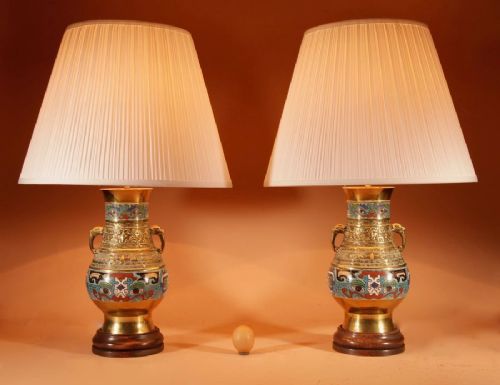
The selections available here frequently bridge functional pottery and decorative lighting, with numerous pieces converted into table lamps or paired as decorative garnitures. Buyers encounter Satsuma porcelain, cloisonné enamel, Delft earthenware, and hand blown glass designed specifically to sit upon furniture surfaces.
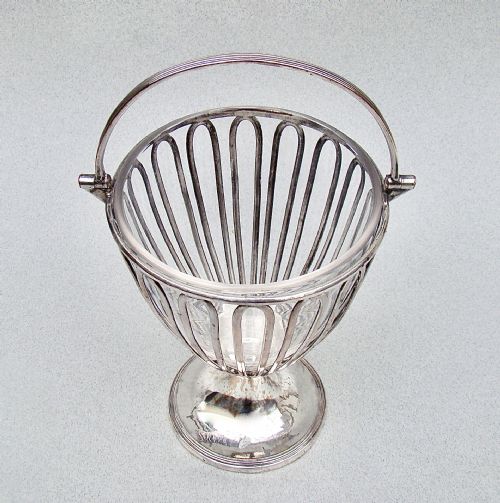
Origin and period heavily dictate the character of these items, from Victorian green glass lustres to heavy cast bronze brush pots. The assortment ranges from modest silver posy vases to substantial palace sized jars.
How they were made
Construction relies upon traditional ceramic, metalwork, and glassblowing techniques, utilising earthenware, porcelain, brass, bronze, and lead crystal. Artisans applied surface decoration through hand painting, enamel work, and cloisonné wire cells.
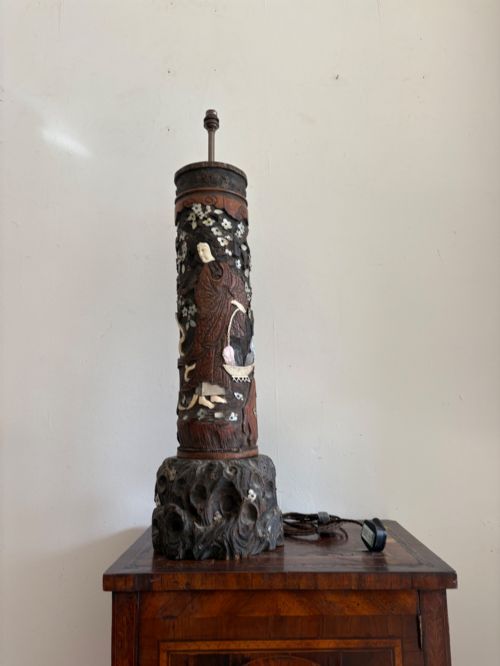
Many ceramic bodies originated as utilitarian vessels or temple jars before receiving metal mounts, wiring, or sterling silver overlays during later Victorian and Edwardian transformations.
Vintage Table Vases Retail Price Guide 2026
Typical asking prices for vintage table vases among the pieces listed under this phrase on Sellingantiques today, from the lower quarter to the upper quarter. They describe what is for sale here now, not the wider market.
Listings feature brass, porcelain, fabric, enamel, wood, earthenware, ceramic, and silk across multiple centuries.
What varies in quality
Quality rests in the crispness of hand painted enamel detailing, the weight and thickness of cast bronze or brass mounts, and the purity of blown glass. Superior examples display balanced symmetry, secure metal overlays, and well preserved gilding without loss or rubbing.
The execution of conversions alters desirability, where professional adaptation preserves the integrity of the original ceramic or glass body while integrating modern electrical components safely.
Royal Doulton·St Louis glassworks·Schneider·Gorham·Hicks and Meigh
The Vintage Table Vases Glossary
- Cloisonne
- A decorative metalwork technique where thin metal wires form raised barriers to contain enamel pastes before firing.
- Satsuma
- A type of Japanese earthenware featuring a crackled ivory glaze and elaborate polychrome enamels with gilt highlights.
- Epergne
- A tiered table centrepiece featuring multiple trumpets or baskets, frequently executed in coloured glass.
- Champleve
- An enamelling technique where troughs or cells are hollowed out of a metal surface to hold coloured glass paste.
- Posy vase
- A small vessel designed to hold a compact bunch of short stemmed flowers on a table.
Vintage Table Vases: Frequently Asked Questions
How do I identify a converted vase lamp?
Converted vase lamps generally feature drilled bases or fitted brass collars that accommodate electrical wiring without destroying the primary ceramic or bronze body. Examining the underside often reveals the entry point of the cord.
Original makers intended these pieces for holding flowers or dry goods, meaning conversions represent secondary adaptations undertaken to suit modern domestic lighting needs.
What is Satsuma porcelain?
Satsuma ware is a distinct style of Japanese pottery characterised by its warm, ivory coloured crackle glaze and dense hand painted pictorial scenes enriched with gold. These pieces were widely exported during the Meiji period.
The distinctive crazing in the glaze allows moisture and age to impart a deeper patina over decades of display.
How do I clean antique glass vases?
Antique glass requires gentle cleaning with lukewarm water and mild soap, avoiding abrasive cloths that might scratch delicate enamels or silver overlays. Rinsing thoroughly and drying immediately preserves the surface lustre.
Avoid submerging pieces with bonded metal mounts or old electrical fittings in water to prevent corrosion of the underlying structure.
What defines a Champleve bronze piece?
Champleve bronze items feature sunken compartments carved directly into the metal surface, which are subsequently filled with vitreous enamel powders and fired. The resulting design sits flush with the polished metal framework.
This technique creates a durable, tactile surface that feels smooth yet shows distinct colour borders upon close inspection.