
Vintage Table Top Cabinet
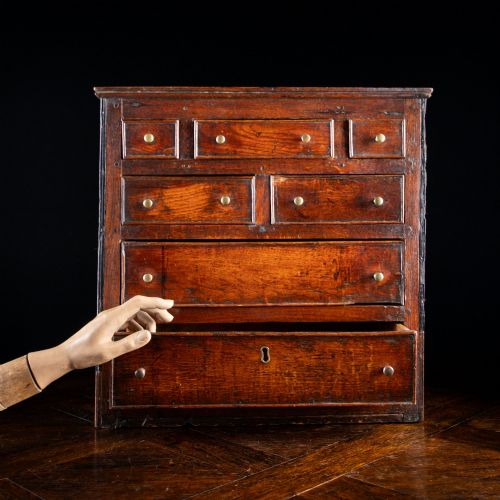
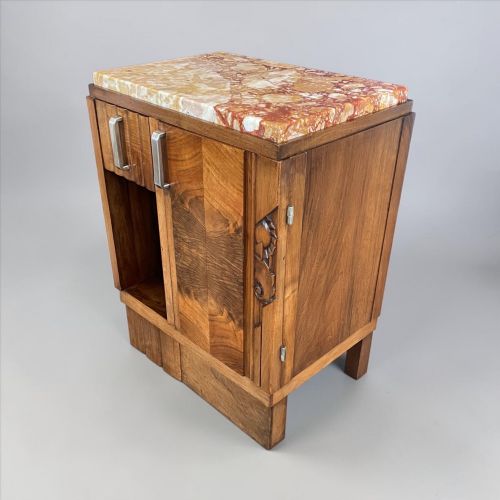
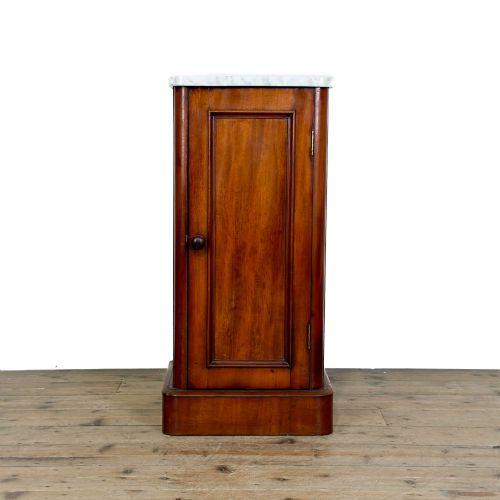
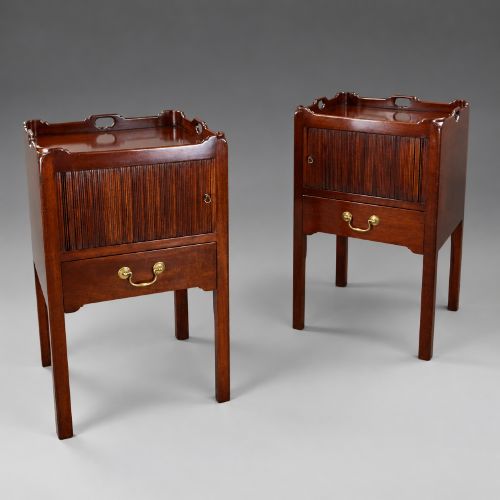
These vintage table top cabinet designs encompass bedside chests, night commodes and compact cupboards selected for small spaces.
Vintage Table Top Cabinet
A vintage table top cabinet typically takes the form of a bedside chest, night stand or small cupboard designed to sit beside a bed or function as an occasional table. Most examples met here emerge from the nineteenth and early twentieth centuries, spanning Victorian, Edwardian and Art Deco periods.
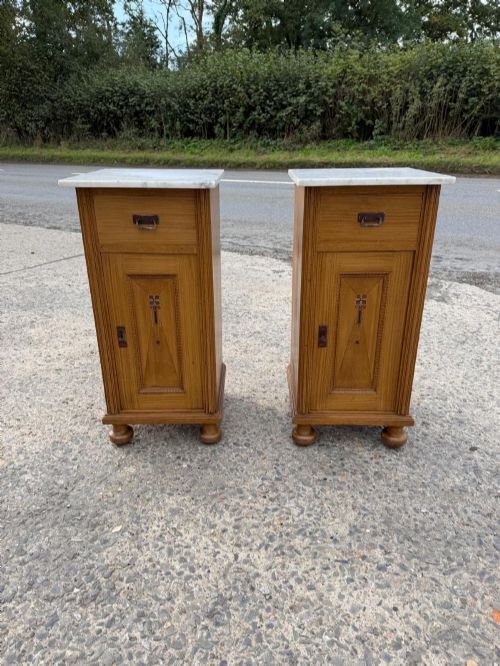
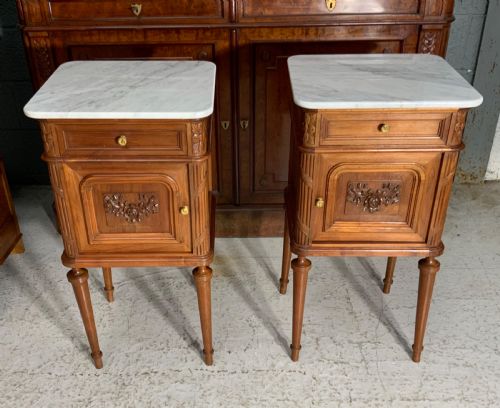
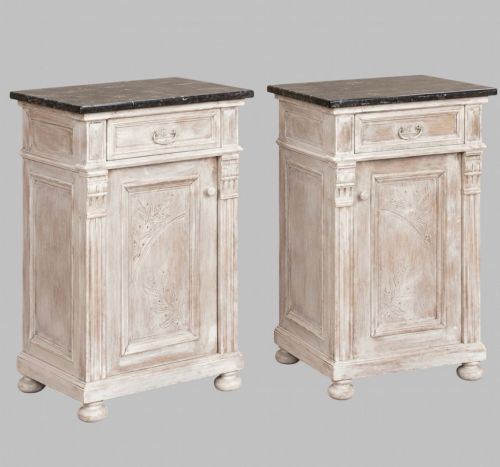
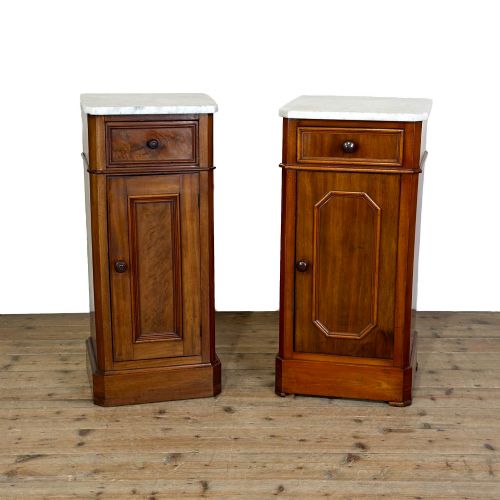
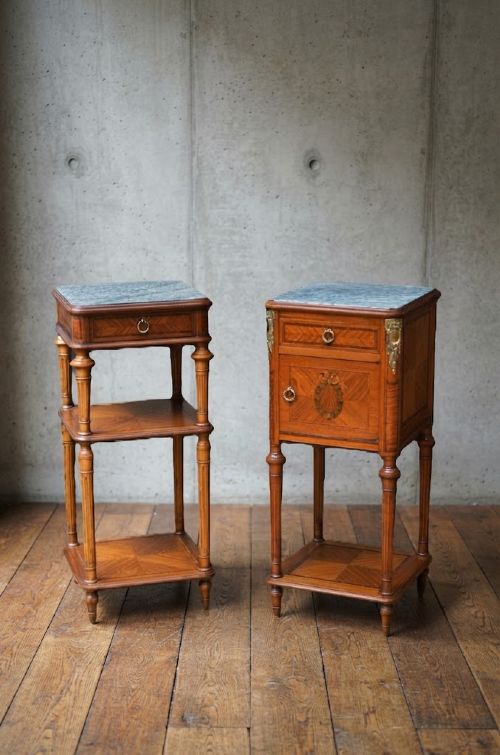
The inventory leans heavily towards pairs originating from French workshops, alongside Georgian mahogany pieces and satinwood or walnut variations. Buyers encounter everything from marble-topped nightstands to marquetry-inlaid chests and compact bedside tables.
Materials and Construction
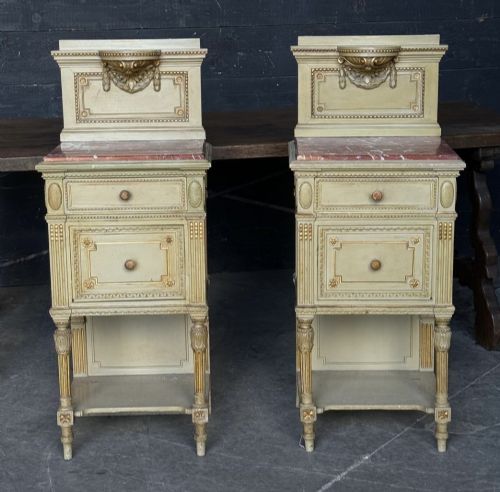
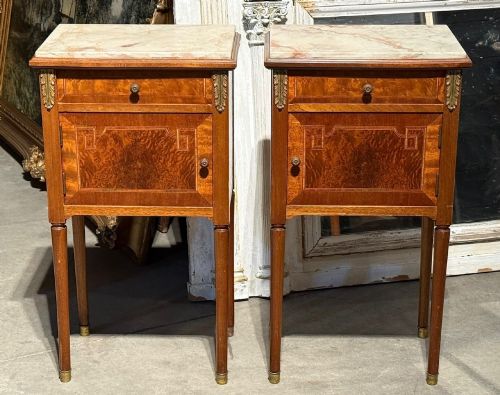
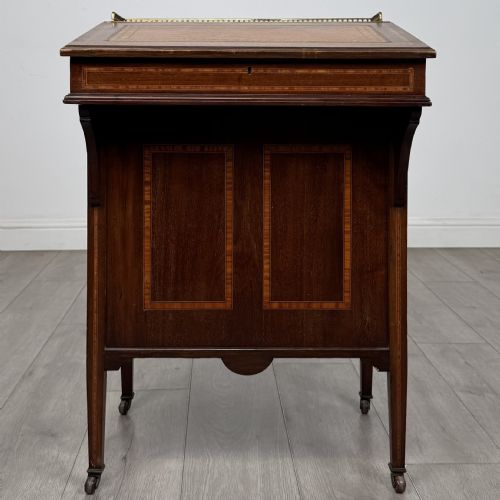
Cabinet makers utilised dense hardwoods such as mahogany, walnut, oak and satinwood for the primary carcases, often incorporating intricate marquetry inlay or painted finishes. Tops frequently feature inset slabs of white or coloured marble, supported by brass mounts and ormolu detailing.
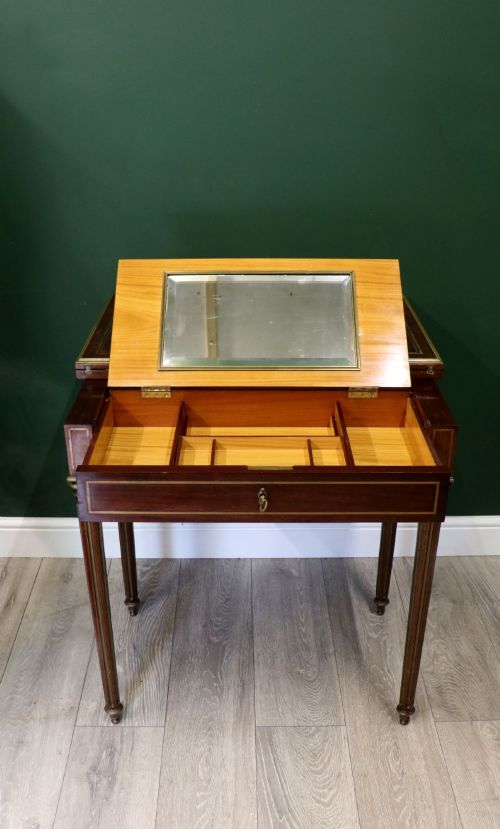
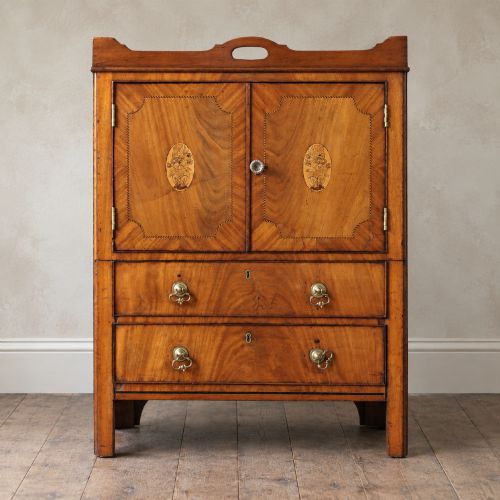
Joinery techniques rely on traditional solid wood construction methods, paired with fine wood veneers for patterned drawer fronts and cabinet doors. Hidden compartments, drop-fronts and tray tops reveal the careful thought given to practical utility.
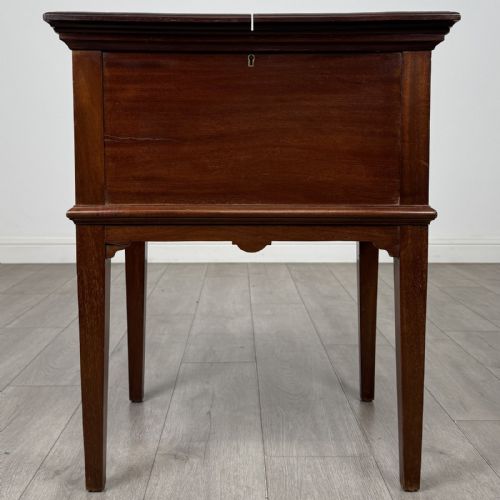
Several compact bedside cabinets hide secret compartments beneath their tray tops, perfect for concealing midnight snacks or forgotten letters.
Evaluating Craftsmanship
Quality rests upon the selection of timbers and the precision of the marquetry or inlay work integrated into the facade. Superior examples display crisp carving on oak and walnut surfaces, alongside tightly fitted marble slabs and heavy brass or ormolu mounts.
Proportion and symmetry elevate pairs above single items, particularly when grain patterns match across two matching cabinet doors. The execution of hidden drawers and internal compartments distinguishes standard utility furniture from finer decorative pieces.
The Vintage Table Top Cabinet Glossary
- Marquetry
- Decorative veneer patterns applied to furniture surfaces to create pictorial or geometric designs. Craftsmen assemble thin slices of various coloured woods before fixing them to the carcase.
- Ormolu
- Gilt bronze mounts applied to furniture for decorative effect during the eighteenth and nineteenth centuries. The technique involves finishing bronze castings with a layer of gold amalgam.
- Night Commode
- A small enclosed cabinet originally designed to house a chamber pot. Later iterations evolved into standard bedside cupboards with open shelves or enclosed doors.
- Satinwood
- A durable hardwood noted for its pale yellow colour and natural sheen. It gained widespread popularity during the Georgian and Edwardian periods for fine cabinet making.
- Bijouterie Table
- A glazed display table created to exhibit small valuable objects and curiosities. These pieces often feature hinged lids and velvet-lined interiors.
Vintage Table Top Cabinet: Frequently Asked Questions
What is a vintage table top cabinet?
A vintage table top cabinet is a compact piece of furniture designed for bedside storage or display. These items include night stands, commodes and small cupboards.
Most examples date from the nineteenth and early twentieth centuries. They combine practical storage with decorative wood veneers and stone tops.
How were these cabinets used?
These cabinets served primarily beside beds to hold chamber pots, night lights and personal items. Smaller cupboards functioned as lamp tables or occasional surfaces in sitting rooms.
Some designs incorporate specialised compartments, pull-out trays and hidden drawers for documents or valuables.
How do I identify French pieces?
French cabinets often display distinct stylistic markers such as marble tops, gilt bronze mounts and kingwood marquetry. Regional designs range from Louis XVI revival forms to Art Deco geometric shapes.
Many examples feature curved cabriole legs or subtle decorative carvings rather than strict geometric lines.
What woods were commonly used?
Cabinet makers relied heavily on mahogany, walnut and oak for sturdy carcase construction. Satinwood and kingwood appeared frequently in fine veneer work and decorative inlay.
Pine served as a secondary timber for internal framing and painted provincial furniture.