

Vintage Swivel Mirror
These vintage swivel mirror examples offer adjustable glass housed in pivoting frames across Edwardian, Victorian, and later periods.
What vintage swivel mirror designs involve
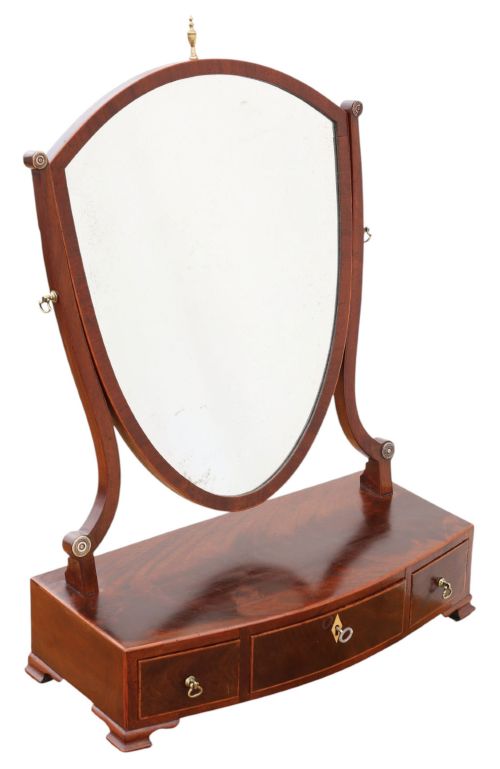
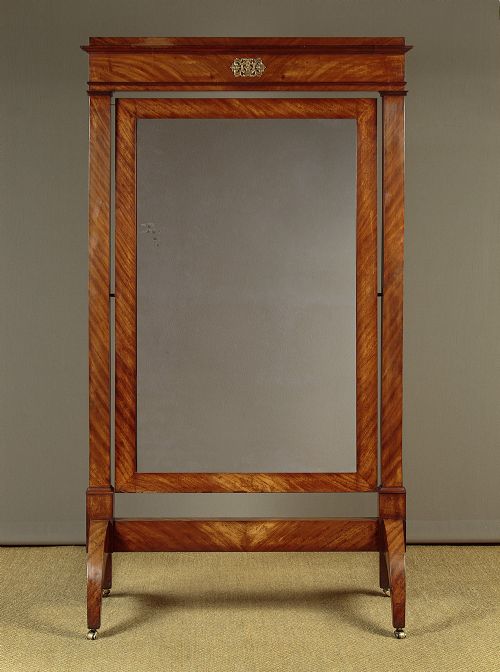
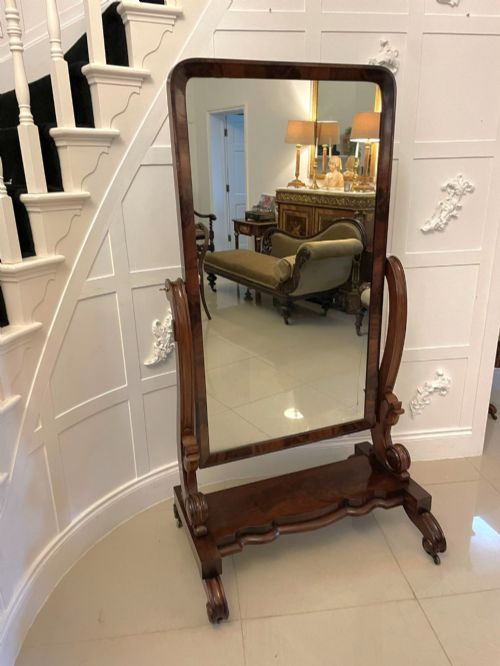
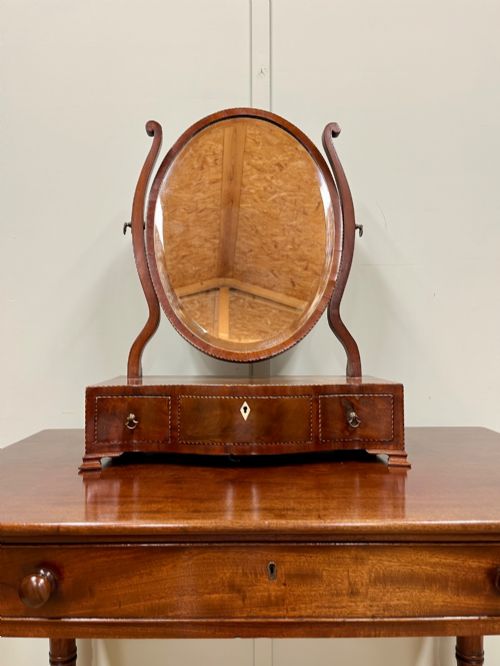
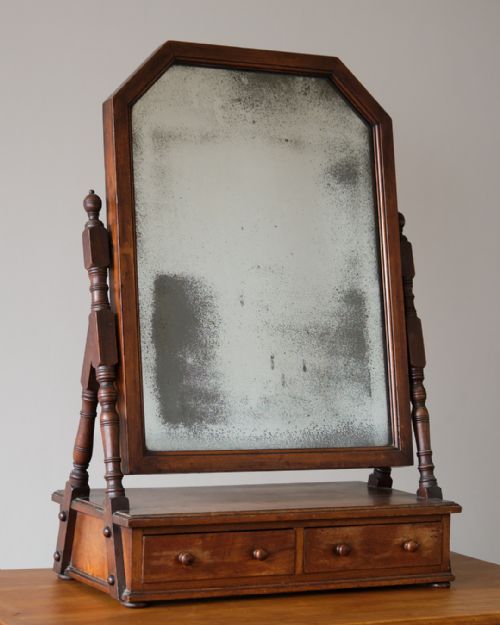
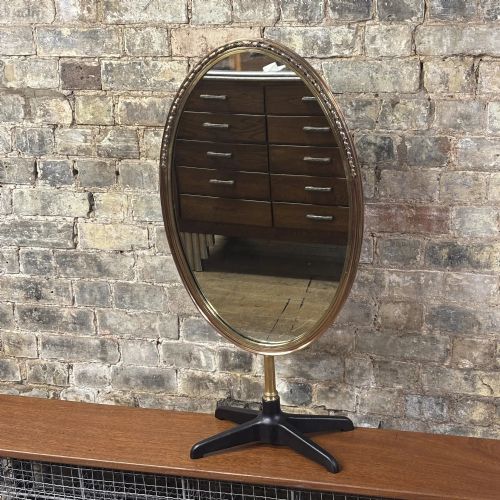
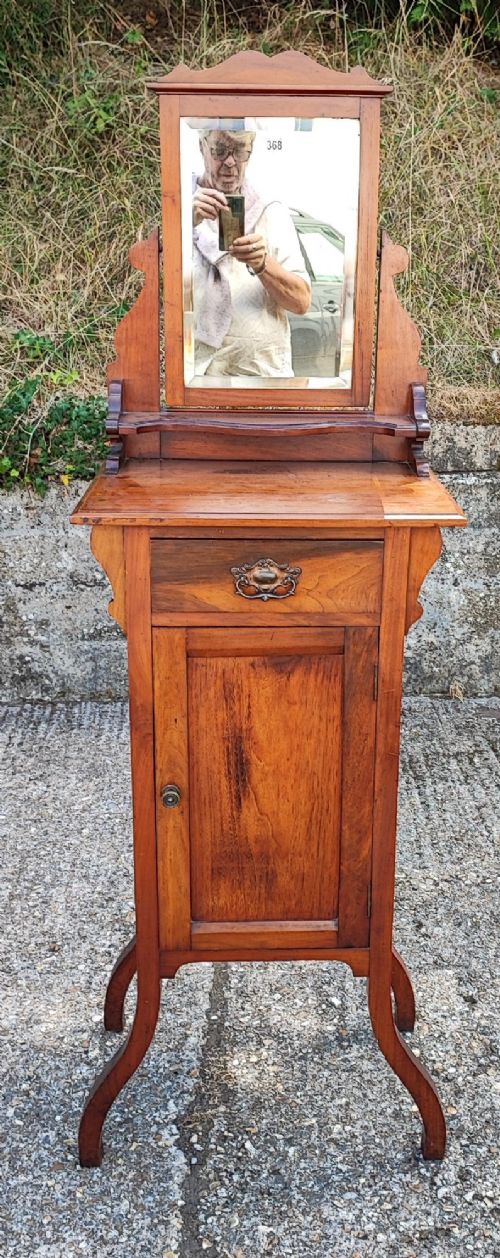
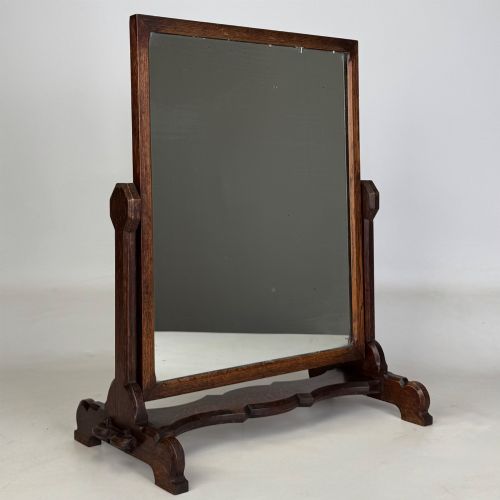
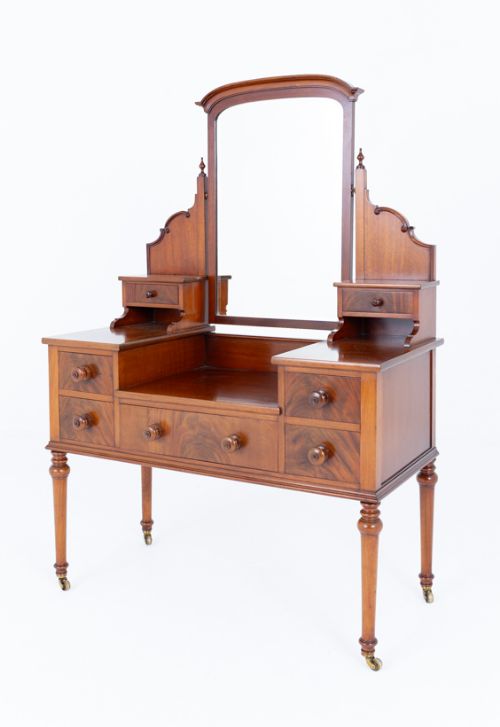
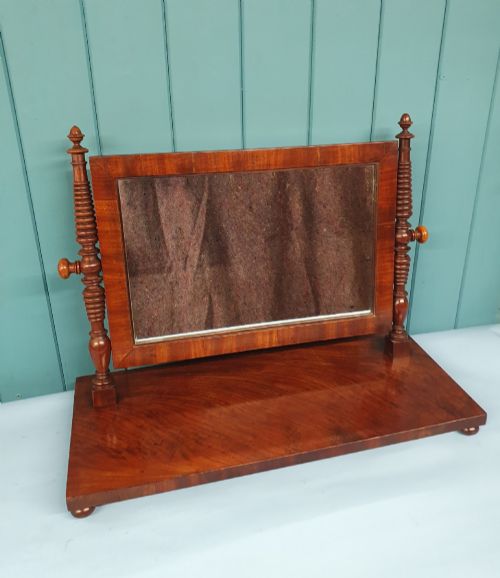
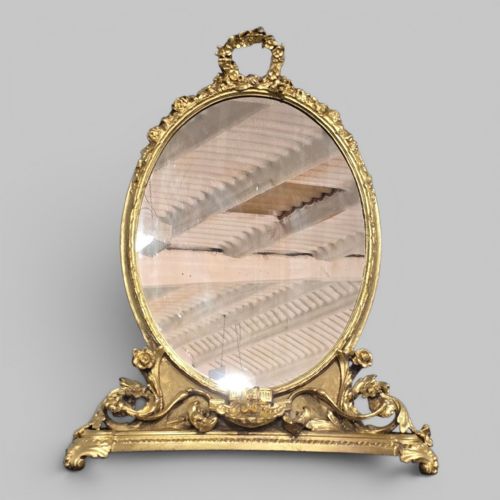
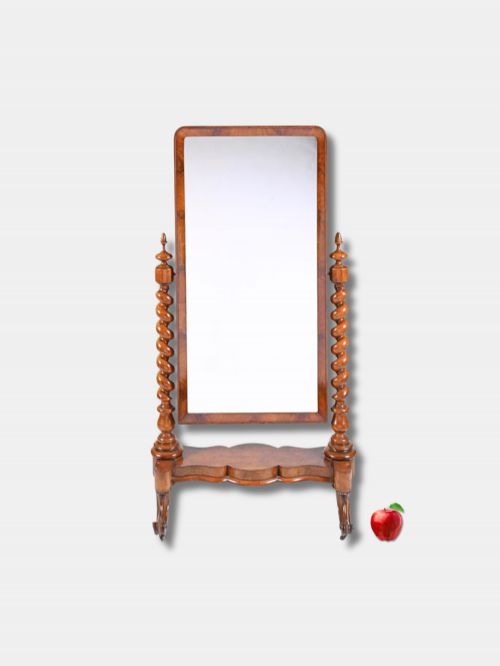
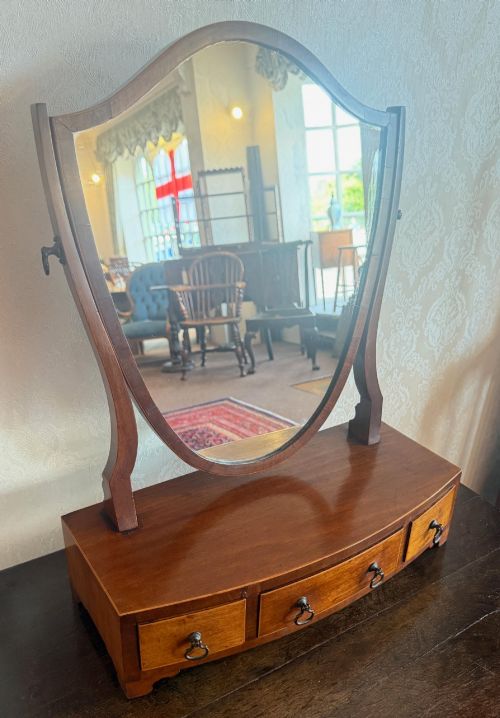
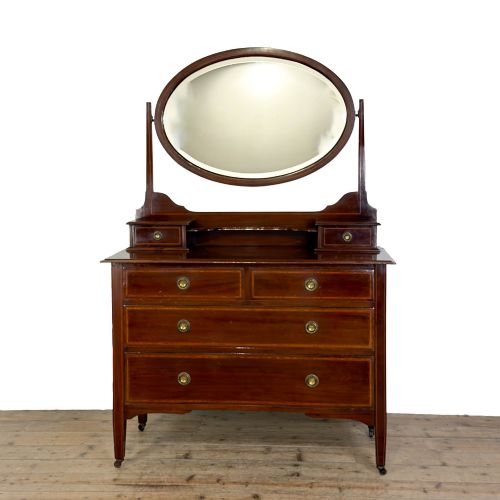
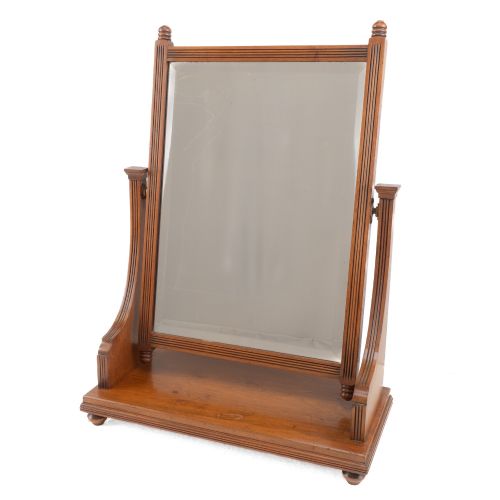
A vintage swivel mirror setup typically functions as a dressing table accessory or a freestanding cheval glass designed to tilt on pivots. These items range from compact table top mirrors with integrated drawers to large floor-standing cheval mirrors.
The material evidence shows pieces spanning the 19th Century, Edwardian era, 1920, 1930, and early Victorian periods. Formats include dressing table mirrors, dressing mirrors, cheval mirrors, and vanity mirrors.
Buyers most frequently encounter Edwardian mahogany or walnut pieces alongside Georgian revivals, early Victorian designs, and chrome vanity models from the 1930s. Each style reflects the prevailing domestic habits of its period.
Materials and construction
Cabinetmakers utilised solid timbers and veneers such as mahogany and walnut to build the surrounding frames and box bases. These wooden components often incorporated small drawers fitted with brass hardware.
The pivoting mechanism relies on brass or metal side screws allowing the glass plate to tilt at various angles. Reflective surfaces utilise standard mirror glass set securely within wooden or chrome mounts.
Retail Price Guide 2026
Typical UK retail prices for vintage swivel mirror, calculated from the Sellingantiques database of over a million retail prices indexed since 2003. This retail price guide relies exclusively on Sellingantiques data; no external sources or auction records are used, so the figures do not describe the wider market.
Some Edwardian table top mirrors feature secret compartments hidden behind the smallest drawer fronts for precious keepsakes.
Distinctions in quality
Quality rests in the selection of timber grain, the weight of the brass or metal fittings, and the stability of the pivoting frame. Superior examples display precise cabinet joints and substantial timber frames rather than lightweight substitutes.
The clarity of the mirror glass and the smooth operation of the swivel mechanism separate ordinary items from finer ones. Well-maintained original patination on wood surfaces also elevates a piece.
The Vintage Swivel Mirror Glossary
- Cheval mirror
- A freestanding full-length mirror mounted on a vertical frame with swivel pivots. This design allows the entire glass panel to rotate.
- Shield mirror
- A dressing table glass cut into the shape of a heraldic shield. It typically sits atop a serpentine or box base fitted with small drawers.
- Swivel frame
- A pivoting assembly held by side screws that permits the mirror glass to tilt forward or backward. This mechanism defines the primary function of the object.
- Patina
- The surface sheen and colour developed by wood and metal over decades of handling and age. Collectors value this natural indicator of antiquity.
Frequently Asked Questions
How do I identify an Edwardian swivel mirror?
Edwardian mirrors frequently utilise mahogany or walnut timbers and often display revival styles such as Hepplewhite influences.
Examine the construction of any base drawers and the specific profiling of the wooden frame to confirm the period.
Were these mirrors used on dressing tables?
Many smaller examples functioned specifically as dressing table or table top accessories for grooming.
Larger cheval versions stood directly on the floor to provide a full-length reflection in bedrooms.
What is a 1930s vanity mirror like?
Mirrors from the 1930s often incorporate chrome plating and streamlined Art Deco styling instead of traditional wood.
These pieces reflect the shift toward modern industrial materials in domestic interior design.
How does the pivoting mechanism work?
Side screws or pins connect the mirror frame to vertical support posts, creating an axis for rotation.
Tightening these pivot points holds the glass firmly at the desired viewing angle.