

Vintage Swedish Art
Vintage Swedish art encompasses painted chests, refined cabinets and oil paintings reflecting Scandinavian craftsmanship across multiple centuries.
Vintage Swedish Art
When searching for vintage Swedish art, collectors encounter objects spanning the eighteenth century through the twentieth century. The selection ranges from functional storage vessels to decorative seating and painted wall elements.
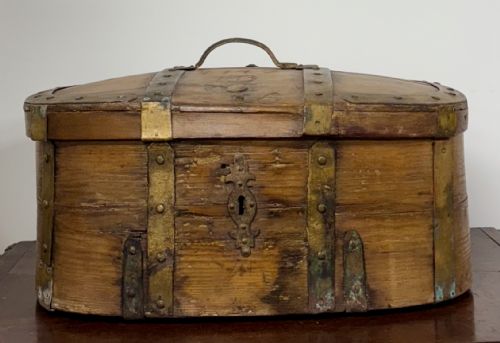
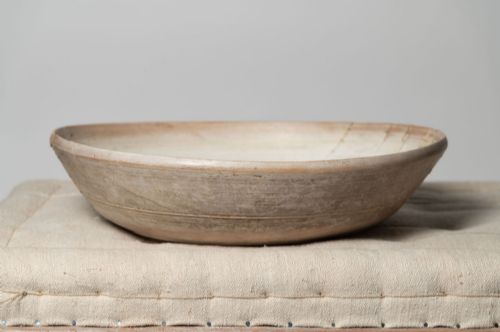
Pieces from this category include nineteenth-century pine boxes, painted bowls and rustic storage barrels alongside refined nineteen-thirties furniture. The eighteenth-century items bring early folk traditions to domestic interiors.
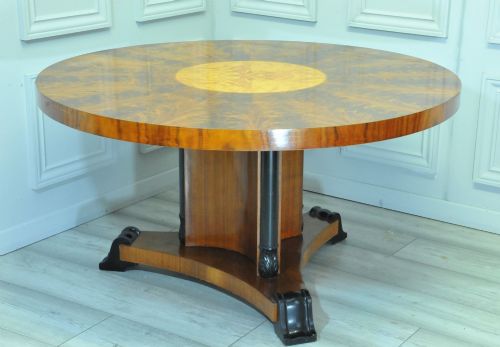
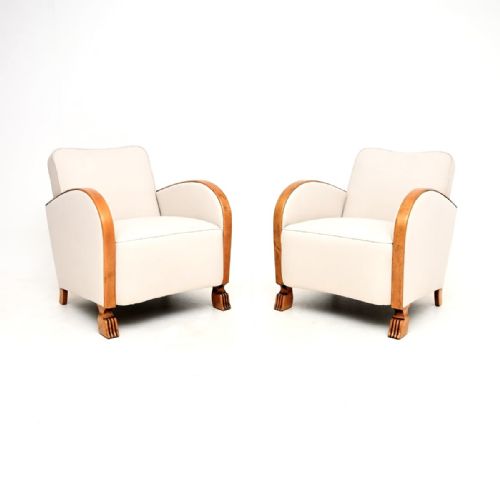
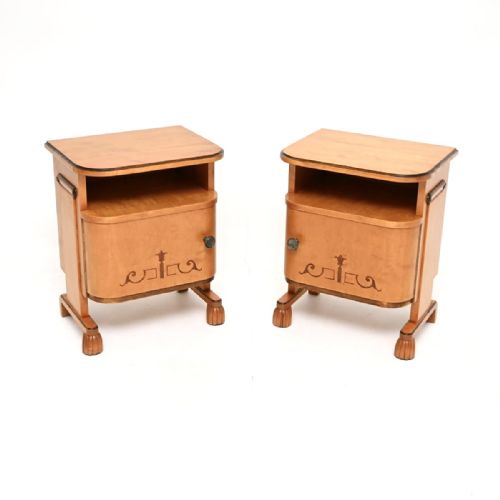
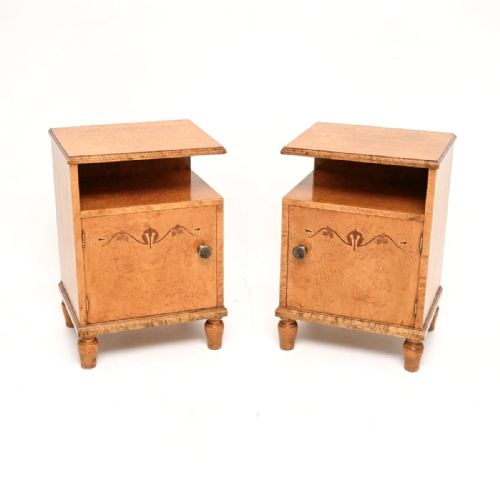
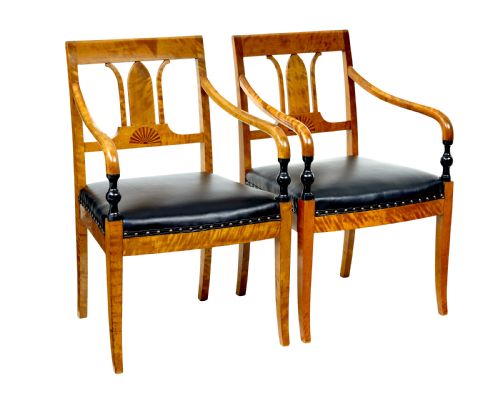
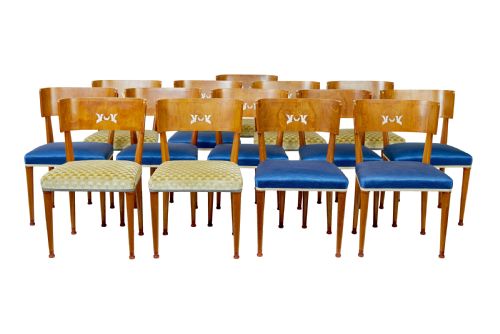
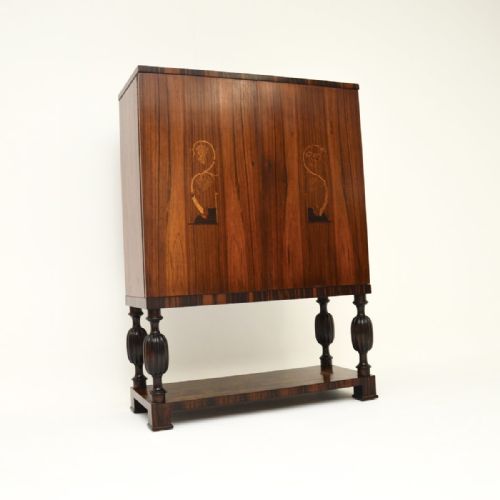
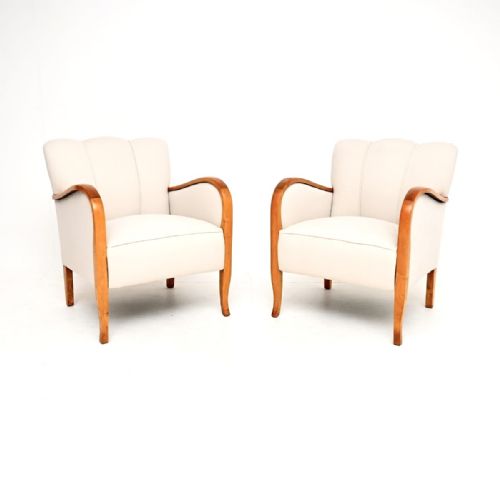
The nineteen-thirties pieces introduce distinct regional iterations of continental modernism. Satin birch armchairs, elm dining chairs and inlaid console tables dominate the twentieth-century portion of the selection.
Materials and construction methods
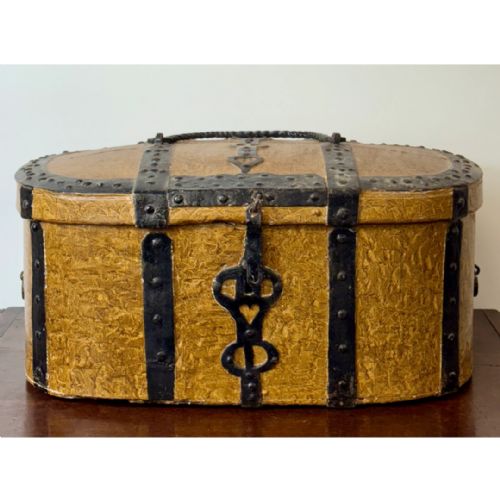
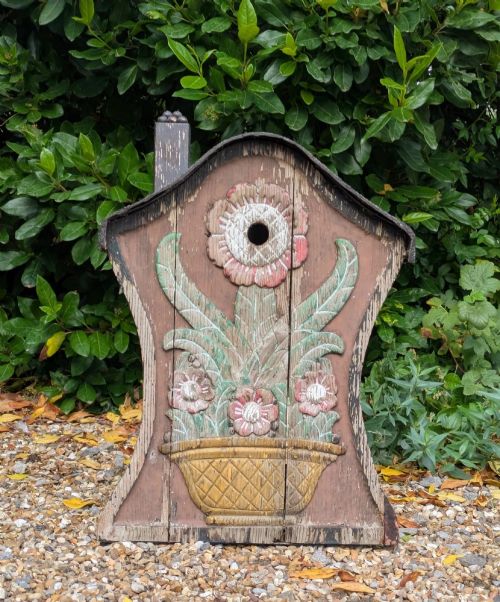
Carpenters utilised native timber including pine, birch, elm and satin birch for cabinetwork and seating. Artisans applied hand-mixed paint layers to pine chests, wall cupboards and wooden bowls.
Metalwork played a structural and decorative role, featuring hand-forged iron strapwork on storage boxes and strongboxes. Cabinetmakers employed wood veneers and intricate inlay techniques during the nineteen-thirties period.
Vintage Swedish Art Retail Price Guide 2026
Typical asking prices for vintage swedish art among the pieces listed under this phrase on Sellingantiques today, from the lower quarter to the upper quarter. They describe what is for sale here now, not the wider market.
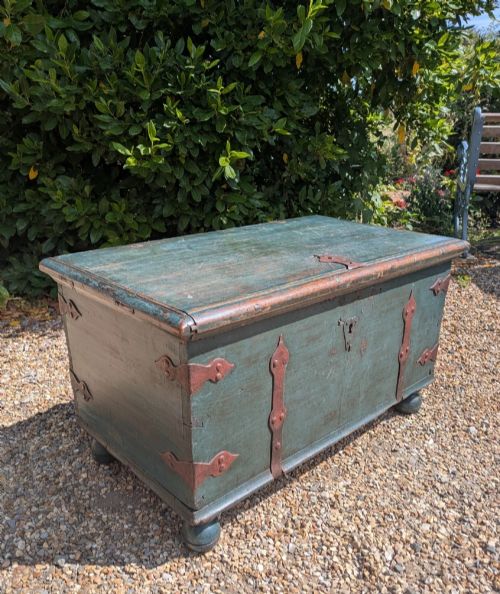
A nineteenth-century strong box guards its contents with a green painted surface designed to confuse wandering spirits.
Distinctions in execution and preservation
The standard of an item rests on the retention of original surface treatments and the precision of the joinery. Painted objects retain integrity when original pigments survive without excessive modern overpainting.
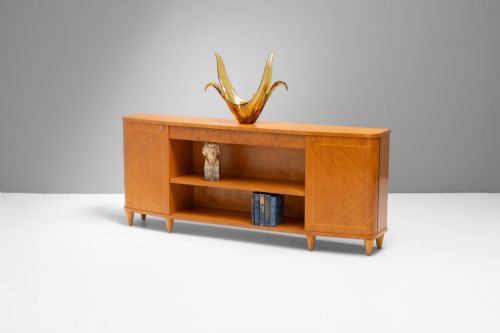
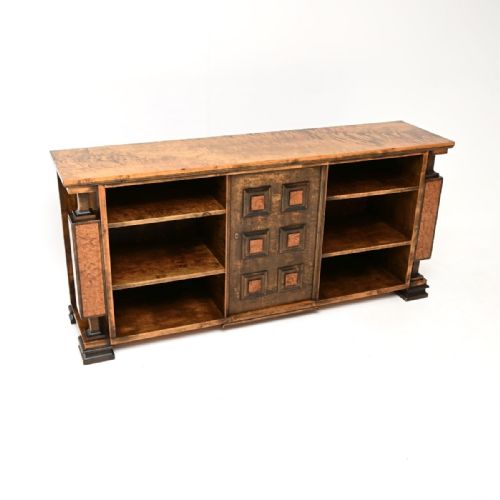
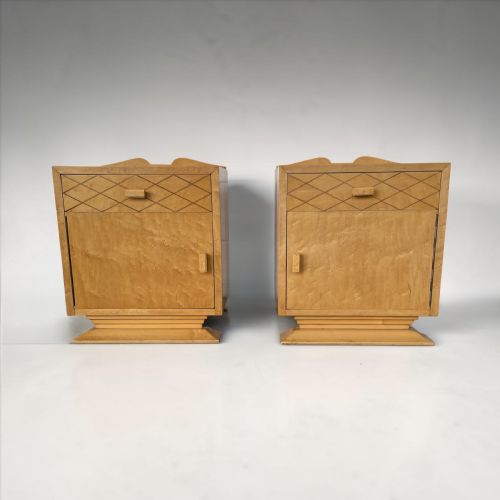
Twentieth-century furniture gains distinction through timber selection, such as figured satin birch or karelian birch veneers. The crispness of carved details and the balance of proportions separate standard items from superior examples.
Gemla Fabrikers·Olof Ahlberg·Zenith
The Vintage Swedish Art Glossary
- Satin Birch
- A pale timber with a natural chatoyant sheen utilised extensively by twentieth-century cabinetmakers. It provides a luminous surface finish on armchairs and side tables.
- Folk Art
- Decorative or utilitarian items produced within a traditional community context rather than a formal academic studio. These objects frequently display hand-painted motifs and vernacular construction.
- Strapwork
- Flat bands of metal arranged in geometric or strap-like patterns across wooden lids and doors. Iron strapwork reinforced structural corners while adding ornamental contrast.
- Klismos
- An ancient chair form revived by twentieth-century designers featuring curved backrests and sweeping saber legs. Elm versions from the nineteen-thirties demonstrate this classical silhouette.
Vintage Swedish Art: Frequently Asked Questions
What defines vintage Swedish art pieces?
These items encompass functional household objects, painted folk boxes, and modernist furniture originating from Sweden. They reflect both agrarian traditions and twentieth-century design movements.
Craftsmanship focuses on native timber utilisation and decorative surface painting. The aesthetic balances utilitarian necessity with regional artistic expression.
How do I care for painted wooden chests?
Painted wooden surfaces require stable indoor humidity and protection from direct sunlight to prevent pigment degradation. Dusting with a dry, soft cloth preserves the historic paint layers.
Avoid harsh chemical cleaning agents that strip historic finishes. Natural wax treatments help maintain exposed pine or birch grain.
How are different periods distinguished?
Eighteenth and nineteenth-century items display hand-carved joinery, visible tool marks, and hand-mixed milk paint finishes. Folk art pieces from this era prioritise rural utility.
Twentieth-century examples transition toward streamlined forms, sophisticated wood veneers, and structured upholstery. Art Deco and Swedish Grace pieces exhibit symmetrical geometry.
Where were these items used originally?
Storage boxes, barrels, and strongboxes served practical domestic and agricultural functions in Swedish rural households. Painted cupboards and wall shelves organised rural interiors.
Seating and tables furnished urban apartments and country estates alike. Paintings and clocks provided decorative focal points for living spaces.