





Vintage Style Wool Carpet
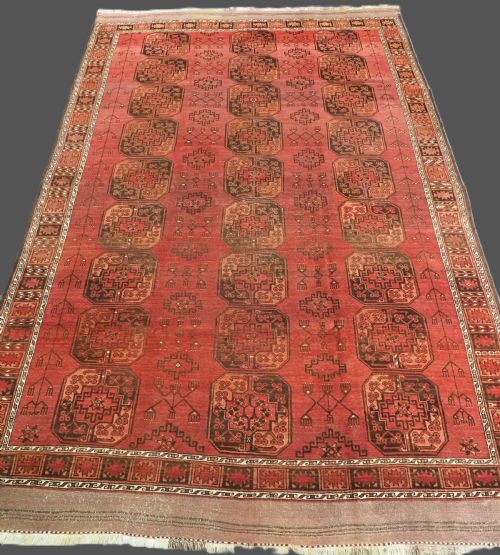
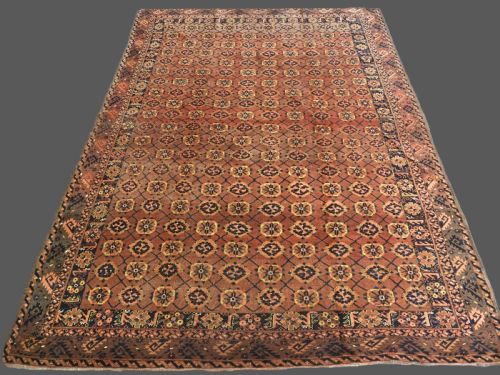
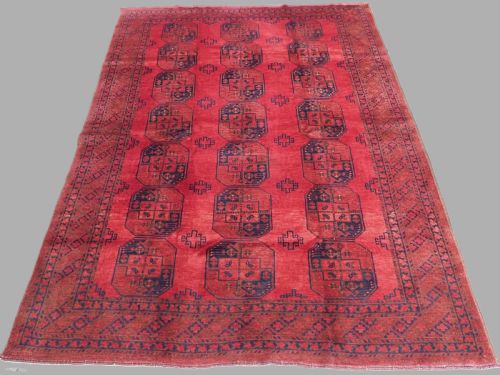
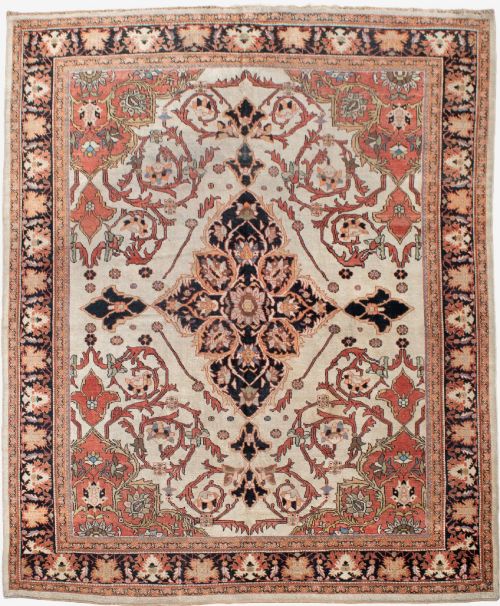
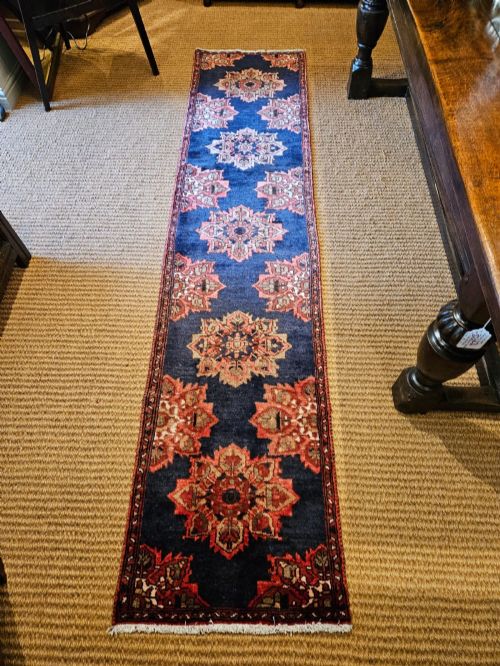
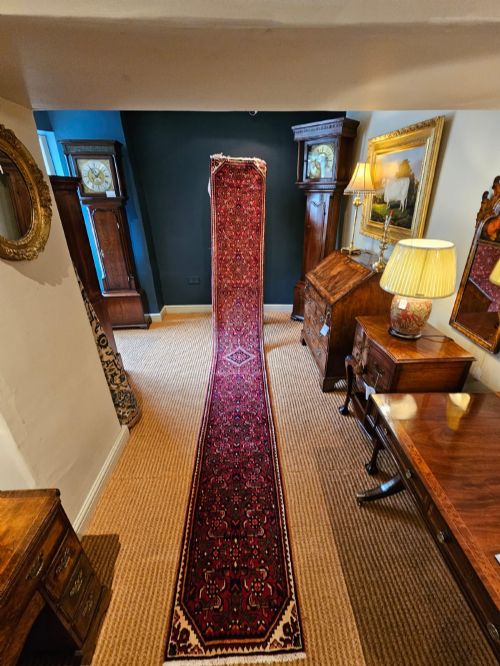
These vintage style wool carpet pieces span Persian, Caucasian, and tribal designs from the late nineteenth century to the middle of the twentieth century.
Vintage Style Wool Carpet
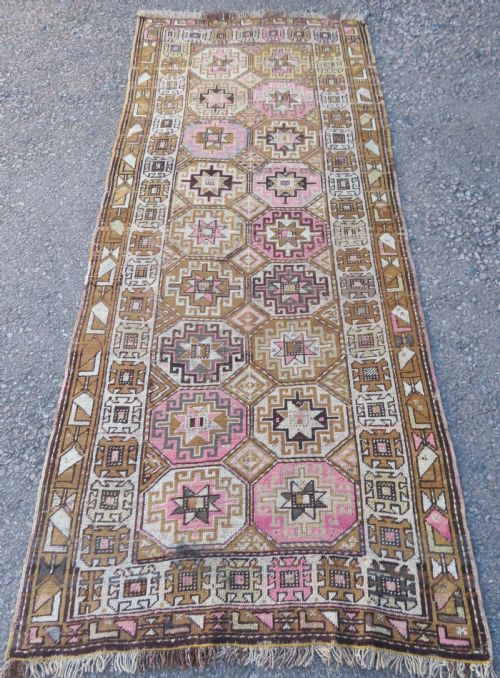
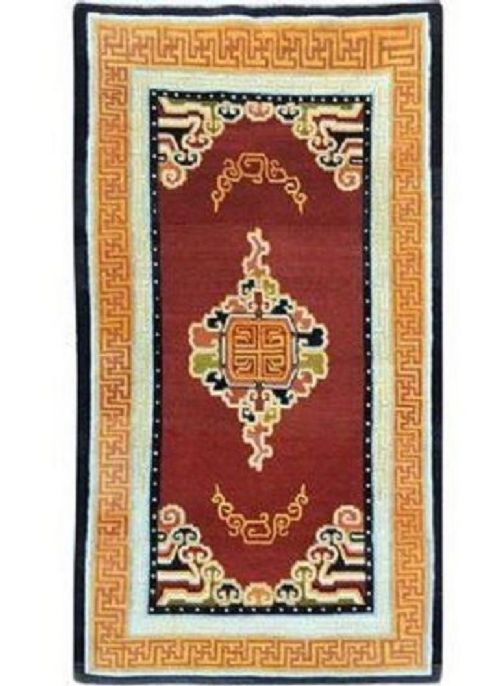
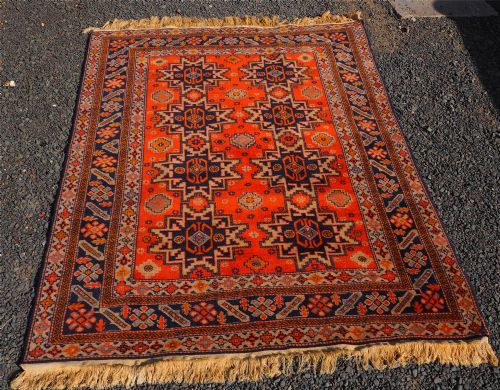
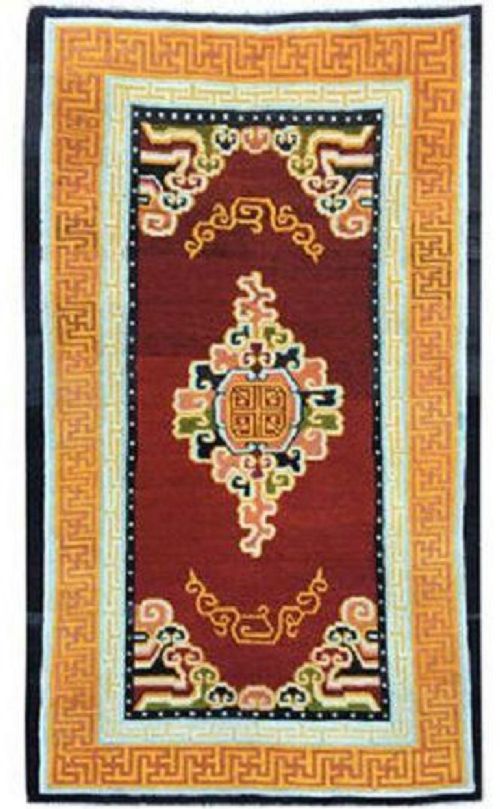
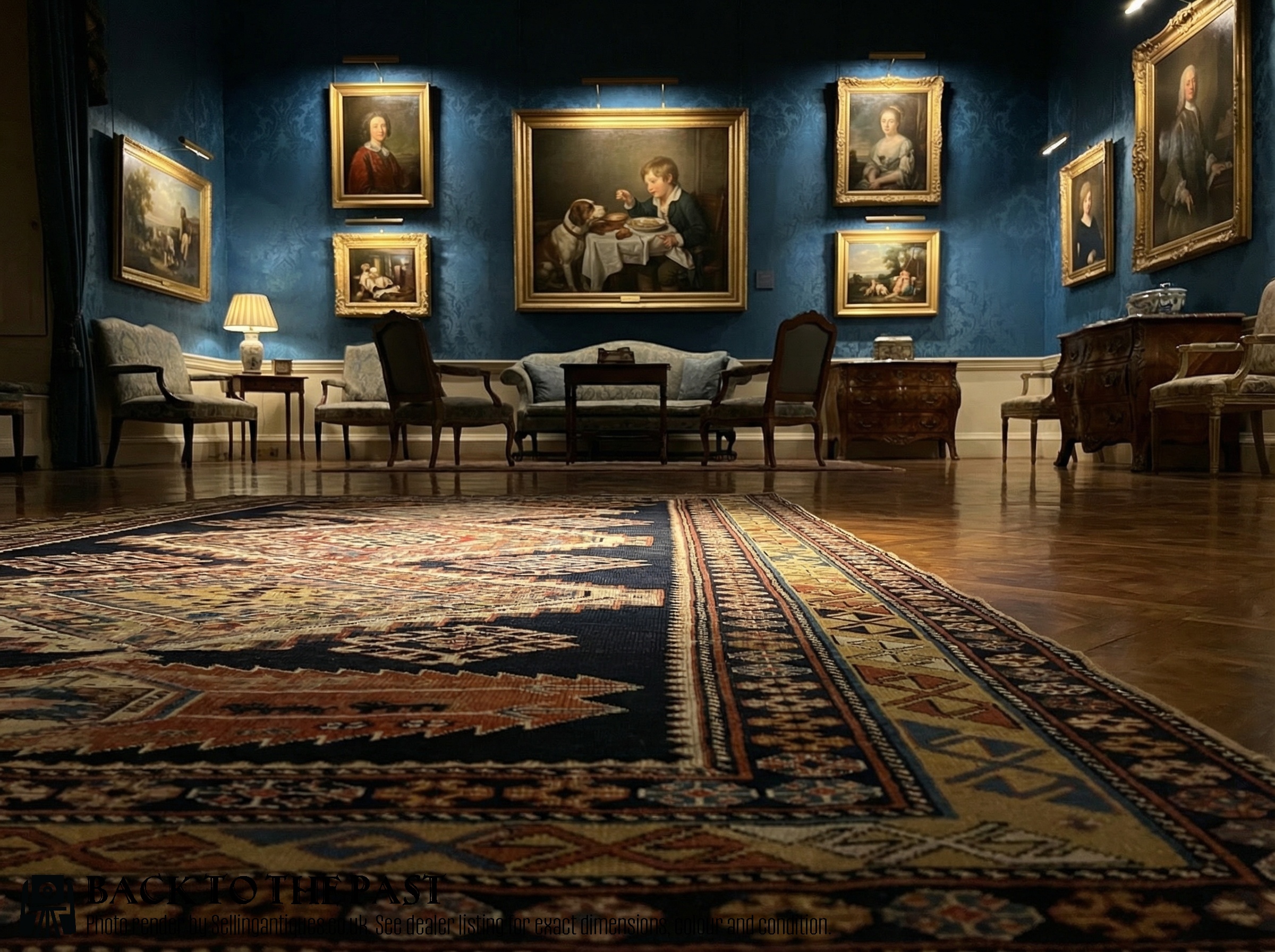
A vintage style wool carpet search brings together hand-knotted and woven floor coverings originating mainly from Persia, the Caucasus, Anatolia, and Central Asia. The inventory on this page consists largely of room-size carpets, smaller area rugs, and long runners dating from the eighteen-eighties through the nineteen-forties.
Buyers encounter regional village and tribal expressions, including Heriz, Kazak, Karaja, Kurdish, and Turkmen styles. These pieces range from compact prayer rugs and square formats to grand carpets exceeding four metres in length.
How they were made
Makers utilised wool, cotton, and hand-spun wool as the primary materials for pile and foundation structures. Weavers knotted or wove the fibres by hand, incorporating traditional geometric motifs, medallion layouts, and all-over patterns.
Dyes created warm reds, olive greens, and navy blues that settled into mellow palettes over decades of age. Specialised formats such as chain-stitch embroidery and tapestry weaving also appear among the techniques.
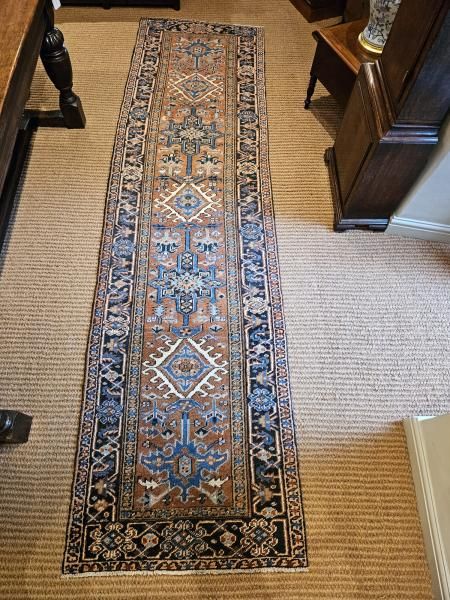
Several runners embrace their handmade origins so thoroughly they arrive with delightfully crooked geometries.
What varies in quality
The standard of a vintage style wool carpet depends upon the density of the knotting and the integrity of the wool foundation. Finer knot counts allow for sharper geometric precision in tribal designs and greater resilience under foot.
The depth and harmony of the natural dye palette also distinguish finer examples. Pieces retaining rich, uncompromised wool pile demonstrate superior materials and careful original execution.
The Vintage Style Wool Carpet Glossary
- Runner
- A long, narrow carpet format designed for hallways, corridors, and staircases. These pieces measure significantly longer than they are wide.
- Prayer rug
- A small format featuring a niche or arch design at one end, historically used for individual devotion. These pieces often display specific Caucasian or Anatolian motifs.
- Kelleh
- A large rectangular carpet format, longer than it is wide, traditionally used in Persian domestic interiors. These formats offer substantial floor coverage.
- Chain stitch
- An embroidery technique executed with a hook or needle to create looped stitches across a base fabric. This method produces flat, textured surface designs rather than a knotted pile.
Vintage Style Wool Carpet: Frequently Asked Questions
How do I clean a wool carpet?
Vacuum gently without a rotating brush roll to protect the vintage wool pile. Professional specialist cleaning is recommended for heavier maintenance.
Avoid harsh chemical treatments and excessive water immersion. Allow wet spots to dry naturally without rubbing the fibres.
Where were these carpets made?
The pieces originate across regions including Persia, the Caucasus, Anatolia, and Northern India. Village weavers and nomadic tribes produced the majority of the inventory.
Specific production centres include Heriz, Karaja, Oushak, and Amritsar. Each area contributed distinct palette choices and geometric layouts.
Are these carpets suitable for heavy traffic?
Wool provides natural durability and resilience for daily domestic use. Hand-knotted structures withstand normal walking traffic in hallways and living spaces.
Underlays help prevent sliding and reduce friction against hard floors. Heavier runners and carpets perform reliably in active rooms.
How do I determine the age of a carpet?
Dating relies on stylistic markers, structural analysis, and material characteristics. Pieces from the late nineteenth and early twentieth centuries show specific regional dye combinations and wear patterns.
Documentation and comparative examples from periods like eighteen-eighty to nineteen-forty provide reliable chronological benchmarks. Hand-spun wool and traditional motifs assist in placing items within their era.