

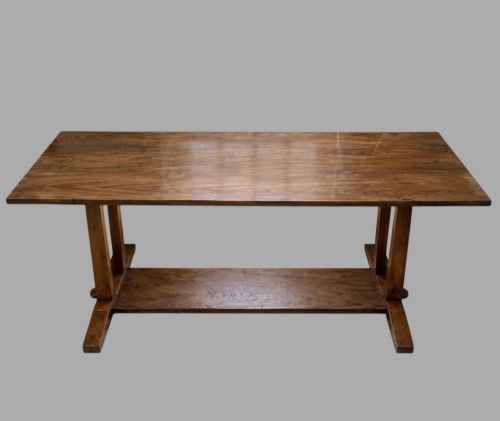
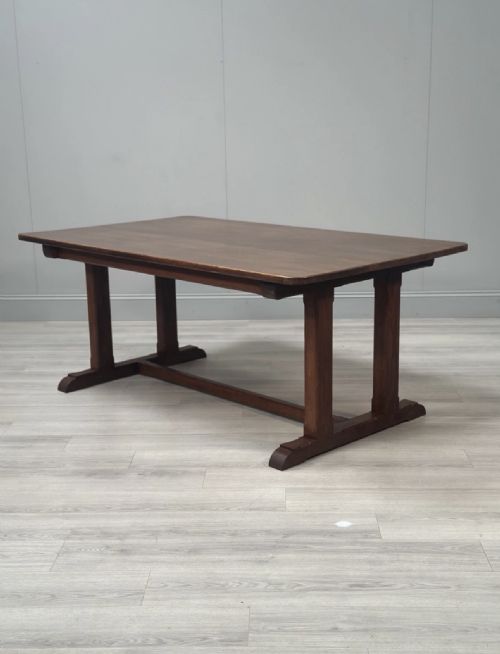
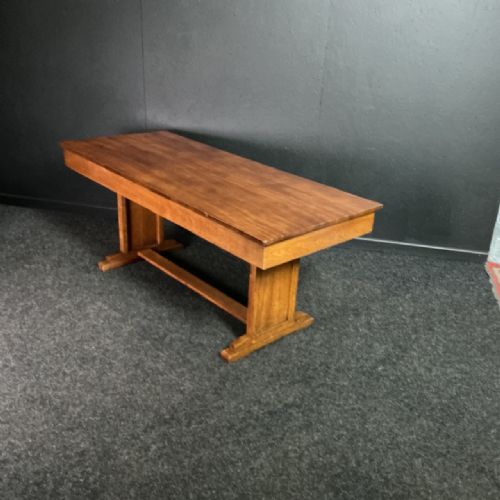
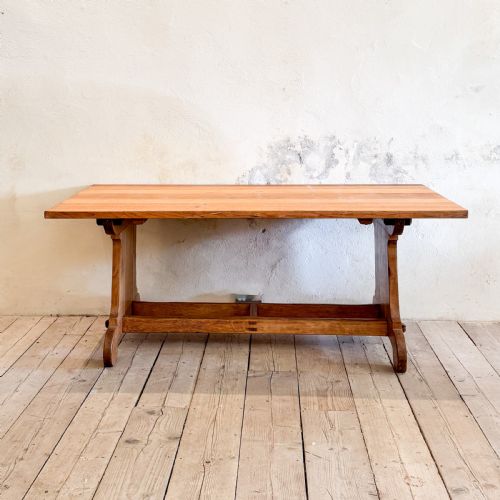
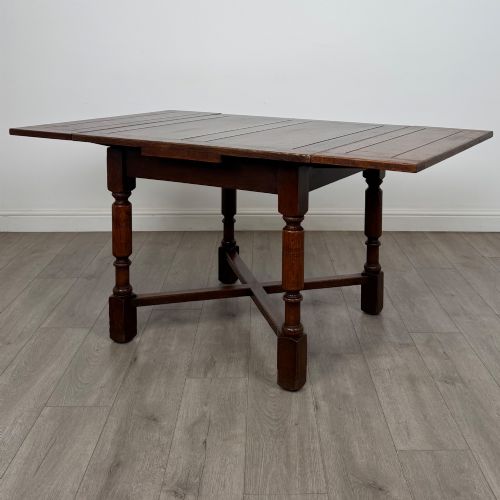
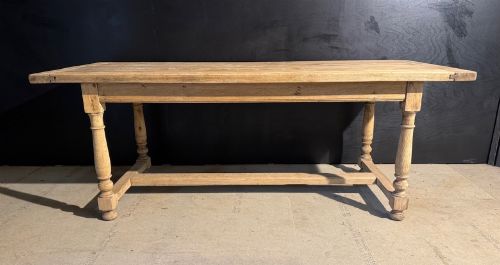
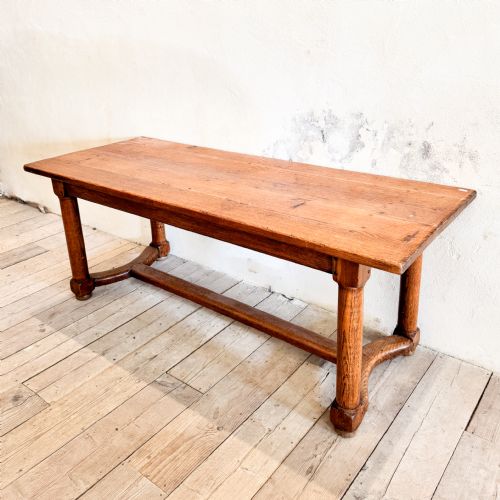

Vintage Stretcher Dining Table
A vintage stretcher dining table anchors the room with sturdy honesty, built for daily gatherings and long meals.
Vintage Stretcher Dining Table
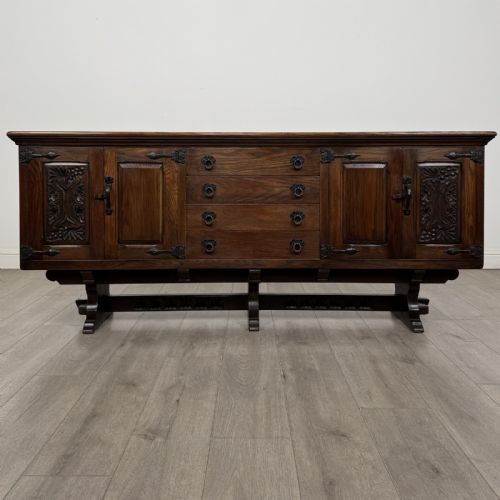
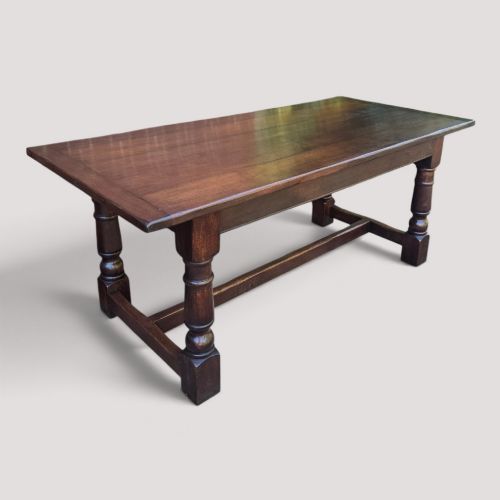
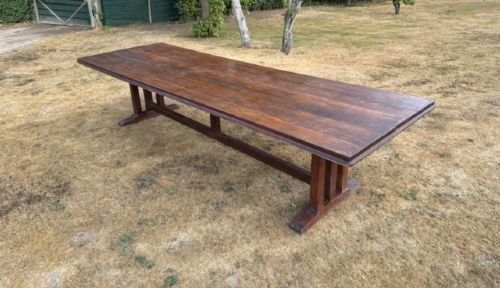
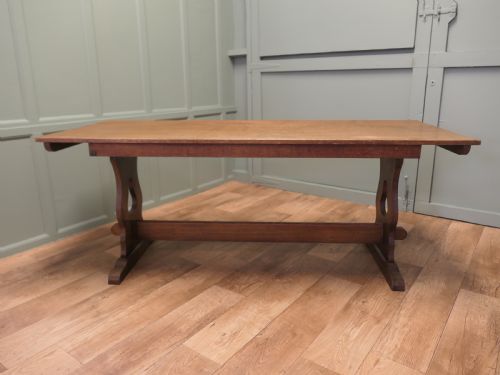
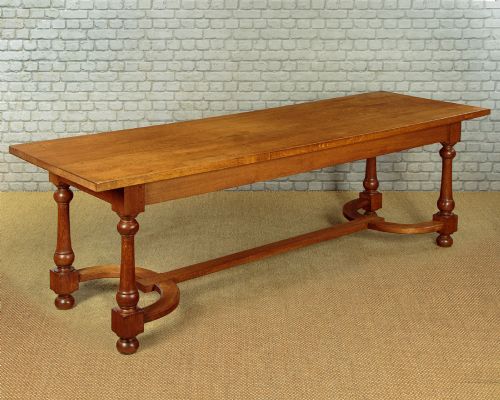
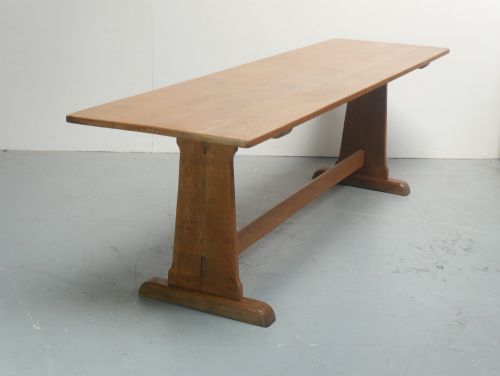
When searching for a vintage stretcher dining table, you encounter robust refectory and farmhouse formats designed to seat large households or gatherings. These pieces span periods from the nineteenth century through the Edwardian era and into the nineteen thirties, drawing on traditional joinery.
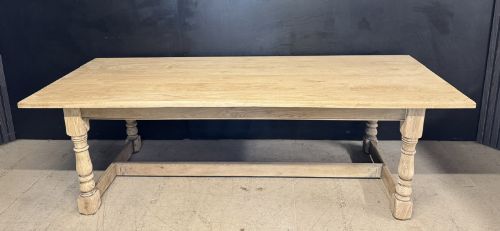
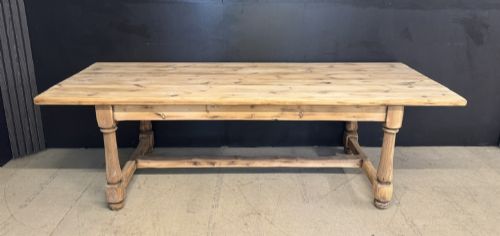
The version most commonly met on this page is constructed from oak, often bearing the characteristic underframe bracing that defines the stretcher type. Alongside oak, examples in pine, walnut, elm, and bleached timber appear in styles ranging from rustic farmhouse to Arts and Crafts and Jacobean revival.
Forms extend beyond standard dining formats into library tables, centre tables, and draw leaf configurations. Origins cross from British workshops to French provincial makers, offering diverse proportions suitable for contemporary kitchens and dining rooms.
Materials and Construction
Solid timber forms the foundation of these tables, with oak and pine predominating across the selection alongside walnut and elm. Carpenters utilised dense hardwoods for durability in daily service, occasionally incorporating iron hardware for additional structural support.
Joinery relies on traditional framing methods where stretchers connect the legs near the floor to resist lateral movement. Surfaces display carved details, turned legs, or bleached finishes depending on the period and regional workshop traditions.
Vintage Stretcher Dining Table Retail Price Guide 2026
Typical asking prices for vintage stretcher dining table among the pieces listed under this phrase on Sellingantiques today, from the lower quarter to the upper quarter. They describe what is for sale here now, not the wider market.
Listings feature solid oak, pine, walnut, and elm across nineteenth century, Edwardian, and nineteen thirties periods.
Assessing Quality and Character
The calibre of a table rests upon the selection of timber and the integrity of its framing. Dense, well-figured oak or deeply patinated pine with substantial top boards commands attention through visual depth and solid structural mass.
Proportion and restrained decorative carving elevate certain pieces above utilitarian workshop output. The harmony between the stretcher placement, leg turning, and top thickness dictates the overall presence of the table.
The Vintage Stretcher Dining Table Glossary
- Stretcher
- A horizontal timber connecting the legs of a table near the floor to provide lateral stability. This underframe is essential for supporting long dining surfaces.
- Refectory table
- A long narrow dining table traditionally used in communal halls. Examples typically feature sturdy stretcher bases and generous timber tops.
- Draw leaf table
- A dining table equipped with sliding leaves stored beneath the main top that pull out to extend the surface length. This mechanism accommodates extra diners easily.
- Arts and Crafts
- A design movement prioritising traditional craftsmanship, visible construction, and simple forms. Pieces from this style often highlight the natural grain of oak.
- Bleached oak
- Timber treated to lighten its natural colour while retaining the grain pattern. This finish creates a brighter appearance suited to contemporary interiors.
Vintage Stretcher Dining Table: Frequently Asked Questions
How do I style a rustic table?
Pairing a rustic wooden table with simple benches or mismatched chairs creates an inviting, balanced dining space. The natural texture of the timber works well against plain walls and simple lighting.
Allowing the surface to remain unmasked by heavy cloths highlights the grain and age marks accumulated over decades of use.
Are these tables good for kitchens?
Farmhouse and refectory formats serve kitchen environments exceptionally well because their solid timber construction handles daily food preparation and family meals. The durable surfaces withstand active household use.
Many examples offer generous proportions that function as both a workspace and a central dining hub for the household.
How do I date an oak table?
Dating relies on observing construction methods, hardware types, and style markers such as turned legs or carved details. Pieces from the nineteenth century often show hand-planed surfaces and traditional peg joinery.
Comparing the proportions and finish to documented period examples helps narrow down the decade of manufacture.