


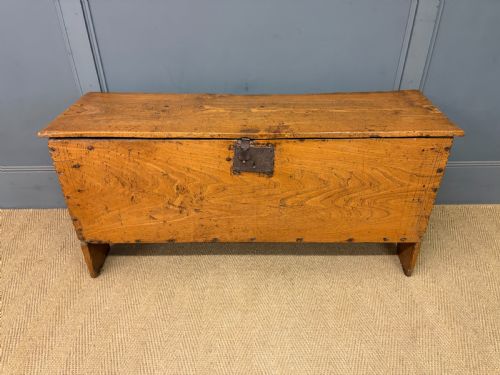
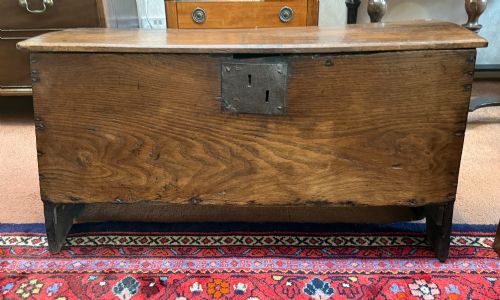
Vintage Storage Coffer Chest
A vintage storage coffer chest offers deep utility and rugged character, turning practical household containment into a focal point of traditional craftsmanship.
Vintage Storage Coffer Chest
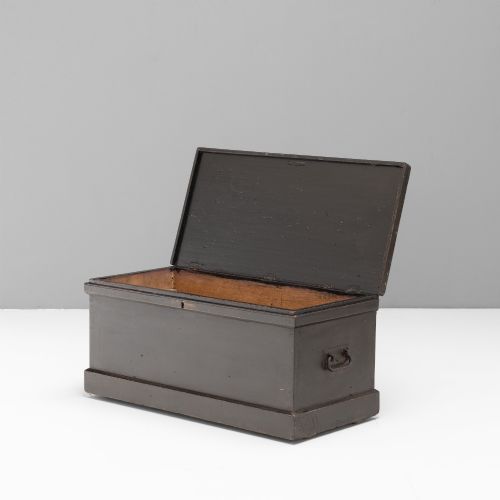
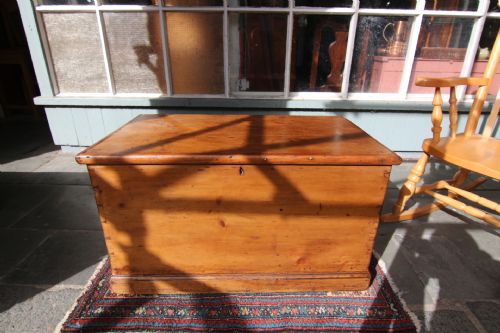
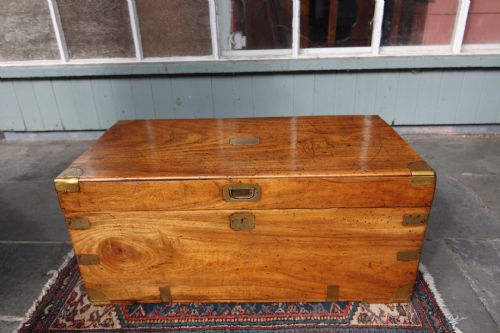
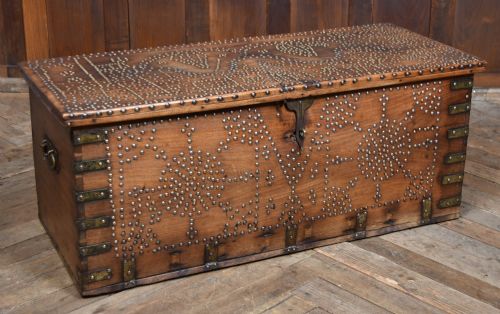
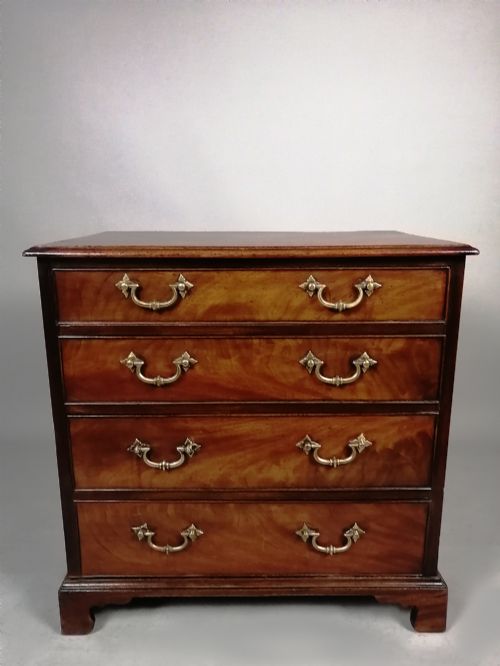
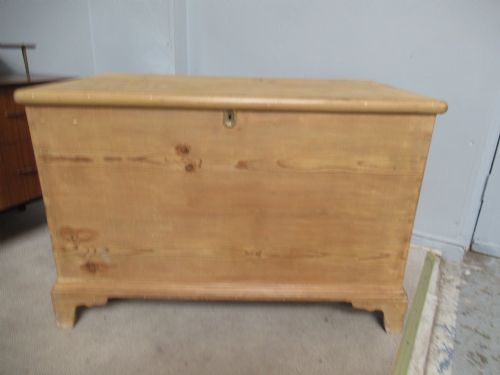
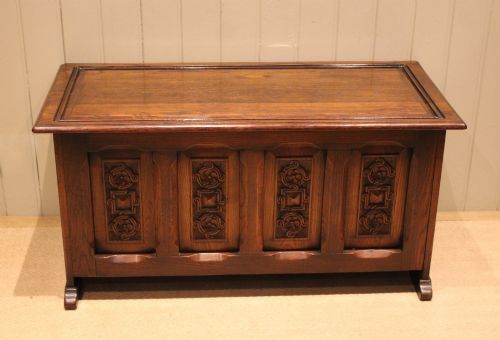
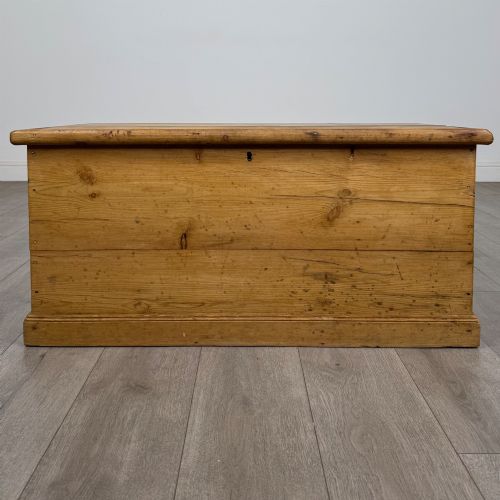
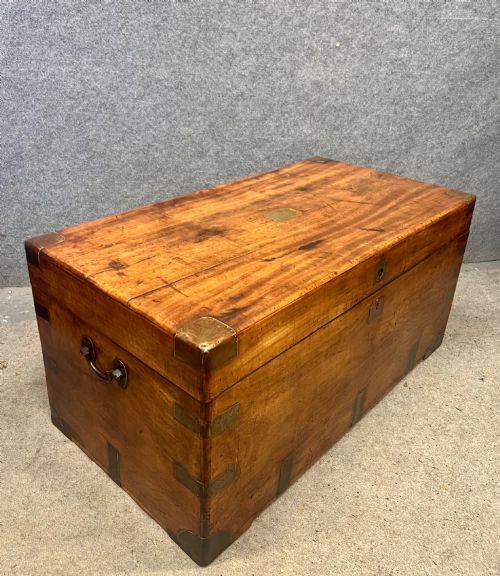
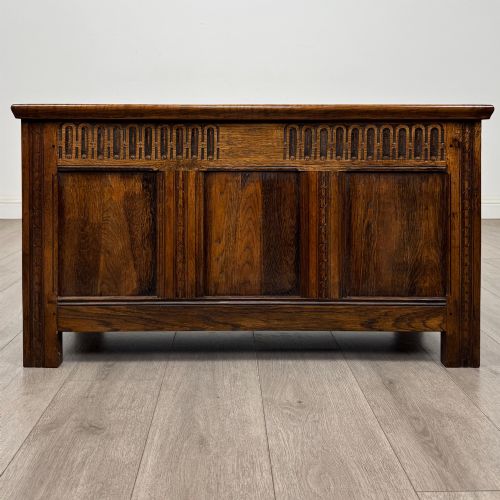
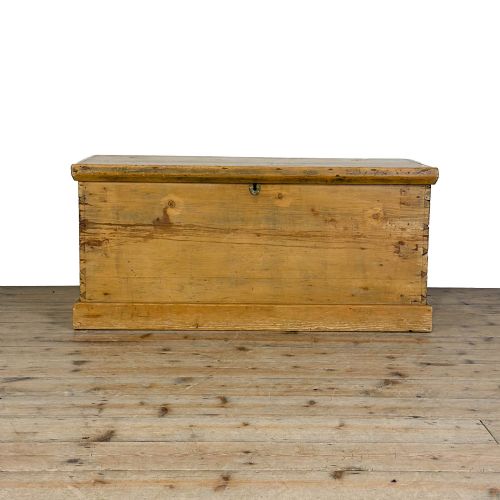
A vintage storage coffer chest encompasses robust timber trunks, blanket boxes and domestic coffers spanning several centuries of practical household use. You will most frequently encounter pine blanket boxes from the Victorian period, alongside heavier oak coffers and camphor wood campaign trunks designed for travel.
The selections range from simple rustic farmhouse pine boxes to elaborately carved oak coffers and brass-bound campaign pieces built for distant transit. Form follows function closely here, resulting in sturdy rectangular proportions intended to hold blankets, tools or personal possessions securely.
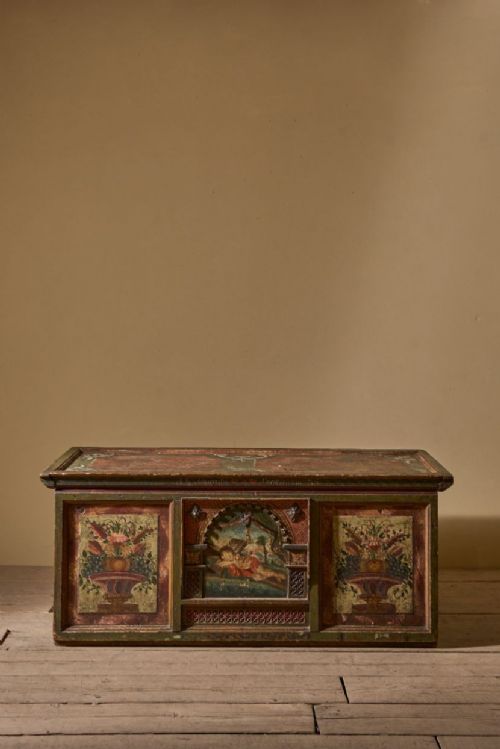
Origins stretch from British workshops to Scandinavian rural homesteads and colonial outposts, introducing regional timber choices and decorative traditions like folk art paint or iron strapwork. This variety ensures that whether you need an unassuming hallway box or a decorative living room centrepiece, a suitable historical example exists.
Materials and Construction Methods
Carpenters relied heavily on solid native timbers like oak, elm and pine, joining panels with traditional dovetails or pegged mortise and tenon joints to withstand heavy domestic stress. Camphor wood, teak and padouk frequently appear in travel pieces because these dense exotic woods resisted insects and dampness during long sea voyages.
Iron and brass hardware provided vital structural reinforcement through corner brackets, strapwork, carrying handles and robust locks. Leather, paint and hand-forged studs completed many travelling trunks, protecting vulnerable wooden edges from the knocks of transit.
Some camphor wood chests retain a faint, unmistakable fragrance of spice from nineteenth-century trade routes.
Evaluating Quality and Construction
Quality rests upon the integrity of the timber selection and the retention of original structural hardware like hinges, locks and strapwork. Pieces constructed with solid dovetail joints and well-seasoned woods demonstrate superior joinery compared to those hastily nailed together for basic utility.
The presence of original surfaces - whether untouched patinated oak, hand-forged ironwork, or authentic campaign brasses - distinguishes standard utility boxes from superior collector examples. Alterations to interior tills, replacement hinges or stripped finishes alter the historical honesty of the piece.
Samuel Pratt·Wm Insall of Bristol
The Vintage Storage Coffer Chest Glossary
- Campaign Chest
- Portable furniture made in sections with brass corners and recessed handles, designed for easy dismantling and transport by military officers.
- Blanket Box
- A deep domestic chest intended for storing bedding and linens close to sleeping quarters. These often feature simple lift-off or hinged lids.
- Strapwork
- Decorative or reinforcing bands of iron or metal applied across the exterior surfaces of a trunk or chest. It provides structural strength alongside visual rhythm.
- Dovetail
- An interlocking joint formed by fan-shaped tenons that fit tightly into corresponding mortises. It represents a hallmark of sound cabinetmaking.
- Camphor Wood
- An aromatic timber frequently utilised for campaign and travel chests. Its natural scent repels moths and insects.
Vintage Storage Coffer Chest: Frequently Asked Questions
What were vintage storage coffer chests originally used for?
These robust vessels served primarily to transport and safeguard personal belongings, uniforms, blankets and valuable documents across households or during global travel.
Campaign versions accompanied officers on military expeditions, while domestic pine and oak boxes kept household linens free from dampness and moths in static rooms.
How do I clean and maintain an old wooden chest?
Dust the surfaces regularly with a soft, dry cloth and nourish aged timber periodically with traditional beeswax to preserve the natural lustre of the grain.
Avoid placing wooden chests near direct heat sources or in damp environments, as extreme temperature shifts cause the historic timbers to warp or split.
Can I use a vintage chest as a coffee table?
The flat top and sturdy internal capacity make these chests exceptional substitute coffee tables that simultaneously conceal living room clutter.
Ensure the antique hinges and lid support remain stable if you intend to rest heavy trays or feet upon the surface during daily use.
How do I distinguish 18th century coffers from later revival pieces?
Earlier pieces display hand-cut joinery, pegged joints, and heavy adze marks on internal boards reflecting primitive tool use rather than modern mechanical precision.
Revival furniture from later periods often adopts older styles like Jacobean carving but utilises standardised machine-swn dimensions and modern internal hardware.